
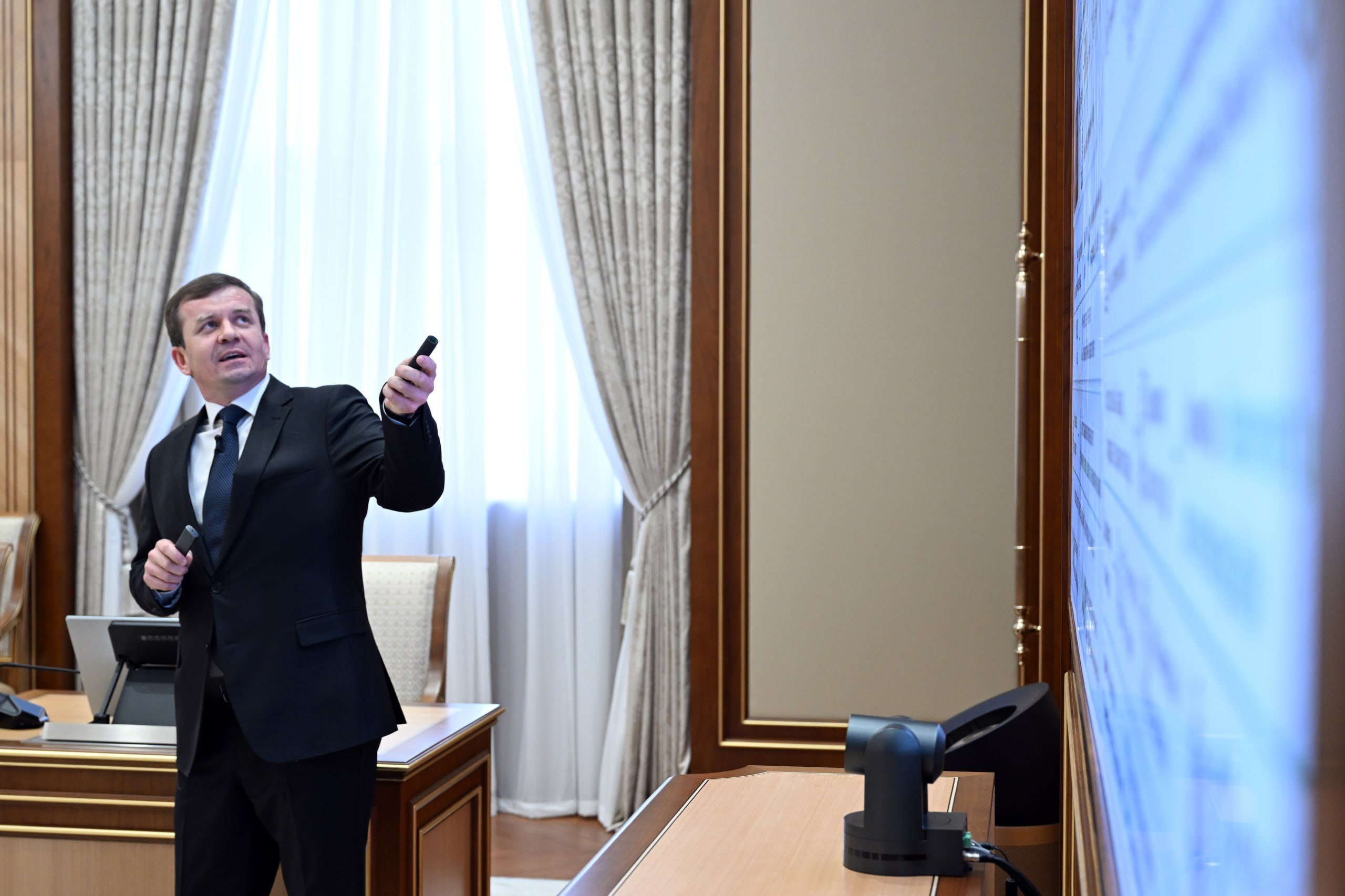
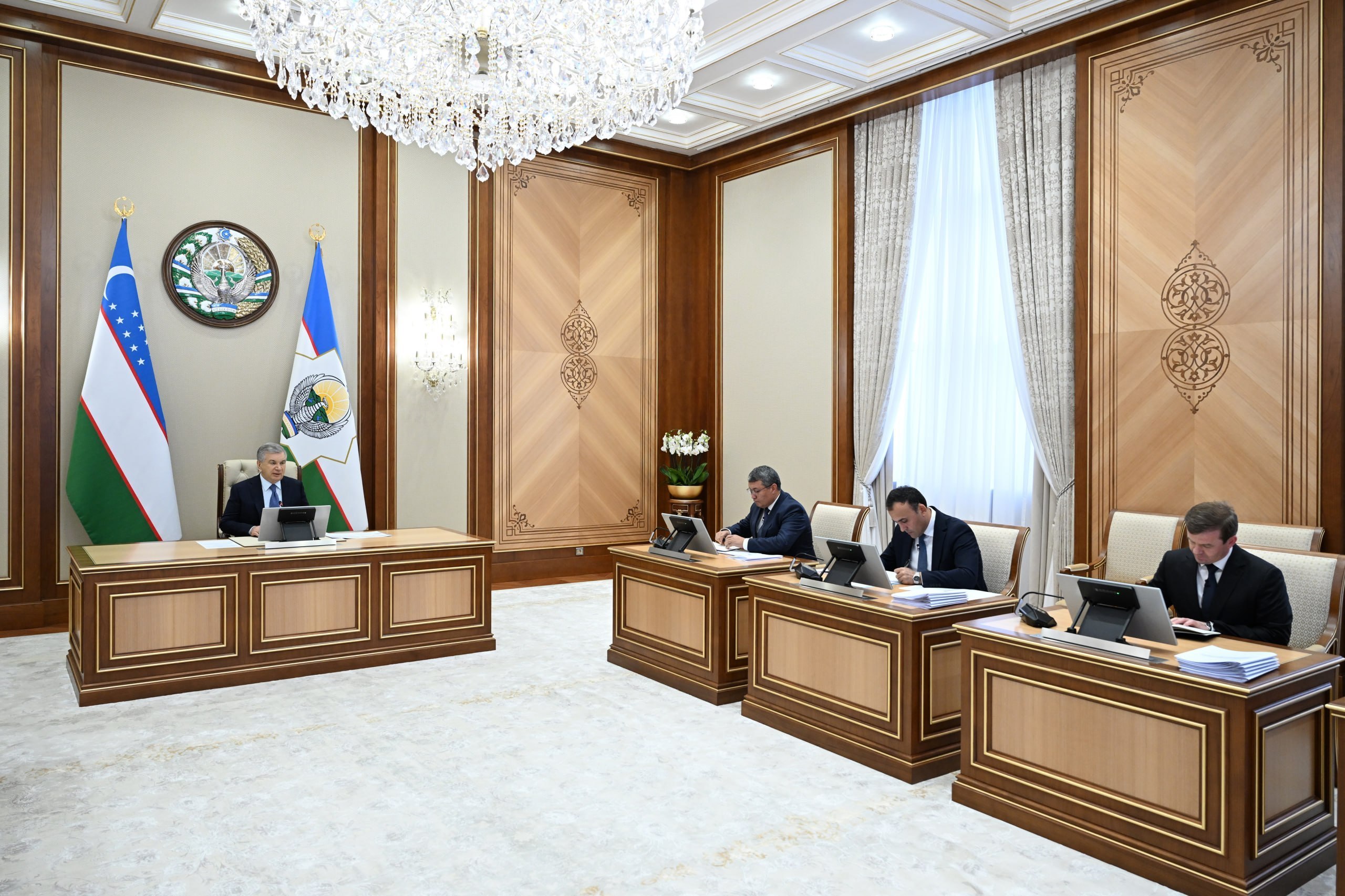
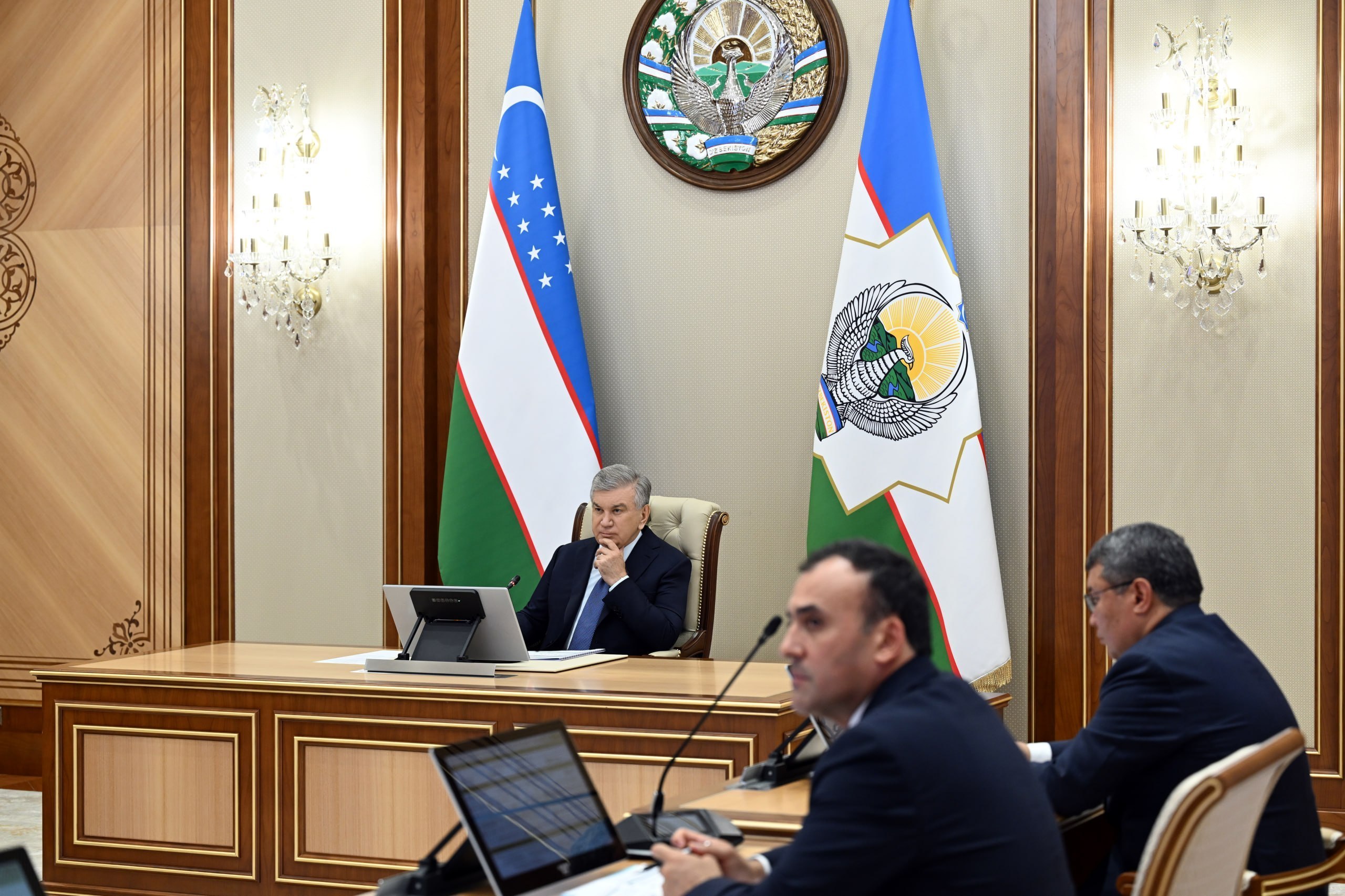
Over the past five years, systematic work has been carried out in the country to reform land relations. In particular, the powers of hokims to allocate land have been abolished, and the sale of land plots has been transferred to an auction system. During this period, 616.3 thousand hectares of land were distributed through auctions, and 1.4 trillion UZS were received in the budget. Most importantly, with the emergence of a real owner, income per hectare has increased threefold, reaching 50-60 million UZS. Today, these lands produce goods worth 539 trillion UZS annually and generate exports totaling $2.1 billion.
At the same time, several issues requiring resolution remain in this area. In particular, although land is allocated through auctions, tenants’ independence in its use remains insufficient. For this reason, 117.6 thousand hectares of land have still not been allocated.
In this regard, it is planned to introduce a new system for leasing agricultural land and to put an additional 100,000 hectares of land up for auction this year under new conditions. At the same time, special attention will be paid to strengthening economic incentives for the efficient use of land.
It was emphasized that positive results have been achieved from the practice introduced last year of independently selecting and planting crops on allocated land plots in Fergana valley, Jizzakh, and Tashkent regions, as well as in Karakalpakstan. In particular, in 2025, on 16 thousand hectares out of 20 thousand hectares, entrepreneurs planted high-yield, export-oriented crops of their choice, laying the groundwork for exports worth $150 million. The importance of expanding this practice and providing land users with greater economic freedom was noted.
For projects involving industrial plantations and livestock farming, land plots ranging from 50 to 500 hectares are planned to be auctioned. On this basis, at least five large projects are planned to be launched in each region as early as this year. To support their implementation, financial assistance measures are envisaged, including covering the costs of water and electricity supply, providing preferential loans for up to 7 years with a 3-year grace period, compensating for loan interest rates, and subsidizing up to 50 percent of the costs of packaging the produced goods.
During the presentation, special attention was also paid to the broad application of advanced international experience to increase land productivity, particularly modern foreign agricultural technologies. At the same time, it was emphasized that national interests must be protected in this process.
In particular, the procedures and conditions governing the allocation of agricultural land to foreign investors will be revised. In the future, only a secondary leasing mechanism through directorates under regional hokimiyats will be applied to them, within the framework of projects with an investment volume of at least $10 million, on the condition of bringing pasture lands, rainfed lands, and previously unused lands into circulation.
In addition, the need was emphasized to stipulate that only local dehkans and entrepreneurs will be allowed to participate in agricultural land auctions. Lands of defense significance, border areas, historical and cultural lands, and forest fund lands will be allocated only to citizens of the country. At the same time, it was proposed to establish a unified lease term of 49 years for all types of land, including for foreign investors implementing industrial and construction projects.
The lease terms for nearly 100,000 hectares of land are expiring soon. In this regard, entrepreneurs are raising the issue of introducing a convenient and transparent procedure for extending leases without re-auctioning such plots. The presentation proposed carrying out this process through public service centers and electronic platforms, integrating the information systems of the cadastre, agriculture, and justice authorities, and, in the absence of objections, extending agricultural land leases for up to 30 years and non-agricultural land leases for up to 49 years. At the same time, it is stipulated that lease agreements will not be extended to a new term except in cases of tax or rent arrears, ongoing litigation, or unauthorized construction.
It was noted that the processes of changing land categories and calculating compensation payments for losses are still carried out on paper. This leads to delays in approvals and final decision-making, causing dissatisfaction among investors. In this regard, a task has been set to digitize all processes and introduce a system for assessing the efficiency of land use based on criteria such as designated use, water efficiency, and soil quality.
The need was also noted to expand the possibilities of using land lease rights as a financial instrument. In particular, it was proposed to create conditions for using them as collateral not only for obtaining commercial loans but also for leasing, mortgages, and bank guarantees. In addition, it was proposed to simplify the procedure for recognizing land plots as vacant and to clearly define the possibility of concluding secondary land lease agreements on both paid and gratuitous bases. Based on this, it was also proposed to review criminal liability measures for offenses related to the illegal circulation of land plots.
At the same time, particular attention was paid to strengthening accountability in land control. In particular, the need was emphasized to extend liability for unauthorized land occupation not only to irrigated lands but also to all other categories of land plots. It was also proposed to exempt from compensation payments in cases of land category changes for the construction of railways and roads, airports, aerodromes, air navigation facilities, water management structures and networks, as well as to exempt compensation payments from taxation when land is acquired for public needs.
It was emphasized that, in the future, services for tenants of agricultural land will be provided through 13 regional directorates, while entrepreneurs implementing investment projects on non-agricultural land will be served through 14 investment companies. These structures are expected to function as a link between government authorities and entrepreneurs.
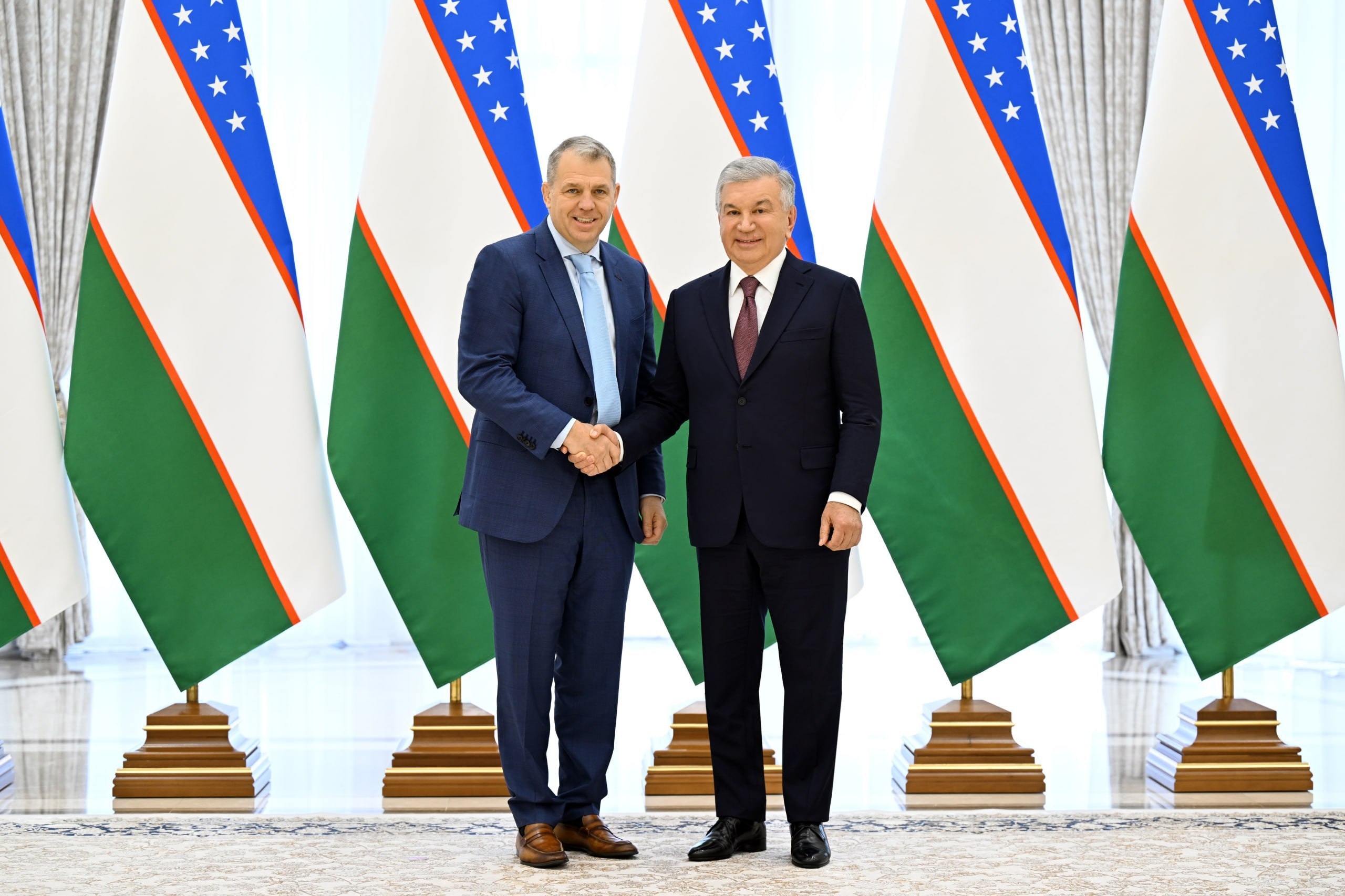
The Head of State issued relevant instructions to responsible officials to advance land reform, improve land-use efficiency, create an even more transparent and understandable system for entrepreneurs, and accelerate the digitalization of this sector.