
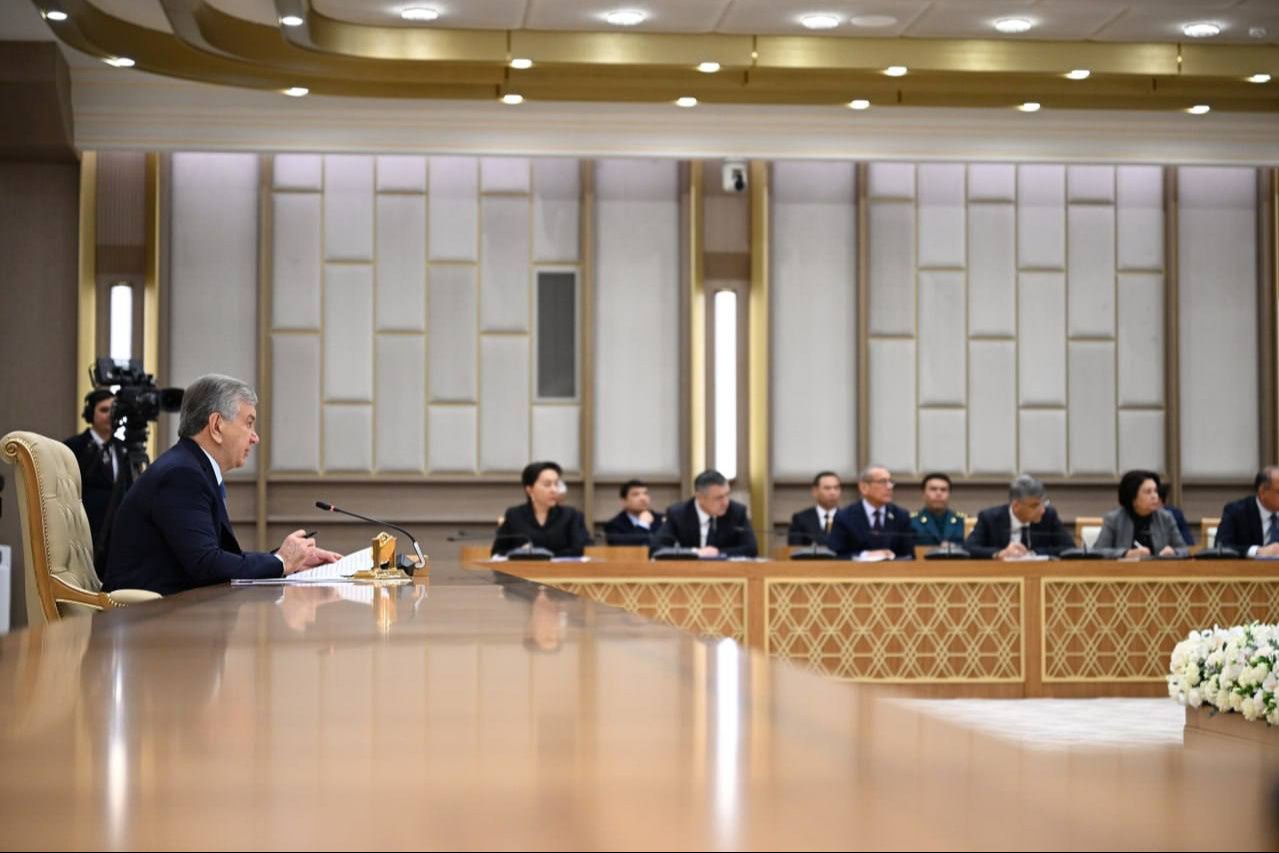
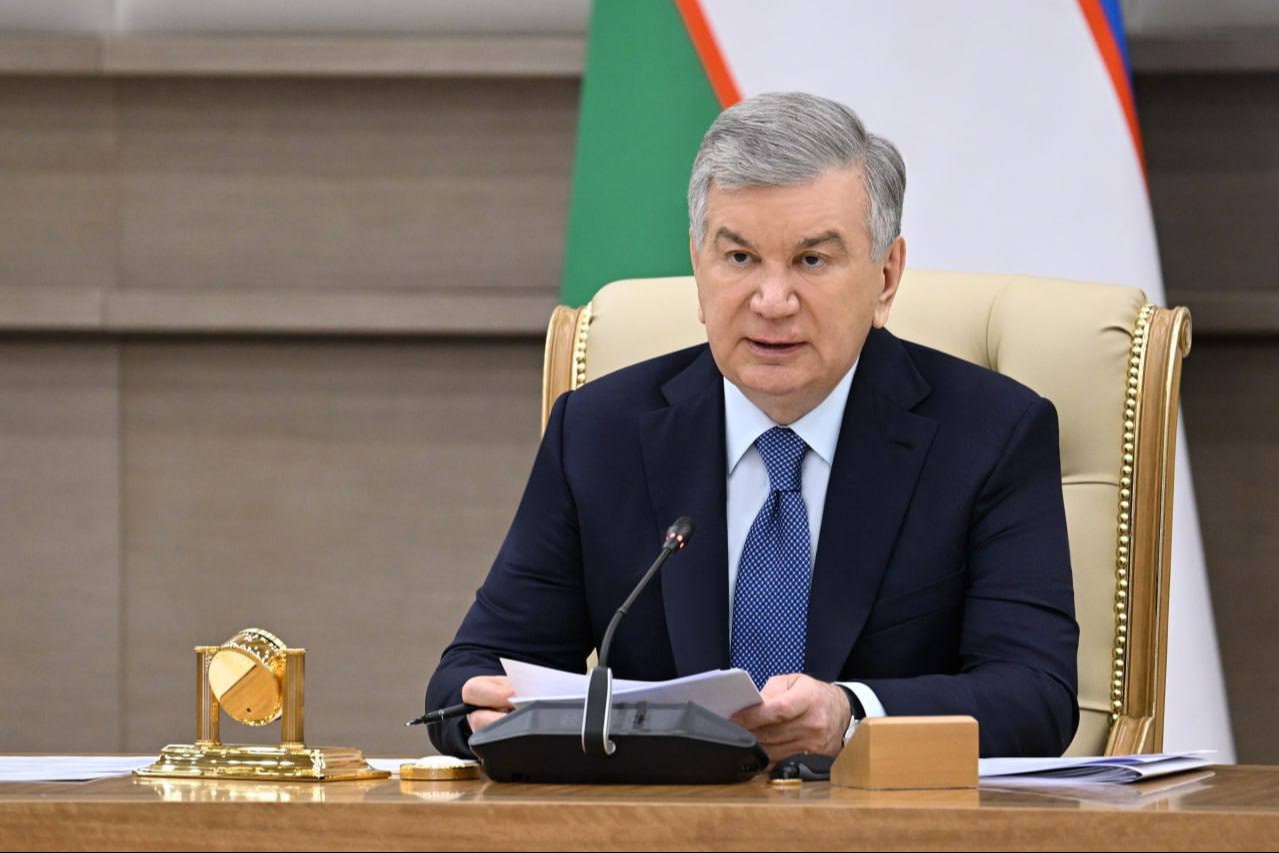
As noted, Uzbekistan’s population has exceeded 38 million, and citizens’ incomes have doubled over the past nine years. A system has been created in which ministers and hokims work at the mahalla level to address issues that concern residents. This year, 56 trillion UZS are being allocated to improve infrastructure and living conditions in mahallas.
The Head of State pointed out that despite the availability of significant opportunities, the issues raised by the population are not always resolved promptly.
“When People’s Receptions were established nine years ago, one goal was pursued: to bring government bodies closer to the people. Indeed, People’s Receptions worked effectively at that time. However, the time has come to transform this structure in accordance with today’s public demands”, the President said.
At the meeting, it was emphasized that, from now on, the motto “I must know the problems of every person and every family and provide timely assistance” should become the guiding principle for leaders at all levels.
The President analyzed the current state of work with citizens’ appeals.
In the country, there are, on average, 319 applications and complaints per 10,000 people. However, this indicator amounts to 535 in Tashkent, 462 in Navoi region, 452 in both Syrdarya and Surkhandarya regions, 430 in Jizzakh region, 368 in Kashkadarya region, and 350 in Tashkent region.
It was noted that in Dehkanabad and Mirabad districts, as well as in the cities of Navoi, Akhangaran, and Yangiyer, the number of applications per 10,000 residents is twice that of other localities.
Despite a 16 percent decrease in the overall number of appeals across the country, this indicator increased by up to 50 percent compared to last year in Karaulbazar, Nurata, Kanimekh, and Tuproqqala districts, as well as in the city of Namangan. The fact that in several districts and cities, hokims and responsible officials of agencies still adhere to a formal approach in conducting field and personal receptions was criticized.
Last year, it was decided that hokims themselves would be responsible for People’s Receptions. It was noted that in Karakalpakstan, as well as in Andijan, Kashkadarya, Khorezm, and Syrdarya regions, due to the personal involvement of leaders, the number of appeals decreased by 25-30 percent, while 60-70 percent of the issues raised by the population are being resolved positively.
At the same time, no significant changes in this direction have occurred in other regions. Thus, of 170 thousand appeals in the city of Tashkent and 110 thousand in Tashkent region, more than half remain unresolved. The number of repeated appeals has increased in Surkhandarya and Samarkand regions, as well as in the city of Tashkent.
In this regard, it was noted that a situation in which appeals to People’s Receptions are not considered promptly, and measures are taken only after they gain resonance on social networks, undermines public trust in state bodies.
At the meeting, the areas most frequently receiving appeals were discussed, including internal affairs, enforcement of court decisions, healthcare, employment, social protection, energy, infrastructure, as well as the activities of the agencies responsible for these sectors.
For example, last year, 70,000 such appeals were received. Although the Bureau of Compulsory Enforcement takes measures to recover payments, about 30 percent of appeals remain unresolved due to the lack of official income among alimony payers.
It was noted that no analysis was conducted on how many alimony payers with a profession remain unemployed and how many need training. In this regard, the importance of organizing work in close cooperation with employment departments and the “mahalla of seven” was emphasized.
It was also noted that under the system of organized labor migration, a mechanism has been established to train citizens and send them to well-paid jobs abroad. However, citizens with alimony obligations cannot take advantage of this opportunity. To ensure that alimony payers can also work and earn income abroad while safeguarding the rights and interests of alimony recipients, instructions were issued to prepare proposals to create a fair mechanism that benefits both parties.
It was also noted that many complaints are received about issues within the competence of internal affairs bodies, particularly regarding officers’ rude treatment and the quality of investigations.
It was emphasized that responsible officials of the system must systematically work to improve the professionalism and communication culture of prevention inspectors and investigators in regions where the largest number of complaints is received, and to strengthen efforts to transform internal affairs bodies into professional structures oriented toward the interests of the people.
It was reported that in 2025, more than 109,000 appeals were submitted regarding energy, road, and water infrastructure. The number of such appeals increased particularly in the districts of Asaka, Shahrihan, Izbaskan, Pastdargom, Shurchi, Denau, Guzar, Qamashi, Dehkanabad, and Sharof Rashidov, as well as in the cities of Samarkand, Namangan, Termez, Karshi, and Andijan.
It was noted that 20 trillion UZS have been allocated this year to address these issues, and if hokims direct these funds primarily to the mahallas from which the most complaints are received, it will lead to both increased public satisfaction and a reduction in the number of appeals.
It was emphasized that the “Participatory Budgeting” program makes a significant contribution to easing the concerns of residents of mahallas. At the same time, it was noted that 2,000 mahallas, from which 25,000 appeals regarding infrastructure issues were received, have never submitted their projects under this program. Responsible officials were instructed to analyze the appeals received by People’s Receptions and assist such mahallas in preparing projects.
Cases were criticized in which some ministries and agencies, instead of resolving appeals, limited themselves to superficial responses. In particular, the Ministry of Higher Education, Science and Innovation did not provide practical solutions for 64 percent of appeals, the Inspectorate for Control in Construction and Housing and Communal Services, for 61 percent, and the Ministry of Transport, for 58 percent.
It was emphasized that the identified shortcomings also apply to other ministries, agencies, and hokimiyats, which must organize work with appeals based on thorough analysis and responsibility.
Noting that the time has come to review the system of working with citizens’ appeals, the Head of State instructed hokimiyats, ministries, and agencies not only to resolve the issues raised in appeals, but also to engage in an in-depth study of the causes of problems and systematically eliminate the factors that lead to the submission of appeals.
In this regard, it was determined that People’s Receptions should become not merely institutions for receiving appeals, but also centers that draw the attention of responsible agencies to problems in sectors and territories, conduct analysis together with them, and develop proposals for their resolution.
Using the example of the city of Karshi, the President of the country explained how the new system will operate. Mechanisms for targeted work and responsible officials were identified for issues related to the employment of alimony payers, the prevention of delays in wage payments, complaints about the activities of management service companies and government employees, and appeals concerning housing provision and the assignment of pensions.
It was instructed to make the city of Karshi a model for handling citizens’ appeals during the first half of the year. It was determined that the regional hokim, his deputies, and the heads of territorial organizations will provide close support in this process.
In general, hokims of all regions and 208 districts and cities were instructed to implement the system effectively, demonstrated using the example of the city of Karshi, and to ease the concerns of the population. Every month, local Councils of People’s Deputies will approve and announce to the public work plans in this direction.
At the meeting, additional measures were identified to strengthen People’s Receptions’ activities.
The Presidential Administration was instructed, together with hokims, to staff People’s Receptions with modern-minded specialists who understand the essence of the problems, as well as to organize the work of a separate control group for the systematic analysis of appeals.
The Communications Department of the Presidential Administration will analyze and summarize, every month, the appeals received by People’s Receptions, bring them to the attention of ministers and hokims, and monitor their implementation. It will hear reports from officials on issues affecting public sentiment and submit proposals to the Government on the most pressing areas.
An Operational Headquarters, comprising senior officials from ministries and agencies, will be established within the Government. The issues raised will be addressed through on-site visits across regions and sectors.
A decision was made to grant People’s Receptions the authority to issue mandatory directives to agencies that violate procedures for reviewing appeals, as well as to maintain a rating of government bodies based on their handling of appeals, which will be published every six months.
The responsibility of the “mahalla of seven” in handling appeals will be significantly increased. A separate account will be created in the President’s Virtual Reception for each mahalla, to be managed by the youth leader and the mahalla chairperson. They will study the causes of incoming appeals and provide daily information to hokims.
In addition, strict measures will be taken against the heads of organizations that unjustifiably redirect appeals to lower-level structures, and responsibility for violating the requirements of legislation on appeals will be strengthened.
The President also noted another important aspect. The results of sociological research, along with citizens’ appeals, are key sources for determining the main directions of state policy and reforms, making correct decisions in ministries and agencies, and understanding public sentiment and the pressing problems of the population.
Therefore, it was emphasized that expanding the scope and improving the quality of such studies are necessary. From now on, instead of relying on one-time public opinion surveys, continuous monitoring and analysis will be conducted to determine where trust is growing and where it is declining, and which decisions are fair and which do not meet the interests of the people.
The Communications Department of the Presidential Administration and the Institute for Strategic and Regional Studies were instructed to develop a methodology for evaluating the performance of regional and sectoral leaders, form a rating based on the analysis conducted, and regularly submit it to the President.
During consideration of issues related to executive discipline, the task was set to establish daily oversight of the implementation of each assigned task and to provide objective information on leaders who lack responsibility and demonstrate sluggishness.
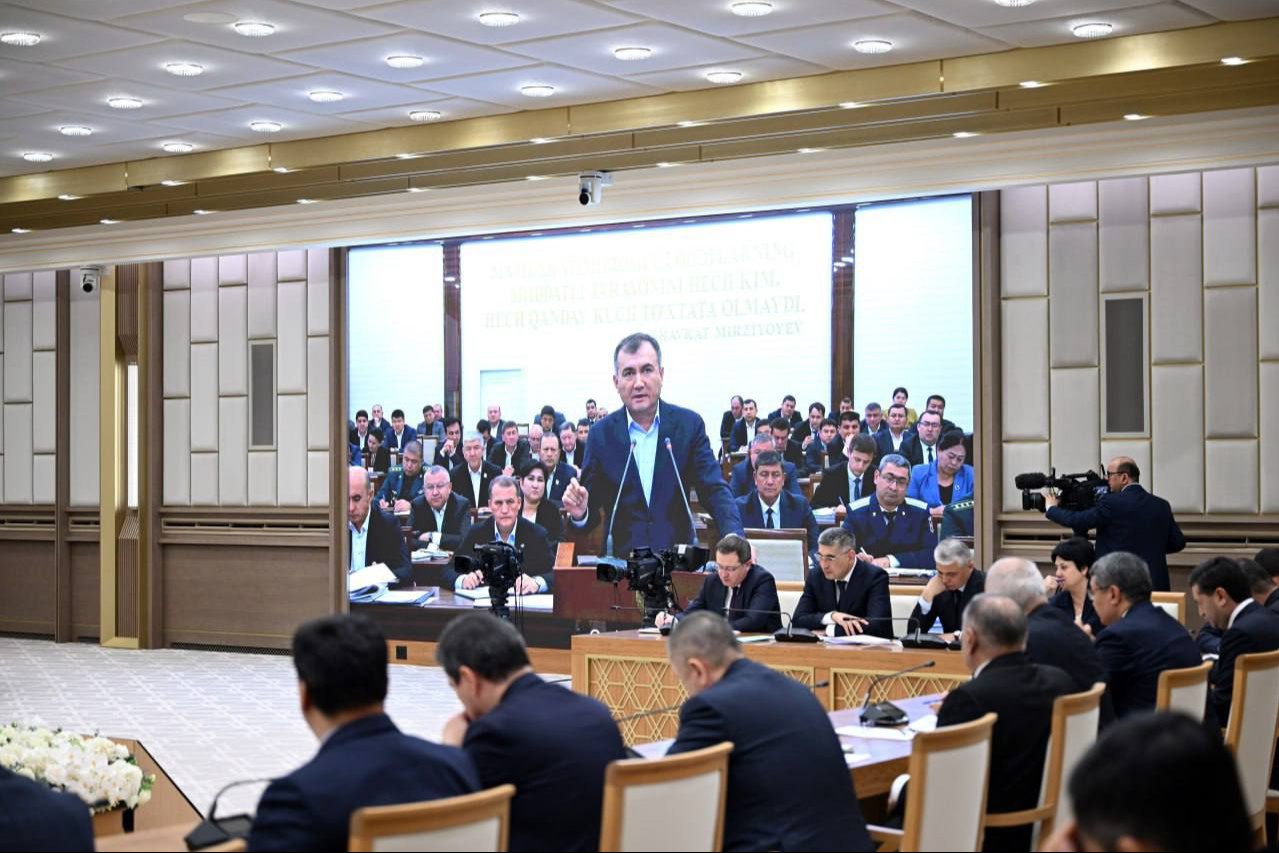
At the meeting, reports by the heads of regions and agencies were heard.