
As part of the New Tashkent development project, launched three years ago, the government is allocating substantial funds for infrastructure development and the construction of major social facilities. To date, more than $2 billion has been invested in the new city. However, private-sector involvement in construction has not kept pace with the available opportunities.
A total of 20,000 hectares of land has been allocated for New Tashkent. The first phase includes projects worth $50 billion across 6,000 hectares. Currently, construction is underway primarily with government funding on more than 1,000 hectares, while only 94 hectares have been allocated to entrepreneurs.
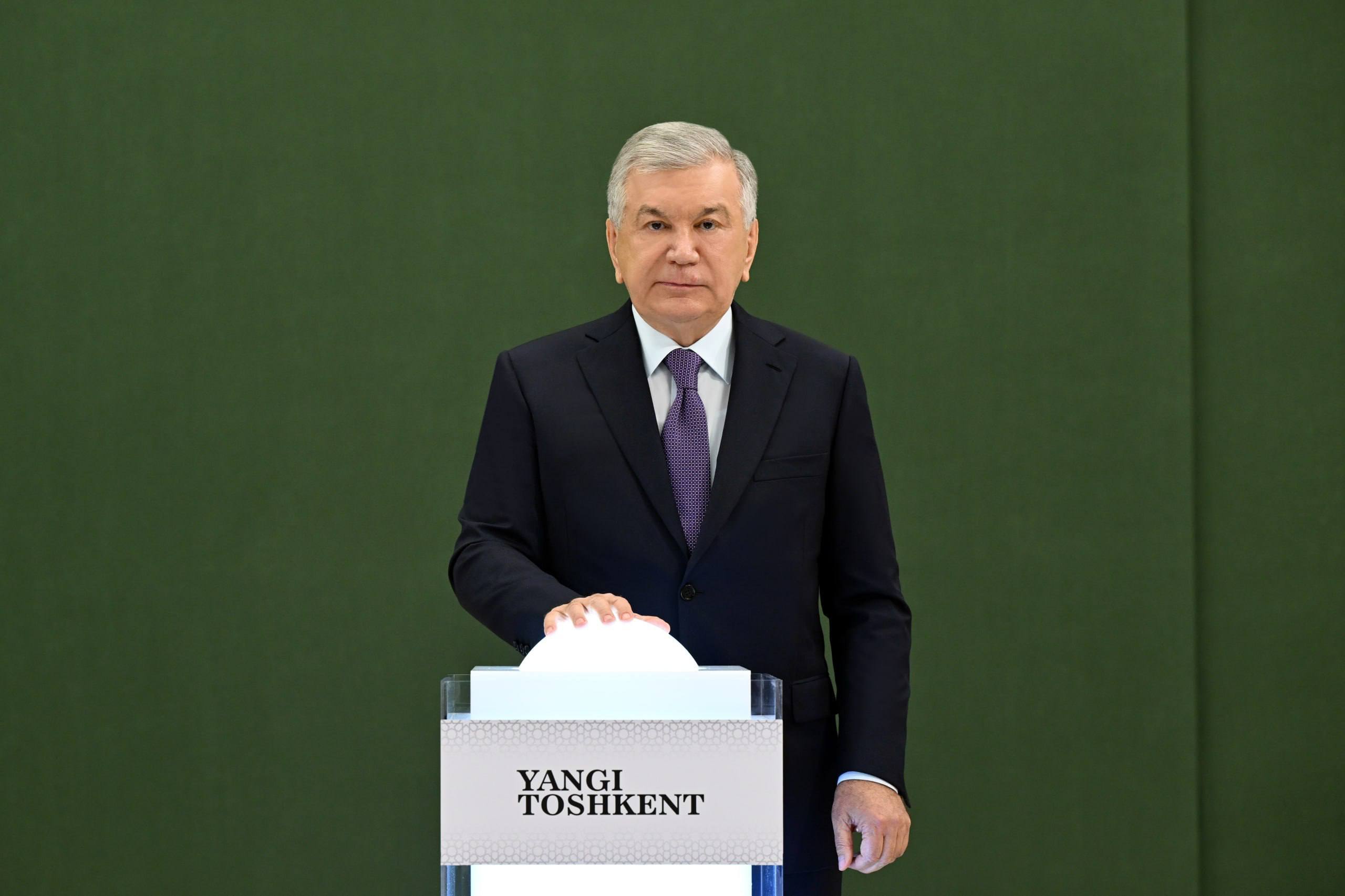
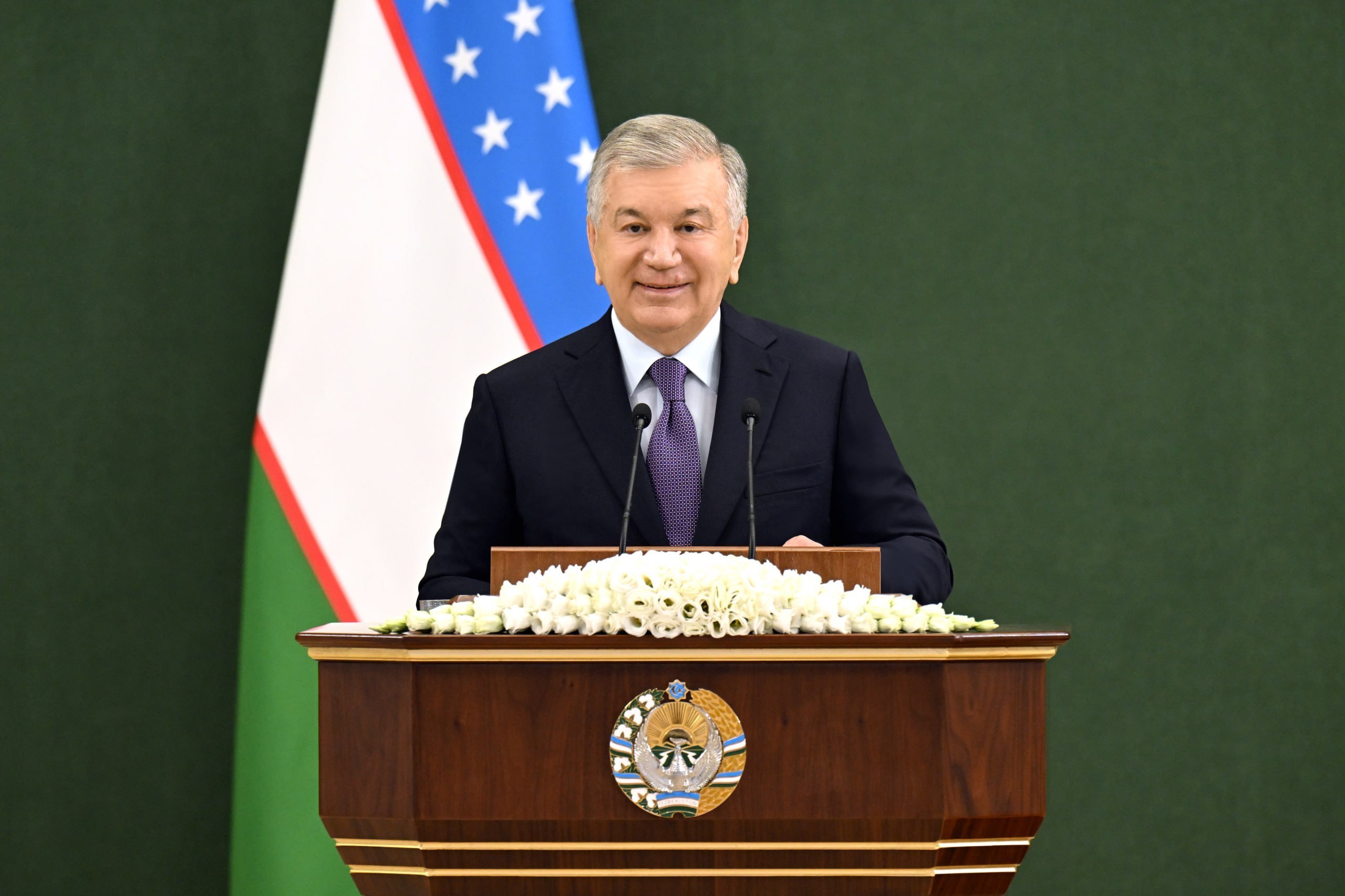
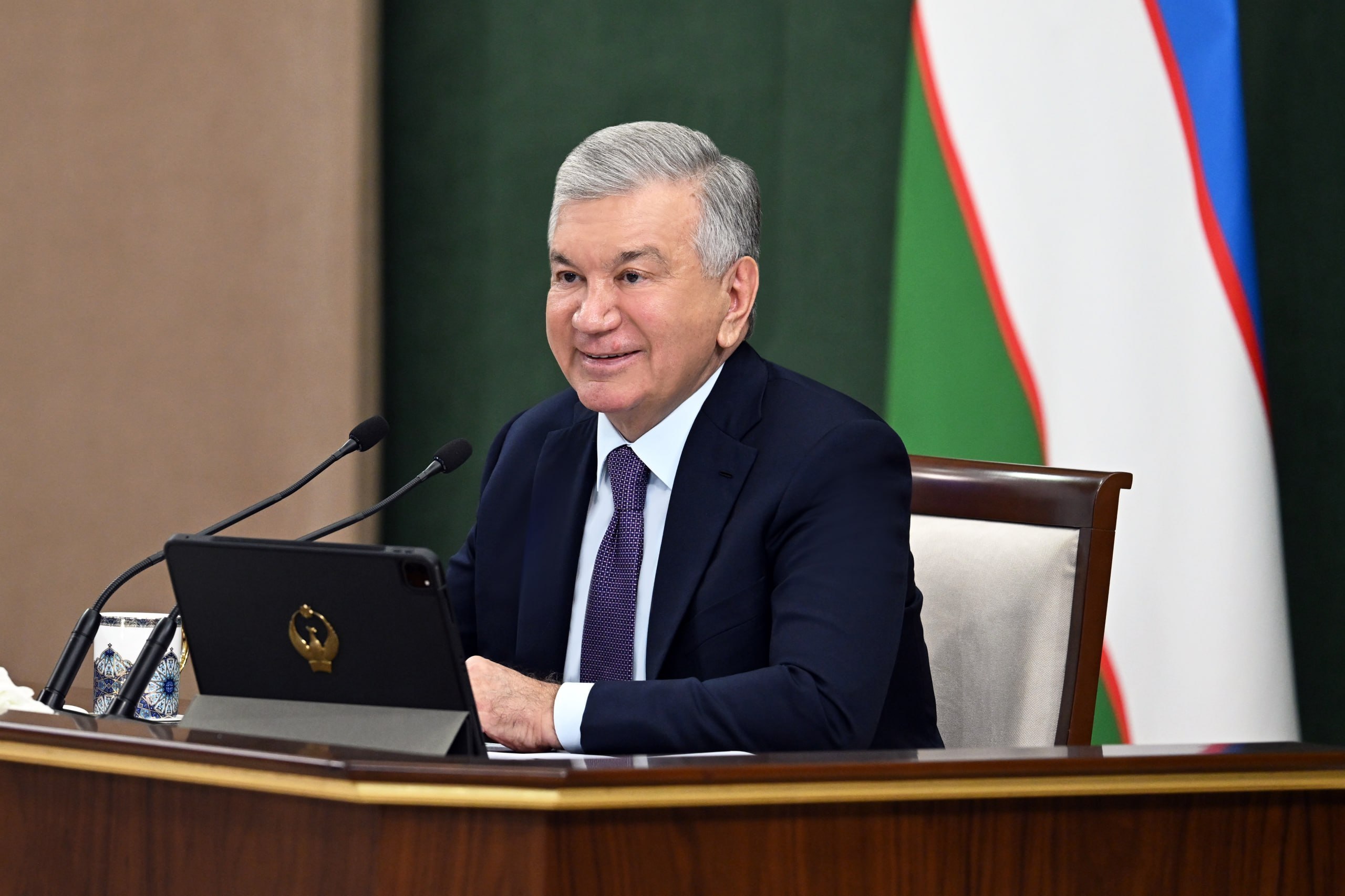
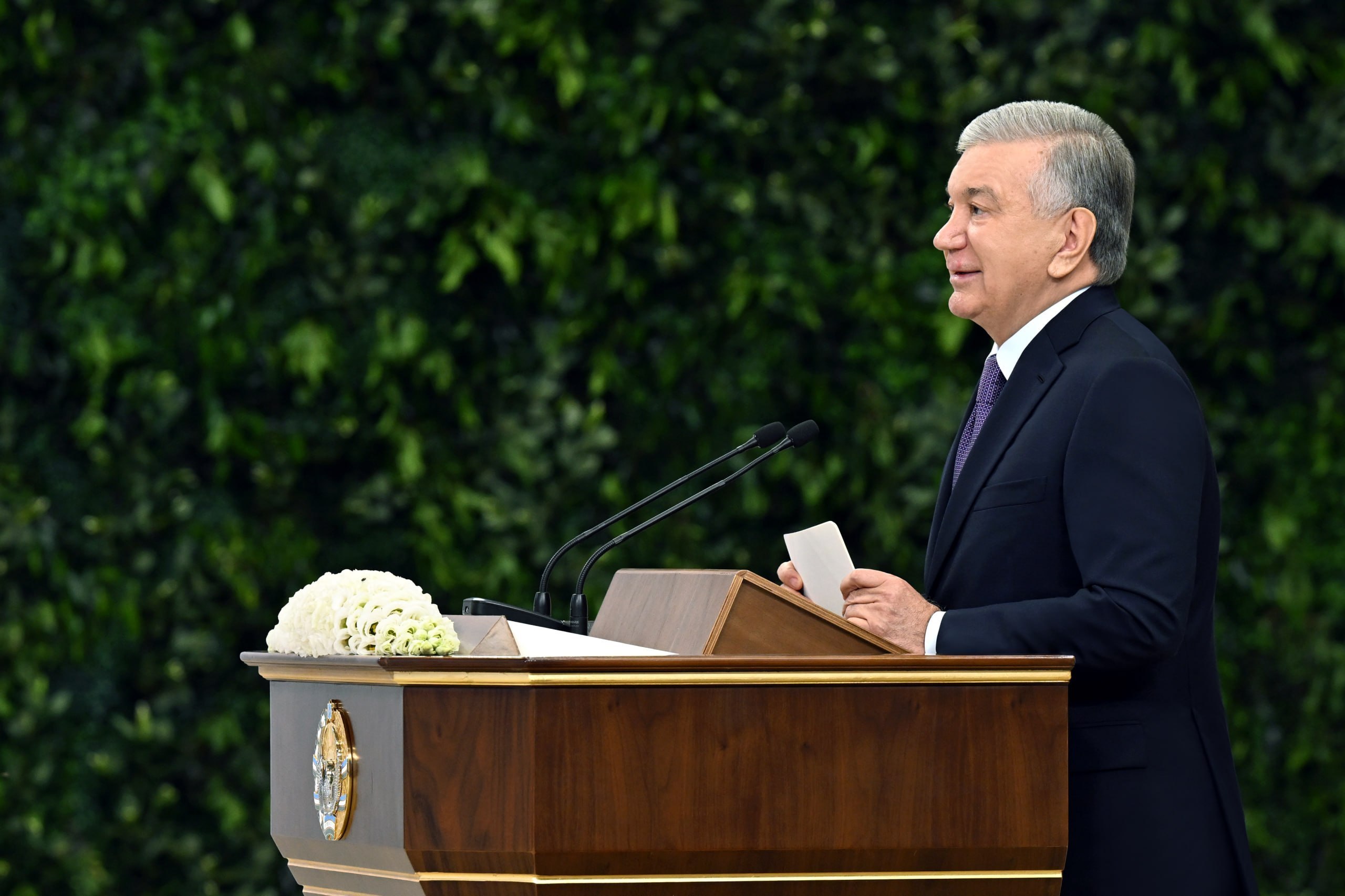
“New Tashkent is not just a place for new housing”, the President emphasized.
The new city should become an independent economic hub that brings together business, education, healthcare, tourism, and services. In this context, it was noted that two-thirds of the land plots allocated to investors are designated for residential projects, and active construction has yet to begin on 28 plots.
The Head of State noted that it would be wrong to attribute the current situation to a lack of funds or investor interest. Outdated requirements, delays in issuing permits, and the approach of certain government agencies, which act as regulators rather than partners, are hindering project implementation. In this regard, instructions were given to review all procedures, from allocating land plots to entrepreneurs to commissioning completed facilities.
A total of 20,000 apartments are scheduled for completion in New Tashkent by the end of the year, providing housing for at least 70,000 people. The President emphasized that residential construction must be accompanied by essential services in recreation, sports, retail, education, and healthcare.
A 55,000-seat stadium that meets FIFA requirements is under construction in the city. In view of next year’s FIFA U-20 World Cup, instructions were given to assess the need for hotels, restaurants, and entertainment facilities, and to present entrepreneurs with specific investment proposals.
The relocation of government agencies also plays an important role in developing business activity in the new city. The Ministries of Construction, Transport, and Energy are already operating here, and buildings are being constructed for employees of other government agencies. Instructions were given to begin relocating the remaining ministries and government organizations to New Tashkent.
During the dialogue, the need to provide greater flexibility for investor initiatives to implement the city’s master plan was emphasized.
For unique projects that serve the city’s interests, proposals to adjust land plot sizes or change the designated use of facilities should be reviewed promptly and based on clear criteria. Instructions were given to increase the number of land plots for which development concepts, design documentation, and construction permits have been prepared in advance.
To attract major commercial projects, a mechanism for allocating land plots based on open investor initiatives and the Swiss Challenge principle will be introduced. Under this mechanism, once an investor’s initiative is publicly announced, other participants may offer more favorable terms. If no competing proposals are submitted, the land plot will be allocated to the original investor.
To encourage the construction of service facilities and social infrastructure, infrastructure fees will be revised. The base rate will be reduced by threefold for retail facilities, service businesses, and business centers, by fivefold for hotels and tourism facilities, and by tenfold for cultural institutions and entertainment venues. For private kindergartens, schools, and hospitals, the fee will be set at 1 percent. The new rules will also apply to projects that have already begun construction.
Measures have also been outlined to reduce the costs of complying with green building standards in New Tashkent. For non-residential projects valued at more than $50 million, the government will fully cover the costs of obtaining green certification. The requirement to allocate 30 percent of each land plot purchased by an investor to green spaces will not apply in New Tashkent. Instead, the government will ensure that 30 percent of the city’s territory is landscaped in accordance with the master plan.
A designated representative will be assigned to each project valued at more than $50 million to assist the investor through the facility’s commissioning. Separate investment agreements will also be entered into for such projects, specifying the parties’ obligations and terms tailored to each project’s particular characteristics.
To enable entrepreneurs from across the country to take advantage of the new opportunities, 100 hectares of land in New Tashkent will be allocated to each district of the capital and to each of the country’s other 13 regions. Entrepreneurs from the respective regions will be eligible to participate in the initial auctions for these land plots.
The first 50 land plots have been designated for foreign investors. A package of investment proposals detailing their locations, economic calculations and available opportunities will be distributed through diplomatic missions. Ministers were also instructed to systematically present New Tashkent projects during meetings with major foreign companies.
The construction of the Shirin residential district in Samarkand was also reviewed. The slow pace of construction was criticized, and a decision was made to extend to this district the incentives and opportunities provided for New Tashkent.
Addressing the distinction between domestic and foreign investors, the President emphasized: “Capital, innovative ideas and honest work have no nationality!” In this regard, it was noted that every entrepreneur involved in building New Tashkent and the Shirin residential district contributes to the country’s development.
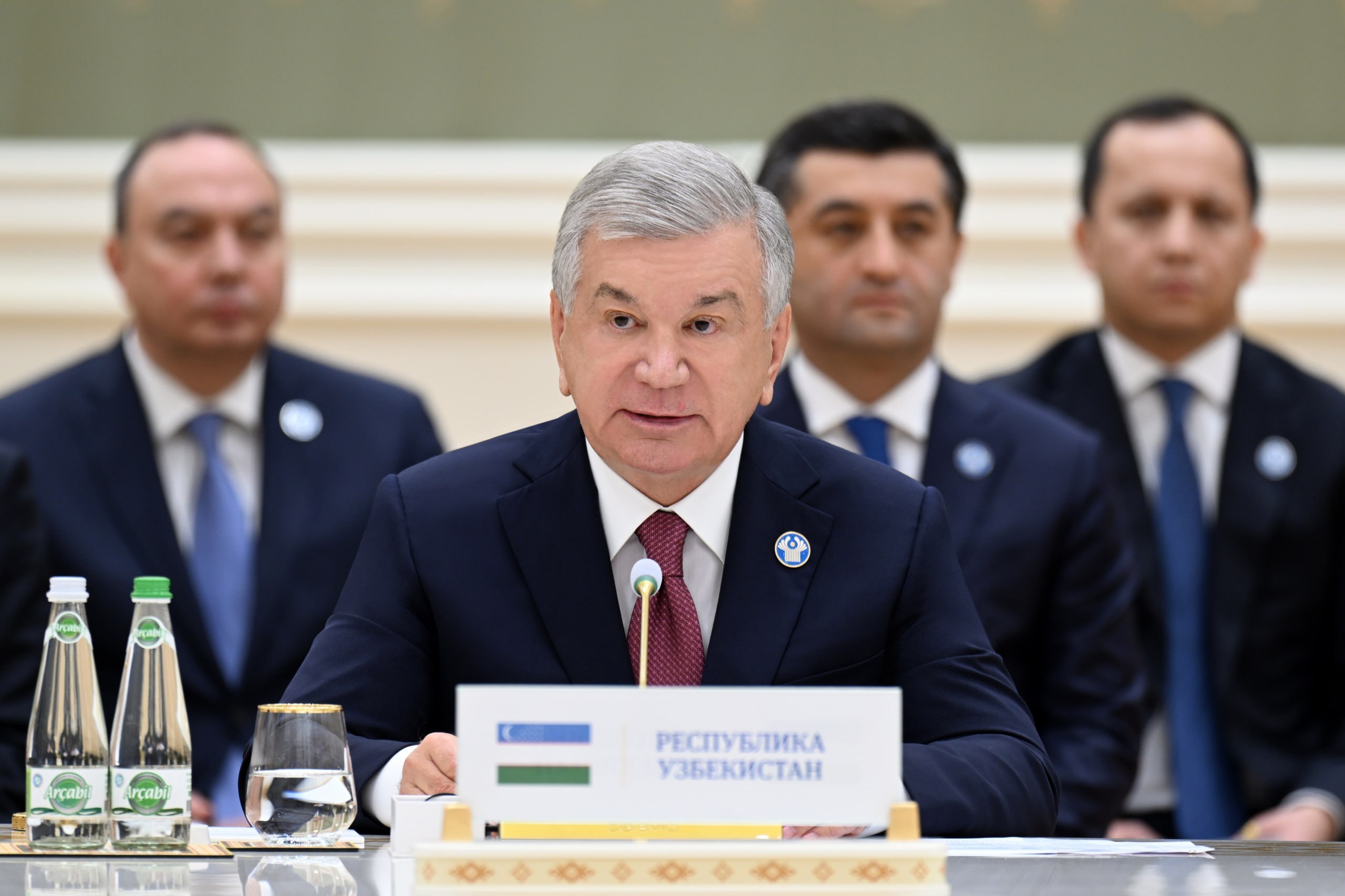
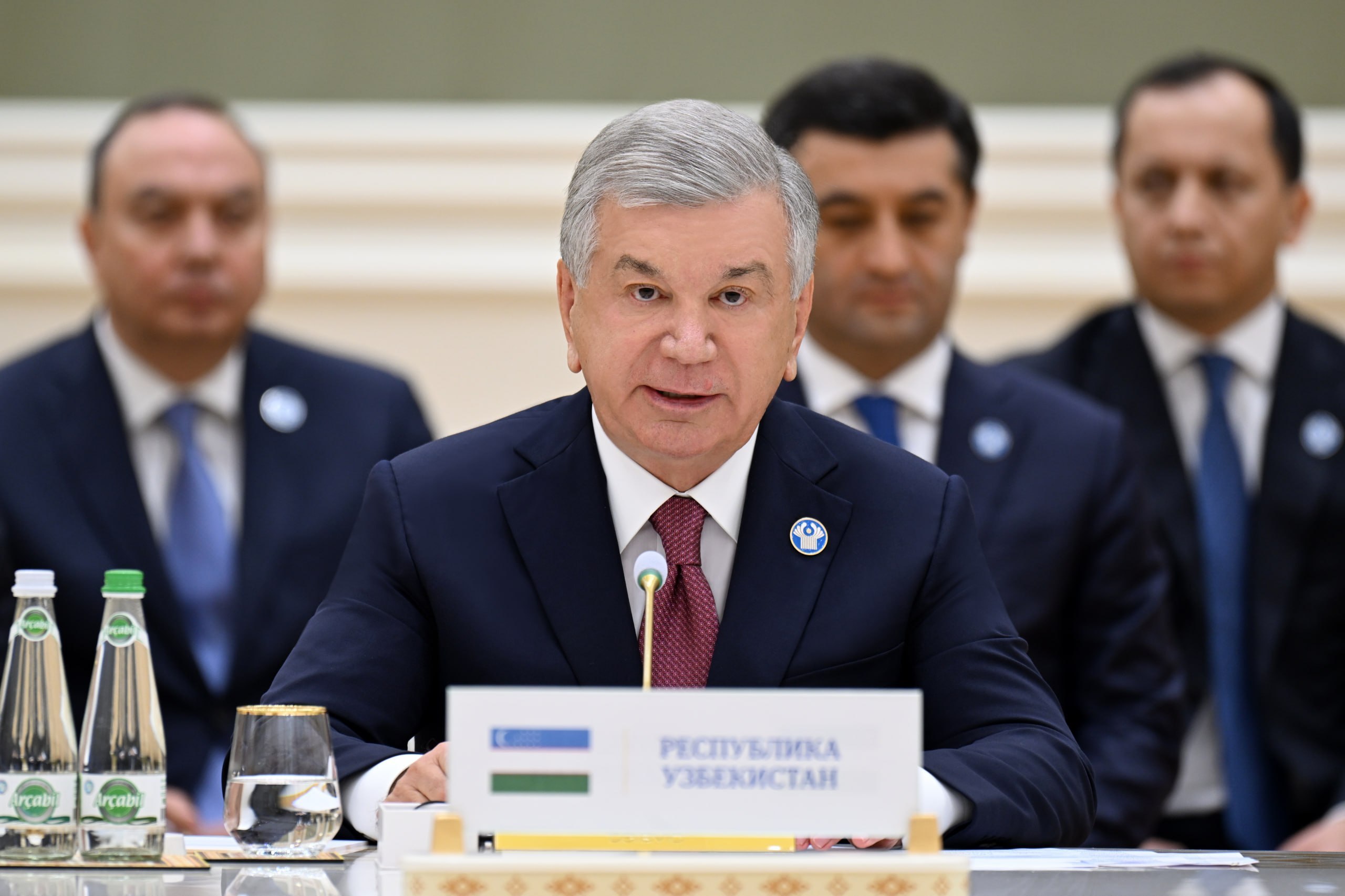
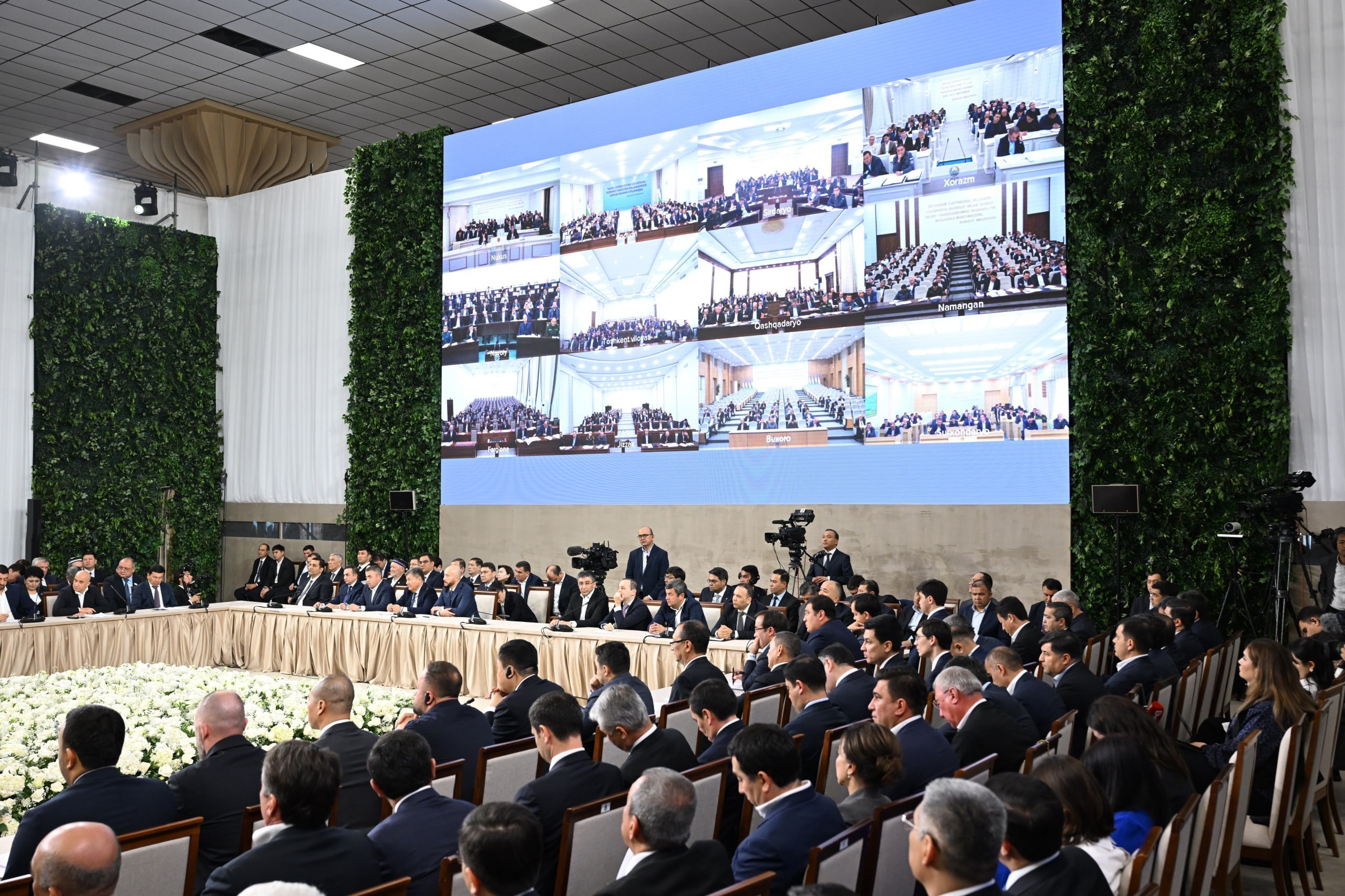
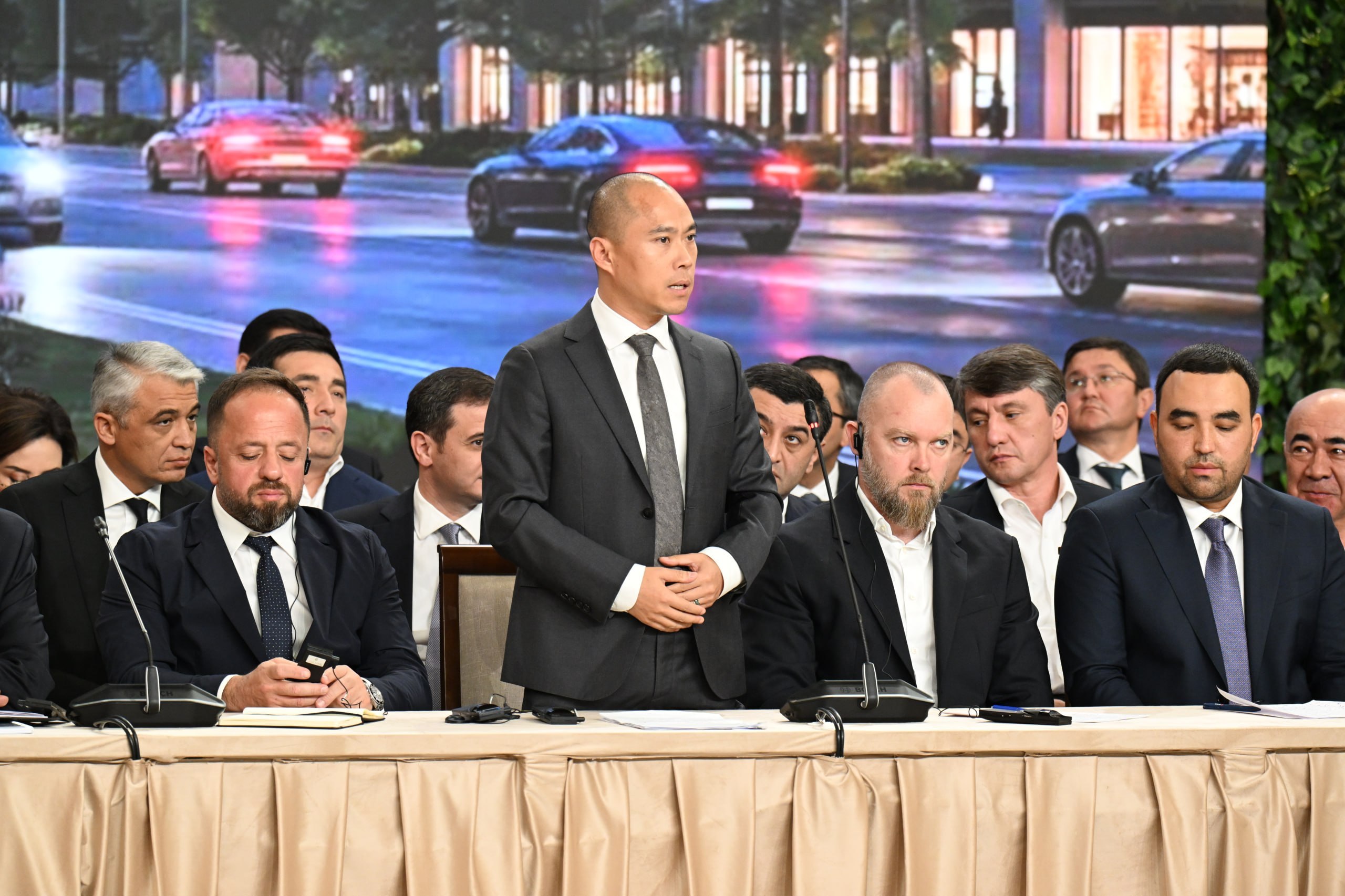
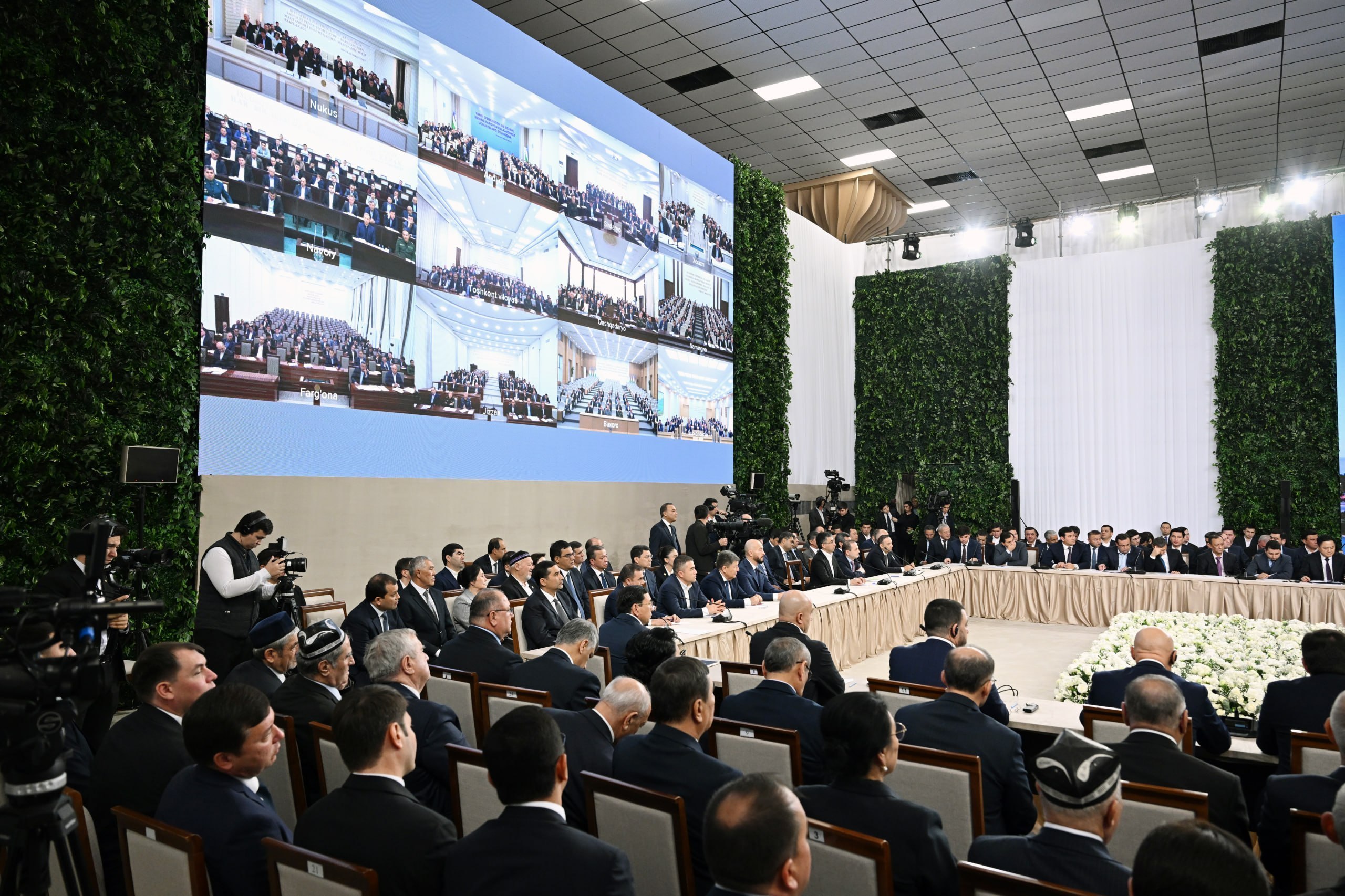
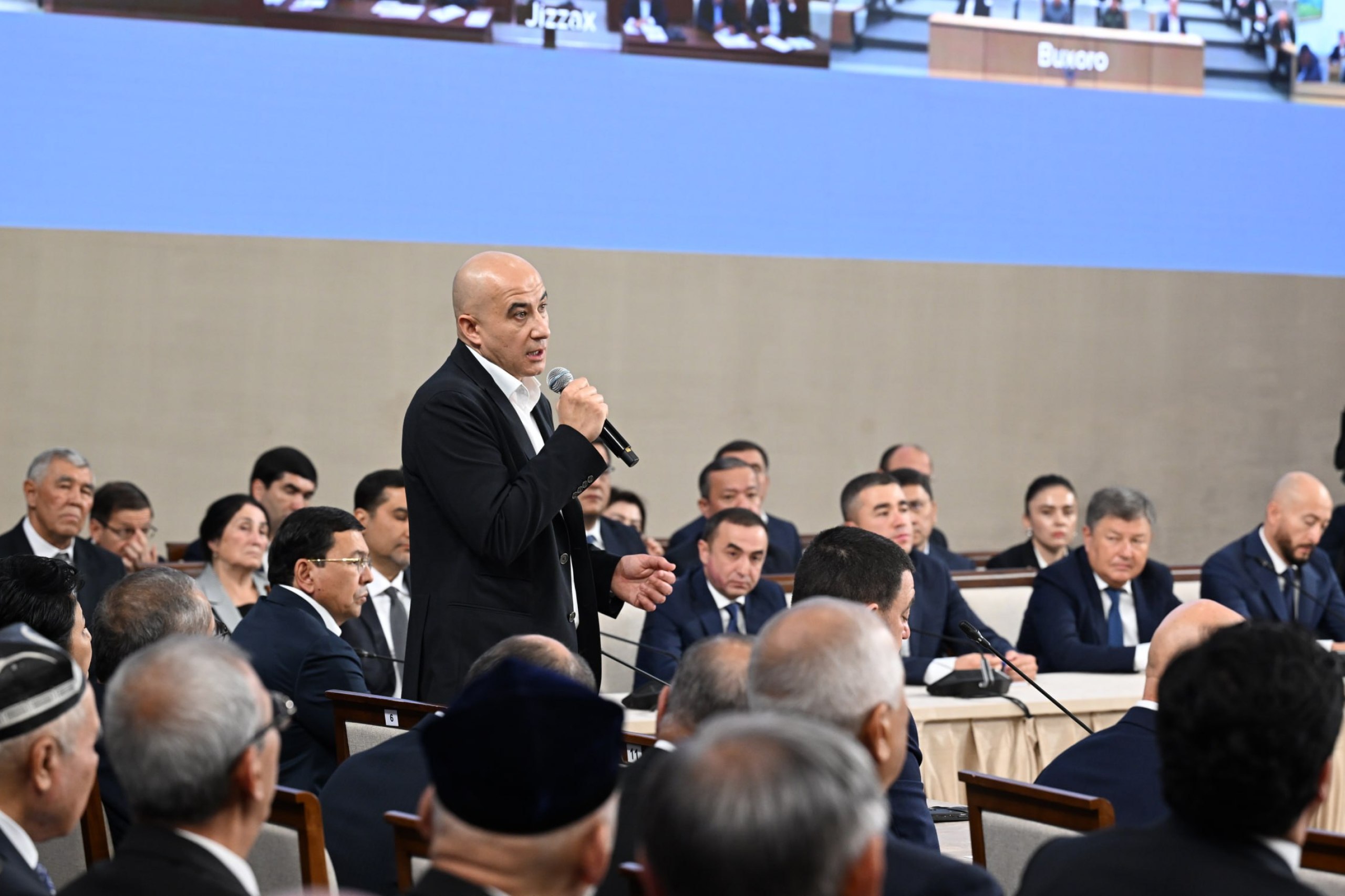
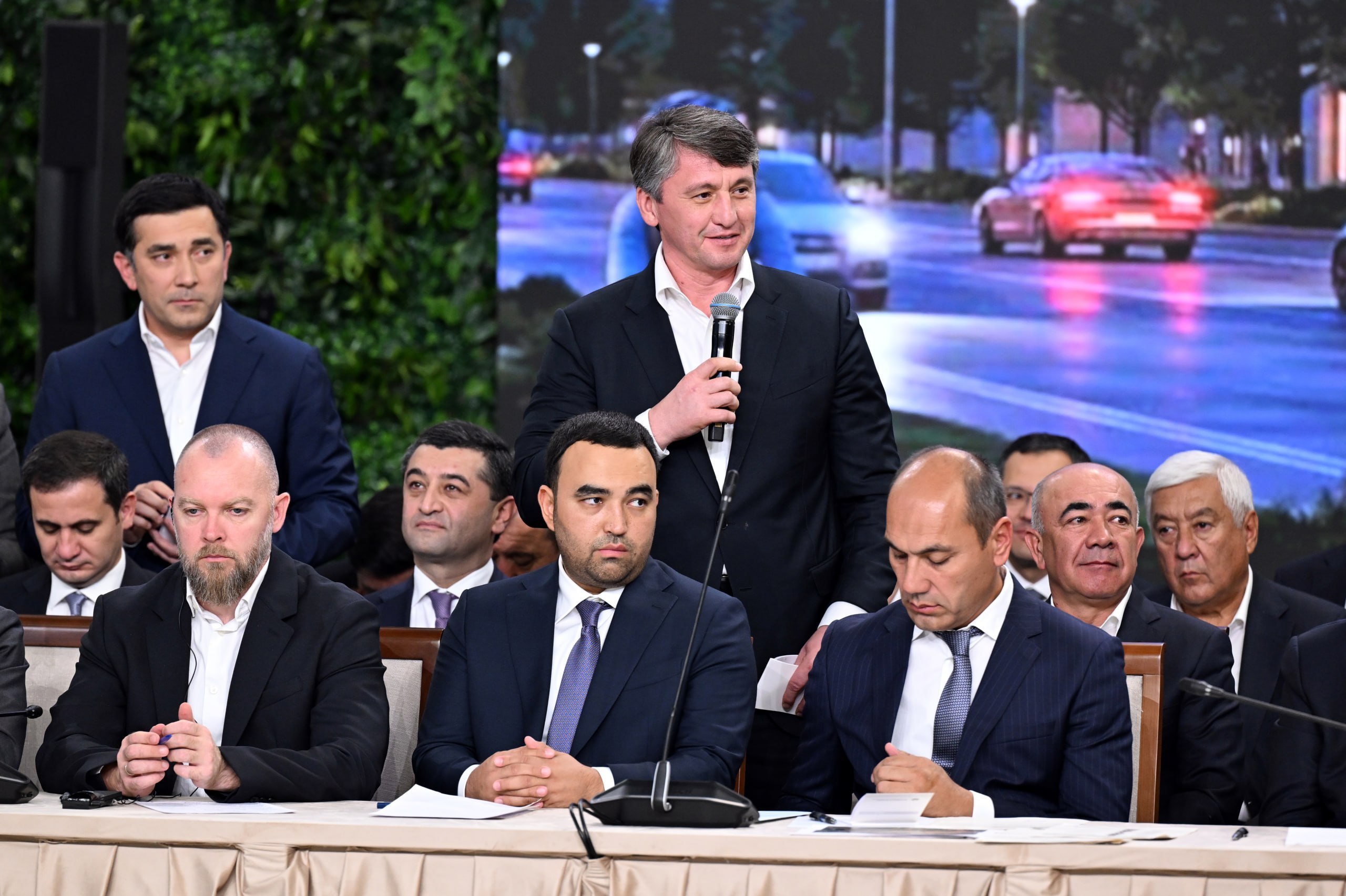
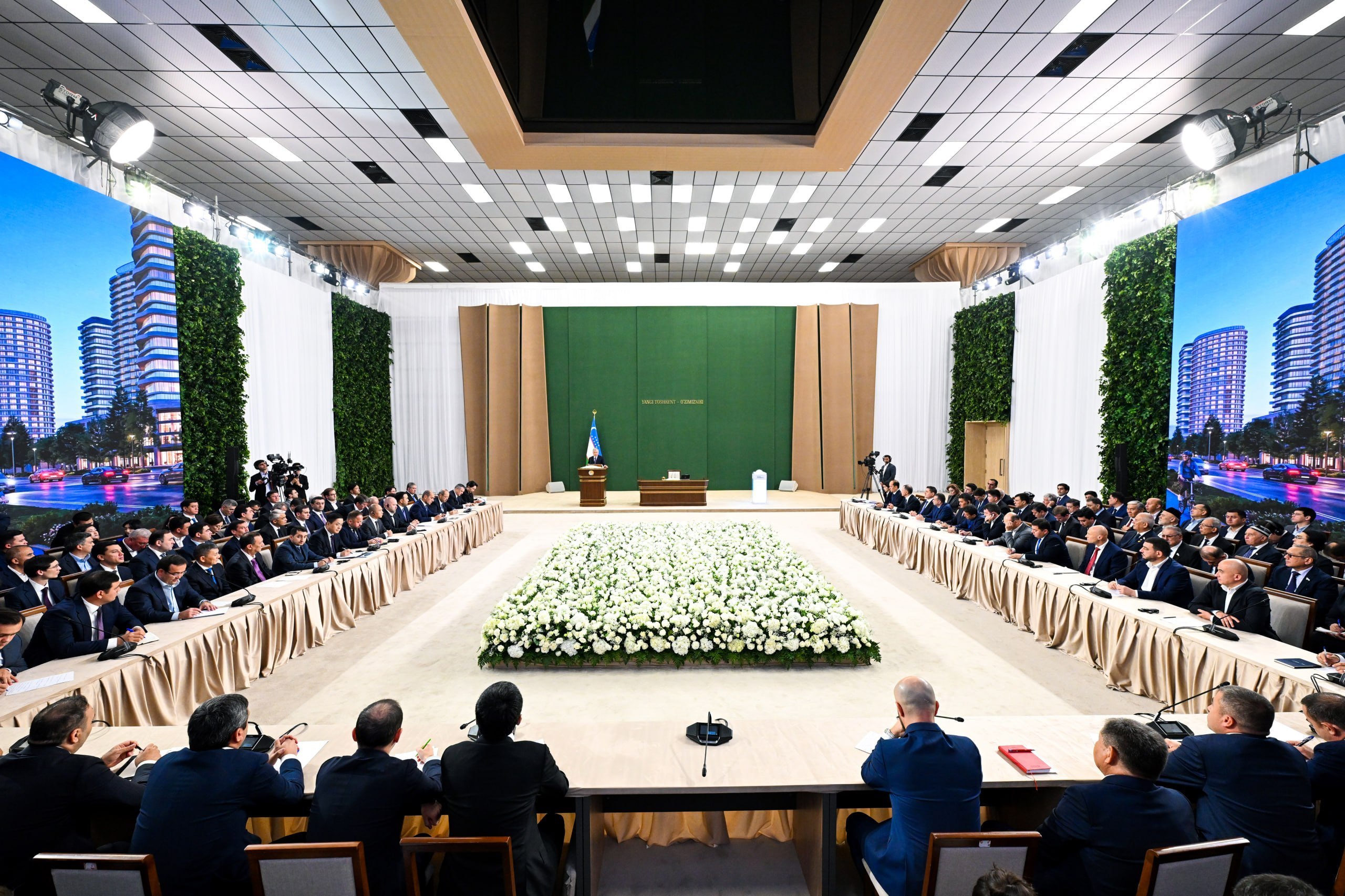
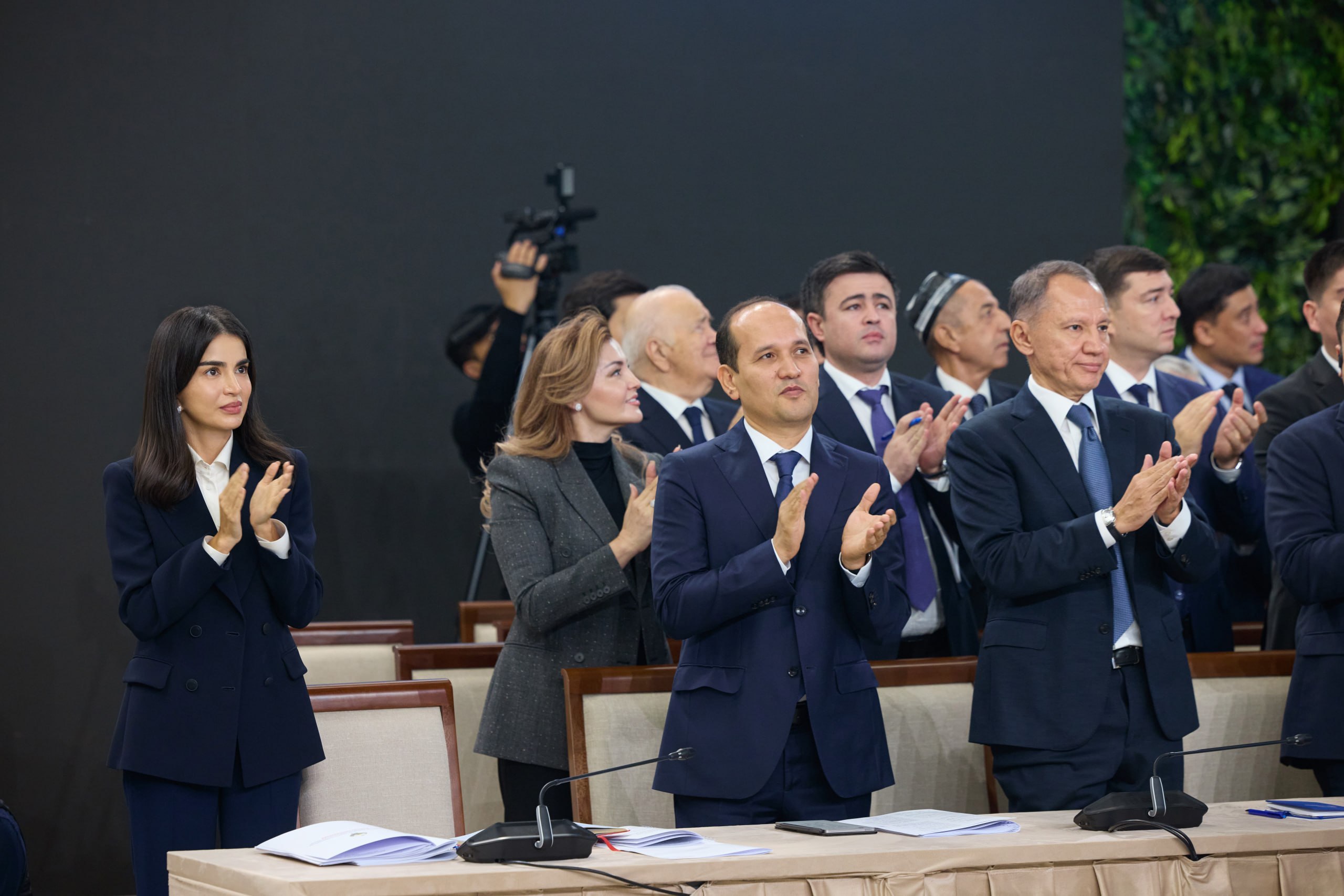
The Head of State held a dialogue with investors and listened to their proposals and initiatives.