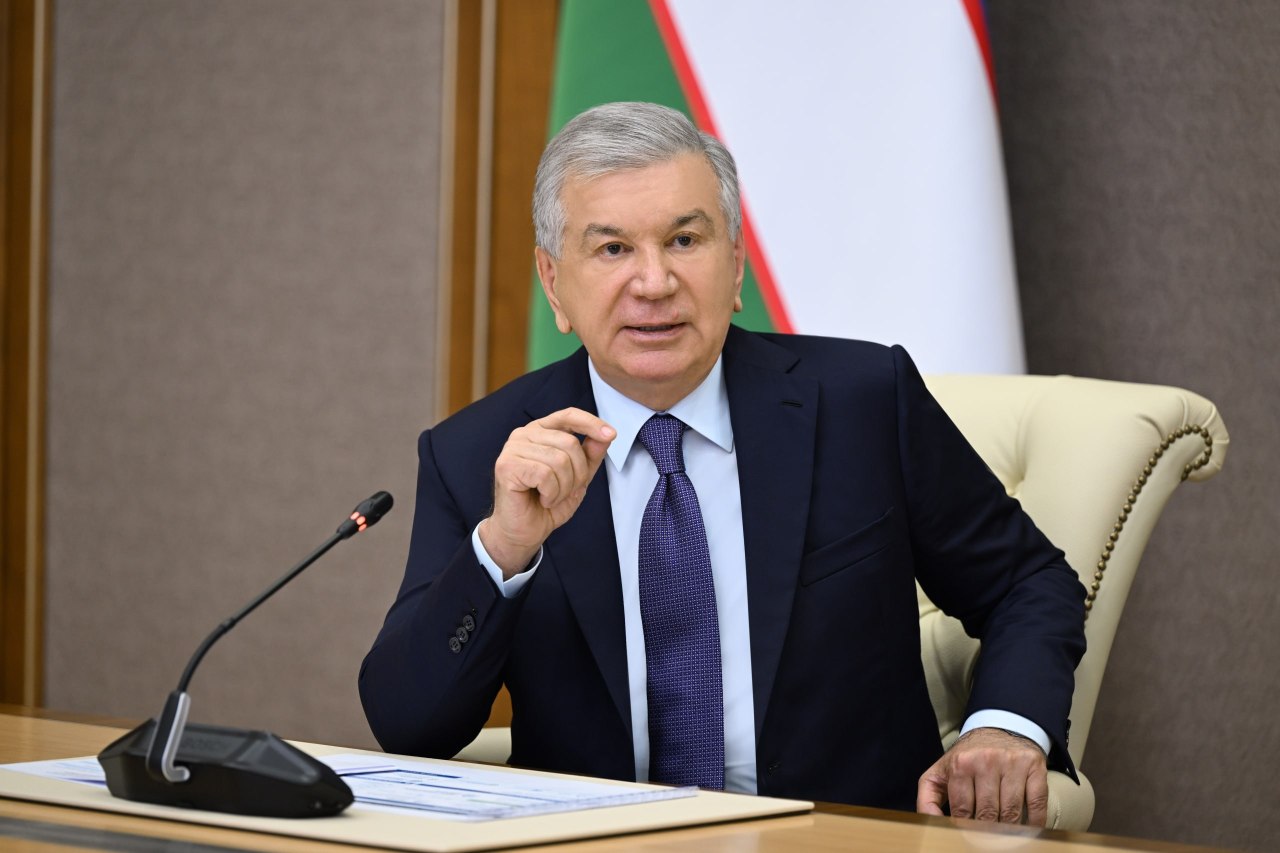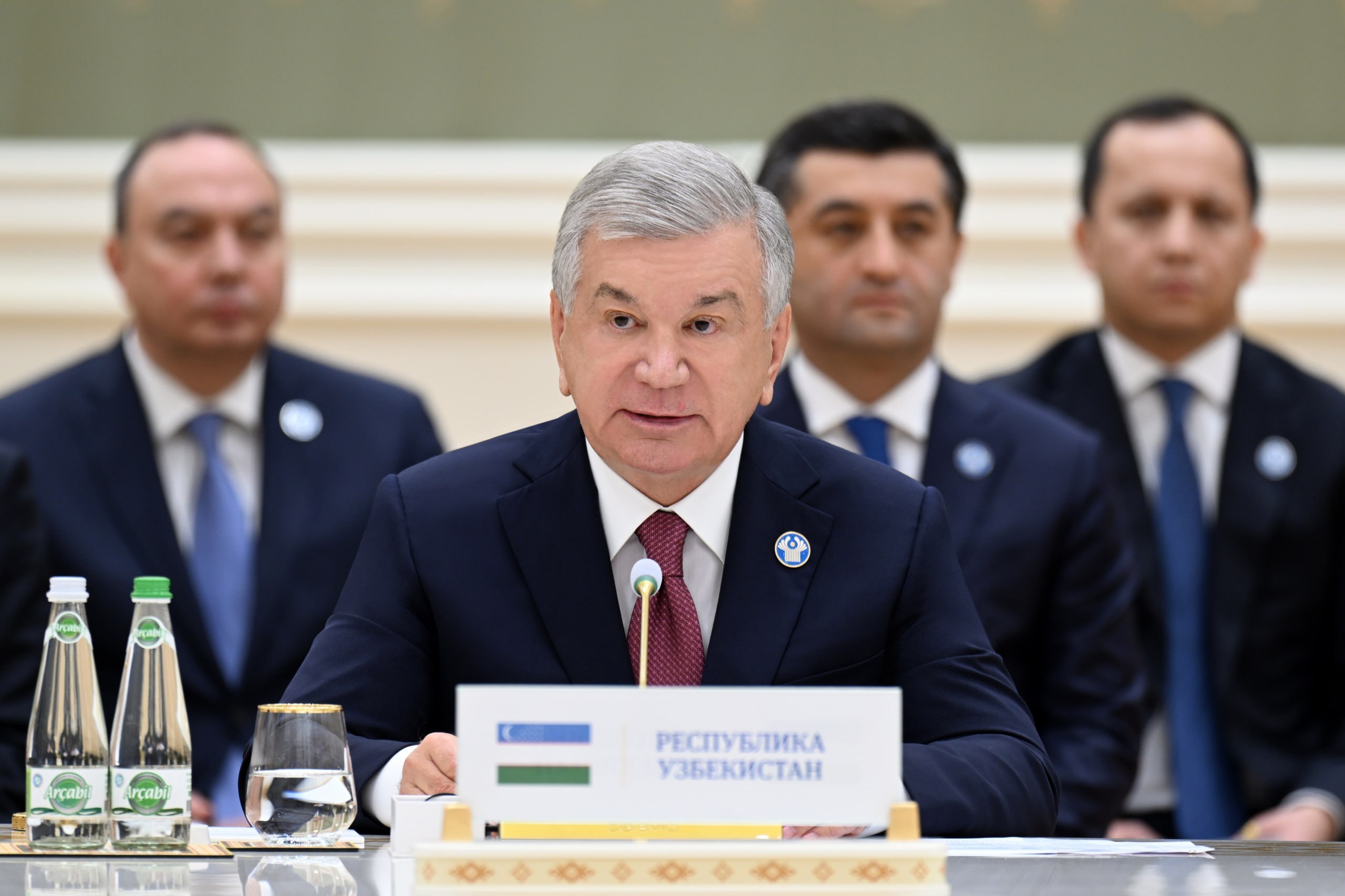

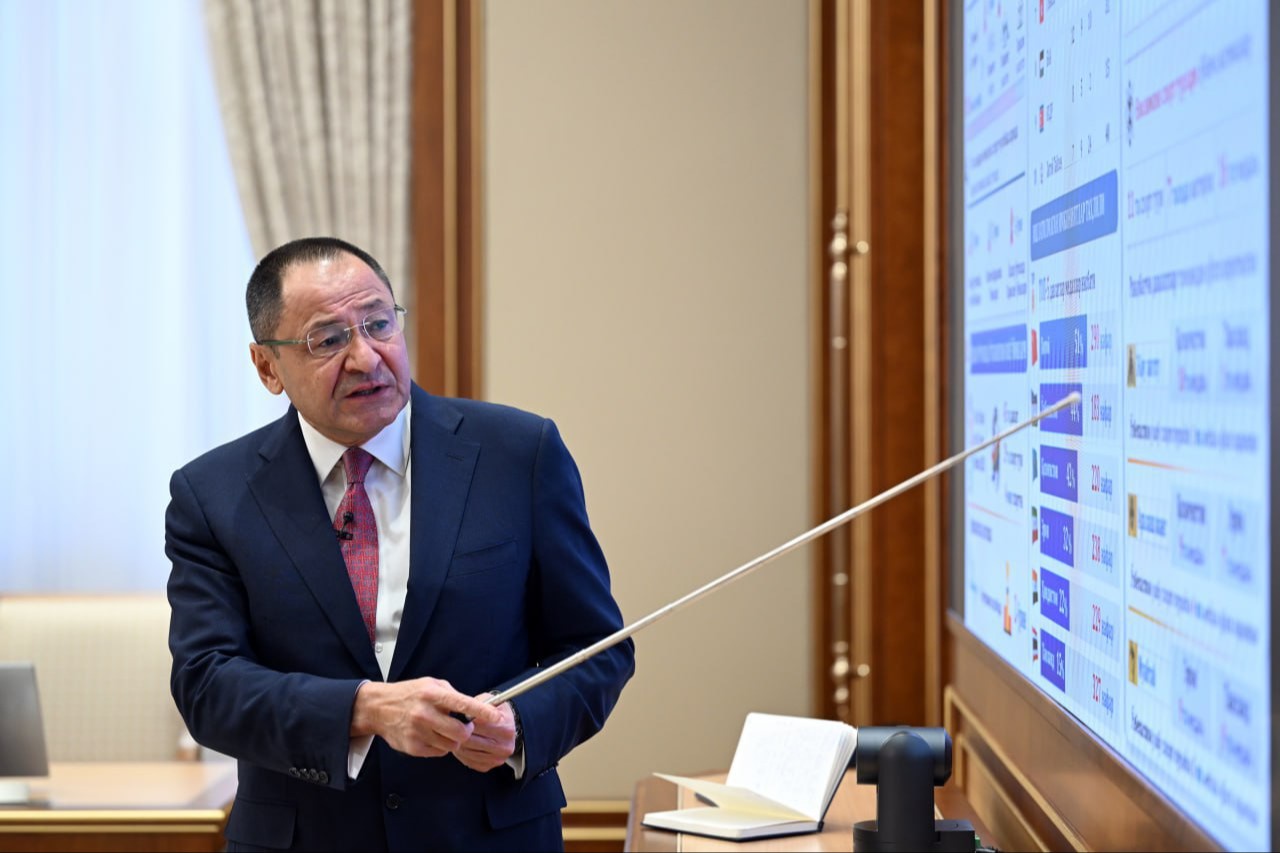
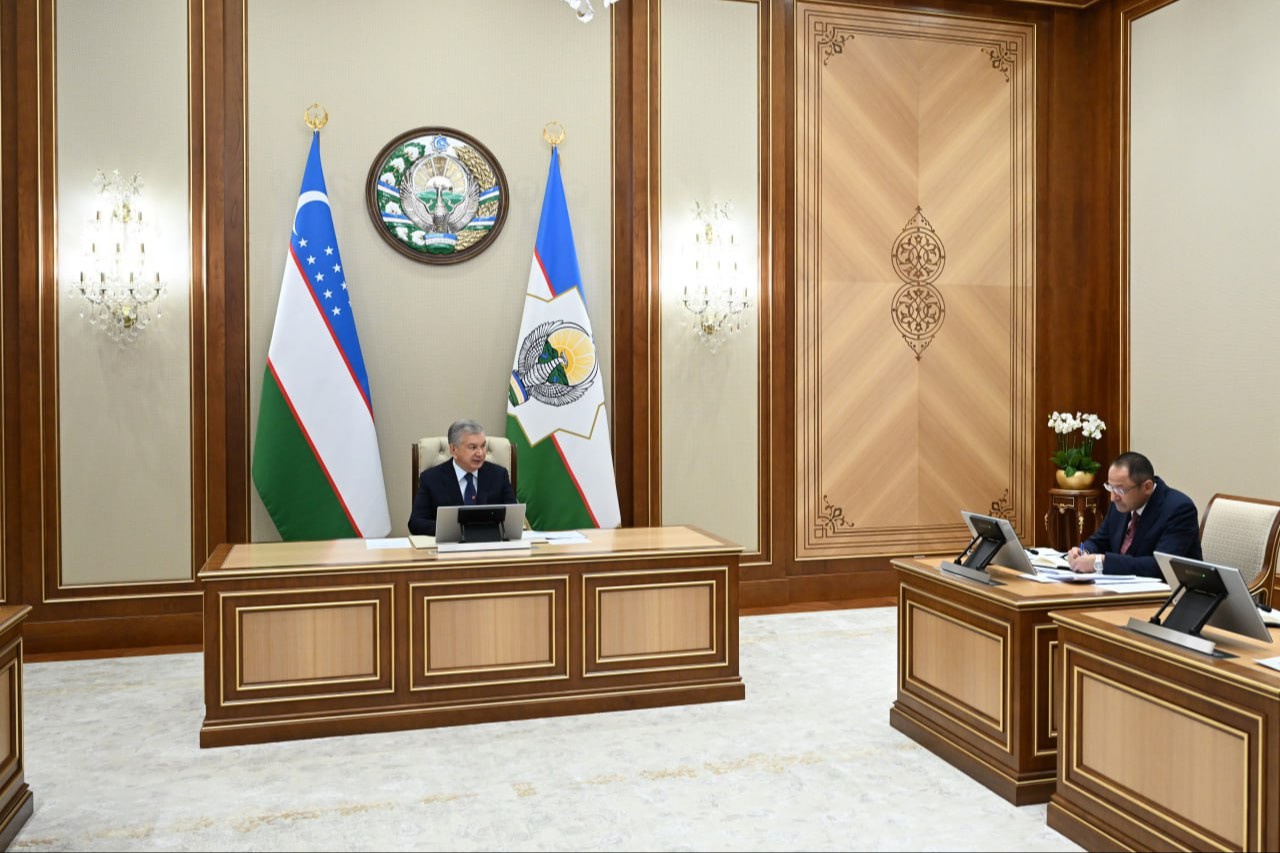
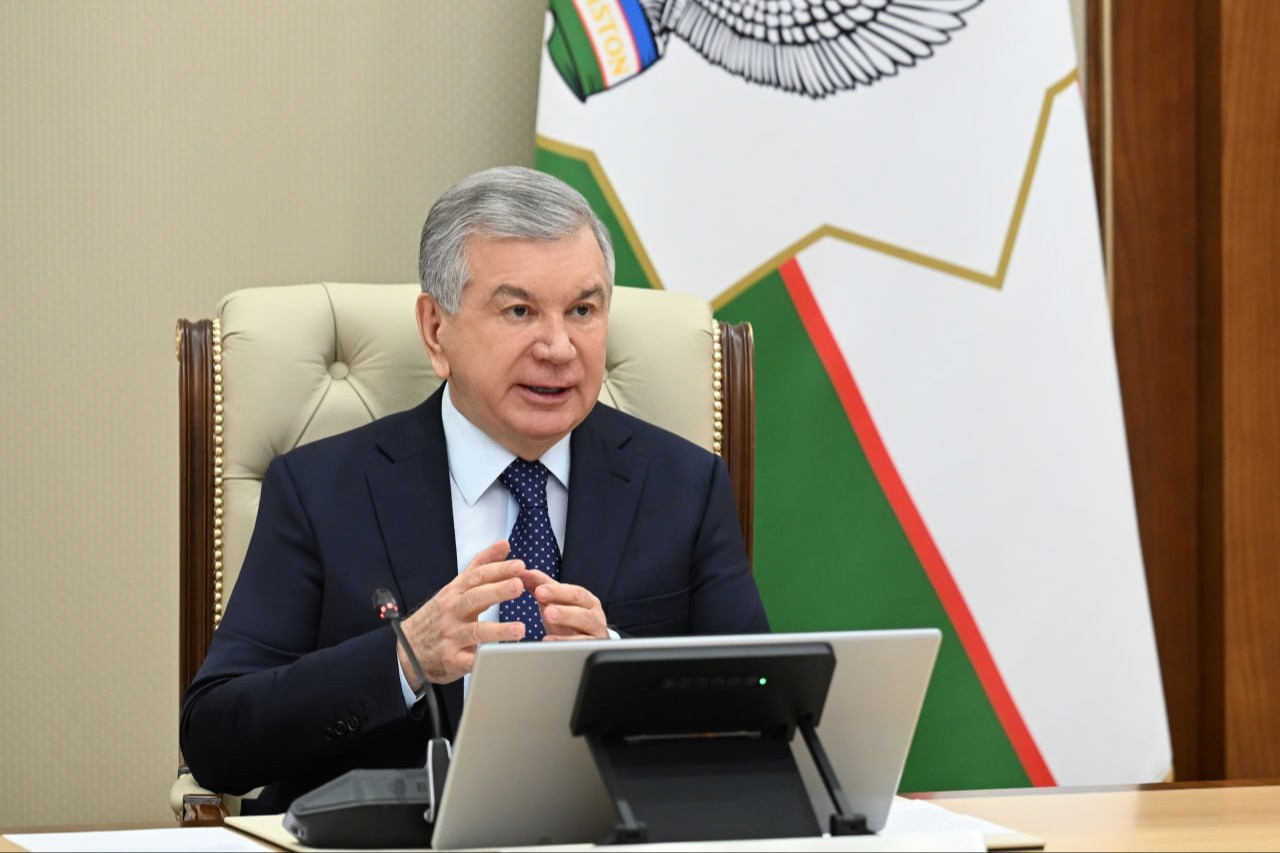
It was noted that the creation of an integrated sports training system has begun to yield practical results. Participation in mass sports has reached 15 million people, while the number of citizens regularly engaged in sports has increased by nearly 1,5 times in recent years.
In 2025, the country’s athletes achieved outstanding results on the international stage. Specifically, the youth national team secured 13th place at the World Universiade, second place at the Youth Games in Bahrain and the Islamic Solidarity Games in Saudi Arabia, and won first place at the Youth Para Asian Games in the UAE.
The national football team has qualified for the World Cup for the first time. Chess player Javokhir Sindarov will participate in the Candidates Tournament for the world chess crown.
At the same time, it was emphasized that there should be no complacency regarding the results achieved. It is necessary to utilize existing opportunities and the conditions created entirely. It was noted that current performance in several sports does not yet fully correspond to the available infrastructure and potential.
In this regard, the task was set to increase mass sports participation to 17 million people in the near future.
To form a worthy reserve for international sports games and the Olympics, the implementation of an open and transparent selection system within the framework of the Presidential Olympics is ongoing.
The first cycle of the competition involved 103,000 athletes, with the final stage featuring over 3,000 athletes across 11 sports competing for 135 gold, 134 silver, and 227 bronze medals.
Instructions were issued to hold competitions twice a year, organize them in the regions for the 13-14 age group, and gradually increase the number of sports to 20.
It was noted that the commissioning of the Olympic Village and the National Football Center has become an essential milestone in the history of national sports. Currently, 17 Olympic sports federations and other sports organizations have relocated to the Olympic Village. It was stressed that these complexes should become a symbol of Uzbek sport and a unified sports cluster.
Special attention was paid to the scientific approach to sports development. It was noted that achieving high results is linked not only to infrastructure and competitions but also to the systematic development of all areas of sports science.
In this context, tasks were outlined for the widespread adoption of modern approaches in sports pharmacology, dietetics, functional and physical training, rehabilitation, and individual workload planning. The need to intensify research and development, implement advanced innovations and the latest research findings into practice, and enhance the exchange of experience through national and international scientific forums and conferences was highlighted.
It was also noted that the private sector and investors should be more widely involved in sports development, and that investment projects in sports infrastructure, training centers, and the sports services market should be supported.
The necessity of ensuring that sports schools reach the mahalla level, strengthening the system for early identification of talented youth, and providing targeted training for them was especially highlighted.
A report was presented on the international sporting events scheduled for Tashkent in January this year.
Particularly, a meeting of the Executive Bureau of World Aquatics, a meeting of the Regional Anti-Doping Organization of Central Asia (RADOCA), an international forum, and the 46th General Assembly of the Olympic Council of Asia are planned.
The Olympic Council of Asia, established in 1982, coordinates the Olympic movement in Asia and unites the national Olympic committees of 45 countries. The General Assembly’s agenda includes defining the main directions of the Olympic movement in Asia and electing the Council’s president.
Representatives from the International Olympic Committee, the Olympic Council of Asia, WADA, heads of international sports federations, and other prestigious sports organizations are expected to attend, in total, over 360 foreign guests.
The Head of State has instructed to ensure thorough preparations to hold these events at a high organizational level.
It was noted that in recent years, Uzbekistan has maintained a strong position in wrestling, both regionally and globally. To further promote this discipline, the creation of a Regional Academy of Combat Sports is planned.
Starting this year, the President’s Cup, the “O’zbekiston Botirlari” tournament, the Prosecutor General’s Cup, and wrestling competitions among military personnel will be held regularly. In 2026, schools being built in the regions will begin training athletes in Greco-Roman, freestyle, and women’s wrestling, alongside the national kurash. By the end of the year, wrestling clubs will be opened in at least one school in every district and city.
The Head of State was also briefed on the Uzbekistan delegation’s participation in the XXV Winter Olympic Games, to be held this year in Italy.
The President of the country instructed the responsible officials to ensure the full and high-quality implementation of the assigned tasks, to promote sports, and to achieve stable results in the international arena.