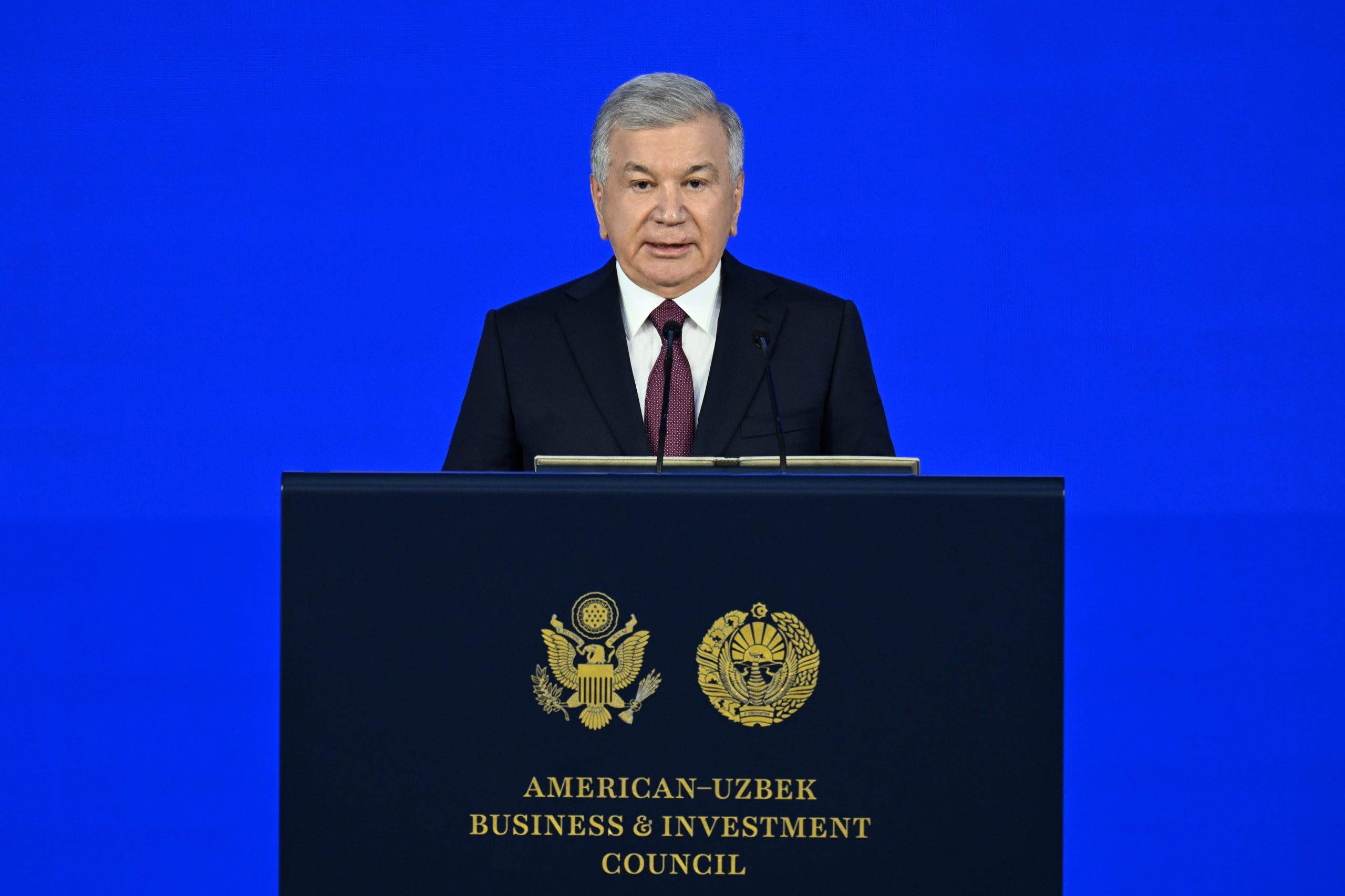

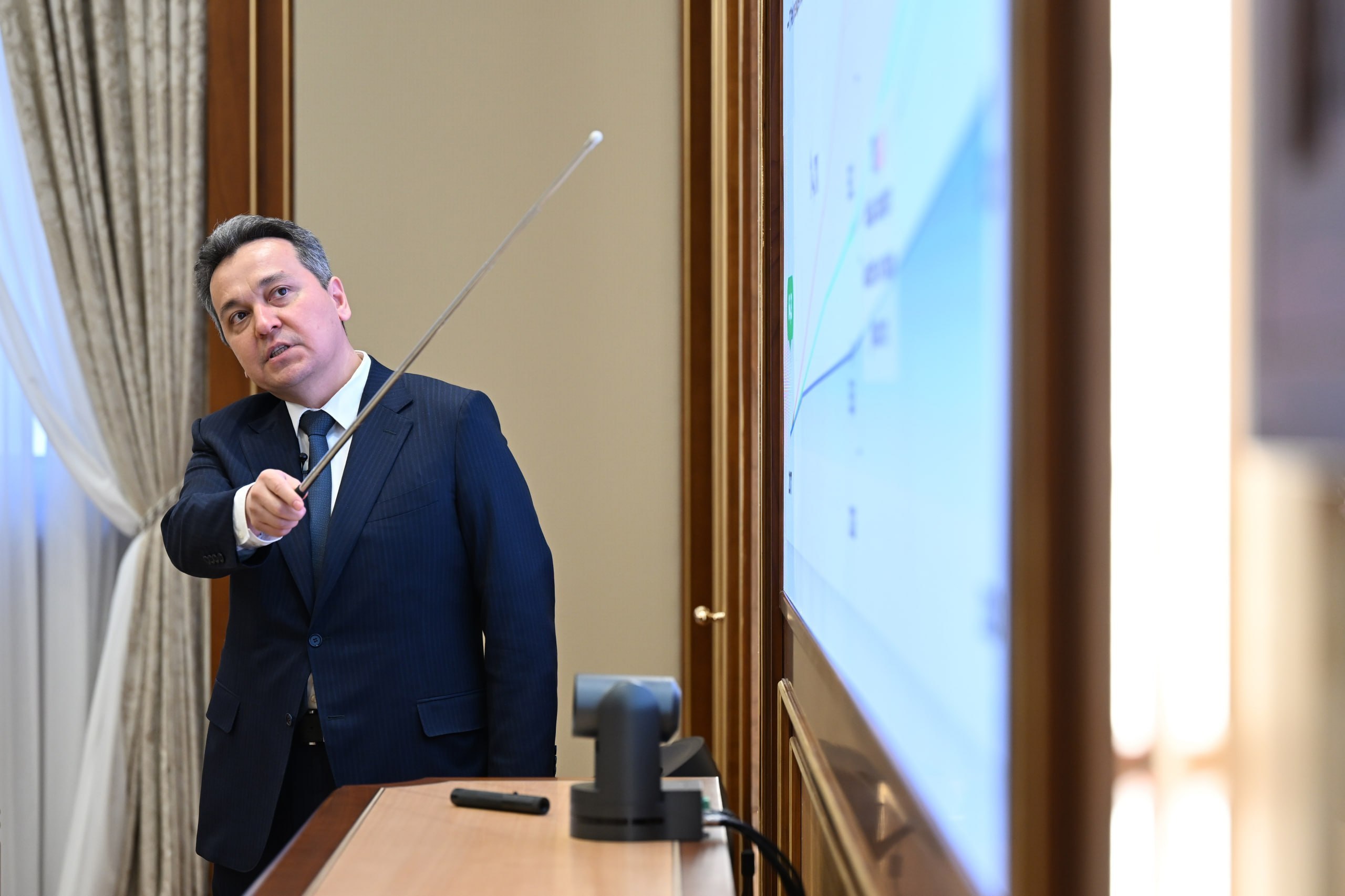
The target of creating 300,000 jobs in the IT sector by 2030 has already been achieved this year. The new goal is to create an additional 500,000 jobs by 2030 by developing new areas of the digital economy.
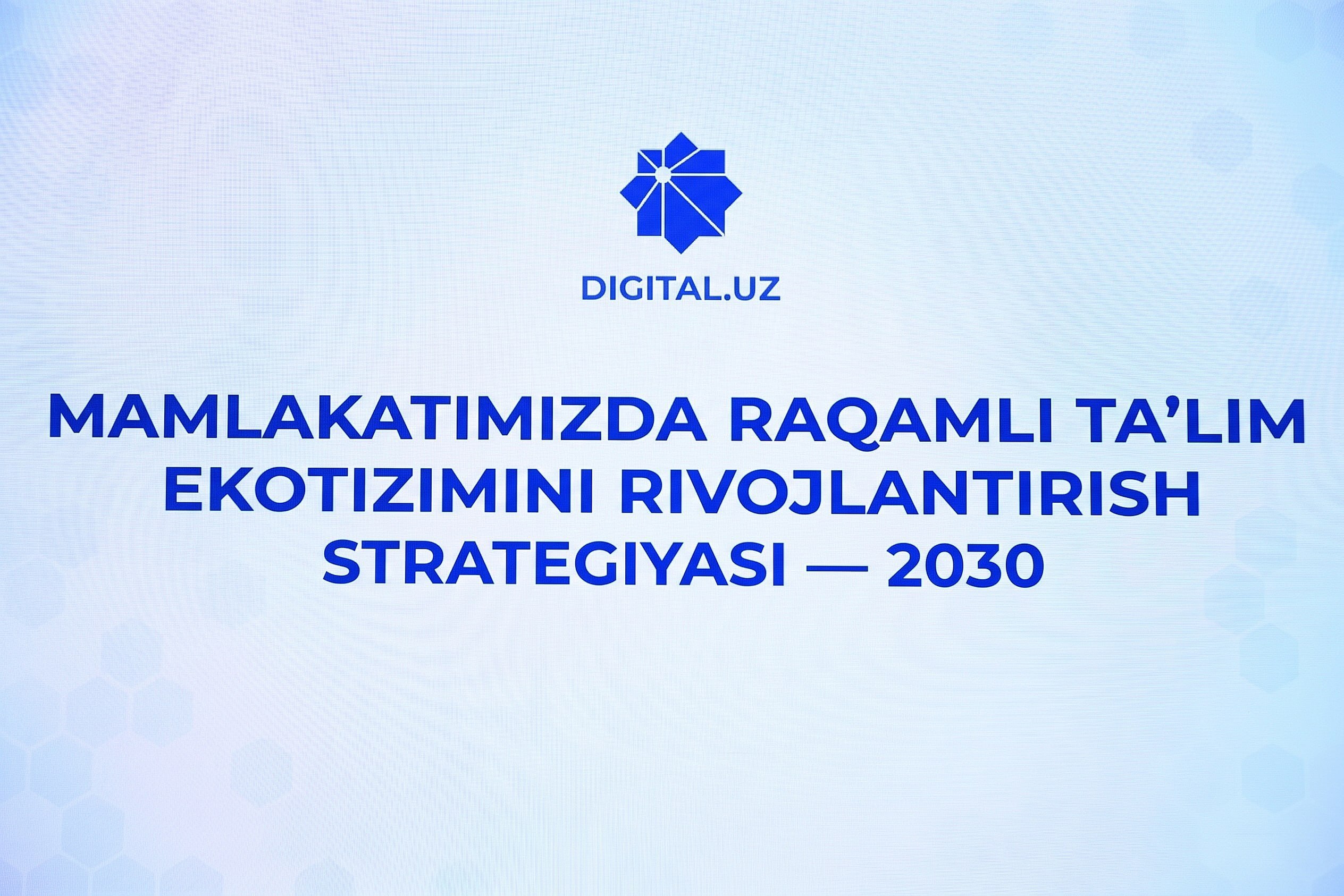
To achieve this, it is necessary to establish an integrated digital education ecosystem that spans all stages, from training young people and certifying their professional skills to securing employment. The presentation outlined approaches to provide 5.5 million young people with education and training through traditional and distance learning formats by 2030.
Plans for schoolchildren include expanding the Al-Khwarizmi’s Heirs and Five Million Artificial Intelligence Leaders projects, as well as combining the capabilities of higher education institutions and private training centers.
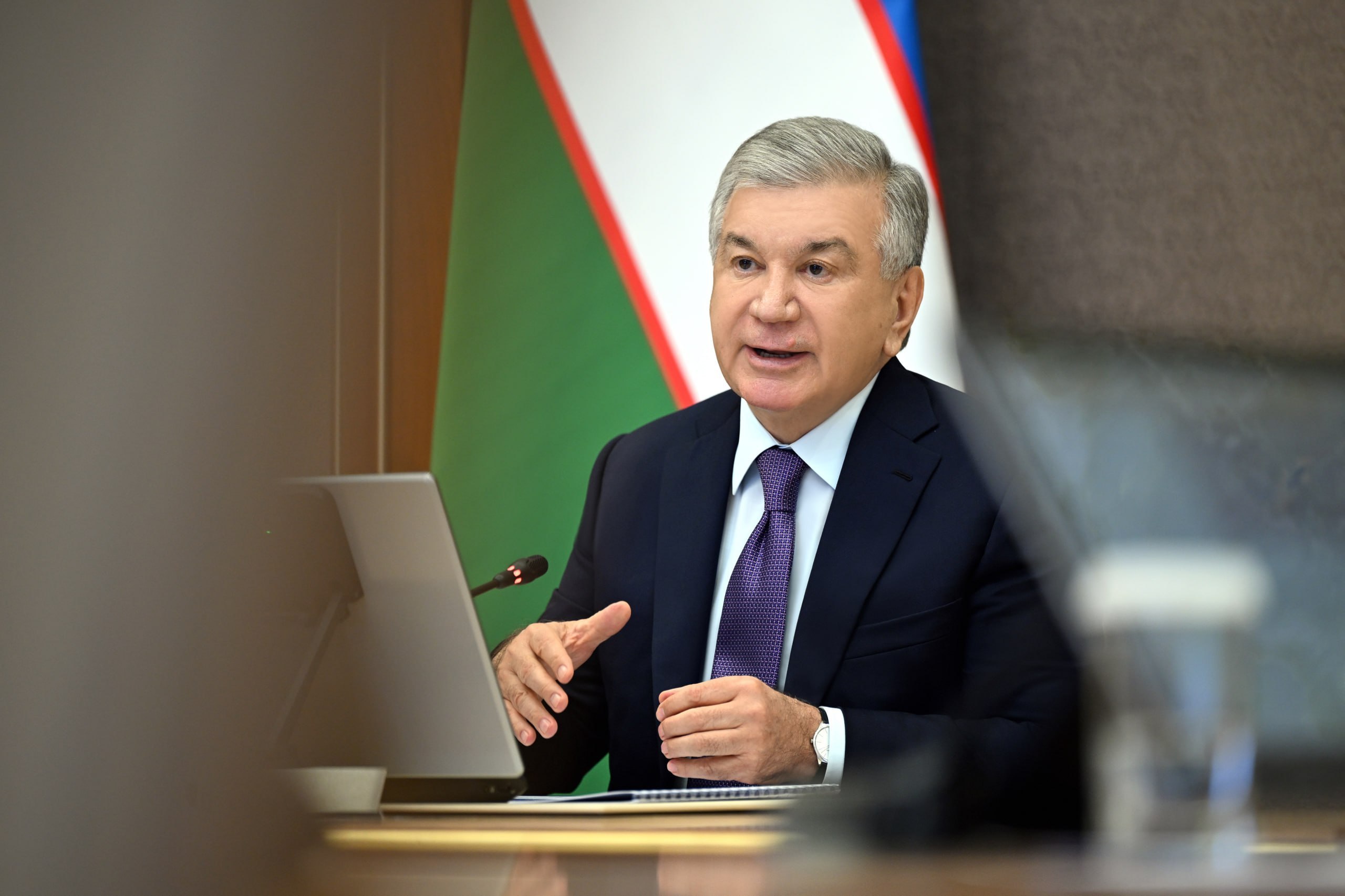
The Head of State instructed that 1 million young people be trained annually in robotics, computer game development, startups, and other promising fields. To achieve this, it is necessary to establish a network of national trainers, accelerate the launch of online platforms and short-term digital skills courses, promote scientific research, and ensure the widespread practical application of its results.
The presentation also highlighted the need to update university training programs in response to technological advances and shifts in the labor market. Proposals included expanding education in artificial intelligence, microchip design, unmanned technologies, computer game development, and other fields, while increasing students’ involvement in practical projects.
Discussions also focused on upgrading the skills of computer science teachers in artificial intelligence, followed by certification, and expanding university students’ access to international educational courses in digital technologies. Proposals to establish iOS developer training centers based on Fergana’s experience and to train mentors for private educational centers were approved.
Particular attention was paid to integrating research and development into the educational process. Specifically, proposals were put forward to train specialists in embedded systems, microelectronics, and the Internet of Things at universities, as well as to support engineering projects and research laboratories.
Plans to develop the Digital Youth platform were also reviewed to help young people apply their acquired knowledge and find employment. The platform will consolidate information on their education, professional skills, language proficiency, and certifications, help match them with suitable job vacancies, and track their employment status.
The need to actively involve global technology companies in digital education was emphasized. Last year, $22 million in grants was attracted for these purposes. A task was set to increase this amount to $60 million by the end of this year and to $100 million by 2030 through systematic cooperation.
It was decided to allocate half of the grant funding attracted this year to digital education, with the remaining half to be directed toward professional development programs, the establishment of digital education centers in remote regions, and their provision with modern equipment for training in artificial intelligence, robotics, and programming.
The President emphasized that, alongside the number of people reached, the quality of education and its impact on employment should become key criteria for assessing digital education development. Responsible officials were instructed to achieve the set goals through specific programs, expand educational opportunities in the regions, and strengthen cooperation with the private sector and international partners.
The presentation also included a report on progress in establishing the operations of the International Digital Technology Center.