
The Advisor
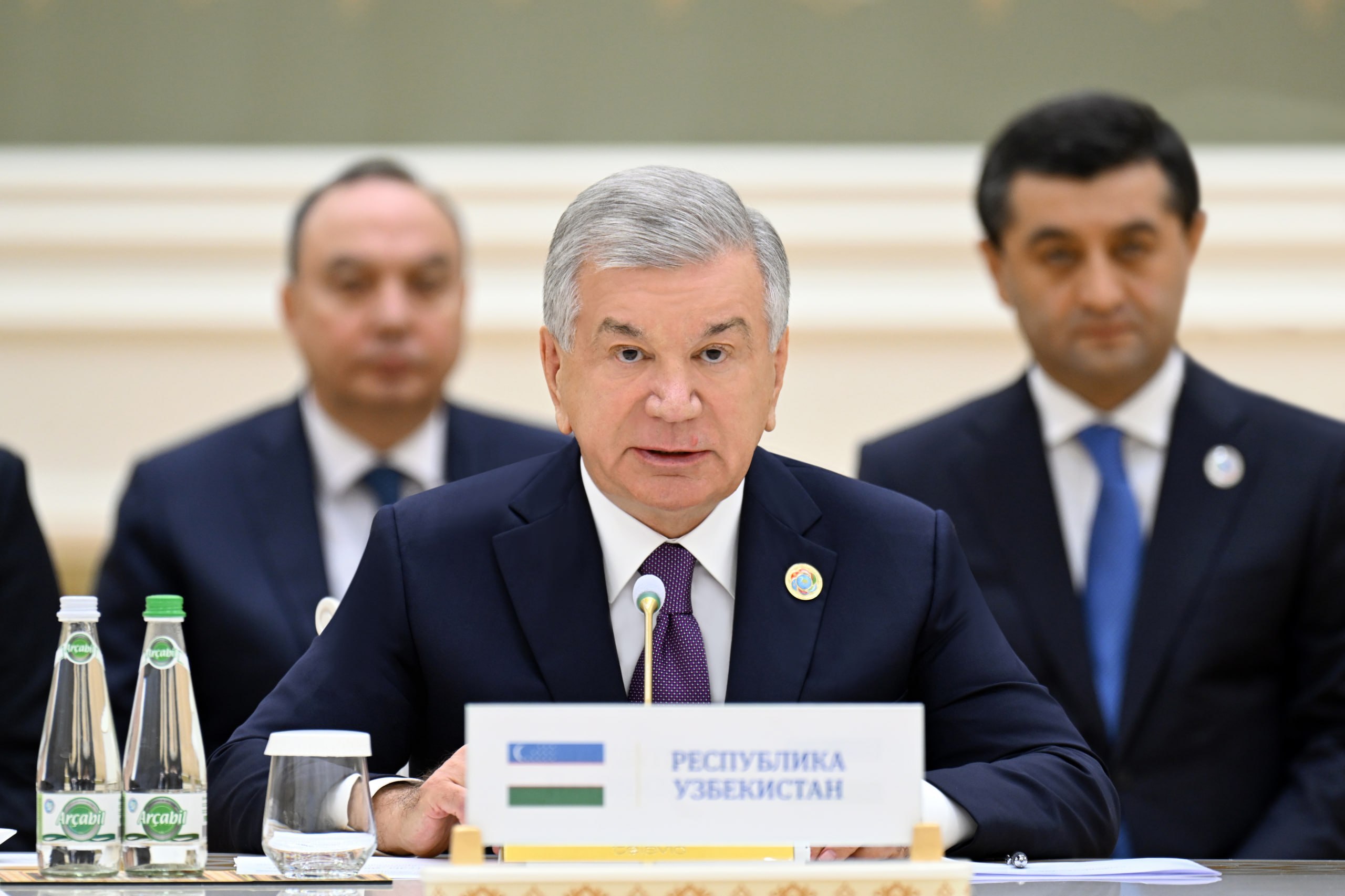
to the President of the Republic of Uzbekistan on Environmental Issues took
part in the discussion. - Chairman of the National Committee on Ecology and
Climate Change Aziz Abdukhakimov, Minister of Ecology and Natural Resources of
the Republic of Kazakhstan Yerlan Nysanbayev, Minister of Ecology and
Environment of the People's Republic of China Huang Rongqiu, Minister of
Environmental Protection of Turkmenistan Ovegeldi Goshzhanov, First Deputy
Minister of Emergency Situations of the Kyrgyz Republic Akylbek Mazaripov,
Deputy Director of the Forestry Agency under the Government of the Republic of
Tajikistan Davlatly Sharifzoda, as well as representatives of international
institutions and academia.
The
speakers presented national strategies for reforestation, adaptation to climate
change and sustainable management of natural resources, highlighting the
contribution of their countries to the formation of the regional initiative
"Green Shield of Central Asia". Key attention was paid to the
creation of a unified system of protective forest belts, green barriers and
cross-border ecological corridors aimed at preventing dust storms, soil
degradation and the further spread of desertification.
In his speech,
Aziz Abdukhakimov stressed that forest restoration and rational management of
natural resources today are not only an environmental task, but also a
strategic priority directly related to the sustainable development and
well-being of the states of the region. He noted that the adoption of the UN
General Assembly Resolution declaring 2027-2036 the Decade for Afforestation
and Reforestation confirms the need to consolidate efforts at the global,
regional and national levels.
A.
Abdukhakimov paid special attention to the problem of the Aral Sea, calling it
the most striking example of environmental disaster and desertification in
Central Asia. It was emphasized that large-scale forest reclamation works have
already been carried out on 2 million hectares of the drained bottom of the
Aral Sea, protective plantings have been created, and cultural and
environmental initiatives are developing, including the creation of a Climate
Change Museum in Nukus. In addition, the Central Asian Regional Research Center
for Combating Desertification and Developing the Desert Economy has been
established on the basis of Green University together with Chinese and
international partners, which will become a platform for the introduction of
innovative technologies and the promotion of the "Chinese technologies +
Central Asian practical solutions" model.
During the
session, the participants discussed the concept of the regional system
"Green Shield of Central Asia (2026-2035)", mechanisms of interstate
cooperation, exchange of best practices in land restoration and prospects for
the implementation of joint cross-border investment programs. It was emphasized
that this initiative should become a long-term platform for strengthening the
environmental security of the entire region.
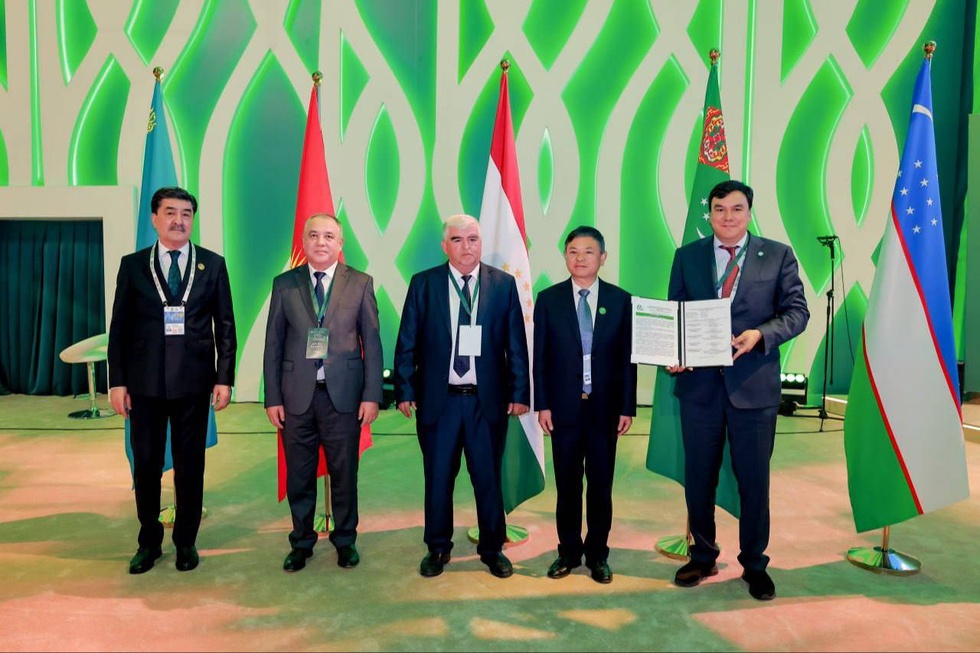
As a result
of the event, the Resolution "Green Shield of Central Asia" was
signed, which consolidated the political will of the countries of the region to
join forces in creating a large-scale system of green barriers aimed at
increasing climate resilience, restoring degraded lands and shaping an
environmentally sound future for Central Asia.