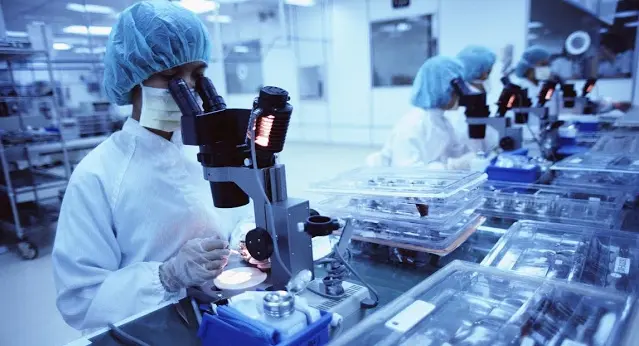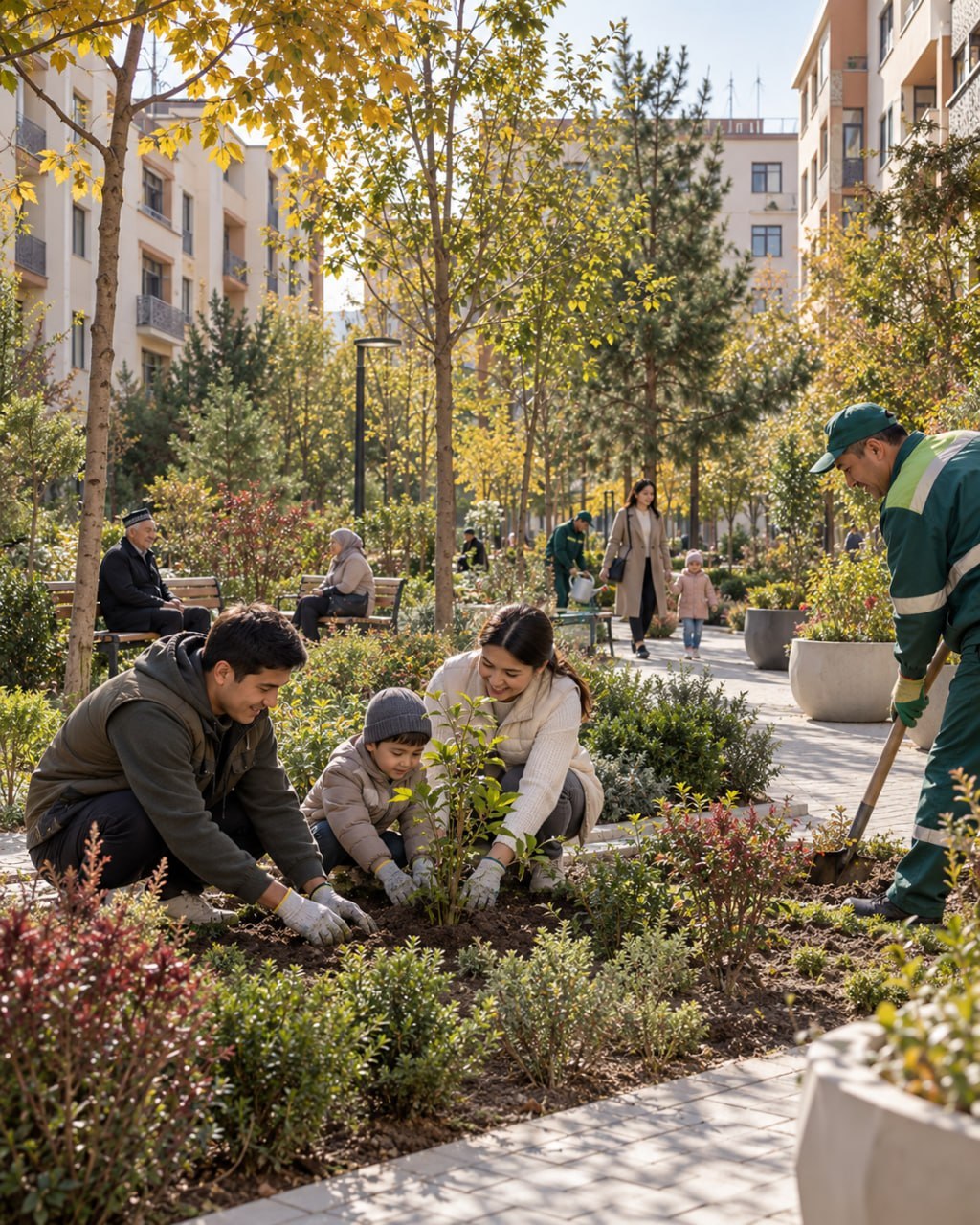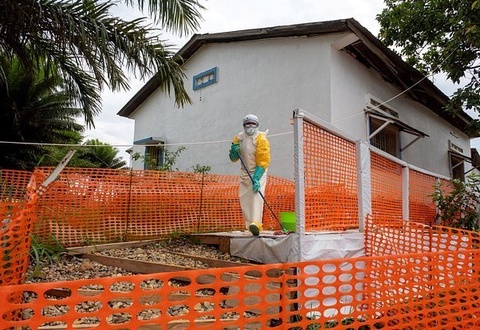

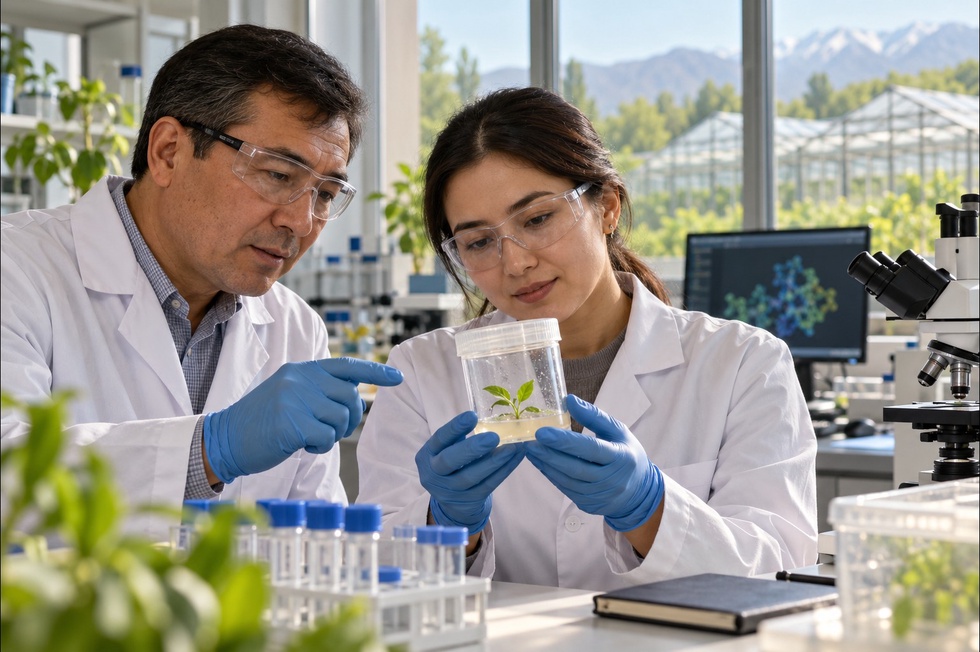
A scientific idea born in a laboratory may become tomorrow’s medicine, seed, biological product, or food production method. As it enters people’s lives, a scientist’s achievement carries a growing responsibility to society. A recent report by UNESCO’s International Bioethics Committee examines this connection through the ethical issues surrounding synthetic biology research, development, and application. It calls for considering opportunities in medicine, agriculture, food, climate, and the bioeconomy alongside safety, fairness, transparency, and responsibility to people and nature.
Science is changing rapidly. Work that seemed like science fiction only yesterday is becoming a laboratory experiment, then moving into industry, medicine, and agriculture. Artificial intelligence analyzes text and large datasets, drones monitor fields, robots take part in manufacturing, and genome analysis helps identify diseases and crop varieties. These capabilities now extend to engineering living systems and deliberately changing their functions.
This meeting of biology and engineering is known as synthetic biology.
From reading the language of life to giving it new functions
The term may sound complex at first. Its tools include genes, DNA, computer models, robotic equipment, and genome editing. Put simply, synthetic biology seeks to give a living system a new function, or change an existing one, by learning to read and understand the language of life. Knowledge and responsibility must advance together.
If DNA is a book, genes are its words, and the cell is the living system that works with that information. Biology studies what the book means. Synthetic biology is opening ways to revise some of its “sentences” or add a new one that performs a different task. UNESCO’s report likewise describes the field as designing new biological pathways, organisms, and systems, and redesigning existing natural systems. The analogy helps explain the basic idea, but living systems are complex, and every solution requires careful testing.
The possibilities are broad. They include producing medicines and next-generation vaccines through microorganisms, rapidly detecting diseases, improving soil microbiomes, developing biofertilizers, and developing crops that tolerate water scarcity. Research to reduce plastic pollution and produce biofuels, chemicals, and biomaterials falls within the same range of opportunities. The report highlights their significance for medicine, global food production, the environment, and climate.
In agriculture, farmers’ needs make these possibilities more tangible. Work on biological products that help plants in saline soil, microorganisms that improve nitrogen uptake, or more nutritious foods connects the field to the family table. Biosensors that detect pests and pollution early, and genetic markers that help track harmful contamination along product supply chains, are also important areas of work. They may improve water and fertilizer efficiency, product quality, and food safety. Their effectiveness and safety must be assessed in practice under local conditions.
Such powerful possibilities place a substantial responsibility on the people who develop and use them.
That is why UNESCO’s report is timely. It offers an ethical foundation for developing synthetic biology safely, fairly, openly, and in the public interest. As science advances, it must also be clear who will benefit, who will assess potential risks, and who will be accountable for decisions. As scientists, we need to consider human dignity, nature, and future generations from the beginning of our research.
An everyday example from road traffic helps explain this. Road markings, traffic lights, and speed limits help people reach their destination safely. A powerful biological technology needs clear ethical standards just as a fast-moving vehicle needs order on the road. UNESCO’s report aims to clarify the responsibilities of researchers, institutions, and companies, and to direct scientific results toward the interests of people and nature.
The report’s main ideas need to be read through these connections to everyday life. They concern government agencies, universities, research institutes, businesses, journalists, the public, and scientists. The consequences of a decision made in a laboratory do not stop at its walls.
How scientific decisions affect people and nature
Every project should begin by considering expected benefits and potential harm together. A development may treat disease, increase yields, or reduce pollution. Its effects on human health, animals, plants, soil, water, and biodiversity also need study. Responsible research keeps these considerations together. Good intentions alone are not enough; safety evidence is also necessary.
This requirement leads to the precautionary principle. Potential harms and effects that are not yet fully understood need to be investigated in advance, particularly before releasing a living organism into the environment or beginning a field trial. Testing should proceed in stages, with each next step grounded in the results of the previous one. Researchers and the responsible institutions must provide safety evidence and justify their oversight and monitoring measures.
Time takes on a different significance when we work with living systems. Some effects may persist for years or be difficult to reverse. A laboratory decision today may affect tomorrow’s environment, farmers, and children. Long-term environmental monitoring, staged testing, and consideration of future generations must therefore be integral to scientific work.
Fair access to benefits is part of the same responsibility. New seeds, biological products, diagnostics, and treatments need to reach developing countries, small farms, and people in remote communities. Prices, licenses, and intellectual property terms help determine that access. The report highlights open licensing, patent-sharing mechanisms, fair benefit-sharing, and community interests when local genetic resources are used. People's ability to use knowledge also measures its social value.
Nature’s value must be part of that assessment. Soil, water, microorganisms, insects, plants, animals, seas, and forests form an interconnected living system. A change in one part may affect others. Planetary sustainability means weighing a technology’s benefits to people against ecosystem health. This perspective helps us better assess the long-term value of a biological solution.
Public trust in these decisions grows through open dialogue. People need to understand what a technology does, its expected benefits, its known risks, and the uncertainties that remain. The organizations responsible for oversight and the way decisions are made should also be transparent. UNESCO’s report emphasizes project registration, clear explanations of risks and benefits, transparent decision-making, and plain-language communication with the public. Trust needs information that people can understand and verify.
Accountability strengthens transparency. Scientists, institutions, companies, and funders should know their roles and responsibilities from the start of a project. That arrangement includes measures to reduce foreseeable risks, independent ethical review, disclosure of conflicts of interest, and responsible publication of results. Alongside credit for a scientific contribution, researchers must also accept responsibility for its consequences.
This is where people affected by a technology begin to participate. When a field trial takes place on a farmer’s land, a biological product affects the local environment, or a project uses a community’s genetic resources, those people’s knowledge, needs, and concerns should shape the project from its earliest stages. They need a seat at the decision-making table and the ability to represent their interests. Their participation also helps assess whether a solution will work in real life.
Responsibility beyond the laboratory
Biosafety measures need to match the organism and the project. Assessments should consider the likelihood that an engineered organism could reproduce, spread, mutate, exchange genetic material, or compete with natural species. Where relevant, investigate risks to health and ecosystems, including allergies, antibiotic resistance, pathogenicity, and toxicity. Environmental release plans should include measures to limit spread, address potential harm, arrange recalls where necessary, monitor subsequent environmental effects, and notify neighboring areas. A culture of biosafety makes these requirements part of everyday work.
Some knowledge can support treatment and protection, yet it can also be turned to harmful purposes if misused. This concern drives dual-use research. Work involving pathogens, gain-of-function research intended to enhance certain characteristics, and information that could be diverted to harmful ends require oversight and ethical review suited to the project. Scientific cooperation must be accompanied by risk awareness and a responsibility to reduce it.
Artificial intelligence adds another layer of responsibility. It helps scientists predict protein structures, design genetic constructs, and analyze large datasets. It accelerates the Design–Build–Test–Learn cycle. Yet an algorithm’s reasoning is not always fully understandable. Biological designs generated by AI must therefore be checked, and people and institutions must remain responsible for the final decision. The report calls for assessing efficiency alongside human dignity, safety, and ecological integrity.
As laboratories become more digital, cyberbiosecurity becomes an everyday necessity. Equipment is connected to the internet, genetic data are stored on servers, and DNA synthesis orders may be placed online. These connections also create risks of data theft, unauthorized access, and tampering with biological designs. Laboratory safety therefore extends beyond sterile conditions, coats, and gloves to protecting digital infrastructure. Cooperation between biologists and information security specialists becomes essential here.
The report recommends particular caution in certain areas. For example, it proposes a global moratorium on “mirror cells,” hypothetical cells whose molecules have three-dimensional structures that mirror their natural counterparts. The proposal reflects substantial uncertainty about how they interact with immune systems, enzymes, and ecosystems. The report also stresses the need for careful governance of organisms released into the environment and high-risk dual-use projects. In these areas, the pace of work should match our ability to understand and control the risks.
This responsibility extends across national borders. A biological development in one country may affect a neighbor’s ecosystems, food chains, or security. The report therefore proposes international monitoring and coordinating bodies, a central project registry, international ethical review, professional codes, education programs, and stronger cooperation between developed and developing countries. As scientific capabilities grow, shared knowledge and mutual trust are also needed to govern them responsibly.
Taken together, these recommendations reveal the report’s broader purpose: to allow scientific research to continue with the interests of people and nature in view. Returning to the road traffic analogy, speed matters alongside direction, awareness of conditions, and the safety of others. In science, ethical standards, reliable oversight, and the responsibility of the decision-maker work together to serve these purposes.
Ethical review and safety assessments take time and resources. Scientists and entrepreneurs need to account for that in their plans. Clear criteria, understandable procedures, and well-founded decisions also allow researchers to plan their work with greater confidence. Such an environment helps a technology earn public trust and find a lasting place in practice. This is also where following rules and scientific creativity meet.
From UNESCO’s recommendations to scientific culture
As a biologist, I see UNESCO’s report as an important and timely call. Under our President’s leadership, we are building a New Uzbekistan grounded in human dignity. We should also consider how to embed these recommendations in the daily work of people and institutions. To that end, we propose applying HECI alongside the report’s recommendations. I recently presented this proposal to the international community in an article published in the Biosafety and Biosecurity section of Frontiers in Bioengineering and Biotechnology.
At the center of the proposal is the person who creates and uses technology. Alongside technical knowledge, that person needs to develop values, judgment, and the ability to anticipate the consequences of their work. The idea of “market-oriented agriculture infused with humanity,” which we are advancing through Uzbekistan’s agricultural reforms, follows the same logic. Through STEM+HECI, we propose developing modern knowledge alongside concern for people and a sense of responsibility.
HECI stands for Humanity, Ethics, Creativity, and Imagination. It seeks to enrich STEM education in science, technology, engineering, and mathematics with humanity and the capacity for responsible judgment. We first proposed applying it to agricultural education and innovation. In agriculture, technology must serve human health, water, soil, small-scale growers, farmers, families, and future generations, not just harvests. The same logic applies to synthetic biology, artificial intelligence, genomics, medicine, the digital economy, energy, and environmental work. STEM helps people master the tools, while HECI helps shape the purpose and responsibility of those who use them.
UNESCO’s recommendations provide an ethical foundation for safety, fairness, and public participation. HECI seeks to embed those principles in researchers’ professional habits and institutional culture. Humanity encourages attention to the interests of people and nature affected by a technology. Ethics calls for accountability for the consequences of decisions. Creativity helps us seek safer, fairer, and more accessible solutions. Imagination prompts us to consider how today’s development may affect the world in ten, twenty, or fifty years. These capacities help turn compliance with rules into a conscious professional commitment.
HECI should therefore be applied alongside legislation, independent ethical review, and biosafety oversight. Turning safety requirements into practical, affordable procedures farmers can understand, while maintaining those standards, requires creativity. Teaching those procedures to a young scientist, explaining a solution to a local community in plain language, and listening to people also require particular abilities. Recommendations become part of life through this everyday knowledge, dialogue, and decision-making.
Fair benefit-sharing also needs practical solutions. Projects should consider access for developing countries, small farms, rural women, young researchers, and local communities from the earliest stage. HECI encourages those with scientific knowledge to seek approaches that respond to these needs. Imagining the future helps us consider tomorrow’s children, farmers, and environment in today’s decisions. By creative responsibility, we mean the ability to understand a problem and find a better, safer, and more humane solution.
Developing knowledge and responsibility together in Uzbekistan
Uzbekistan has a scientific foundation on which to build this approach. Our knowledge and experience in genomics, biotechnology, seed production, microbiology, veterinary medicine, food technology, and pharmaceuticals create opportunities for young scientists. Cooperation among biologists, geneticists, biotechnologists, agronomists, physicians, and engineers expands those opportunities. Professional training must now develop alongside modern bioethics, biosafety, AI literacy, and HECI. Scientific capability benefits society through people who can use it responsibly.
A young researcher entering a laboratory today needs to consider a new biological construct’s safety, social value, potential users, and environmental effects alongside its creation. Professional training also includes assessing the likelihood and consequences of misuse and explaining results in language ordinary people can understand. Responsibility then becomes a daily scientific habit, rather than a requirement remembered after an experiment is over.
The head of a research institute must look beyond publication counts and ensure projects undergo ethical review, meet biosafety requirements, and have AI-assisted designs checked. Preparing young researchers to understand dual-use risks and protecting local communities' interests are also leadership responsibilities. An institution’s working culture takes shape through consistent attention to these requirements.
Government agencies need to ensure that legislation, oversight, and national bioethics bodies are ready as technology is introduced. That work should include open data and registries, intellectual property policy, and fair access to technology across regions. When procedures are understandable to researchers, entrepreneurs, and the public, scientific solutions can enter practice more responsibly.
Journalists are important participants in this chain. They need to communicate scientific advances clearly and accurately, distinguishing evidence from promises and existing capabilities from speculation. Excessive fear and unfounded hope both damage public trust. Accurate information about synthetic biology helps people form informed views, making open dialogue part of scientific responsibility.
In this sense, UNESCO’s report encourages a broader view of our scientific community’s preparedness. Alongside modern equipment, we need to develop education, ethics, law, public communication, biosafety, cybersecurity, intellectual property systems, and international cooperation. Addressing these tasks together creates an environment in which new knowledge can be used responsibly.
New Uzbekistan, guided by our President’s principle of human dignity, can contribute its experience to this effort. We have advanced STEM+HECI in connection with agricultural education, innovation that serves farmers, gender equality, and responsibility for water and soil. The same logic can now be developed in the age of synthetic biology and artificial intelligence. Its value lies in helping people’s knowledge and values grow alongside technology.
This approach could help young scientists develop a culture of responsible research and strengthen ethical review and biosafety in institutions. Technology would become more understandable to the public, while scientific progress would be connected with national interests, public trust, and international responsibility. Uzbekistan could thereby contribute to a culture of responsible innovation. That ambition needs to take visible form in education and the daily practices of institutions.
At a modern university, for example, a biology student would study bioethics alongside genome analysis. An engineer would learn to assess a device’s societal effects. An agronomist would consider soil, water, human health, and farmers’ interests together. A physician would protect patients’ dignity and data privacy, while an entrepreneur would learn to align market opportunities with the public interest. Technical knowledge enriched by these capacities supports better professional judgment.
In the laboratory, safety protocols should become routine, and scientists should consider the purpose and potential effects of their work before beginning an experiment. Young researchers would learn to produce results responsibly as they prepare their work for publication. People would check AI-assisted designs, with humans remaining responsible for the final ethical decision. These habits show the value of scientific culture.
The same connection holds in agriculture. Biotechnology, genomics, sensors, drones, artificial intelligence, and water-saving solutions should help farmers make everyday decisions. Their shared purpose is to support human health, farmers’ well-being, healthy soils, water conservation, and food security. These results reveal the value of every innovation in the field.
Science and our responsibility to the future
Returning to the road traffic analogy, UNESCO’s report provides ethical guidance for synthetic biology. HECI focuses on developing the knowledge, values, creativity, and imagination of the people making decisions along that road. As AI, genomics, and automation expand our capabilities, informed human choice becomes increasingly important. STEM builds technical capability; HECI strengthens the ability to use it responsibly. Both need to work together in education and institutional practice.
Synthetic biology could make substantial contributions to medicine, food, agriculture, climate adaptation, and the bioeconomy. These opportunities need to develop alongside safety, fairness, transparency, public trust, and respect for nature. When careful testing and accountability match the pace of science, technology can earn a dependable place in society. Its practical value is evident in human health, farmers’ well-being, and the possibilities it preserves for the future.
As a country open to science and innovation, New Uzbekistan needs to make effective use of biotechnology, digitalization, artificial intelligence, agricultural innovation, education, and the bioeconomy. Along that path, we must also strengthen respect for human dignity, ethical responsibility, creative problem-solving, and the ability to imagine the future. This is the purpose of our proposal to bring UNESCO’s recommendations and the HECI approach into practice together.
Science opens new paths for people. Ethics helps us consider the consequences of decisions, creativity helps solve complex problems, and imagination helps us understand the future we are building. A scientific achievement’s value also depends on the difference it makes for people, society, nature, and future generations. By upholding that responsibility, we can ensure that knowledge and innovation serve progress.
Science that has the power to change life must, above all, respect life.
Ibrokhim Abdurakhmonov,
Minister of Agriculture of the Republic of Uzbekistan, Academician