
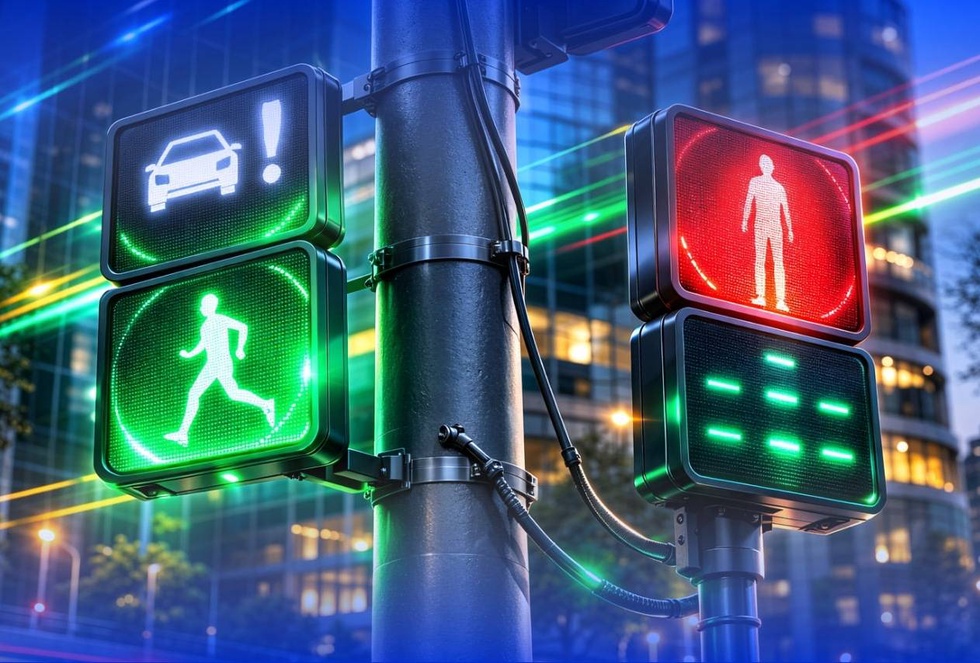
The new technology is expected to reduce congestion, speed up public transport and improve the efficiency of the entire urban transport system.
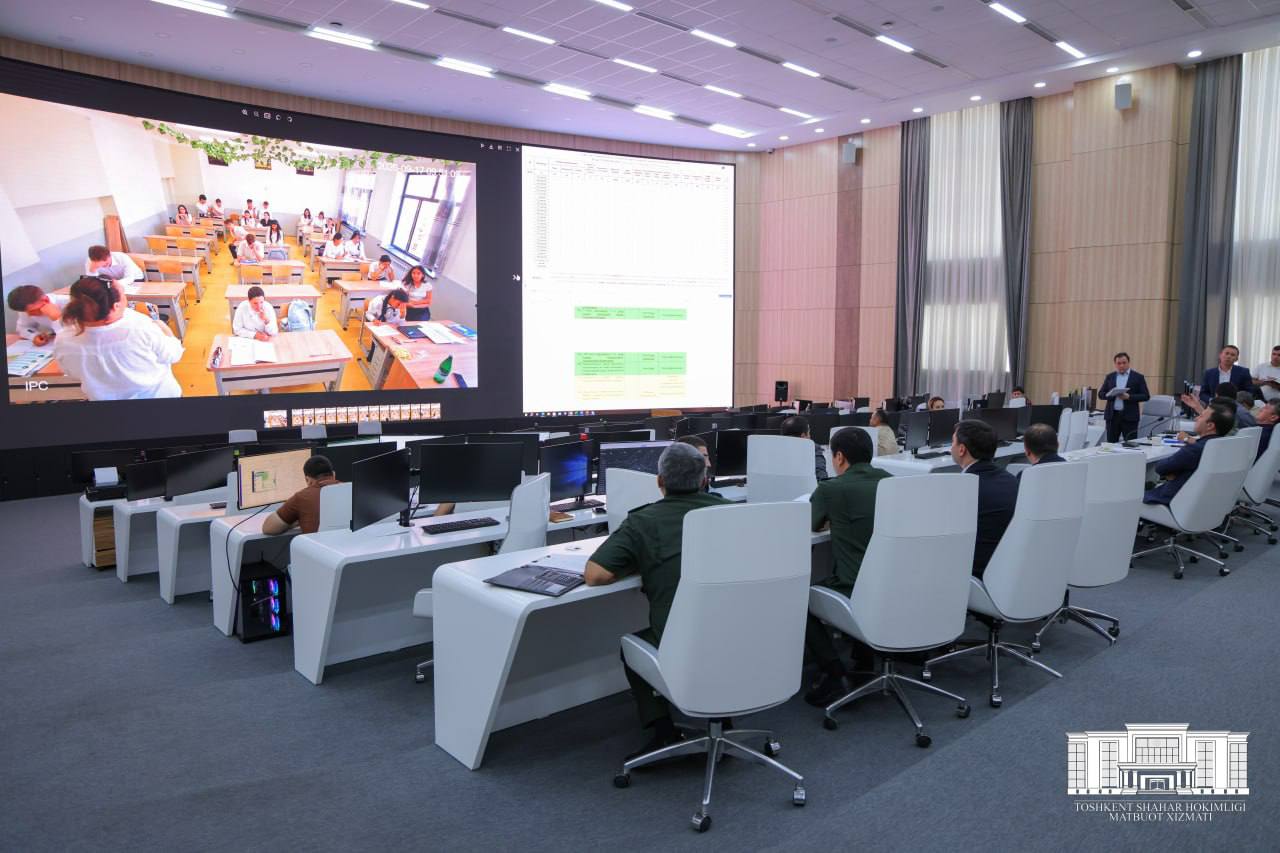
The system integrates key intersections of the capital into a single digital network. Cameras and sensors record the intensity of traffic - the number of cars, the density of the flow and the speed. This data is sent to the analytical center, where algorithms calculate the optimal operating modes of traffic lights.
Unlike traditional traffic lights that operate on a fixed schedule, the new system adapts to the current traffic situation. For example, when a traffic jam forms on one of the streets, the green light time automatically increases, which helps to relieve the flow of traffic faster.
According to the Traffic Management Center, 125 key intersections have already been connected to the system, and by the end of 2026 their number is planned to increase to 545. There are about a thousand traffic light nodes in the city.
A separate element of the project will be a priority for public transport. The system will use GPS data from buses and extend the green signal when they approach intersections. This approach is already used in many large cities and allows you to increase the speed and regularity of traffic.
The intelligent system is part of a large-scale urban infrastructure modernization program. It includes the creation of dedicated bus lanes, the renovation of stops, the reconstruction of intersections, the development of paid parking, as well as the modernization of road markings and lighting.
Experts note that the introduction of such technologies is changing the approach to transport management. Firstly, decisions are made based on real-time data, which makes regulation more flexible. Secondly, the accumulated information allows for more accurate planning of the development of the road network and public transport.
In addition, such systems can become the basis for creating a digital twin of the transport network - a virtual model of the city that allows predicting traffic flows and testing various scenarios even before their implementation.
At the same time, the development of intelligent transport systems requires attention to digital rights issues. It's about protecting personal data, transparency of algorithms, and accountability of digital solutions. Experts emphasize that such systems, as a rule, use anonymized data and are aimed at analyzing flows rather than tracking specific people.
Global practice shows that intelligent transport solutions are an important part of the "smart city" concept. They help to reduce the load on roads, improve the environmental situation and improve the quality of the urban environment.
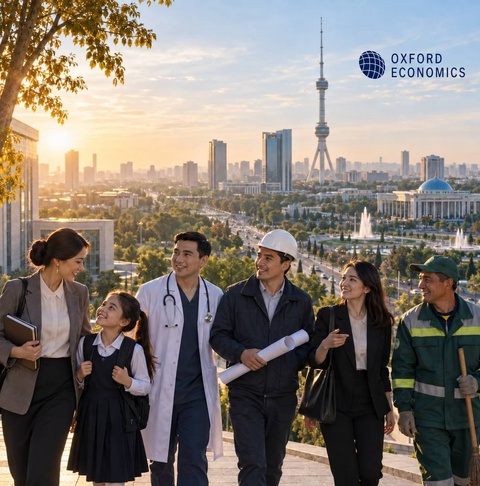
For Tashkent, the introduction of such a system can be a significant step forward in the development of modern urban infrastructure. At the same time, there is an increasing need to improve the digital literacy of the population and the understanding of how new technologies work.