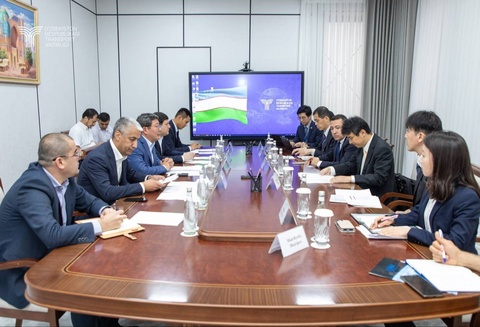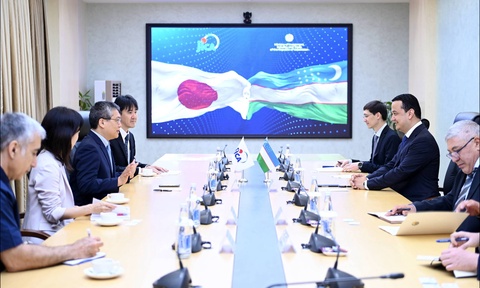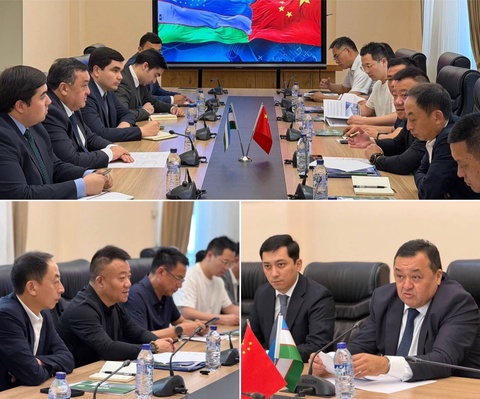

Its co‑chairs were Laziz Kudratov, Minister of Investment, Industry and Trade
of the Republic of Uzbekistan, and Masayuki Tanimoto, Chairman of the Japan‑Uzbekistan Committee and Senior Advisor to the President of Mitsubishi
Corporation.
The
discussion was attended by Kenji Yamada, Minister of State for Economy, Trade
and Industry of Japan, Kenji Hirata, Ambassador Extraordinary and
Plenipotentiary of Japan to Uzbekistan, and heads of relevant departments,
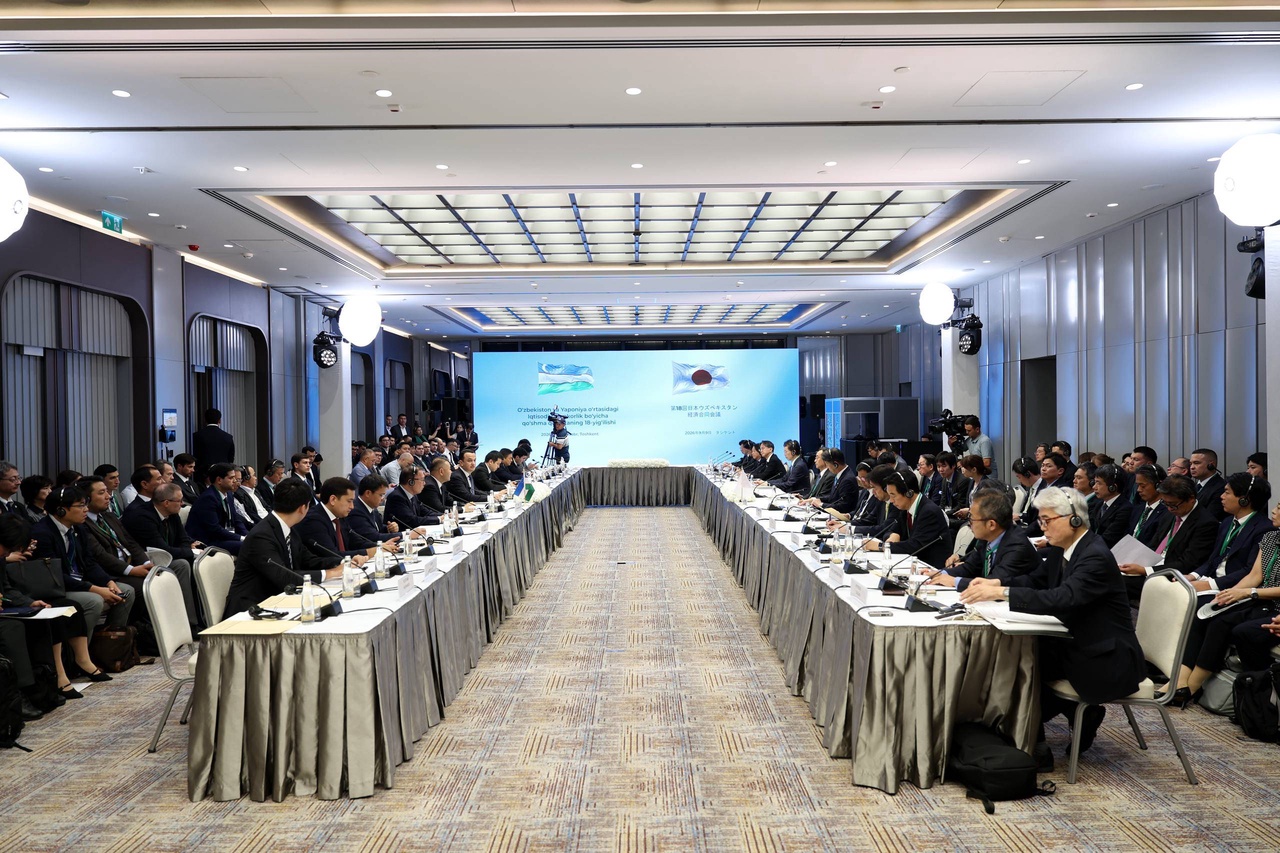
financial institutions, business associations and businesses. The Japanese side
was represented by more than 130 participants, including leading corporations
and development organizations.
The high
level of interest from Japanese businesses is based on the agreements reached
in December 2025 at the “Central Asia + Japan” summit and during the state
visit. The portfolio of 75 projects worth 12 billion dollars, which was formed
at that time, set the long‑term agenda, and now the main focus
is on its consistent implementation.
The stable
dynamics of Uzbekistan’s economy provide a favourable foundation for this work.
In 2025, it grew by 7.7 percent, and in the first half of the current
year — by 8.5 percent.
Given the
growing demand for modern technologies and infrastructure, the parties
identified the energy sector, the chemical industry, mechanical engineering,
critical minerals, healthcare, and IT as key areas. The common guidelines were
the modernization of enterprises, localization, deep processing of raw
materials, digitalization, and access to foreign markets.
To ensure
that sectoral proposals move more quickly to implementation, financial and
organizational conditions for investors were considered separately. Issues
related to expanding non‑sovereign financing and creating a
special economic zone have been discussed. Taken together, these tools should
provide access to capital, ready‑made sites, and
the necessary infrastructure.
A separate
growth potential is linked to the digital economy. More than 20 Japanese
companies are already residents of IT Park Uzbekistan, and the country’s total
export of IT services exceeds 1 billion dollars. This creates a foundation
for expanding outsourcing, promoting digital solutions to the Japanese market,
and implementing technological developments.
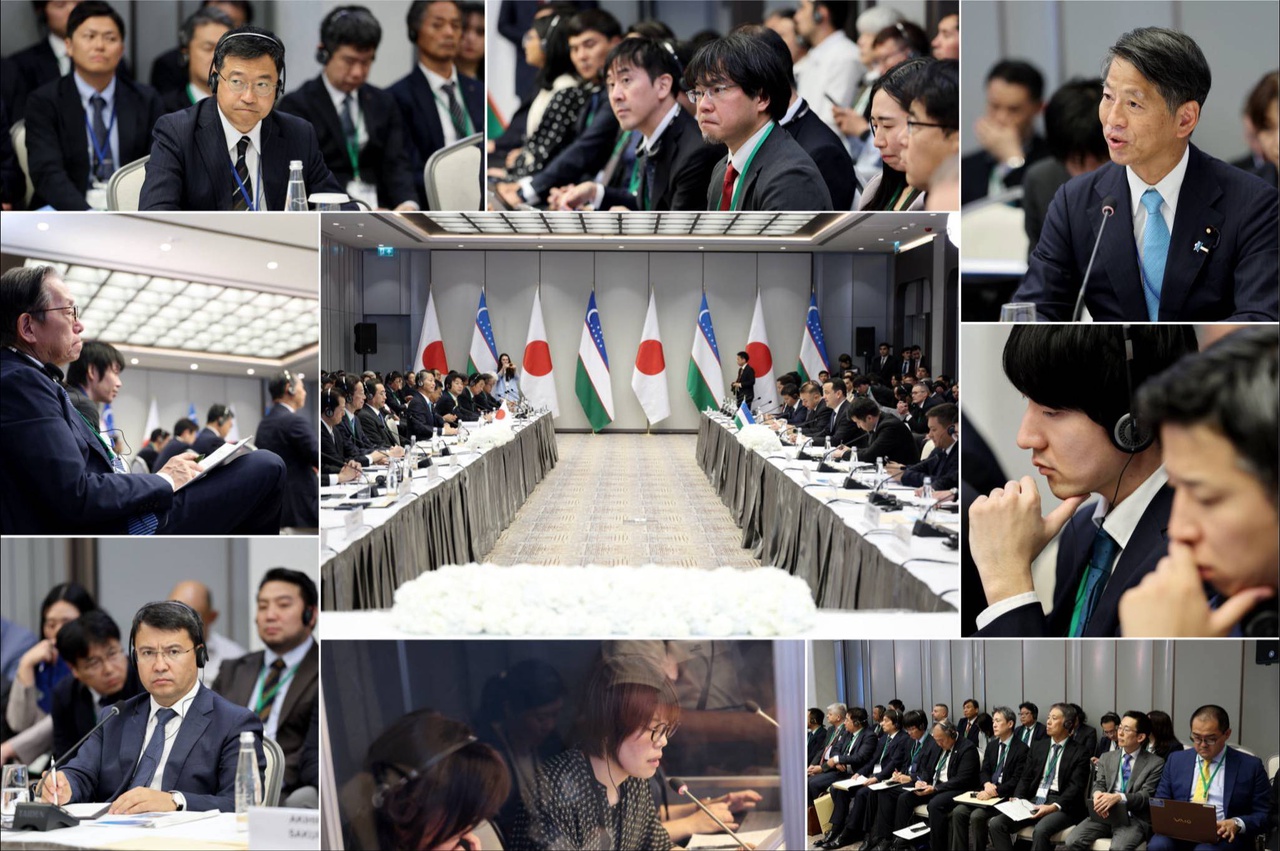
The
substantive part of the meeting was complemented by presentations from
representatives of relevant agencies of Uzbekistan, Japanese corporations, and
educational and financial organizations. The focus was on industrial
cooperation, digital transformation, the development of mineral resources,
personnel training, and business support tools. This format made it possible to
compare the needs of industries with the technologies and competencies of
potential partners.
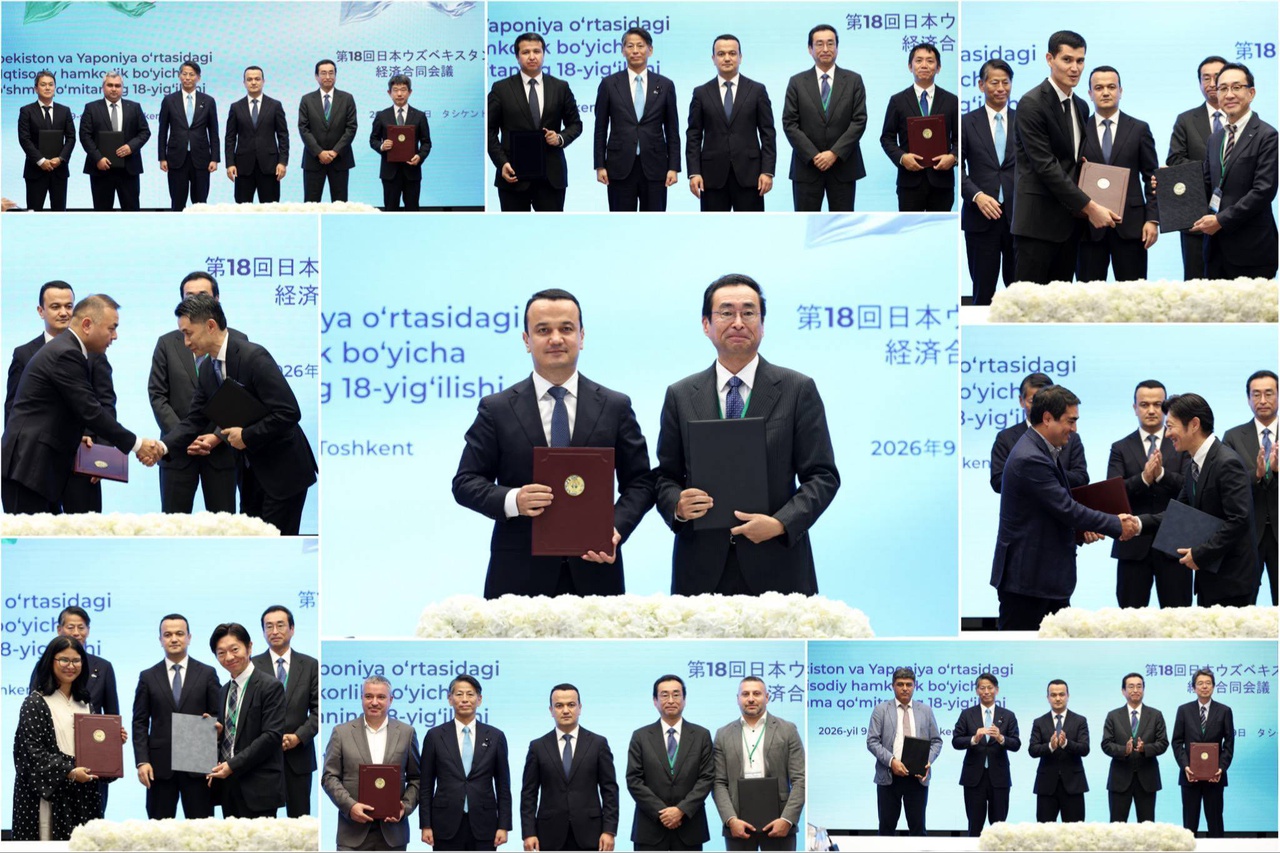
Following
the meeting, a ceremony to sign bilateral documents was held. The program was continued
by direct negotiations and business communication aimed at agreeing on further
steps and establishing new contacts between companies from the two countries.