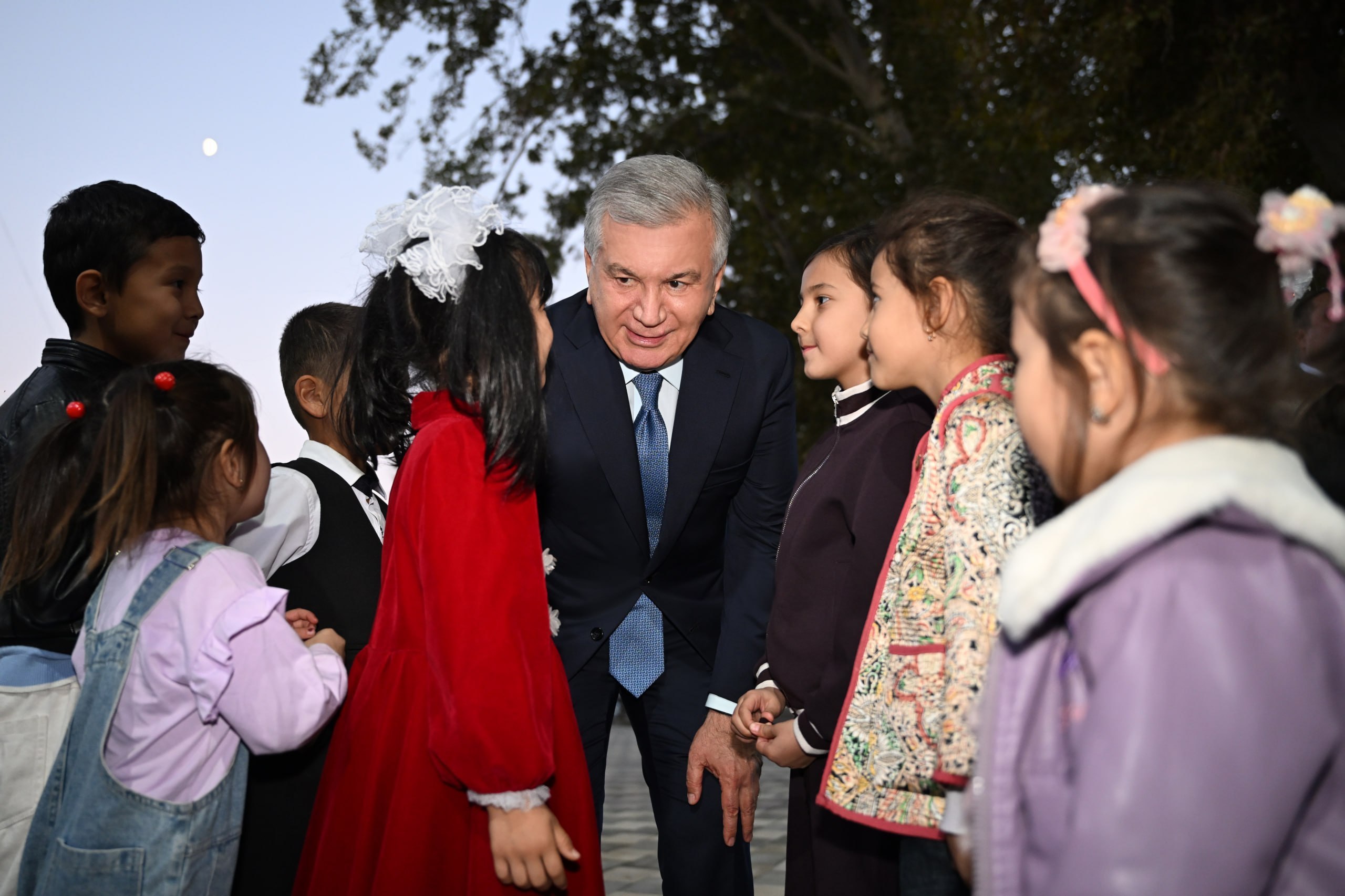

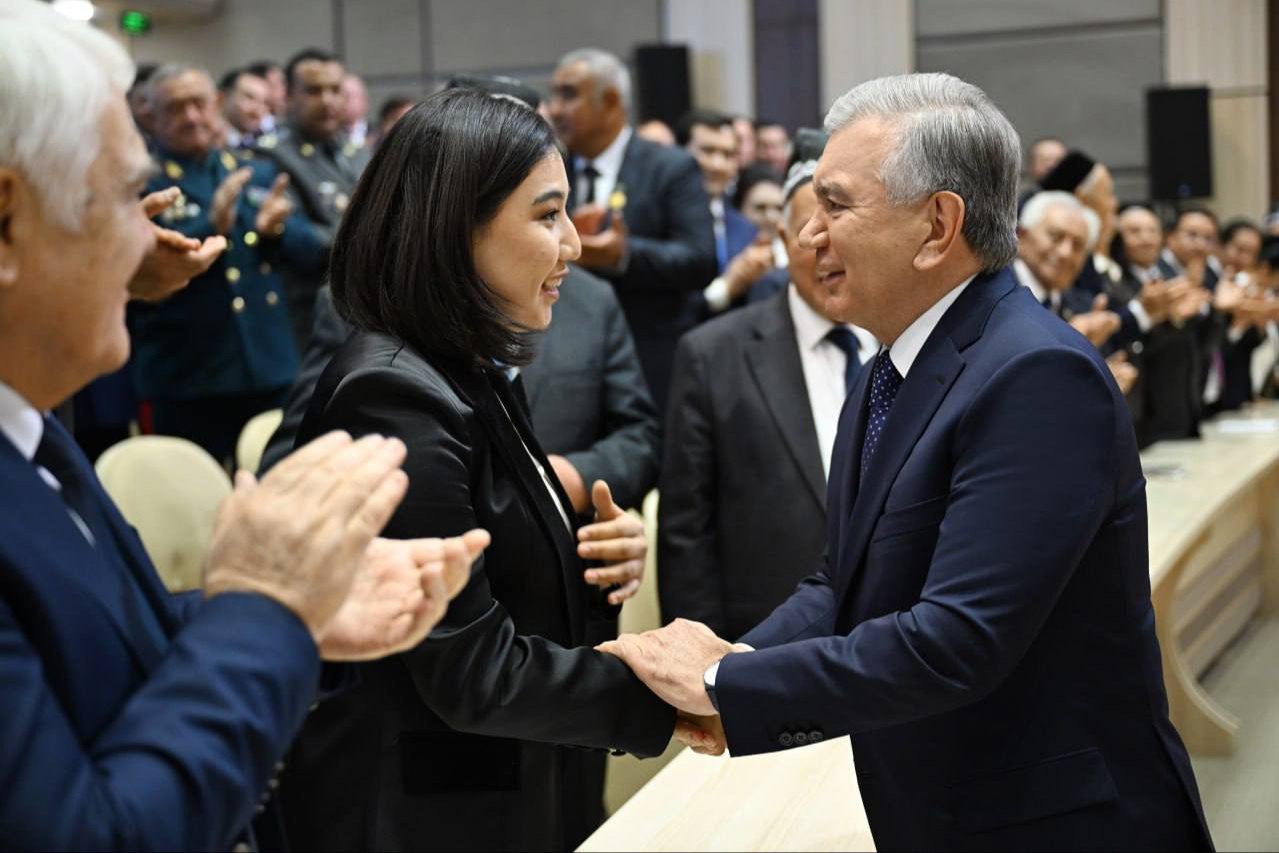
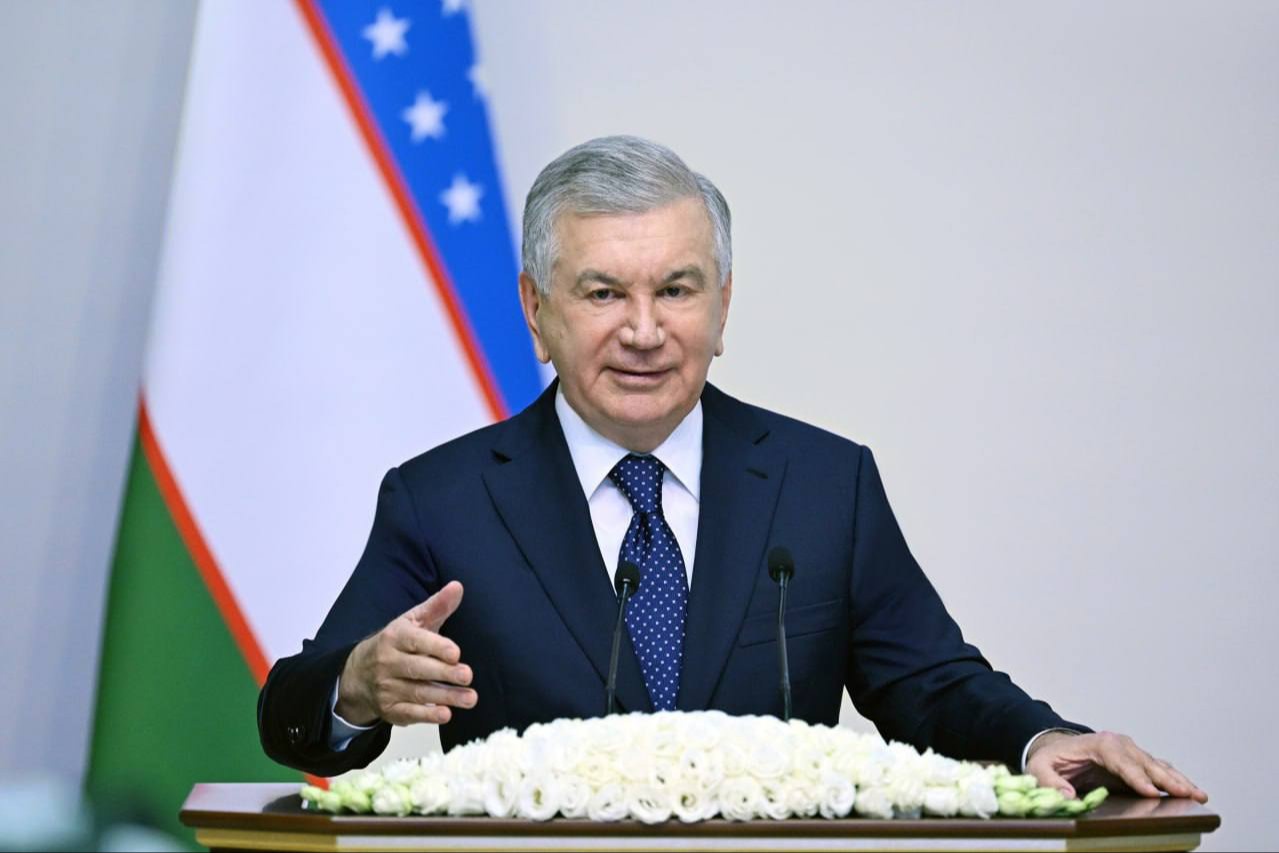
“When I see the major changes taking place in every district of Jizzakh, and how people are joyful, I am sincerely happy and proud that we were able to elevate the region from the difficult situation”, said the President, opening the session.
In recent years, Jizzakh has become one of the most dynamically developing industrial regions of the country. Over 8 years, investment projects worth $6,5 billion have been implemented, of which 45 percent are in the industry. Manufacturing capacity for 175,000 cars has been created in the region.
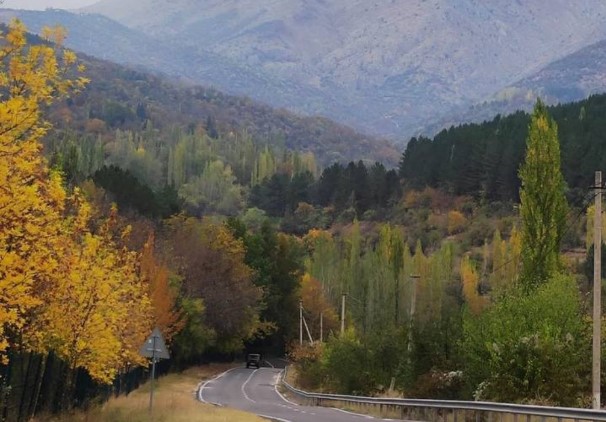
Over 500 tourism and service facilities worth $2 billion have been launched in Zaamin, Farish, Arnasay districts, and Jizzakh city in the short term. Thanks to the implementation of the projects worth $300 million, year-round resort zones have been launched in Arnasay and Zaamin districts, and airports have been built. Thanks to this, Jizzakh became one of the most attractive tourism destinations.
Eight years ago, 42 percent of jobs in the region were covered by agriculture. Today, about 310,000 region’s residents are employed in high-paying jobs in the industry and service sectors.
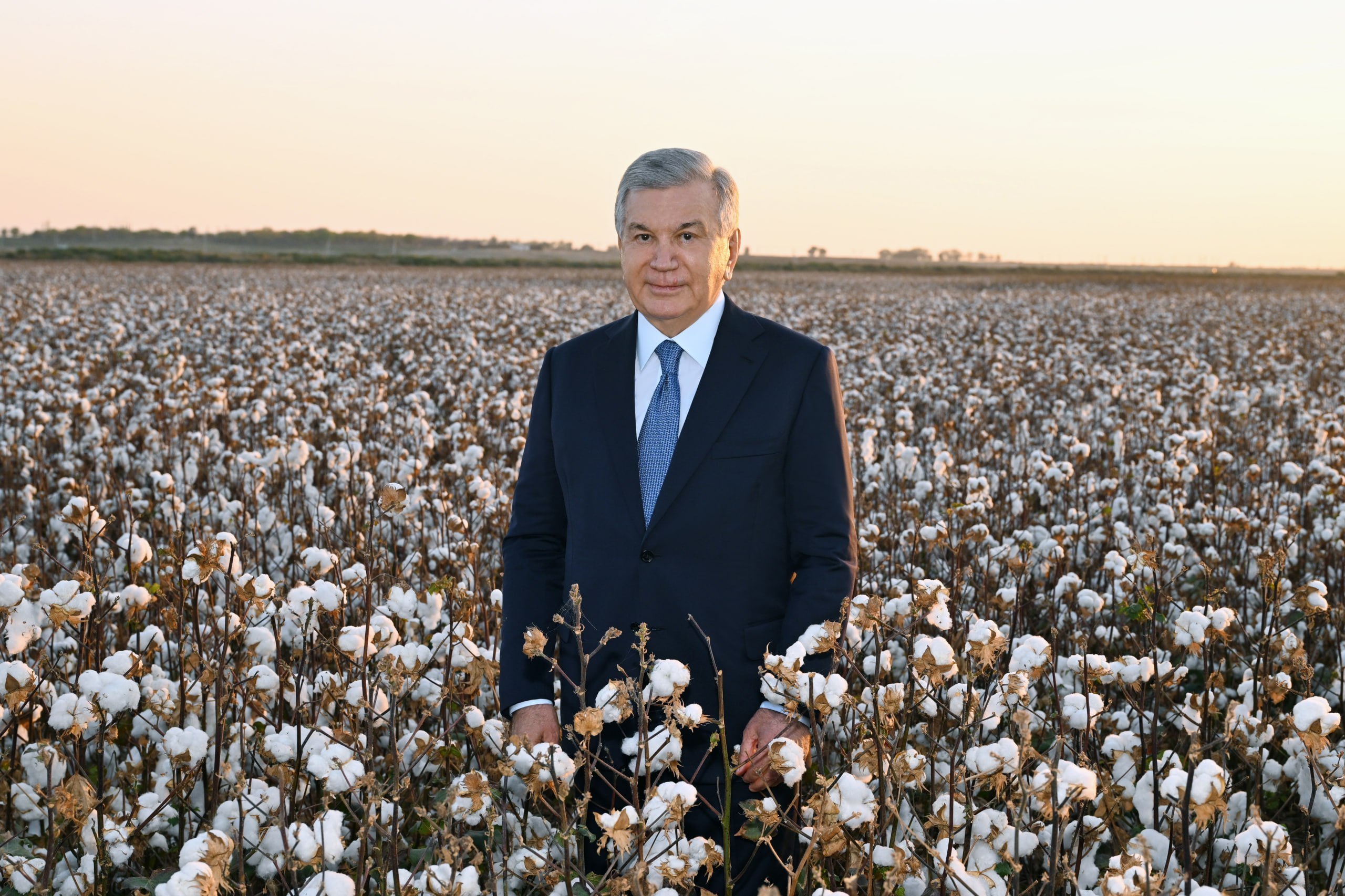
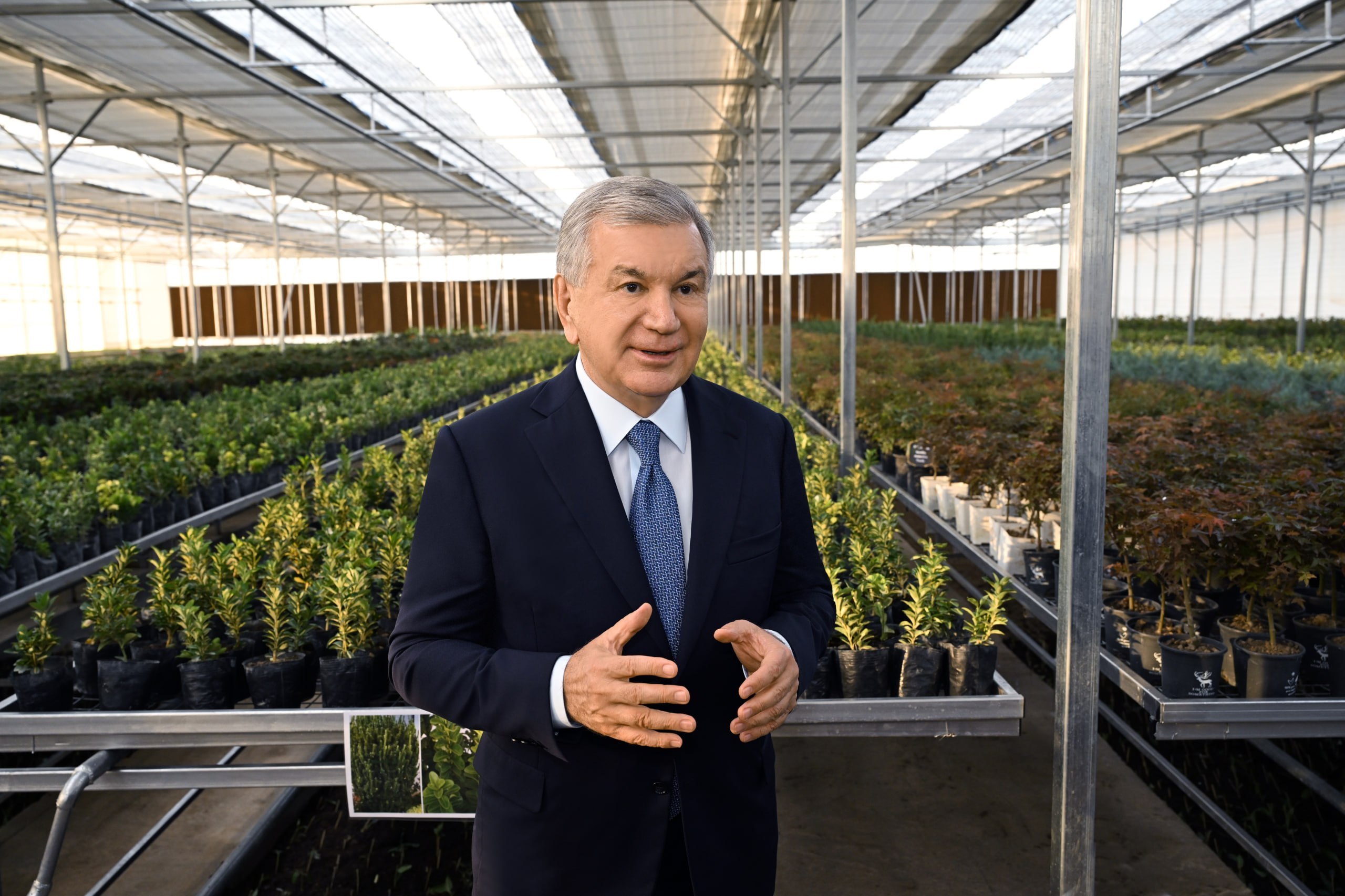
Agriculture, which specialized in cotton farming, was also deeply diversified. 28 thousand hectares of new gardens and wine farms have been created in Bakhmal, Gallaaral, Zaamin, Yangiabad, and Farish. The steppe lands of Mirzachul, Dustlik, Zafarabad, Zarbdar, Pakhtakor, and Arnasay developed an additional 12 thousand hectares for gardens and vegetable plantations.
Overall, in the past eight years, the volume of industry in Jizzakh has increased from 2,5 trillion to 25 trillion UZS, the service sector – from 2,5 trillion to 20 trillion, and agriculture – from 9 trillion to 30 trillion UZS.
“Of course, this is only the beginning of the large-scale reforms. We are yet to accomplish a large volume of work on the path of socio-economic development of Jizzakh”, noted the President.
The session also reviewed an organizational matter. The Head of State proposed a candidacy of Ulugbek Mustafoyev, who has been serving as Acting Hokim of the region, to the position of the Jizzakh region’s Hokim. As a result of the voting, his candidacy has been approved.
The President outlined new initiatives in industry development, investments, tourism, agriculture, construction, and infrastructure.
Jizzakh’s share in the national automotive industry has reached 25 percent. It was noted that the next task is to develop related industries around the automobile plants, increase localization, and reduce production costs.
Measures to support entrepreneurs have been defined: providing ready-made production facilities on favorable terms and compensating 50% of component validation expenses.
A project is being implemented in the region to extract 1 thousand tons of tungsten per year. After the launch of the projects in Gallaaral and Nurabad, Uzbekistan will be able to enter the ranks of the world’s leading tungsten producers.
The responsible agencies have been instructed to attract an investor for a promising gold ore site in Gallaaral, complete geological exploration at the lead-zinc deposit in Farish, and prepare a feasibility study for developing the uranium deposit in Arnasay district.
Through the implementation of 30 projects worth $510 million in the Jizzakh Free Economic Zone, about 10,000 jobs have been created. Work continues here on additional projects totaling $540 million. Entrepreneurs have asked to provide the industrial zone with sufficient energy capacity and build wastewater treatment facilities.
The Ministry of Energy has been instructed to lay a 40-kilometer high-voltage power line to the area and construct a 40-megawatt substation. The 2026 industrial zone infrastructure development program will include the construction of wastewater treatment facilities in the Jizzakh FEZ for 100 billion UZS.
To increase energy supply for industry, 200 megawatts of capacity will be added this year, with another 300 megawatts added next year. Additionally, 150 small and mini hydropower plants with a total capacity of 30 megawatts will be commissioned.
Next year, about 10 trillion UZS will be allocated to the region for infrastructure development and support for entrepreneurship.
It was noted that uniting the mountainous areas of Bakhmal and Zaamin into a single tourist ring will allow the launch of hundreds of service facilities, provide jobs for thousands of people, and significantly increase the export of tourism services. It was instructed to begin repairs next year on the 158-kilometer section of the road “Zaamin – Bakhmal – Gallaaral”. The initiative to create a 39-hectare tourism cluster in Bakhmal, worth $40 million, was supported. The district will be granted tourism status.
The need to modernize the Arnasay airport to accommodate large aircraft was highlighted separately. In addition, a railway line will be extended to Lake Aydar-Arnasay.
The President paid special attention to agricultural issues. It was noted that out of 900 thousand hectares of rainfed and pasture lands, 110 thousand hectares remain in reserve and can be brought into use for fodder and oilseed crops and industrial orchards, employing at least 20 thousand people.
Farmers and livestock breeders in the region requested that electricity subsidies for pump operations be paid at the beginning of the month. It was instructed to implement this system nationwide.
Jizzakh is expected to become a model region for potato farming. Starting in 2026, new support mechanisms for potato growers will be introduced: one-year loans at 12 percent with a six-month grace period for fertilizers, equipment, and fuel; a 50 percent loan guarantee; and compensation for half of the costs of installing solar panels for pumps. In addition, beginning next year, 50 percent of electricity expenses will be reimbursed. Imported machinery for planting and harvesting potatoes will be exempt from customs duties.
A mechanism will also be introduced to compensate 50 percent of storage costs for super-elite and elite seeds in cold storage facilities until they are delivered to farmers.
Additional support measures have been announced for Bakhmal gardeners: concessional loans at 14 percent for 7 years, with a 3-year grace period, for establishing intensive orchards; and subsidies for trellises ranging from 20 thousand to 70 thousand UZS. For cold storage facilities, part of the interest rate – up to 8 percent above the base rate – will be compensated. Exporters of fruit and vegetable products and orchardists will receive subsidies to cover 50 percent of packaging costs.
Overall, Bakhmal will develop its own horticulture model, which will later be extended nationwide.
Together with American partners, a large pedigree poultry farm is being established in Zaamin, with a capacity of 100 thousand breeder birds and the production of 9 million hatching eggs per year. This unique project will elevate the country’s poultry industry to a new level.
Discussing issues of construction and infrastructure, the President emphasized the need to bring social services, the labor market, and infrastructure closer to residents of remote mahallas.
The National Committee for Urbanization and the regional hokimiyat have been instructed, with the involvement of European experts, to develop a master plan for the city of Jizzakh and the Sharaf Rashidov district as a single agglomeration.
In response to public requests, a 10-kilometer bypass road will be constructed to relieve traffic in Jizzakh. Work has also begun on building a new bridge over the railway between the settlement of Dashtabad and Khavast district.
“Today, together, we have identified new tasks for the socio-economic development of the region and discussed key issues. The sole purpose of all these efforts and the decisions we make is to ensure the satisfaction of the people living and working here and to transform the region into a comprehensively developed territory”, emphasized the Head of State, concluding the meeting.
During the session, reports from the hokims of the region and districts, as well as opinions from the local community, were heard.