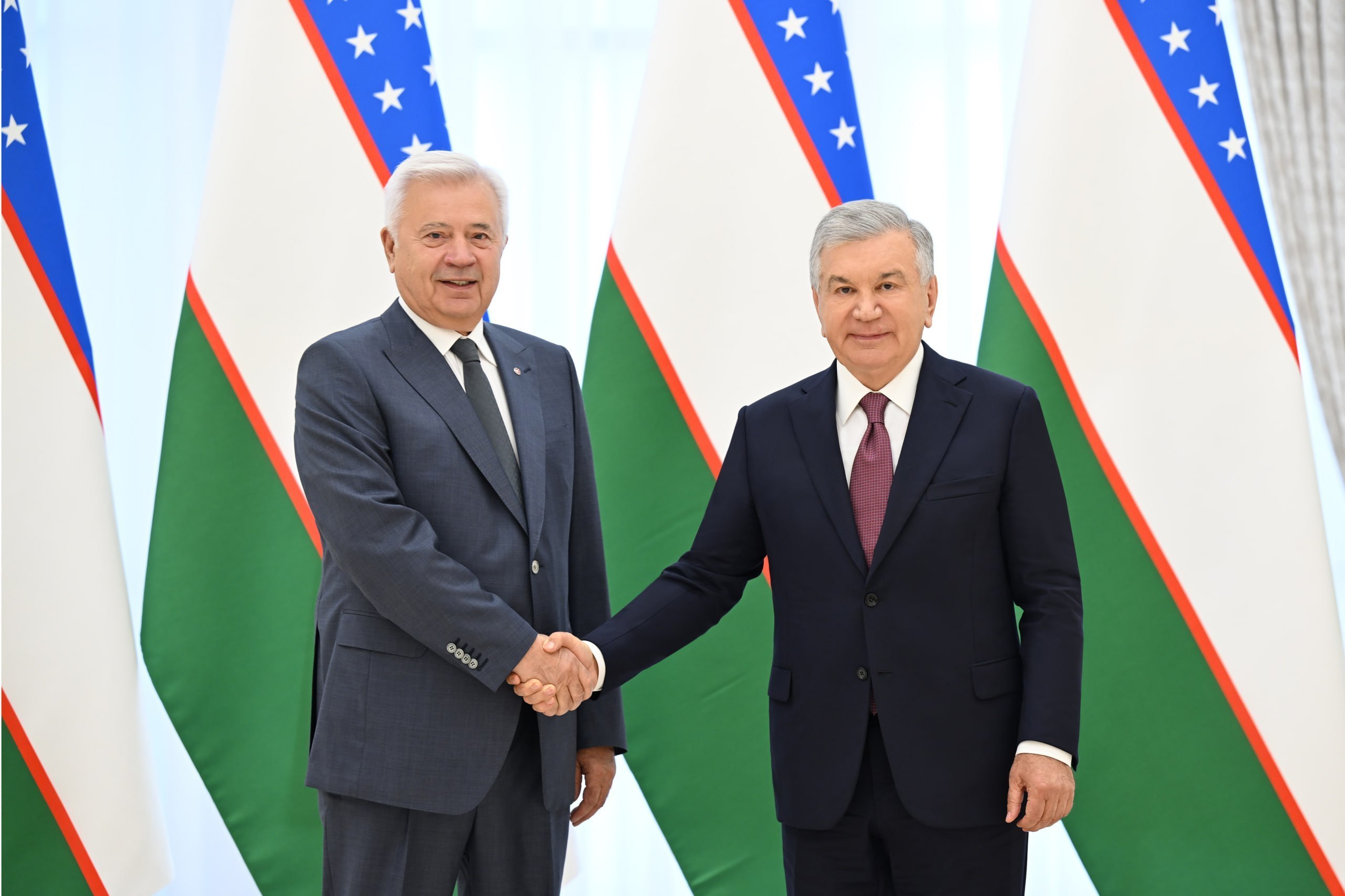

The issues of deepening the strategic partnership between Uzbekistan and Japan, which covers nearly all areas of bilateral cooperation, were discussed in detail.
Warmly greeting the Head of State, the Prime Minister of Japan called the current visit an essential milestone in the history of ties between Uzbekistan and Japan, which have traditionally been built on the principles of special trust and mutual respect.
Over the 33 years since the establishment of diplomatic relations, Japan has been a close friend and a key technological and investment partner to Uzbekistan, making a significant contribution to the development of modern industrial and energy infrastructure and the growth of the country’s human capital.
The steady growth in trade turnover, investment volume, and the number of joint ventures with Japanese capital was noted with satisfaction.
Leading Japanese companies such as Sojitz, Toyota Tsusho, Sumitomo, Itochu, Kyoto Plaza, Balcom, and Shikoku Electric are successfully operating in Uzbekistan, implementing important projects in energy, geology, tourism, infrastructure development, IT, and other priority sectors.
The portfolio of joint projects with the Japan International Cooperation Agency (JICA) and the Japan Bank for International Cooperation (JBIC) spans energy, petrochemistry, transport, education, and agriculture.
During the talks, the importance of strengthening cooperation mechanisms, including parliamentary friendship groups, committees on economic cooperation, and sectoral meetings in priority areas, was noted.
The Head of State outlined several key areas for developing the strategic partnership with Japan. These include green energy and industrial decarbonization, information technology, critical minerals, cooperation in mechanical engineering, and modernization of healthcare and tourism infrastructure.
It was noted with satisfaction that in preparation for the current summit, a new portfolio of cooperation projects worth over $12 billion has been formed. To promote them, it was proposed to create a joint investment platform.
Furthermore, plans were announced to create a special economic zone in Samarkand region based on the Japanese model and standards.
The proposal to scale up the jointly implemented “One Village, One Product” program received support.
Existing opportunities and ways to increase mutual trade and expand interregional contacts were also discussed. It was proposed to hold the first Forum of Regions of the two countries in Samarkand next year.
Particular attention was paid to intensifying humanitarian exchange. The education and personnel training sector is traditionally a key component of multifaceted relations.
The Uzbek-Japanese Center for Human Resources Development operates successfully in Uzbekistan, providing our youth with a wide range of opportunities to enhance their knowledge and skills to implement business projects.
The Japanese language is studied at seven universities in Uzbekistan. The Uzbek language has been taught at the Tokyo University of Foreign Studies for over 10 years.
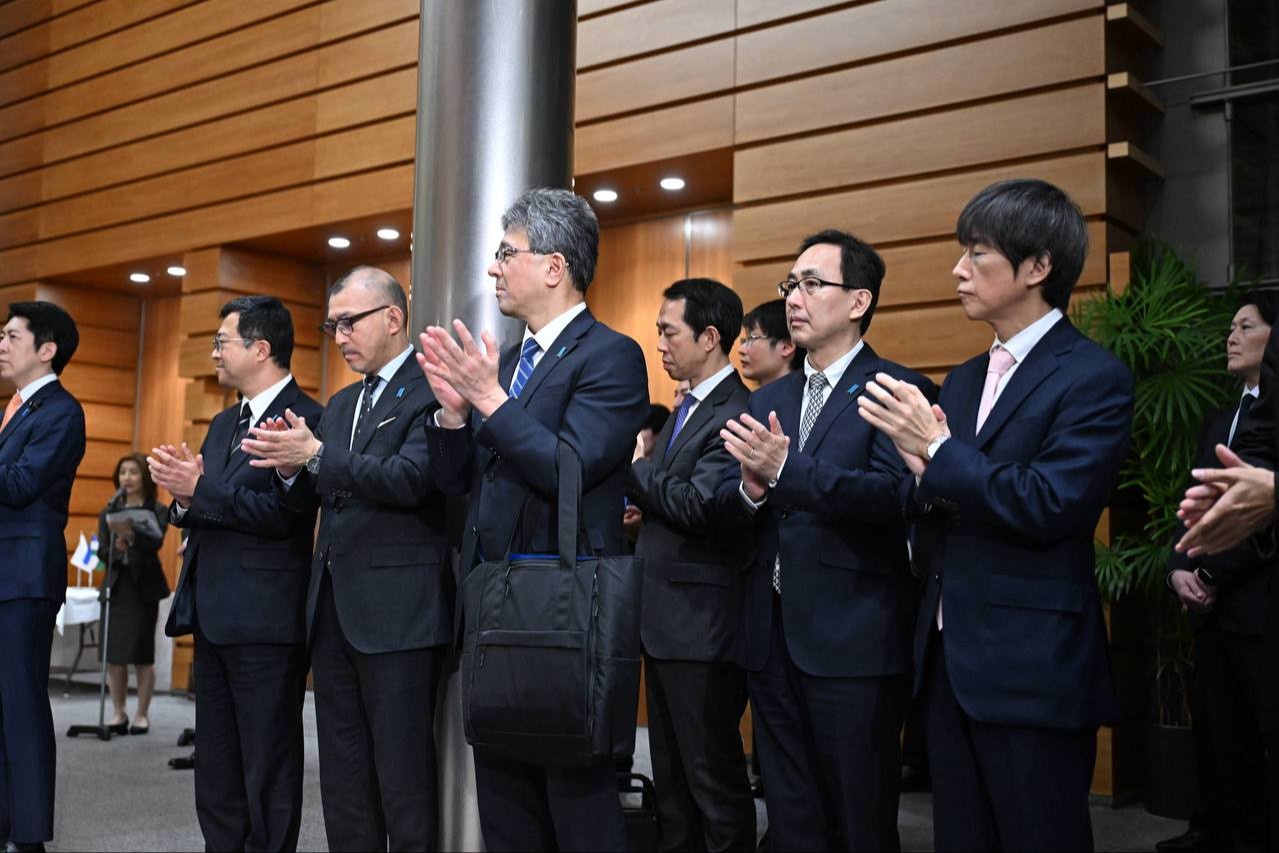
The Forum of Rectors serves as an essential platform for sharing experience in personnel training. Today, a meeting has been held with the rectors of leading Japanese universities. Agreements were reached to expand cooperation programs and scientific and innovative exchanges.
It’s planned to establish the first Uzbek-Japanese University in Tashkent with the University of Tsukuba.
To expand cultural and tourism ties, it was proposed to hold regular mutual culture days, exhibitions, youth forums, and film festivals. On the eve of the visit, the Days of Uzbek Culture in Japan were successfully held.
In honor of the 35th anniversary of the establishment of diplomatic relations, cross-cultural years will be held in 2027.
During the talks, views were also exchanged on current regional and international issues.
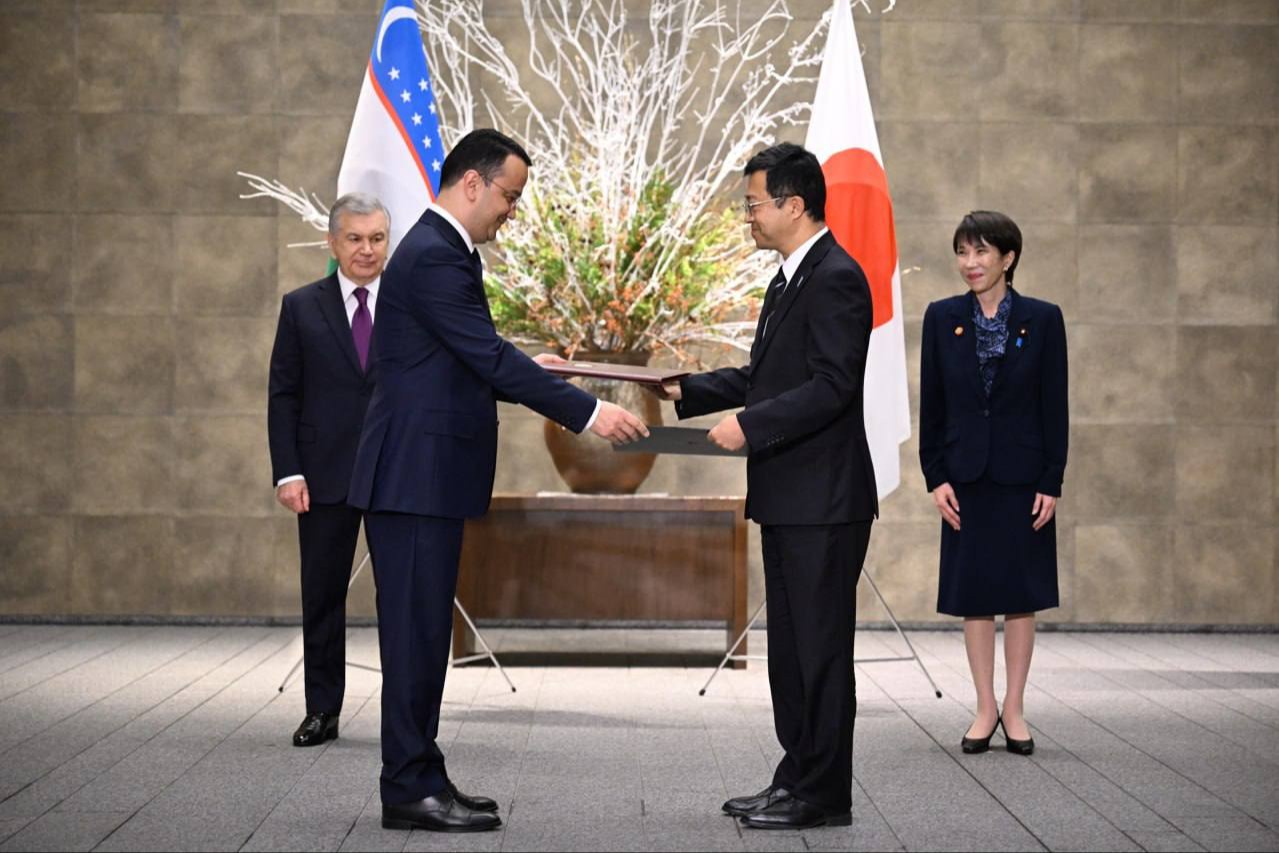
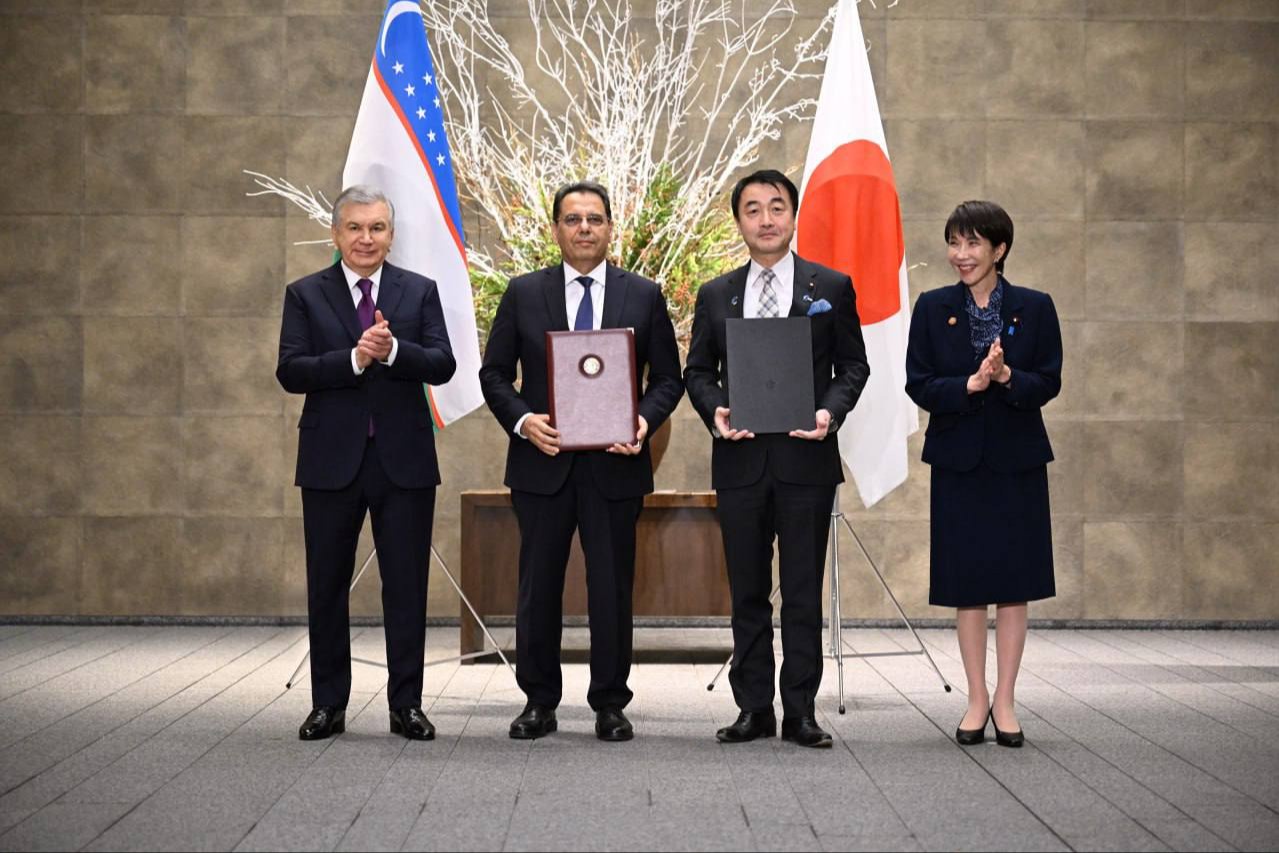
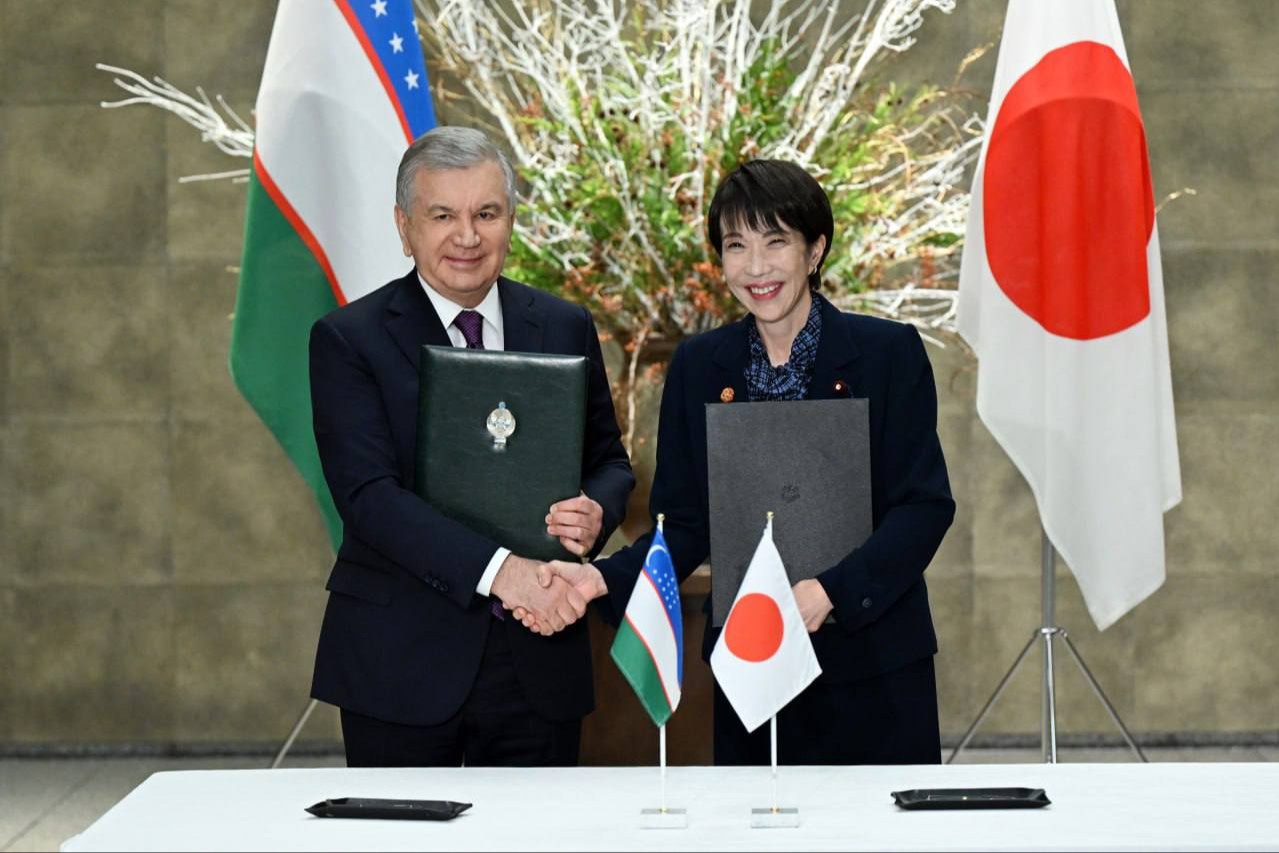
Following the talks, the President of Uzbekistan and the Prime Minister of Japan signed a Joint Statement on an expanded strategic partnership for future generations. It was emphasized that this document will undoubtedly elevate interaction to a new level and present broad horizons for expanding multifaceted cooperation.
During the visit, a substantial package of agreements was also adopted across education, healthcare, ecology, water resources, transport, urban planning, tourism, agriculture, and disaster risk reduction. A ceremony for the document exchange took place.