
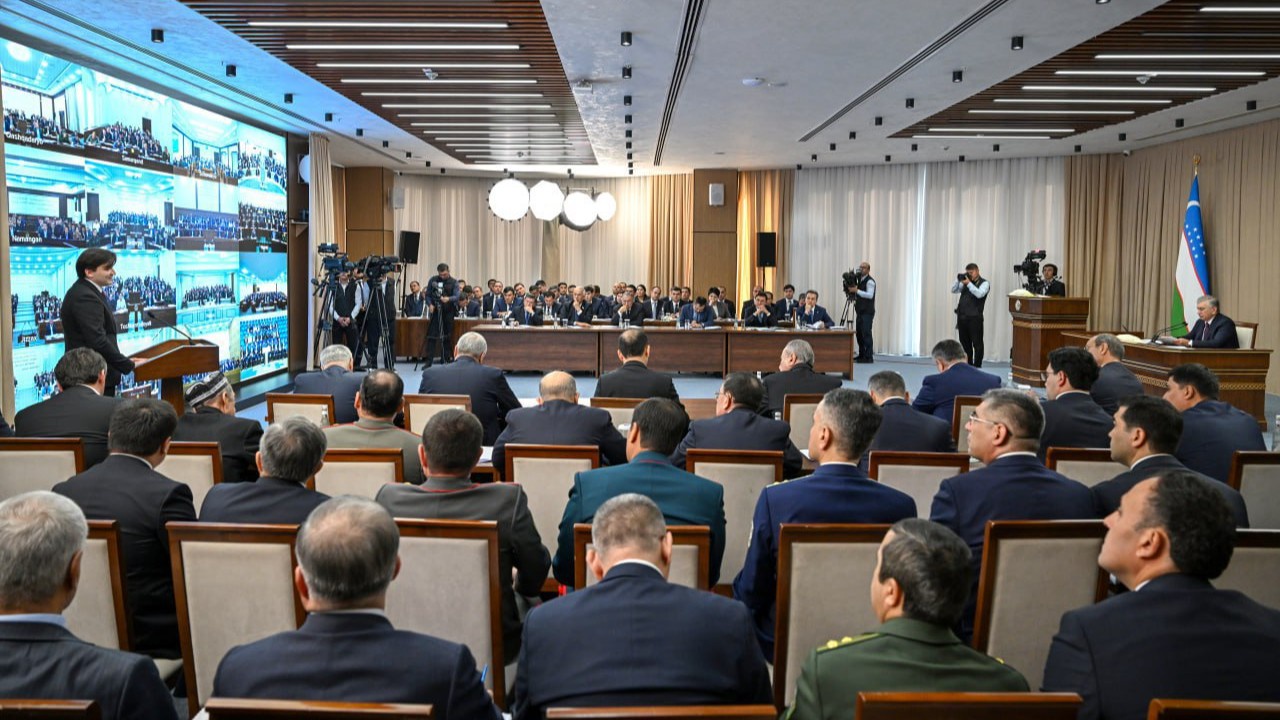
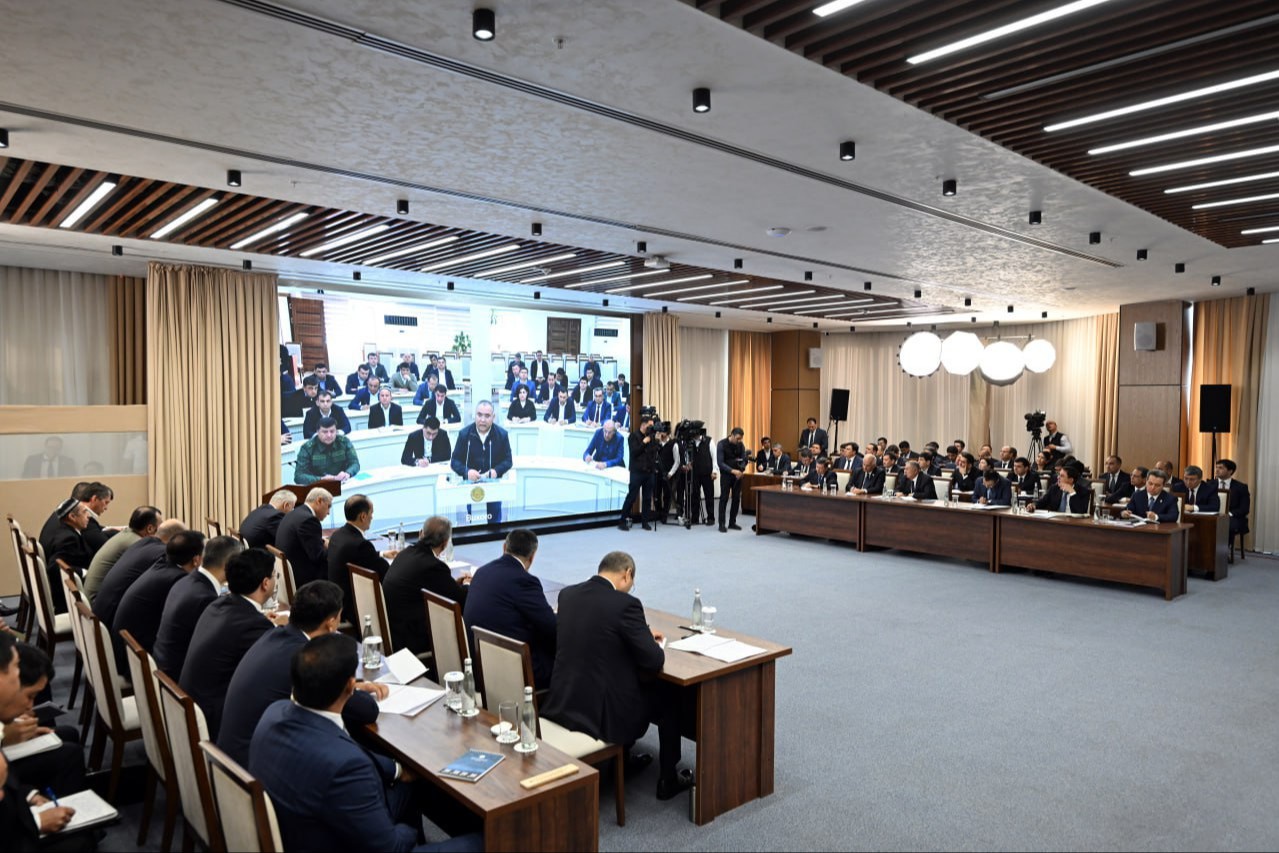
Artificial intelligence technologies are increasingly integrating all areas of life – from the economy to education, healthcare, agriculture, and governance. At the beginning of the year, it was projected that by 2030, the global artificial intelligence market would reach $15 trillion, but current estimates indicate that this figure will exceed $20 trillion.
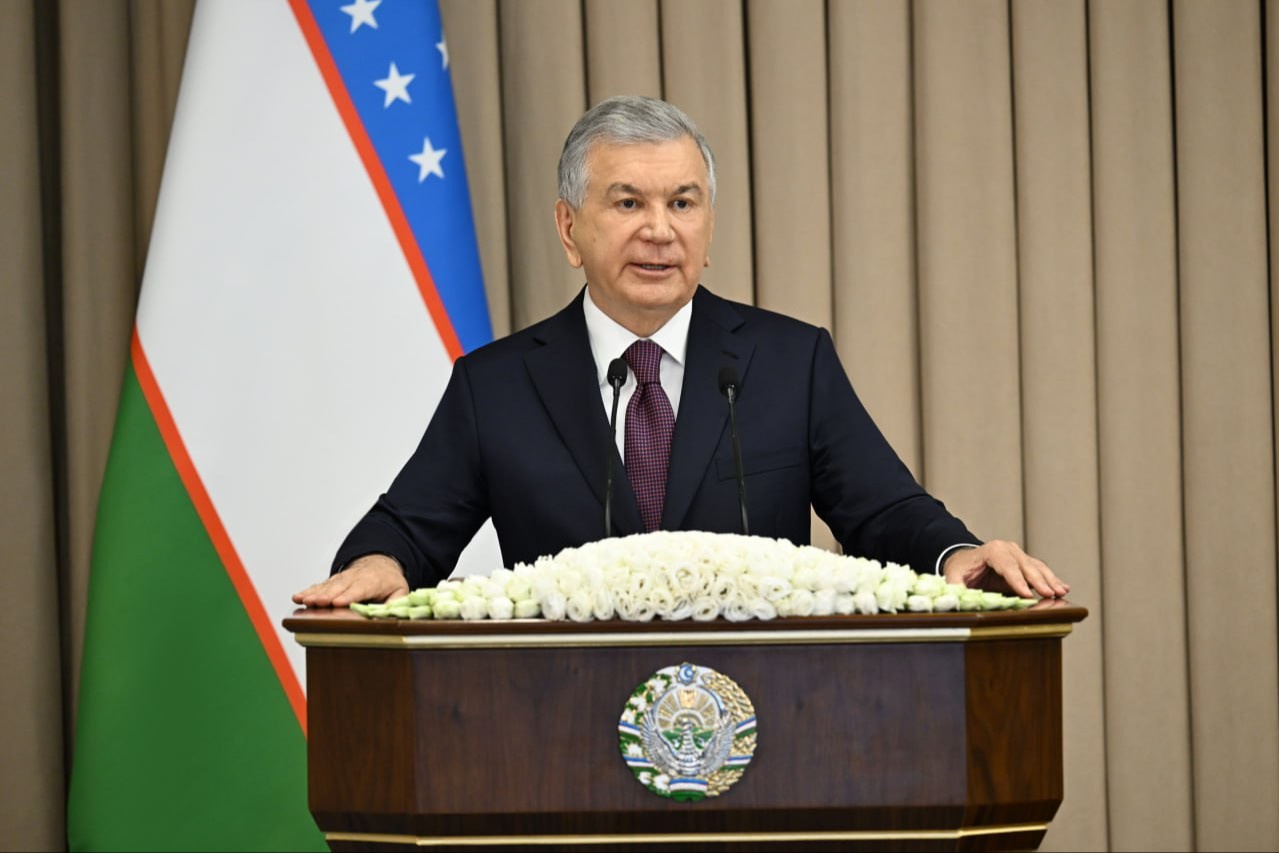
“Today, humanity is confidently entering a new era of civilization – the era of artificial intelligence. Regardless of the field in which change occurs, those who show persistence, determination, and achieve concrete results first will lead the way”, noted the Head of State.
In Uzbekistan, a separate resolution on the development of artificial intelligence has been adopted, establishing the legal framework for this field. Over 30 pilot projects have been implemented in public services, the banking and financial system, public safety, and transportation within a short period.
Last year, the Strategy for the Development of Artificial Intelligence until 2030 was approved, and a specialized center was established under the Ministry of Digital Technologies. As a result, within just one year, Uzbekistan rose 17 positions in the international AI Preparedness Index and ranked first in Central Asia.
From now on, deputy ministers and heads of industries responsible for digitalization will also be accountable for the development of artificial intelligence. In cities and districts, new positions of hokim advisors on digitalization and artificial intelligence are being introduced. Next year, a rating system will be implemented to evaluate the effectiveness of artificial intelligence technology adoption across ministries and regions.
According to foreign experts, Uzbekistan’s potential in artificial intelligence is estimated at around $10 billion. To transform this potential into real opportunities and secure a competitive position amid the growing global demand for AI, it is essential to focus on three key areas: infrastructure, open data, and personnel training.
In healthcare, energy, banking and finance, tax and customs administration, transportation, mining, and agriculture, 100 artificial intelligence-based projects are planned to be implemented. Successful implementation of these initiatives requires modern computing capacities and supercomputers. However, the current resources are sufficient only for smaller projects.
In this regard, the need to increase the number of modern supercomputer clusters and data centers was emphasized. This year, $50 million has been allocated for purchasing 16 supercomputers, and this amount will be doubled next year.
To encourage investment in the industry, a preferential regime is being introduced in the Republic of Karakalpakstan. Investors investing more than $100 million in artificial intelligence infrastructure will benefit from an electricity tariff of 5 cents per kilowatt-hour, IT Park incentives, and exemption from customs duties on imported equipment.
In addition, starting next year, satellite internet operators will begin operating to provide remote regions with high-speed connectivity. For five years, they will be exempt from land, property, profit, and value-added taxes.
It was noted that data from ministries and agencies are currently stored on different servers and in various formats, which hinders the rapid development of artificial intelligence. In this regard, instructions were given to consolidate 55 databases into a single data center by the end of this year and to integrate all information databases next year.
“For artificial intelligence programs to function effectively, they must first and foremost have a perfect understanding of the Uzbek language”, emphasized the President.
It was emphasized that there is a need to digitize literature, reports, scientific works, and other materials in the Uzbek language and to create a “Corpus of the Uzbek Language” so that artificial intelligence can accurately reflect the characteristics of the nation’s culture and values.
The Head of State noted that training specialists in artificial intelligence should begin at the school level. In this regard, starting next academic year, topics related to artificial intelligence will be included in the Informatics curriculum. To this end, a special textbook will be developed with the Massachusetts Institute of Technology (MIT).
The “One Million Leaders of Artificial Intelligence” program will be expanded to identify and support youth ideas and projects in artificial intelligence. As part of this initiative, a national competition is being held, and based on its results, the best young specialists, their mentors, and educational institutions will receive well-deserved recognition and rewards.
The measures for establishing artificial intelligence laboratories at higher education institutions were also outlined at the meeting. Based on the New Uzbekistan University, an Artificial Intelligence Cluster will be created, operating on the “industry – university – partnership” principle. State grant quotas in areas such as artificial intelligence, fintech, cybersecurity, IT engineering, aerospace, and cloud technologies will be increased by 35 percent.
A nationwide competition among university teams will be held in every region to enhance student engagement in AI implementation. In addition, a $1 million prize competition titled “Best Startup in Artificial Intelligence” will be launched.
Overall, to unite the efforts of leading companies, foreign experts, Uzbek professionals abroad, major state enterprises, banks, and universities, a proposal to establish an Artificial Intelligence Alliance has been approved.