
All levels of education in the country are developing consistently. New educational institutions equipped with modern facilities are being built, creating an environment conducive to acquiring quality knowledge. Curricula are being updated, and advanced methodologies are being introduced.
In this continuous process, particular importance is attached to specialized education, support for talent, and the professional orientation of children.
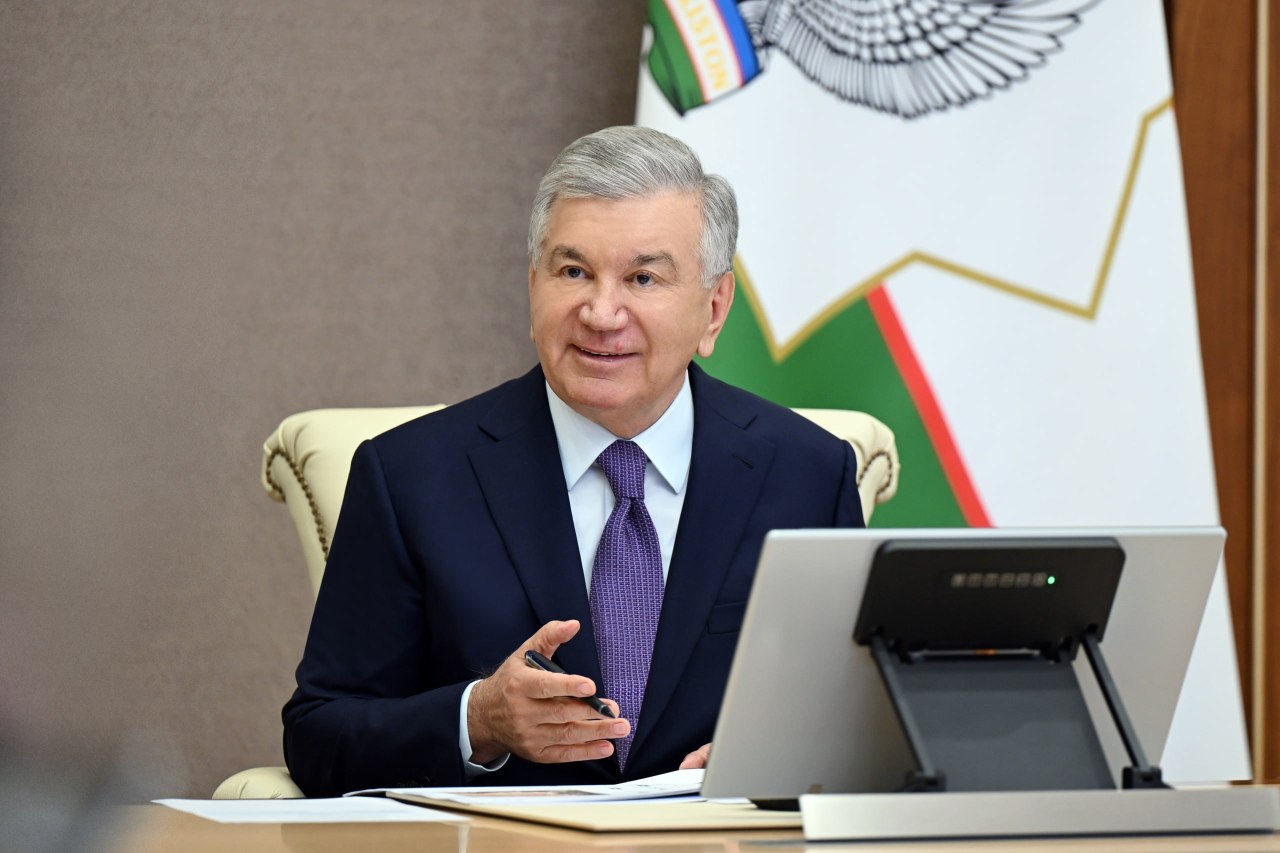
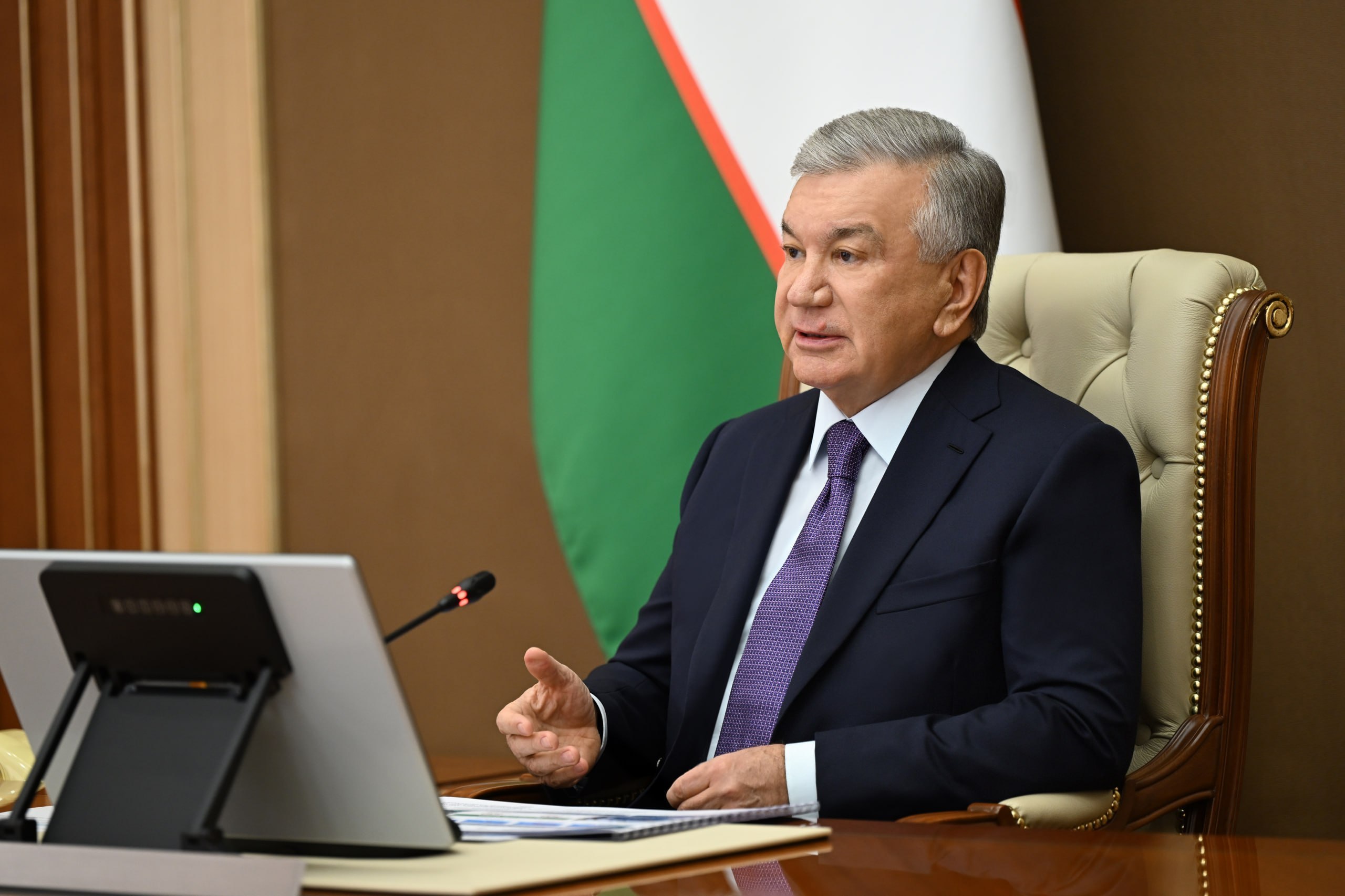
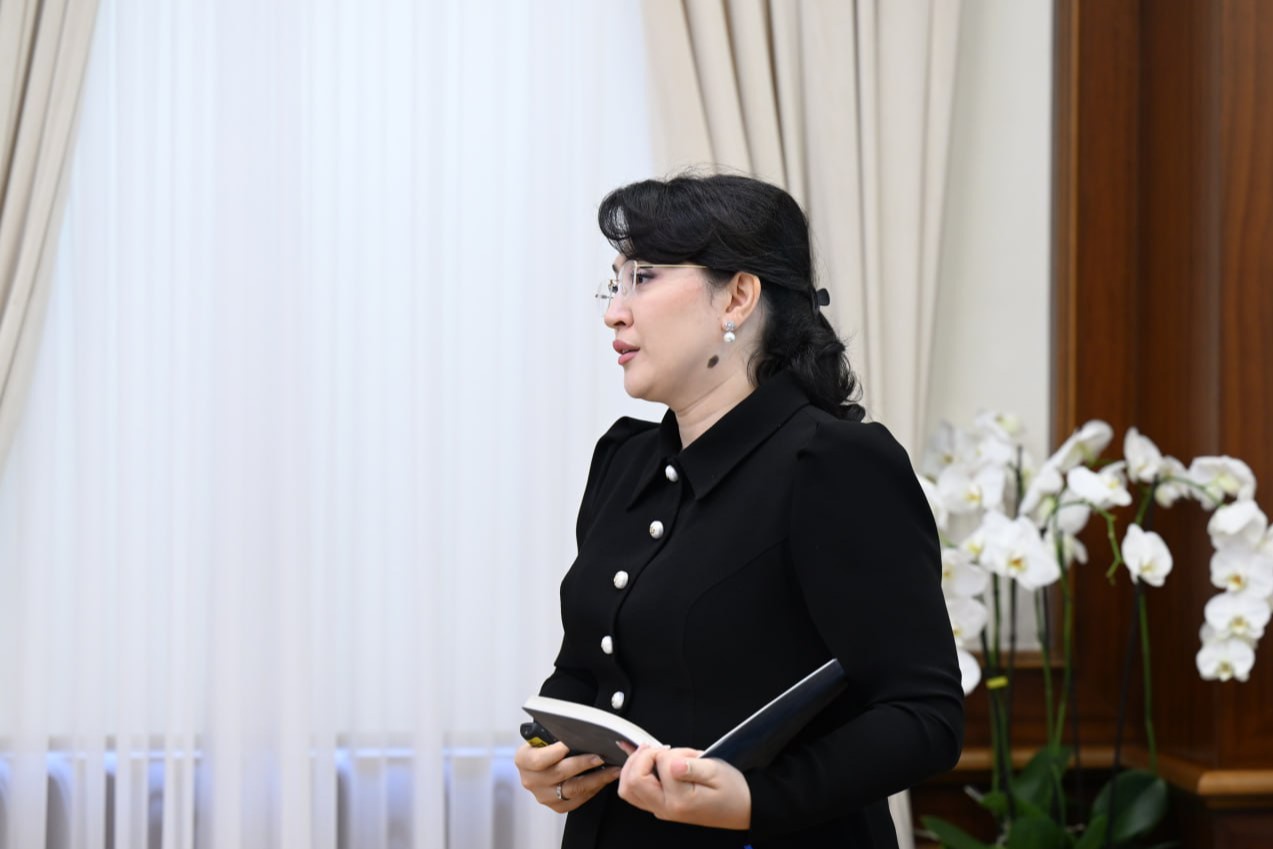
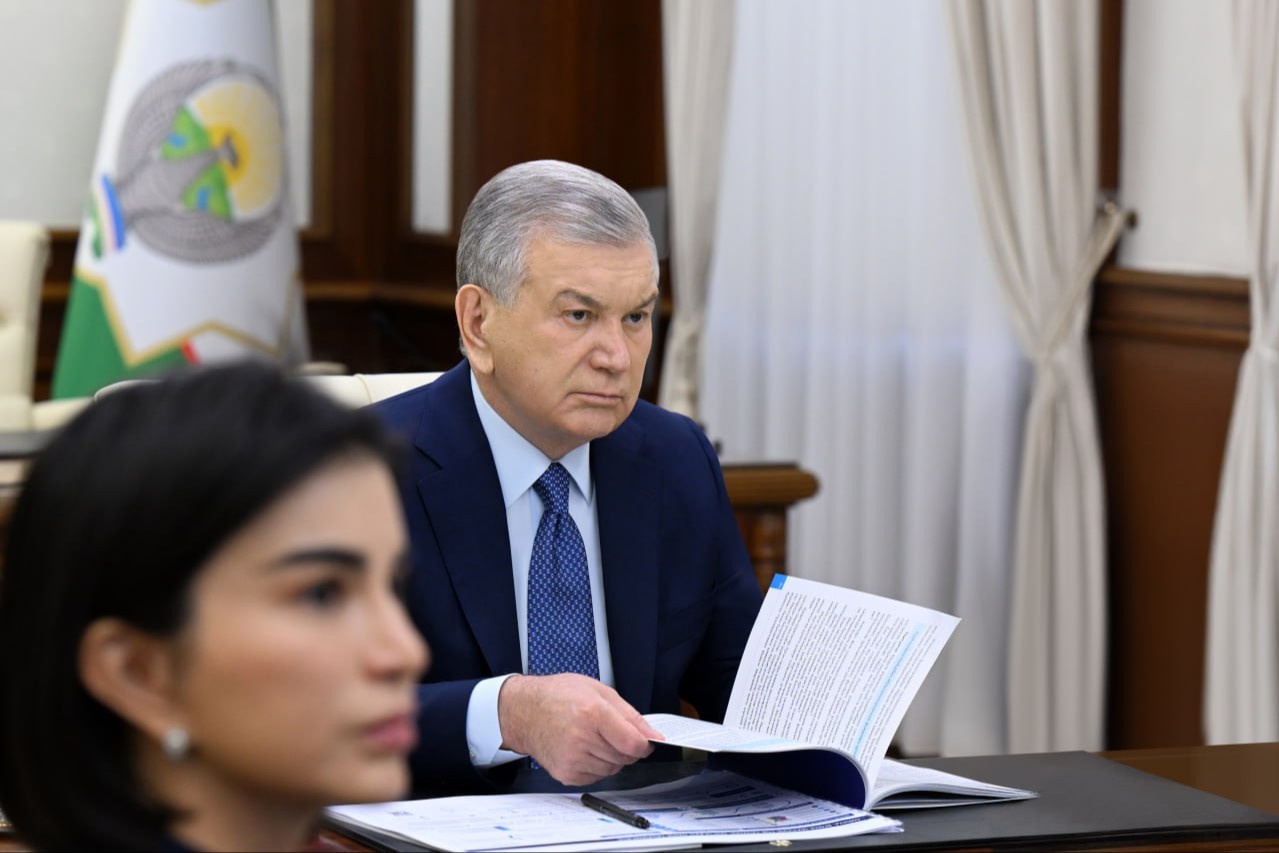
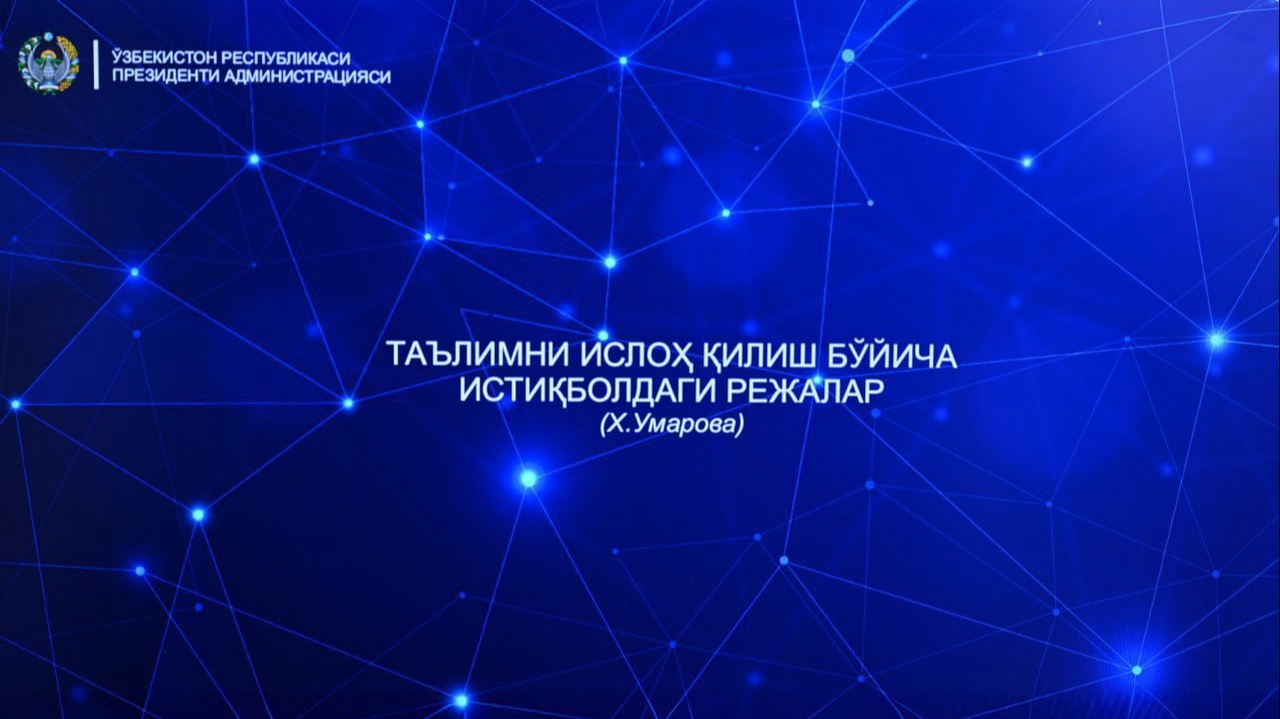
The presentation outlined plans and measures in these areas.
Spiritual and educational work is an integral part of education. However, different institutions approach it in various ways, and there is still no unified system for organizing students’ leisure activities or for developing their abilities and talents.
Therefore, a unified concept of the national idea has been developed, covering all levels of education from preschool to higher education. It will serve as a model for conducting spiritual and educational activities. As a result, such activities will be carried out systematically and with quality, without overburdening students with unnecessary events.
Additionally, a unified vertical system will be established to organize students’ leisure activities and foster their abilities and aspirations. In this regard, “Kelajak” centers will be based on the “Barkamol Avlod” Children’s School, the Republican Center for Student Youth, and the “Yoshlik” Physical Culture and Sports Society. Schools will also introduce the position of advisor to support students’ initiatives.
Over the past eight years, the number of places in kindergartens has increased by 2.5 million, and preschool education coverage has reached 78 percent. To further expand this, it is planned to create 20,000 new places each year.
When constructing new apartment buildings, the need to build kindergartens in line with the population size will be taken into account. For specialists with secondary specialized education working in kindergartens, a dual training system and a professional development framework will be introduced.
In districts and cities where preschool education coverage is below 80 percent, private sector participation will be supported. In particular, it is planned to allow the construction of kindergartens on vacant school and kindergarten sites under public-private partnership arrangements. Land plots will be provided to entrepreneurs free of charge on the condition that the profile of activity is maintained, along with preferential loans for up to seven years.
Between 2026 and 2028, a network of next-generation “Yangi Avlod” preschool institutions with innovative child development centers is planned to be established in 14 regions of the country.
Based on the current and future needs of the economy, the President set the task of developing technical and engineering fields. In line with this, engineering schools are being established within the system of the Agency for Specialized Educational Institutions in 14 regions of the country. Admission to these schools will be on a competitive basis, and the state budget will fund education. An engineering education program is being introduced, drawing on the experience of New Uzbekistan University and the Mirzo Ulugbek Specialized School. The learning process will be organized under a five-year program based on the STEM model.
Starting in 2026, a national competition “Best Engineering School” will be held annually among general education schools for the prize of the President of the Republic of Uzbekistan.
To improve the teaching of natural sciences, specialized schools will be established across all regions. The Tashkent School named after Abu Ali ibn Sina will serve as the leading institution in this area.
In Tashkent, branches of the Bauman Moscow State Technical University, the TashTech Technical University, and the Almalyk State Technical Institute will be opened.
Starting in 2026, a national competition “Best Engineering School” will be held annually among general education schools for the prize of the President of the Republic of Uzbekistan.
Another new initiative is aimed at supporting young people who have chosen a career in teaching. Until now, there has been no separate state scholarship in this field.
In this regard, beginning with the current academic year, the Abdulla Avloni State Scholarship is being established for students of pedagogical universities. It will be awarded to 3rd- and 4th-year bachelor’s students, encouraging them to pursue their studies and scientific research.
At the meeting, plans in the field of science and innovation were also presented.
In the postgraduate education system, mechanisms for training specialists with academic degrees will be improved. In particular, quotas for doctoral studies will be determined based on the country’s priority development areas.
The role of the Academy of Sciences will be strengthened in developing promising scientific fields, conducting fundamental, applied, and innovative research, as well as in the practical implementation of its results.
The President approved the proposed initiatives and signed the relevant documents, instructing that the systematic and high-quality execution of the outlined tasks.