
Despite the preventive measures carried out over the years, the problem of iodine deficiency remains relevant in many countries of the world, including the Republic of Uzbekistan.
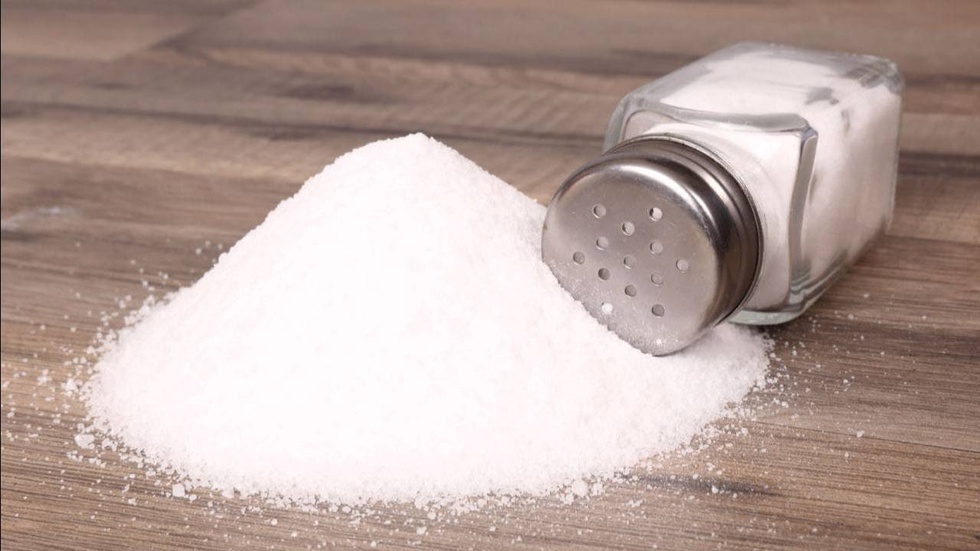
To prevent iodine deficiency, salt iodization programs have been introduced in many countries. On average, 20 to 40 grams of potassium iodate are added to one ton of salt.
Territorial administrations and district (city) departments of the Committee for Sanitary and Epidemiological Welfare and Public Health carried out control measures at enterprises engaged in the production, sale and use of edible salt for eight months of this year. The inspections were aimed at assessing compliance with sanitary and hygienic and anti-epidemic requirements.
The following indicators were recorded during the surveys:
Since the beginning of the year, 4,411 samples of edible salt have been examined in the sanitary and hygienic laboratories of the Committee's territorial divisions. Of these, 1,306 did not meet the established requirements. In particular, 19 samples were taken at manufacturing enterprises, 182 - in trade and catering organizations, 1105 - in preschool educational institutions, schools and children's polyclinics.
The following measures were taken to address the violations identified:
· 6042.5 kg of salt that does not meet the standards were withdrawn from sale and sent to manufacturing enterprises for re-iodization.;
· The activity of one company has been temporarily suspended;
· 31 administrative protocols have been drawn up.