
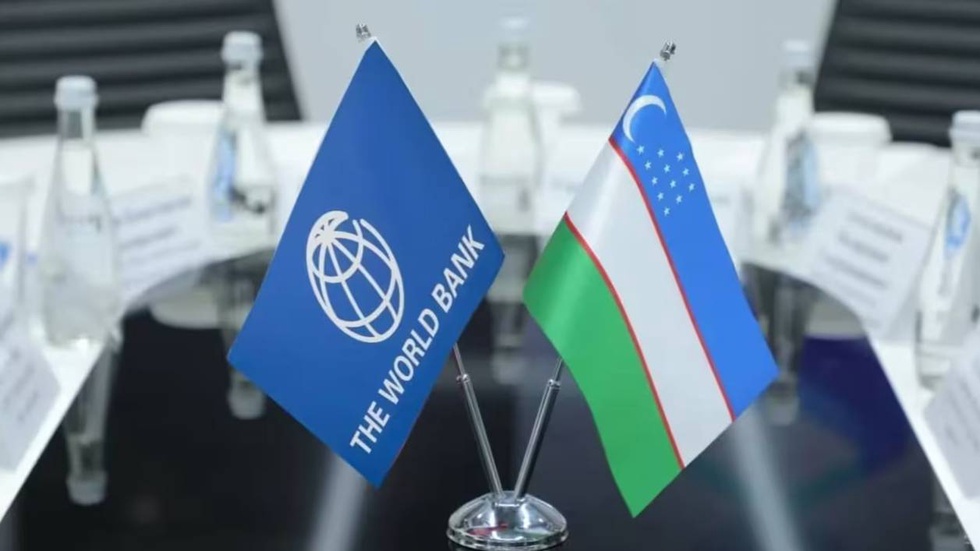
The funds
will be used to implement the second phase of the Rural Infrastructure
Development program, aimed at improving public infrastructure and basic
services in rural areas of six regions of the country.
Almost half
of Uzbekistan's 38 million inhabitants live in rural areas. At the same time,
many villages still lack high-quality roads, schools, medical facilities, as
well as access to water and electricity services. These restrictions hinder the
development of entrepreneurship and the creation of new jobs.
To address
these challenges, the Government of Uzbekistan launched the Rural
Infrastructure Development program in 2019 with financial support from the
International Development Association of the World Bank ($100 million) and the
Asian Infrastructure Investment Bank ($82 million). As a result of the first
phase, completed in June 2026, more than 900 subprojects were implemented in
306 mahallas in rural areas of Andijan, Ferghana, Namangan, Jizzakh and
Syrdarya regions.
More than
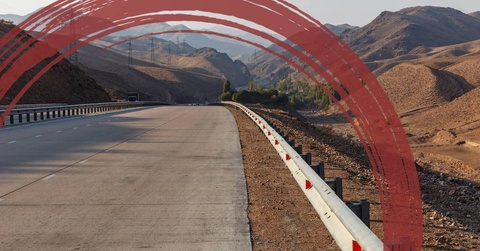
340 roads, 220 electricity supply systems, 160 water supply systems, about 100
schools, 40 preschool institutions, and 10 bridges have been built and upgraded
under the program. About 1 million rural residents, half of whom are women,
have directly benefited from the improved infrastructure.
A special
feature of the program is the participation of local residents in the selection
and monitoring of projects through mahalla development groups, with at least
50% of participants being women.
The total
budget of the second phase of the program is 340 million dollars. Financing is
provided by the World Bank ($150 million), the Asian Infrastructure Investment
Bank ($120 million) and the Government of Uzbekistan ($70 million). The program
will be implemented by the Ministry of Economy and Finance in 296 mahallas of
Andijan, Ferghana, Namangan, Jizzakh, Syrdarya and Tashkent regions.
The World
Bank funds will be provided in tranches as key results and milestones of the
program are achieved.
"The
new stage of the program, like the first phase, is focused on the real needs of
mahalla residents. The development of in-demand infrastructure will improve the
standard of living of the population, including women and youth. The new
directions of the program also provide for the development of entrepreneurship
and job creation in rural areas," said Naji Benhasin, World Bank Regional
Director for Central Asia.
By 2031,
the program is expected to significantly improve public infrastructure and
services in the mahallas of six regions through investments in roads, drinking
water supply systems, electricity and other facilities. The beneficiaries will
be about 1.2 million rural residents, including 600,000 women and 300,000 young
people.
In
addition, business development centers will be established in 15 pilot mahallas
to help local entrepreneurs in the field of agricultural processing and
small-scale production expand access to financial services, develop business
skills and expand sales markets. About 1,500 direct jobs are expected to be
created.
Together
with other World Bank projects, the program will also contribute to the
creation of about 25,000 new and higher-paying jobs in rural areas.