
By the end of
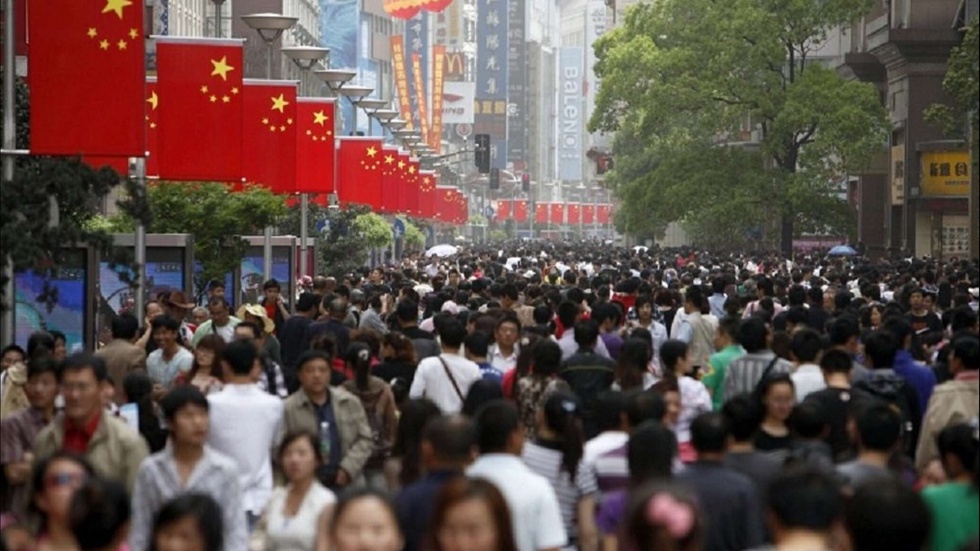
2025, China will have more than 320 million people aged 60 and older,
accounting for approximately 23% of the country's total population.
To tackle this
challenge, the government is implementing concrete measures. For instance, by
2030, at least 70% of urban and rural areas are to be covered by elderly care
facilities. Plans also include establishing mechanisms for regular check-ins
and care for senior citizens in vulnerable situations. Experts point to the
"one-child policy" introduced in the late 1970s as a primary cause of
both the aging population and gender imbalance, which led to a significant
decline in birth rates.
Authorities later
gradually relaxed these restrictions: in 2013, certain families were allowed a
second child; in 2016, the two-child policy was applied to all families; and in
2021, a third child was permitted. Despite these changes, birth rates have not
seen a substantial increase. According to the latest data from kazinform,
China's population decreased by 3.39 million last year, bringing the total to
1.404 billion.