
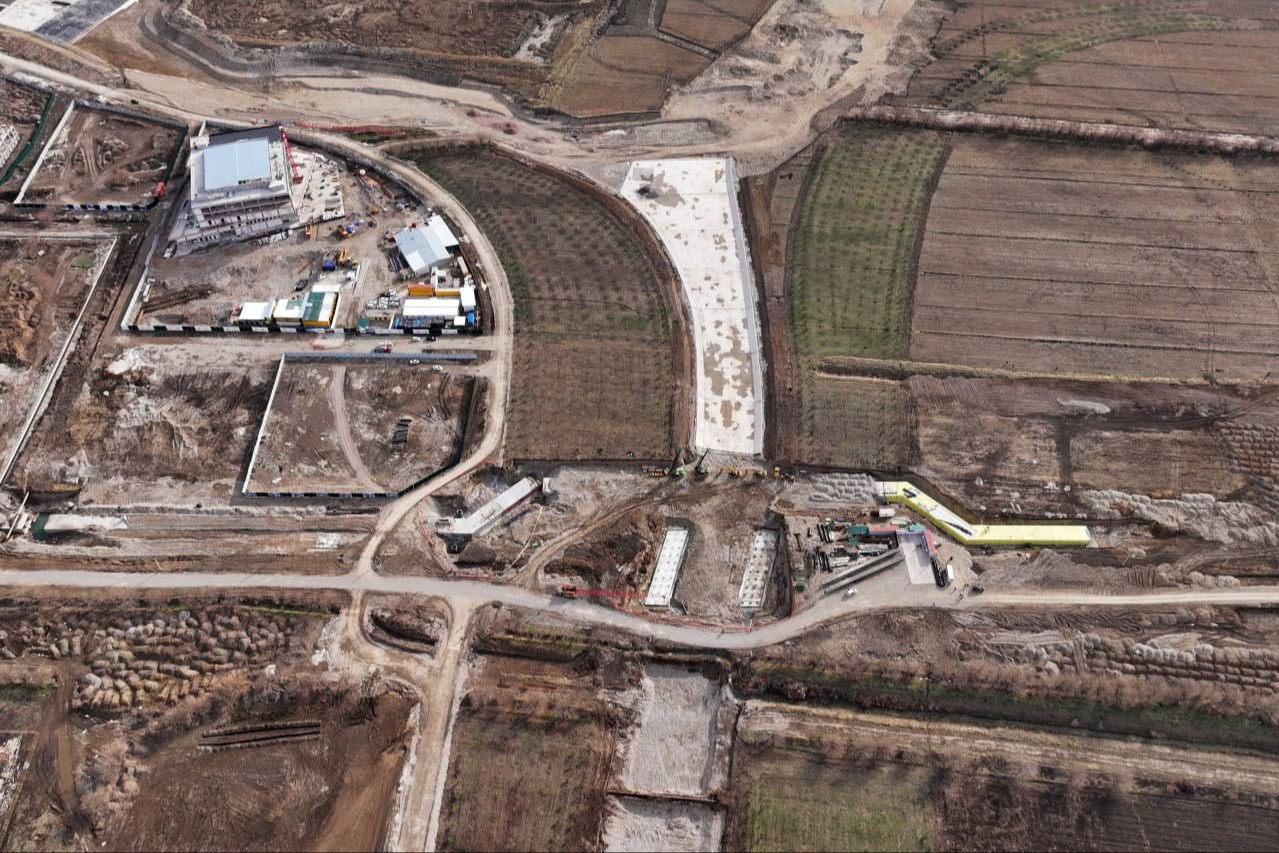
These projects, aimed at strengthening transport links between the capital and New Tashkent, effectively managing traffic flow, and creating a convenient environment for population movement, are of great importance for the development of urban infrastructure.
The new bridge will connect Tashkent and New Tashkent. Its capacity will be 40-50 thousand cars per day. Construction on the first phase of the project will begin at the end of this year.
Particular attention is being paid to environmental protection throughout the project. It is planned to landscape the coastal areas, install energy-efficient lighting systems, and build pedestrian and bicycle paths. There are also plans to lay a two-lane tram line across the bridge.
The future 21-kilometer metro line, which will connect New Tashkent with Tashkent, will include nine modern stations. It will be able to serve 230 thousand passengers daily. The line will be fully integrated into the capital’s existing metro network, forming a single, continuous transport system.
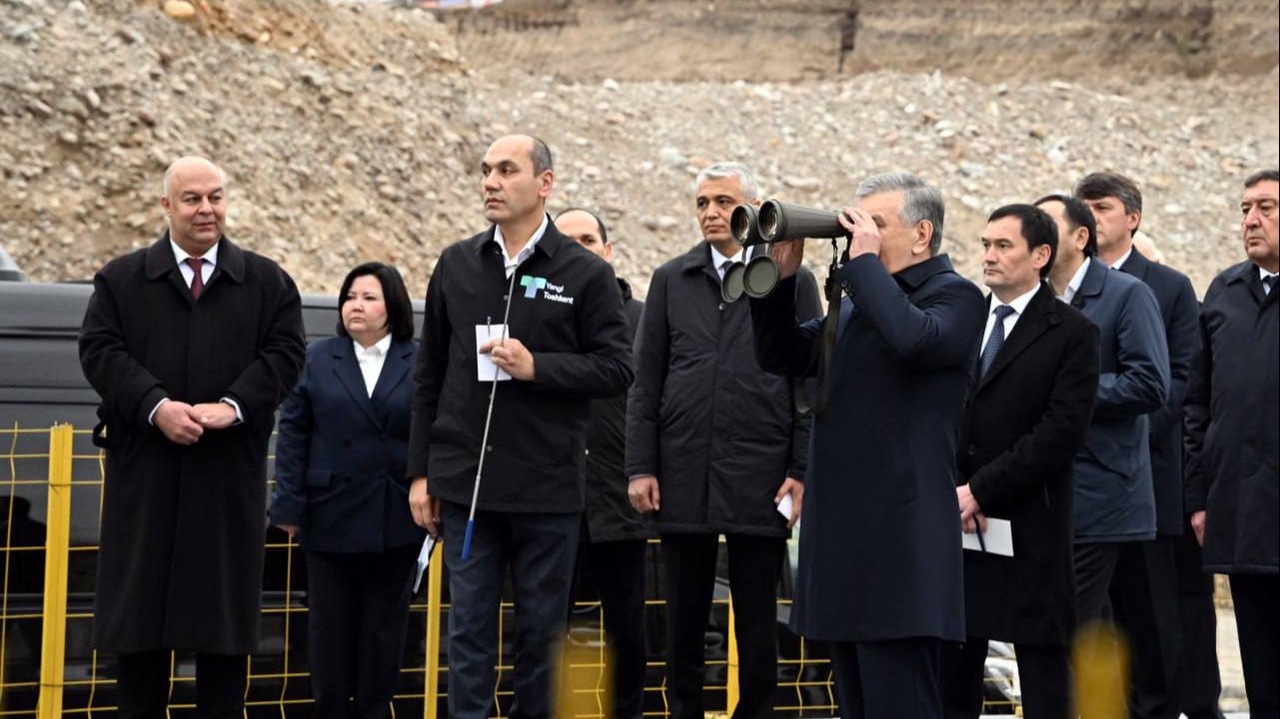
The Head of State reviewed the progress of construction on one of the stations on the future line, which will be integrated with a 20,000-square-meter parking lot. The project clearly distinguishes between car, pedestrian, and public transport flows, with safety and functionality as priorities.
Groundwork and concrete pouring are underway on site. The complex is scheduled for commissioning in 2027.
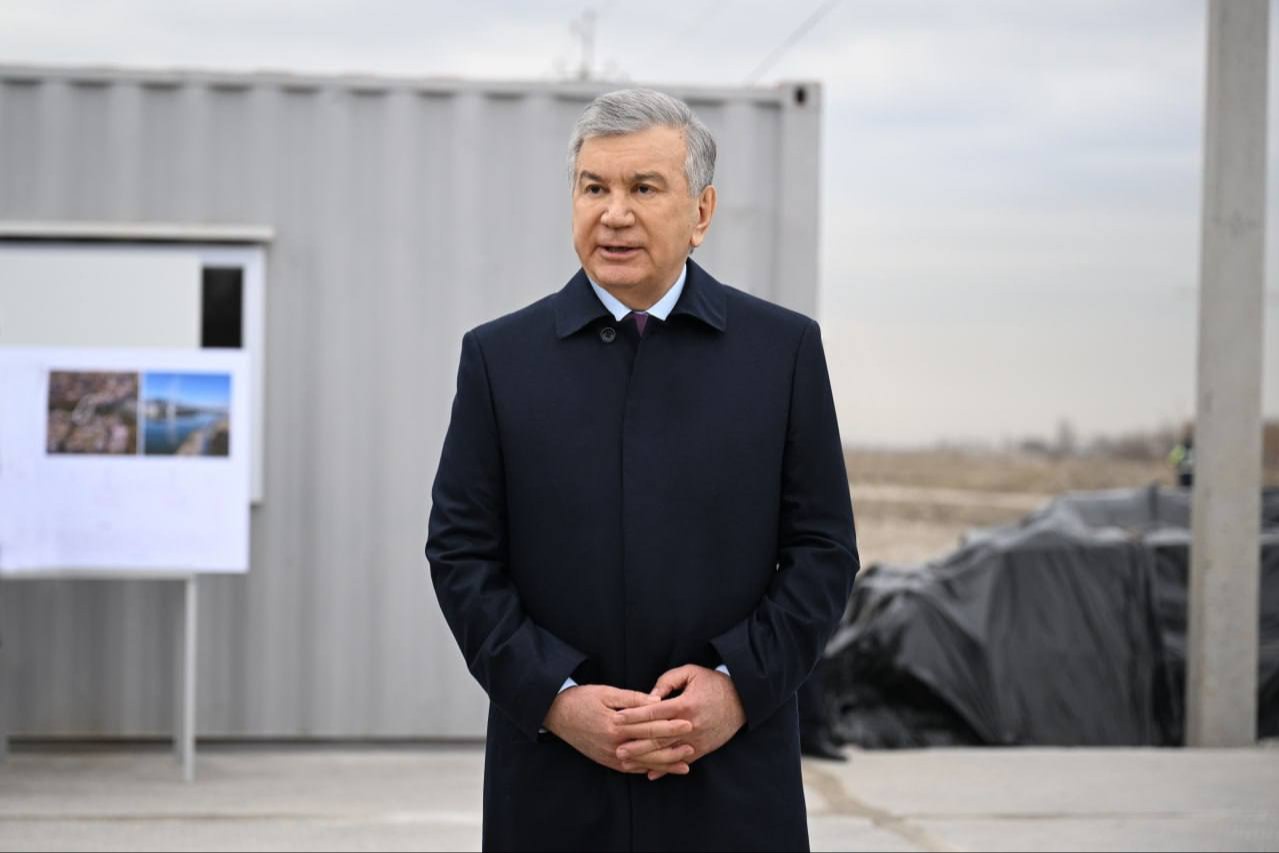
Emphasizing the strategic importance of the projects for New Tashkent, the President gave recommendations to ensure high-quality, timely completion of construction work.