
Large-scale efforts are underway across the country to accelerate the modernization of the energy sector, including the construction of new power plants and substations, the rehabilitation of main transmission grids, and the broad integration of renewable energy sources.
Rising electricity demand, driven by expanding economic sectors and a growing population, requires developing high-voltage power transmission lines. Therefore, there is a strong demand for high-voltage cables in both domestic and international markets.
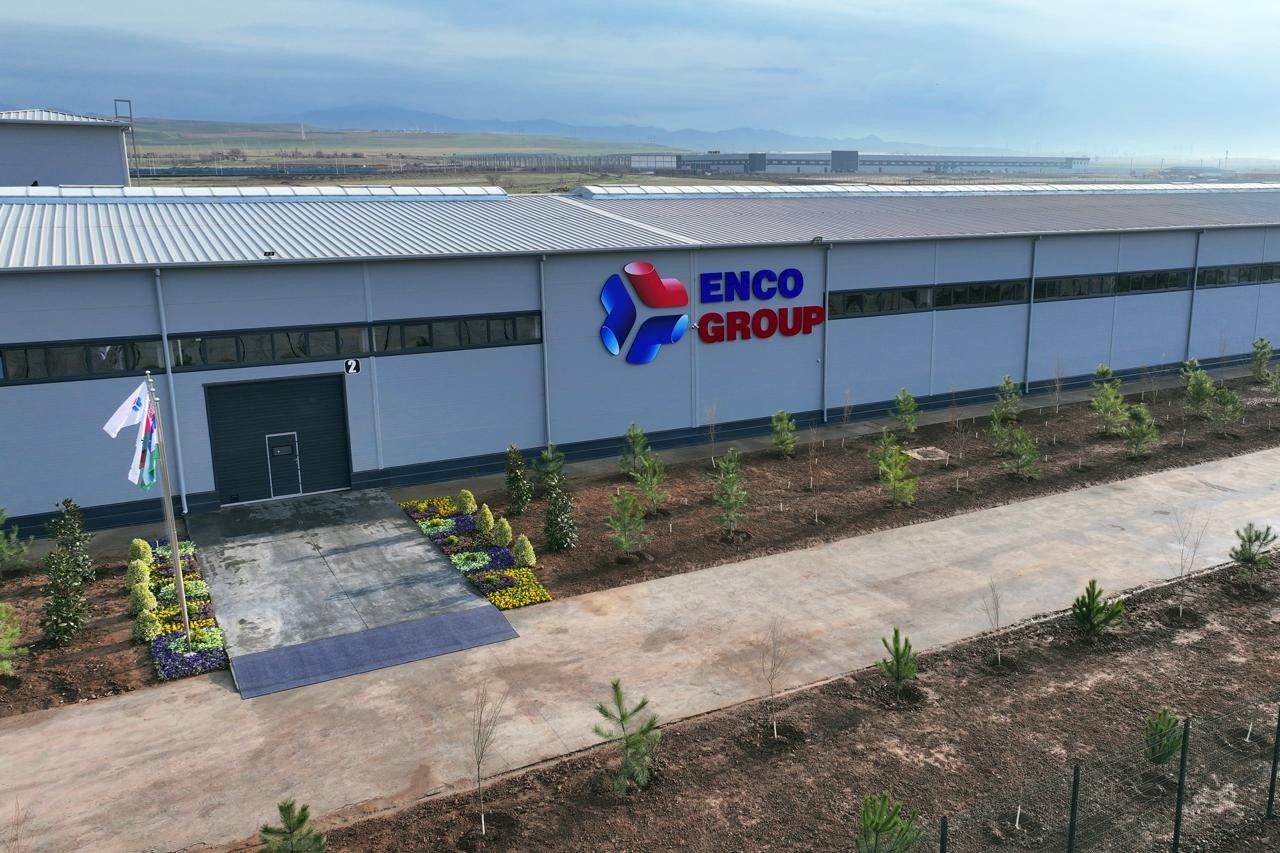
To meet this demand, the Enco Group enterprise is being developed on a 21-hectare site within the Eltech Industrial technopark, in partnership with the Belarusian company Energokomplekt. The total cost of the project is about $60 million. Upon reaching full operational capacity, the facility is expected to create 600 new jobs.
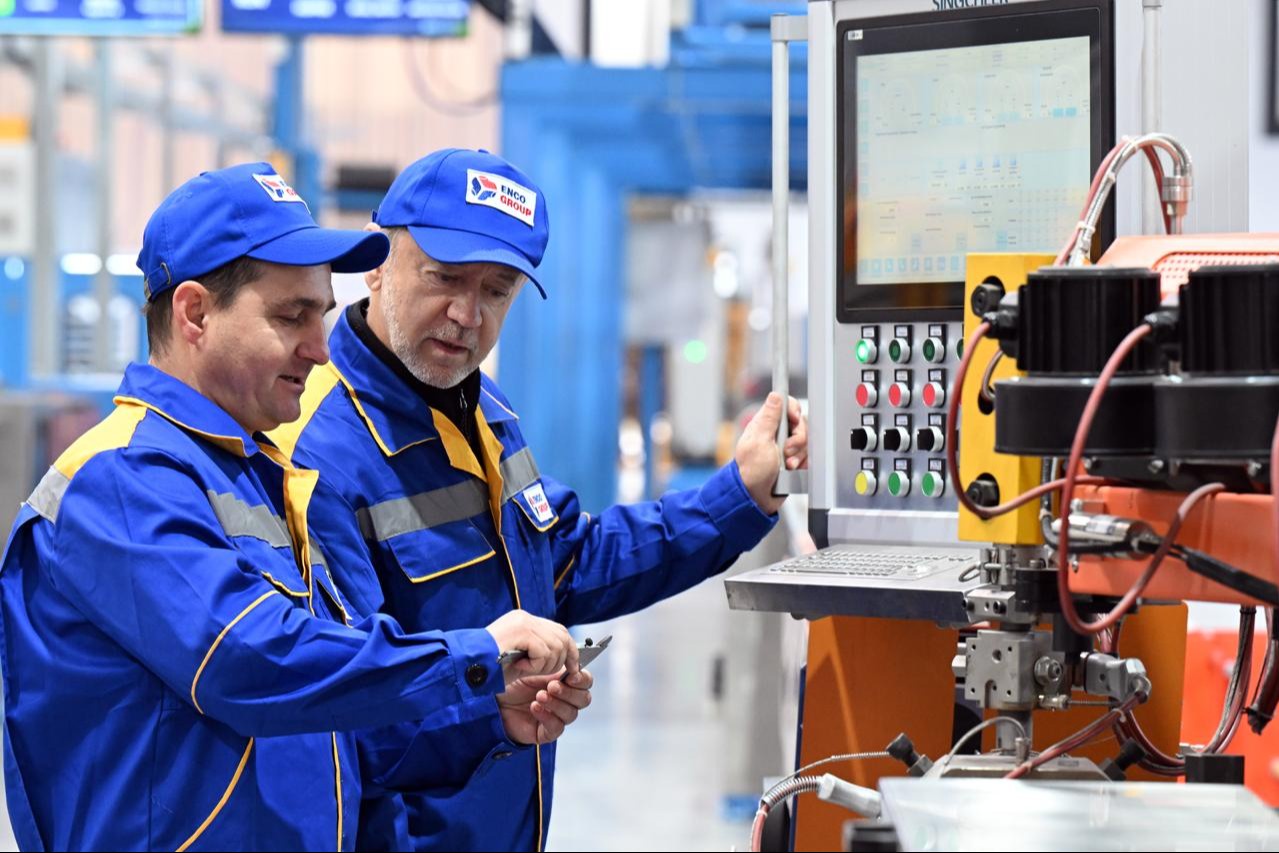
The project is being implemented in two phases. At full capacity, the enterprise is projected to manufacture up to 25,000 tons of products annually, with an export potential estimated at $300 million.
Currently, the first stage of construction is 98 percent complete, and more than $10 million in investment has been made. It is planned to export the enterprise’s products to Germany, Latvia, Estonia, Bulgaria, and the CIS countries. According to preliminary estimates, the annual export volume is expected to reach $140 million.
Last year, high-voltage cable products and insulated copper busbars worth approximately $400 million were imported into the country. Once the enterprise reaches full capacity, it will be possible to produce import-substituting products worth $150 million.
It was noted that Uzbekistan accounts for four of the twelve enterprises operating in this sector across Central Asia. This indicates that the country’s electrical engineering industry is gradually becoming a high-value-added sector.
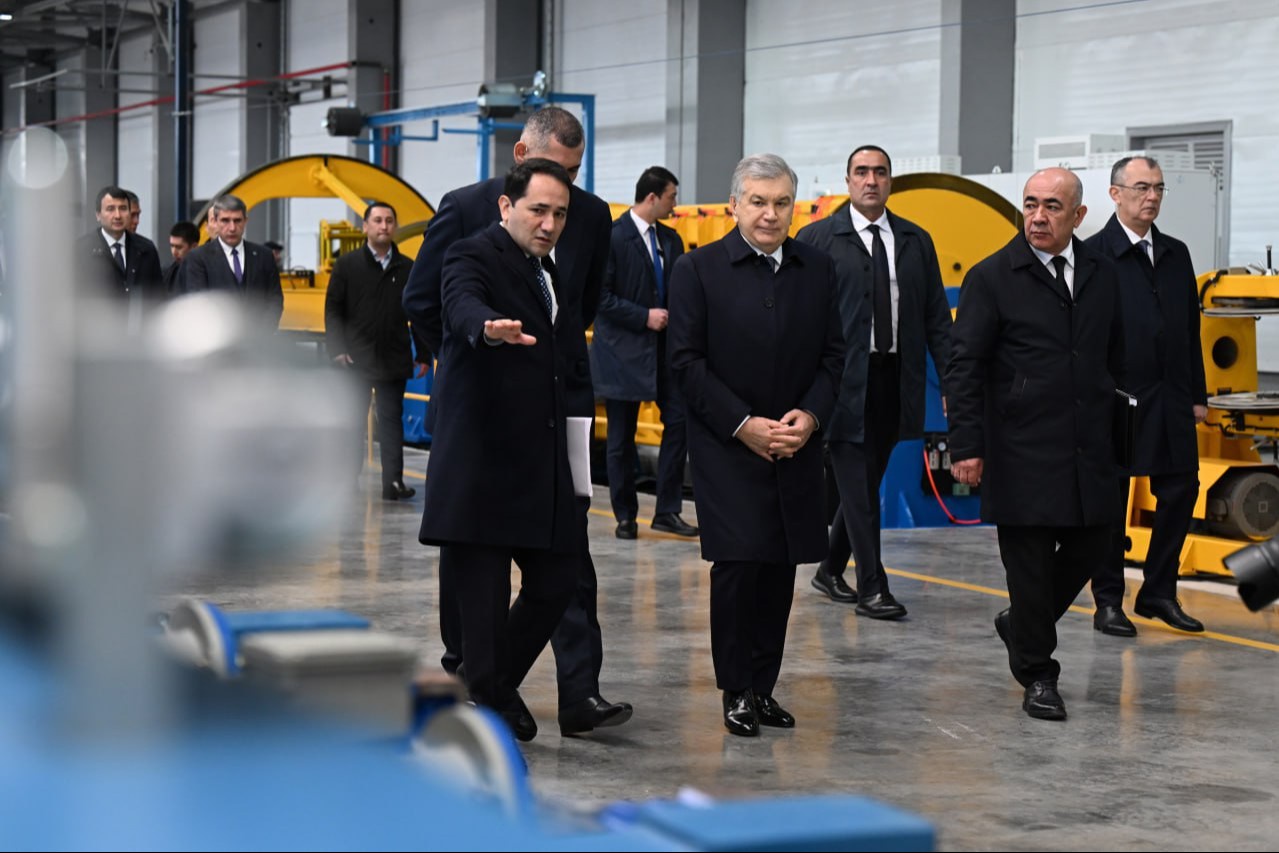
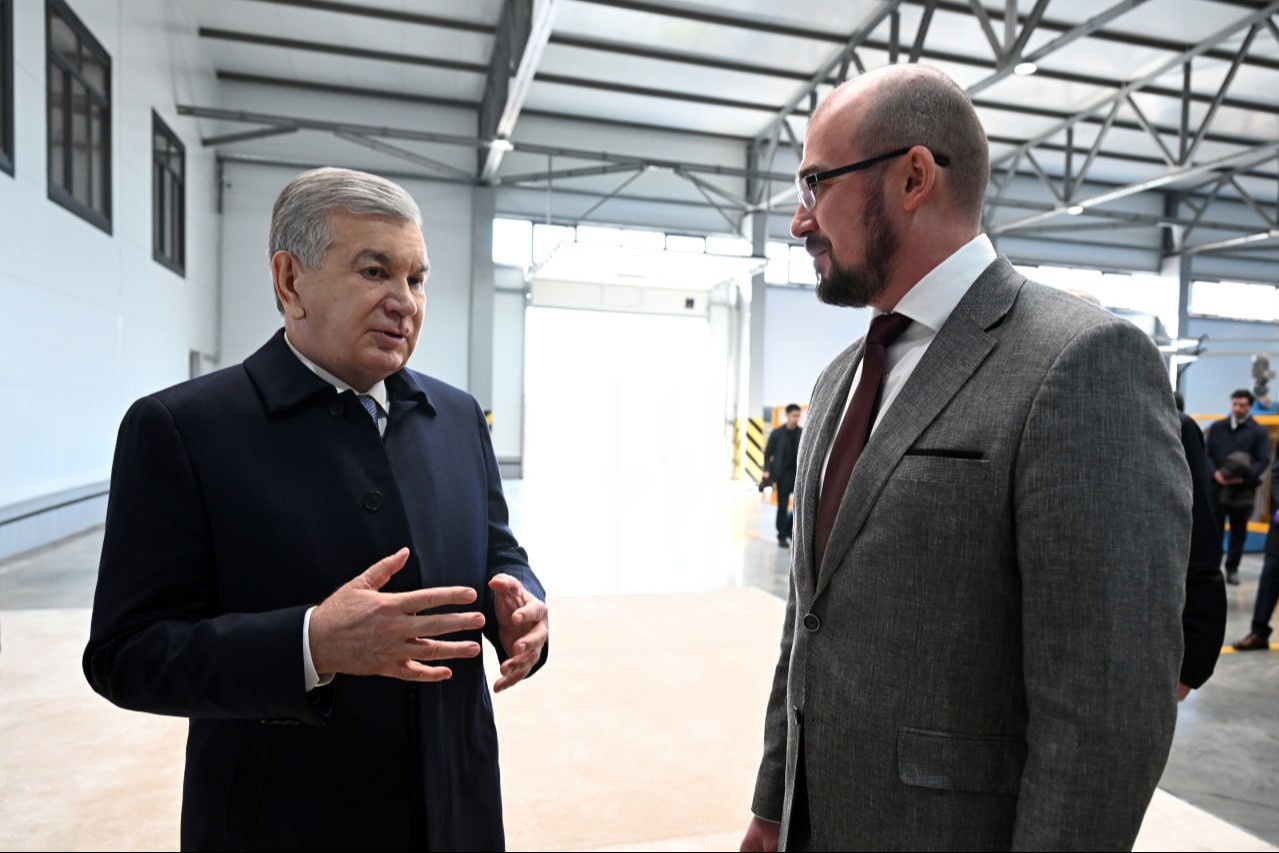
The Head of State was presented with further development plans for the enterprise, proposals to expand production volumes and the product range, and proposals to increase the level of localization.
The President instructed responsible officials to expand industrial cooperation, ensure the efficient use of local raw materials, introduce advanced technologies, and further increase the output of competitive, export-oriented products.