
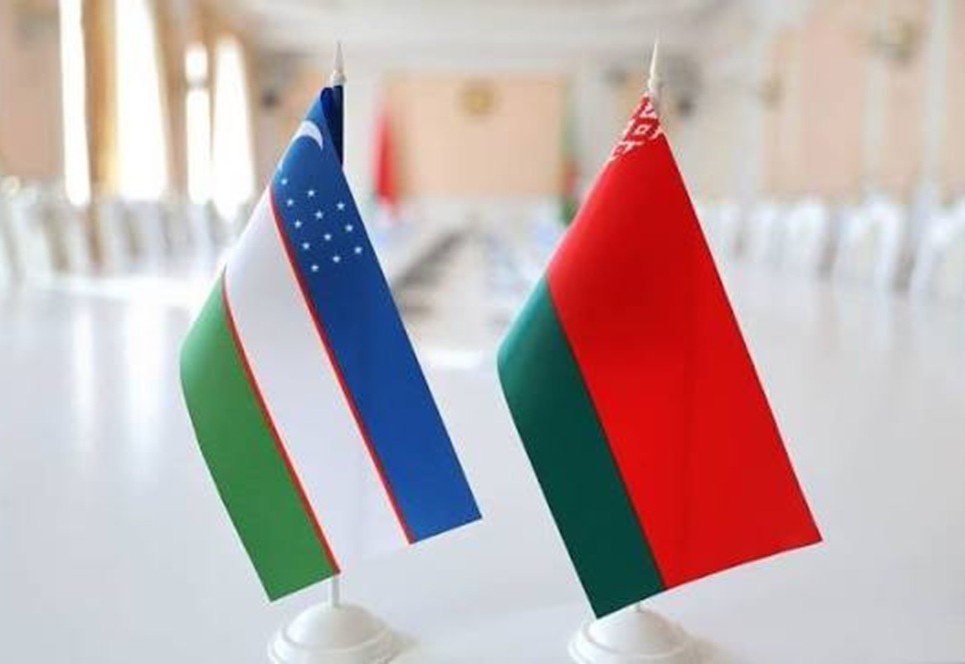
When international relations are discussed, attention usually turns to official visits, signed documents, trade figures and diplomatic statements – all of these matter. For ordinary people, however, foreign policy acquires meaning through results they can feel in everyday life. A new job, a stable income, educational opportunities for their children, reliable protection of labor rights, and a market for their produce are the tangible benefits of diplomacy in people's lives. Politics becomes a real force only when it enters those lives as employment, housing, education, technology and income.
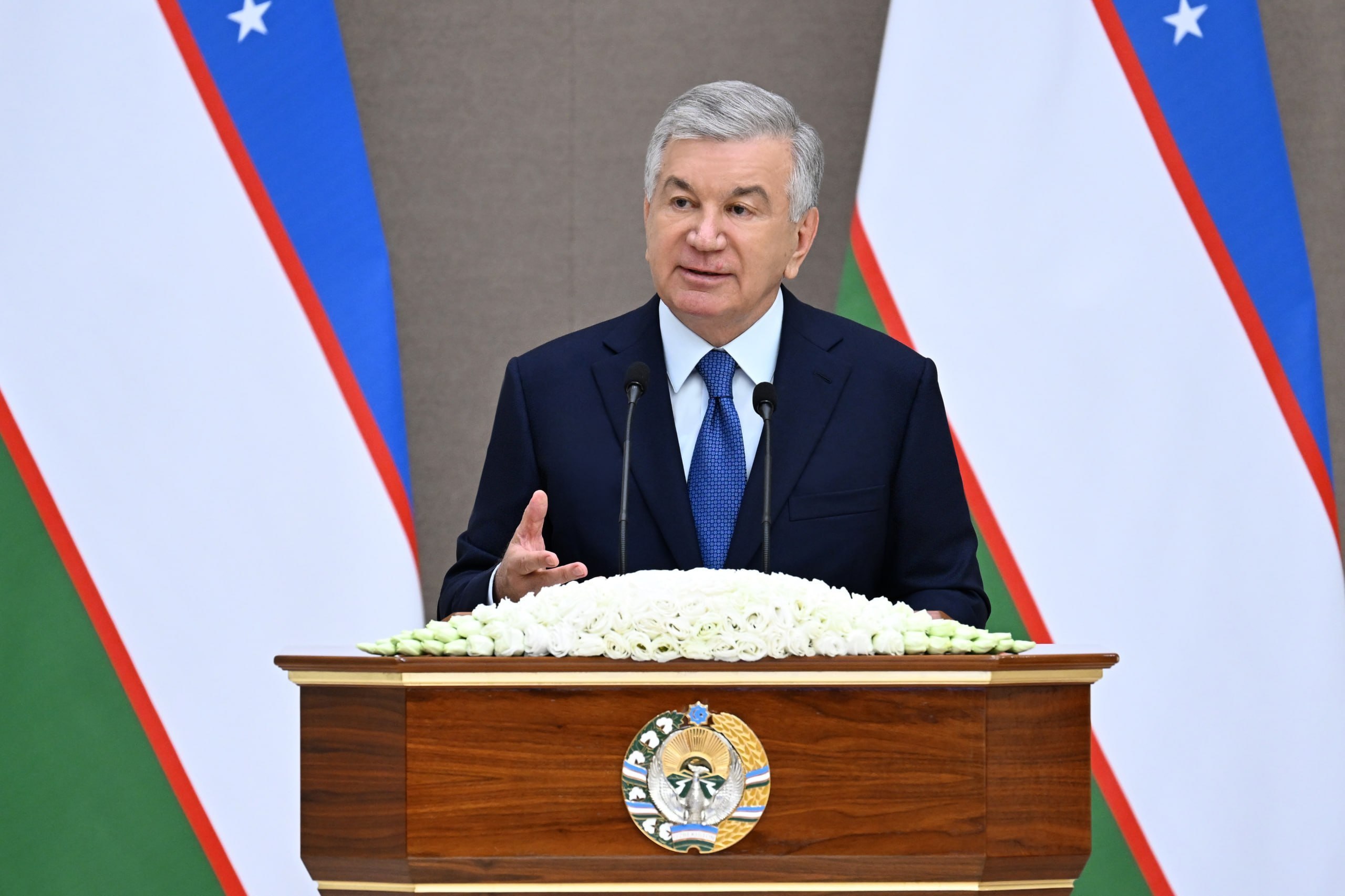
Viewed from this perspective, the historic significance of President Shavkat Mirziyoyev's official visit to the Republic of Belarus on 8–9 July this year becomes even clearer. At the conclusion of the visit, Uzbekistan and Belarus signed a Declaration establishing relations of strategic partnership, and the leaders of the two countries described the event as a new stage in the history of bilateral relations. For me, the most important outcome was also the establishment of a strategic partnership. Yet what gives that phrase real weight is something more: the sincere trust built between the two Presidents has created practical opportunities for ordinary people on a scale that did not previously exist.
Trust is what brings a document to life
Countries can sign agreements and draw up trade plans. But without genuine trust between the parties, many documents remain on paper. The open, sincere and practical dialogue between President Shavkat Mirziyoyev and President of Belarus Alexander Lukashenko has brought new substance to relations between our countries. This can be seen not only in the warm atmosphere of their official meetings but also in the concrete decisions that followed. President Lukashenko openly described these steps as fulfilling a promise made to the President of Uzbekistan. He stressed that Uzbek citizens arriving in Belarus should not feel like outsiders, that decent housing conditions should be created for them, and that their children should be able to attend preschools and schools on equal terms with Belarusian children. This approach goes far beyond the old notion that a worker comes, completes a job and leaves. It considers not only a person's labor but also the family, children, home, social protection and dignity within society. In my observation, never before in the history of relations between Uzbekistan and Belarus have opportunities of this breadth – bringing employment, entrepreneurship, agricultural production, housing and family integration into a single system – been placed on the agenda at this level.
Another important feature of the visit is that the decisions did not disappear into prolonged discussion. As soon as the documents were signed, regions, ministries, businesses and specialists began work on specific projects. Cooperation between Andijan and Vitebsk regions, new livestock complexes, organized employment for citizens and logistics initiatives show how political trust is being converted into practical action within a short period of time.
Opportunity on one side, work and initiative on the other
The economic logic of this cooperation is straightforward. One country has farmland, livestock facilities, production buildings, machinery, technology and a market, while some of its regions need additional workers. The other has hardworking people who know how to cultivate land, raise livestock, farm and build businesses. In such circumstances, bringing the two sets of opportunities together becomes a natural and mutually beneficial solution.
Belarus is offering industrial sites, state-owned assets and extensive agricultural land for investment projects. Nearly 40 percent of the country's territory – close to 8 million hectares – is agricultural land. At the same time, demand for labor is high, particularly in Vitebsk and several other regions. Uzbekistan, meanwhile, has thousands of citizens seeking a new profession and stable income, as well as entrepreneurs ready to establish production abroad. This is not a one-sided arrangement; it is where two needs meet in a mutually beneficial solution. Belarus contributes land, buildings, infrastructure, technology, machinery, seed and scientific and practical support. Uzbekistan contributes labor, initiative, investment, entrepreneurship and market access. Existing facilities are brought into operation; the land is put into production; rural economic life gains new momentum; people earn income; and new products reach the markets of both countries. In this sense, land is finding labor, and labor is finding land.
This is more than labor migration
During the visit, a separate agreement was concluded on the organized recruitment of citizens of Uzbekistan for temporary employment in Belarus. It creates a legal framework in which employment relations are based not on ad hoc intermediaries or verbal promises, but on a mechanism agreed upon by the two states.
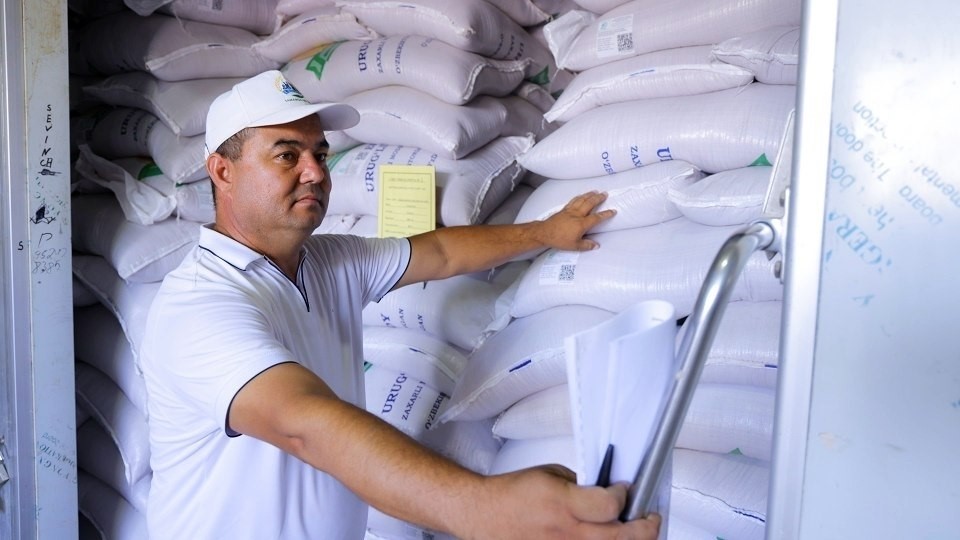
Organized travel to, and employment in, the Vitebsk Region have already been arranged for 255 citizens of the Andijan Region. These 255 people are not merely a statistic. They include experienced farmers, entrepreneurs and young people seeking a new profession; behind each of them is a family and hope for the future. In the first phase, 1,100 citizens are to be selected for jobs at 13 enterprises in Vitebsk and other regions. Beginning in September, 500 residents of Andijan are expected to be placed in jobs each month, bringing the total to 5,000. A representative office of Uzbekistan's Migration Agency is also planned in Vitebsk. Cooperation between Andijan and Vitebsk should not be viewed merely as a two-region pilot. It marks the beginning of a practical model that can directly connect other regions of Uzbekistan with regions of Belarus. Each Uzbek region can bring its entrepreneurs, workforce, products and initiatives, while the Belarusian side offers specific facilities, land, infrastructure and local partners. In this way, relations between the two states move beyond dialogue between capitals and become everyday cooperation among regions, businesses and people.
Citizens may work not only in agriculture, but also in construction, industry, services and certain supporting roles in healthcare. The President of Belarus personally raised the need to renovate or build housing for families and to provide children with equal access to preschool and school education. Yet agreements are only the beginning. To ensure that people's interests are genuinely protected, every citizen's written employment contract must clearly set out, before departure, the workplace and occupation, monthly wage, working hours, living conditions, meals, transport, occupational safety and the terms of return.
President Mirziyoyev therefore instructed that lists of citizens be prepared and that their travel be organized only after workplaces and living conditions have been agreed in advance with the Belarusian side. The role of the Migration Agency's representative office must not be limited to sending people abroad; it should monitor working conditions, respond promptly to concerns and protect workers' rights. We have no right to create a job and then leave the person without protection or oversight. The new model of cooperation must above all be a model of employment founded on human dignity.
A job is the most effective way to reduce poverty
Benefits or one-off assistance can temporarily ease poverty. The most sustainable way to reduce it, however, is to provide people with decent work, skills, knowledge and access to markets. The new job openings in Belarus will not only increase family incomes; they will also give citizens experience of modern working practices, mechanized production and quality and safety standards. A person who arrives today as a worker may tomorrow become a skilled specialist, team leader, technologist or entrepreneur. The initiative can therefore become a program for developing human capital through work. When citizens are employed through an organized, lawful and protected system, their earnings support their families, their children's education, housing and small businesses. Behind a single job often stand the well-being of a whole family, the purchasing power of a local community and new opportunities for enterprise. The economic benefits of decent jobs created in Belarus therefore return to households, communities and the domestic market in Uzbekistan.
Land in Belarus, products for both nations
Another important and distinctive feature of this cooperation is that Uzbek citizens will not go to Belarus solely to work in someone else's enterprise. They are also being offered opportunities to establish their own agribusinesses and to use agricultural facilities and land. An agreement has been reached to bring ten cattle-rearing facilities and 8,000 hectares of land in seven districts of Vitebsk Region into productive use with Uzbek participation. The meat produced there is planned for delivery to Uzbekistan. In Beshankovichy District, a further 2,000 hectares are being offered for potato cultivation, together with storage infrastructure, seed and technological support. The wider agricultural project portfolio also includes major initiatives to establish livestock complexes for 35,000 cattle across 65,000 hectares in Minsk, Vitebsk, Mogilev and Grodno regions with the participation of Uzbek entrepreneurs.
Under this model, a citizen of Uzbekistan does not remain merely a hired worker, but participates as a producer, investor and entrepreneur. Belarus brings its land, buildings, machinery and scientific potential into fuller economic use, while production and employment expand in rural areas. It becomes possible to supply Uzbekistan with meat, potatoes, milk and other products grown or produced with our direct participation. We are no longer simply buyers of a finished product; we become participants in the entire chain of production, processing and delivery. The land remains in Belarus, but Uzbek labor, investment and enterprise are also embedded in it, while the harvest serves the tables of both nations.
Uzbekistan's population is growing, and demand for meat, milk, potatoes, baby food and other quality products is increasing every year. At the same time, our land and water resources are limited. Our first responsibility, of course, is to use our own land efficiently, raise productivity and increase domestic production. Modern food security, however, depends not only on what is grown within national borders. It also requires trusted partnerships, diversified supply, joint production abroad, reliable logistics and access to markets. Raising cattle in an area with sufficient water and feed resources, processing the meat there and delivering it to Uzbekistan under agreed arrangements can reduce pressure on our natural resources and strengthen the resilience of food supplies. This is not the one-sided use of another country's resources; it is modern agricultural cooperation founded on law, investment, leasing, labor and mutual economic benefit. This is the practical economics of strategic partnership.
Cooperation did not begin yesterday
The present new stage did not emerge from nowhere. It rests on trust and practical experience built over recent years. Trade between the two countries has nearly tripled over the past five years and approached $1 billion by the end of last year. Since the beginning of this year, it has grown by a further 30 percent. Today, 360 joint ventures involving the two countries are operating successfully. The parties have agreed on concrete measures to raise total trade to $2 billion and agricultural and food trade to $1 billion by 2030. Uzbekistan can supply Belarus with fresh and processed fruit and vegetables, grapes, melons, pulses, nuts and dried fruit. Belarus, in turn, can supply the Uzbek market with breeding cattle, meat, poultry products, butter, milk powder, baby food and other products in strong demand.
A practical example of this cooperation is the development of a fully integrated poultry cluster in the Tashkent Region with the participation of Belarus's Servolux Group. Incubation, broiler production, feed manufacturing, slaughter, processing and the production of finished goods are being brought together in a single chain. Once the project reaches full capacity, it is expected to create thousands of jobs, help supply the domestic market and establish exports to other Central Asian markets. That experience is now developing into a broad system of cooperation – from poultry to livestock, from potato seed production to berry growing, and from baby food to logistics.
From potatoes to baby food
Belarus has a strong scientific and practical tradition in seed potato production, dairy and beef cattle farming, advanced food processing, veterinary medicine, agricultural engineering and agricultural science. In previous years, five Belarus-bred potato varieties were tested in different regions of Uzbekistan. In vitro plants of the promising ‘Liliya’ and ‘Yuliya’ varieties were propagated and planted in the Tashkent, Andijan, Samarkand and Kashkadarya regions, where high-grade seed stock was produced. During this visit, we agreed with our Belarusian partners to establish local production of new elite Belarusian potato varieties in Uzbekistan, including ‘Pershatsvet’. At the same time, new opportunities are emerging for Uzbek entrepreneurs to grow potatoes in Belarus itself and to use seed material and advanced agricultural technologies jointly.
At the Research Institute of Horticulture named after Academician Makhmud Mirzaev, we plan to expand experimental and demonstration plots for berry crops, including honeysuckle, drawing on Belarusian experience, and initially to raise 33,000 seedlings on 10 hectares. Cooperation is also being developed with Bellakt, Gamma Vkusa and other Belarusian enterprises to produce baby food, milk, butter, cottage cheese, cheese and other products for the Uzbek market. This cooperation will allow us to master the full baby-food production chain–from formulation, quality control and safety assurance to the processing of raw materials into finished products. When we speak of food security, we must consider not only the quantity of food, but also its quality and its importance to the health of mothers and children.
Science at the new stage of cooperation
During the visit, I took part in several meetings with the leadership of the National Academy of Sciences of Belarus, agricultural officials and representatives of scientific institutions. Those discussions confirmed an important point for me once again: the value of cooperation with Belarus is not limited to land, livestock and machinery. Another major strength lies in the scientific traditions developed over many years in breeding, seed production, veterinary medicine, mechanization and agricultural education.
The Scientific and Practical Center of the National Academy of Sciences of Belarus for Arable Farming in Zhodino has significant experience in crop breeding, elite seed production, genetic resources, resource-efficient agricultural technologies and precision farming. Cooperation with this center by representatives of Uzbekistan's Research Institute of Plant Genetic Resources and the National Gene Bank to collect, study, conserve and use genetic resources began earlier. The next step is to develop joint programs in cattle genetics; work with high-performing Holstein, Simmental, Belarusian Red, Hereford and Angus breeds; improve farm biosecurity; train artificial insemination technicians; and provide professional development for livestock specialists. Belplemzhivobedineniye and the Vitebsk State Academy of Veterinary Medicine are expected to participate in this work.
Plans also include exchanges of faculty members, researchers, master's students and undergraduates among Tashkent State Agrarian University, Belarusian universities and scientific and practical centers, as well as joint conferences, seminars, field demonstrations and professional development courses. The central principle is clear: scientific cooperation must not remain merely scientist-to-scientist or paper-to-paper. It must move from the laboratory to the farm, from results on the farm into production, and from production to the market and people's incomes. True science is science that enters life.
A school of technology and new markets
Working or building a business in Belarus will also allow Uzbek specialists to experience a different climate, production culture and technological environment. Considerable attention is given to automation in livestock facilities, precise ration formulation, breeding control, milk and meat quality, cold chains, veterinary oversight, product sorting, packaging and processing. A person working in such an environment learns more than a single operation. They see the entire production chain – from seed or genetic material through husbandry, veterinary care, feed and production to processing, quality assurance, packaging, logistics and the market. These skills and this knowledge then return to Uzbekistan.
Belarus is an important partner for us not only as a source of products and jobs, but also as a country whose experience in agricultural technologies, training skilled personnel and industrial-scale farming can benefit us. Today, a partner who merely sells finished machinery or equipment is no longer enough. We need partners with whom we can jointly master technologies, localize production, train engineers and technologists, and build servicing and spare-parts systems. Belarus's strong engineering tradition and its experience in machinery, agricultural mechanization and long-term industrial cooperation are especially valuable in this respect. Genuine partnership begins when we move beyond buying a finished product and learn together how to create it.
New logistics hubs, direct block-train services, and trading houses can serve as bridges to deliver the two countries' products more quickly and affordably, and later to reach other markets. A task has been set to launch an intermodal logistics hub for export and import cargo at Orsha station and to establish direct block-train services.
Behind the figures are people – and responsibility
A major economic portfolio was assembled during the preparations for and conduct of the visit. It provides for 310 projects and measures worth nearly $2 billion across agriculture, machinery, pharmaceuticals, textiles, wood processing, healthcare and other sectors. The detailed cooperation program includes 53 agricultural projects alone, worth more than $424 million. These figures acquire meaning through implementation. If the projects create jobs, raise family incomes, bring thousands of hectares into productive economic use, give specialists new knowledge and skills and deliver quality food reliably and at affordable prices to our people, then $424 million becomes operating farms, productive land and stable incomes.
The political will of the two Presidents has created a major opportunity. The responsibility now rests with ministries, regional administrations, agencies, banks, entrepreneurs, scientists and migration authorities to turn that opportunity into concrete results – and not leave people waiting at the open door. Every agreement must become a defined project, and every project must have a practical business plan, designated land or production facilities, a source of finance and a market. Every job must come with a written contract and decent working conditions, while every scientific program must produce visible results in a field or on a farm. President Mirziyoyev stressed that every agreement must become a specific project, a new enterprise, additional trade volumes and a decent job. That is the right standard: trust creates opportunity, while discipline, sound calculation and responsibility deliver results.
The outcome now depends on us
This visit laid the foundation for bringing the two countries' capabilities together. The next task is to assess the economics of each plan carefully, provide citizens with vocational and language training, maintain continuous oversight of employment contracts, provide entrepreneurs with financial and legal support, and ensure product quality and reliable logistics. No matter how large the agreements may be, their value depends on the discipline with which they are implemented and the extent to which they serve people's interests.
The most difficult stage was creating this opportunity through the two leaders' political will, personal trust and a shared sense of responsibility for the future of our peoples. We must now develop it through honest work, sound calculation and discipline, turning land into harvests, harvests into products, products into income and income into human well-being. The true harvest of friendship is not found in ceremonial words or signed documents alone; it is visible in people's lives. It is the worker receiving a decent wage, the young person learning a new skill and modern technology, the family able to send a child to school with peace of mind, the farm brought back into production and quality goods reaching the market. Above all, it should bring greater prosperity to the tables of both nations and a secure future to their families.
A new door has opened in Belarus. We must now step through it with confidence, while putting sound calculation, discipline and human dignity first.
Ibrokhim Abdurakhmonov
Minister of Agriculture of the Republic of Uzbekistan, Academician