
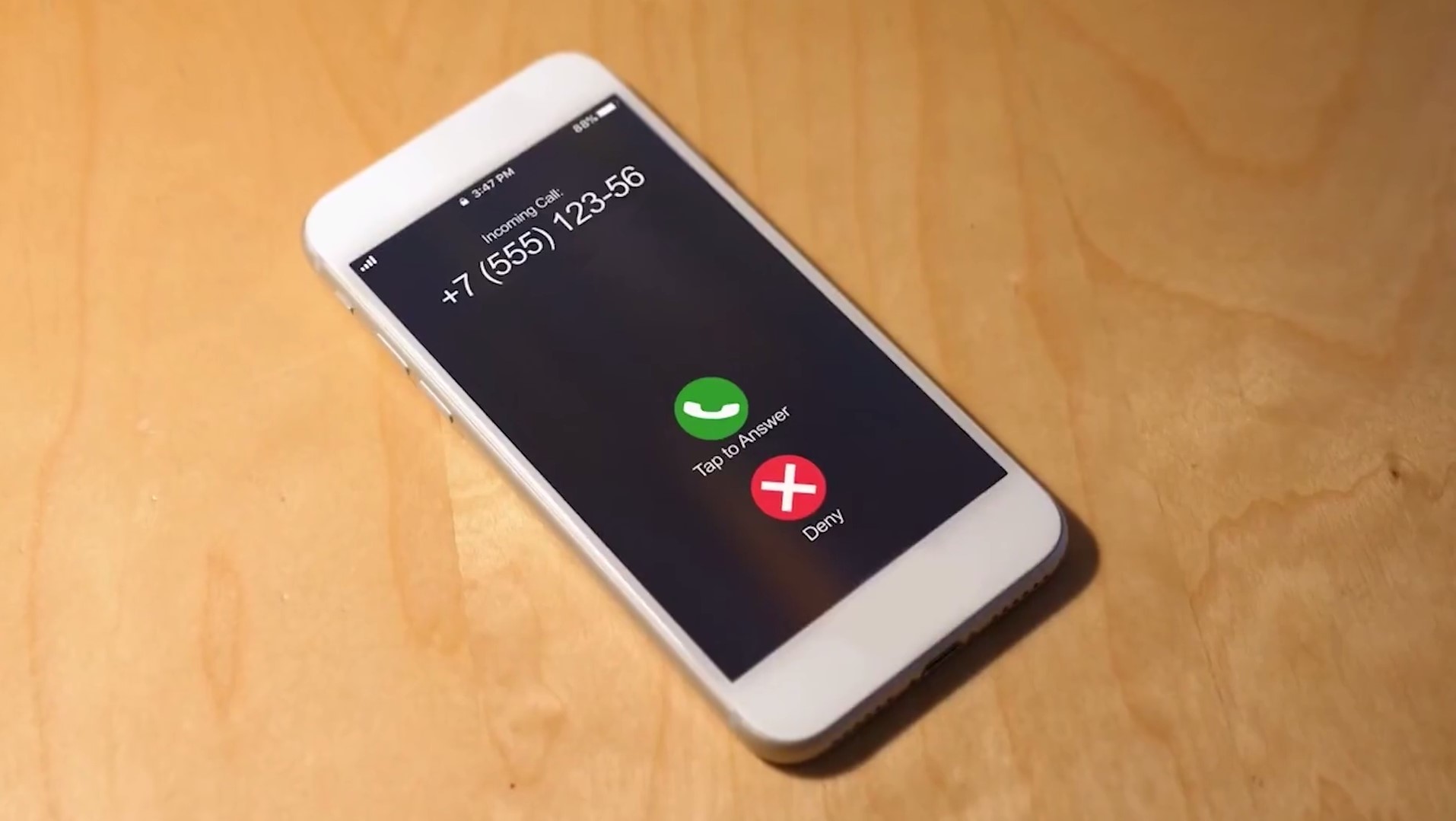
It has been reported that fraudsters use sophisticated technology to mask their identities, displaying any country's phone number on the recipient's screen. These temporary, "spoofed" numbers are not linked to physical SIM cards, making it extremely difficult to trace the origin or identity of the caller.
Such calls pose several risks to subscribers. Specifically, redialing these foreign numbers can lead to significant charges being deducted from the user's phone balance. Furthermore, scammers often impersonate employees of various organizations to obtain personal data and bank card codes.
Experts warn that even answering the call confirms that the number is active, which may lead to an increase in future fraudulent attacks. Additionally, there is a risk that the recipient's voice could be recorded and later manipulated using Artificial Intelligence to create "deepfake" audio to deceive relatives and friends.
The State Security Service (SSS) advises citizens not to answer calls from unknown or suspicious foreign numbers, to avoid calling them back, and to block such numbers immediately. Citizens are also strongly urged never to disclose personal information to strangers.