


Developing
entrepreneurship, increasing the share of small and medium-sized businesses in
the economy, and expanding their access to financial resources are among the
key areas of reform in New Uzbekistan.
In recent
years, several programs have been implemented in this area, and mechanisms for
providing entrepreneurs with loans, compensation, guarantees, and other forms
of financial support have been expanded. At the same time, it was noted that
certain barriers remain to small and medium-sized businesses’ access to
financial services.
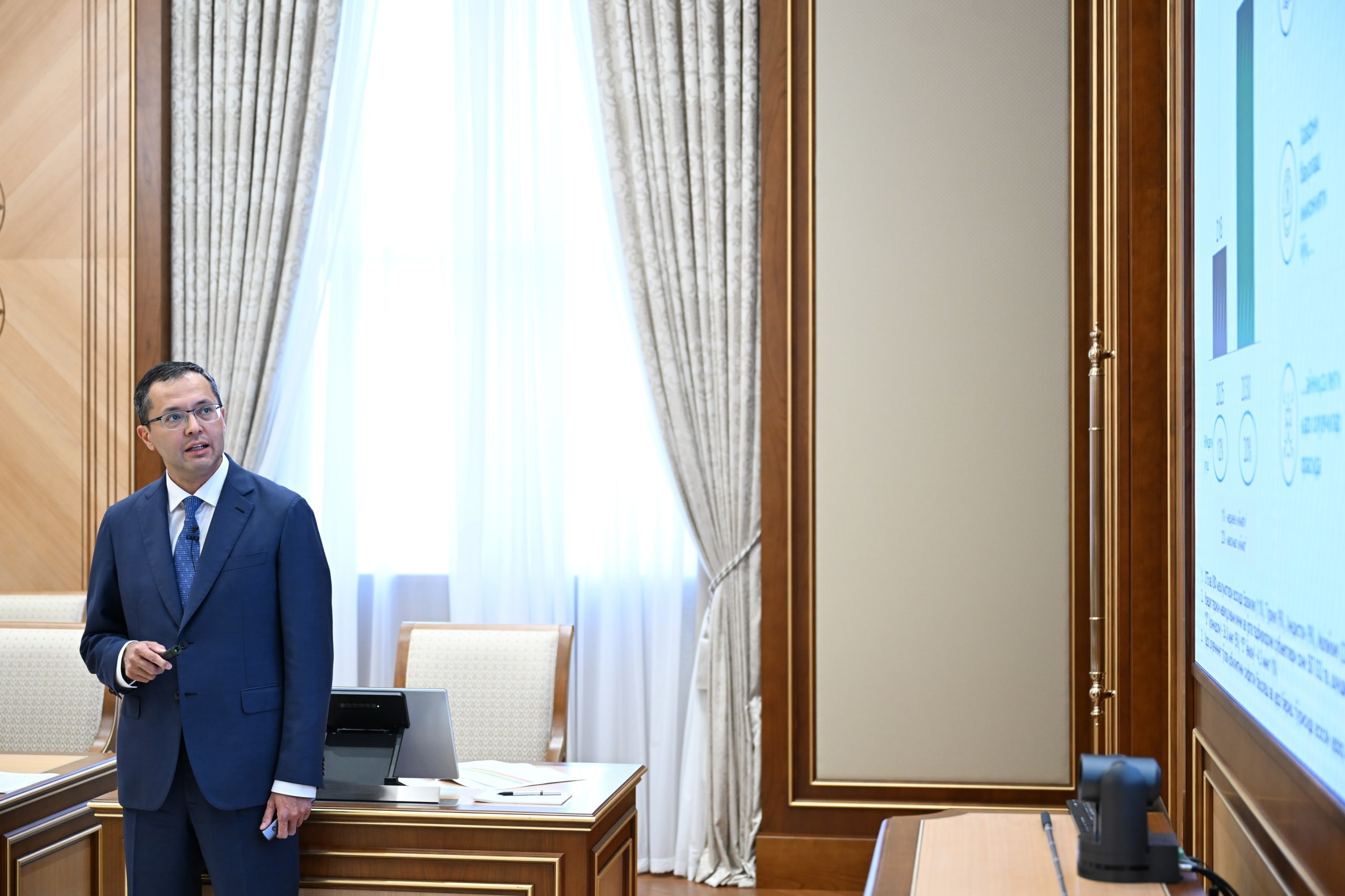
Today, the
loan portfolio allocated to small and medium-sized businesses totals 218
trillion UZS, or 12 percent of gross domestic product. At the same time, the
share of unsecured microloans issued online remains low. The process of
providing such microloans takes an average of 7 days. Entrepreneurs do not have
the opportunity to receive offers from several banks in one place, compare
them, and choose the most suitable terms.
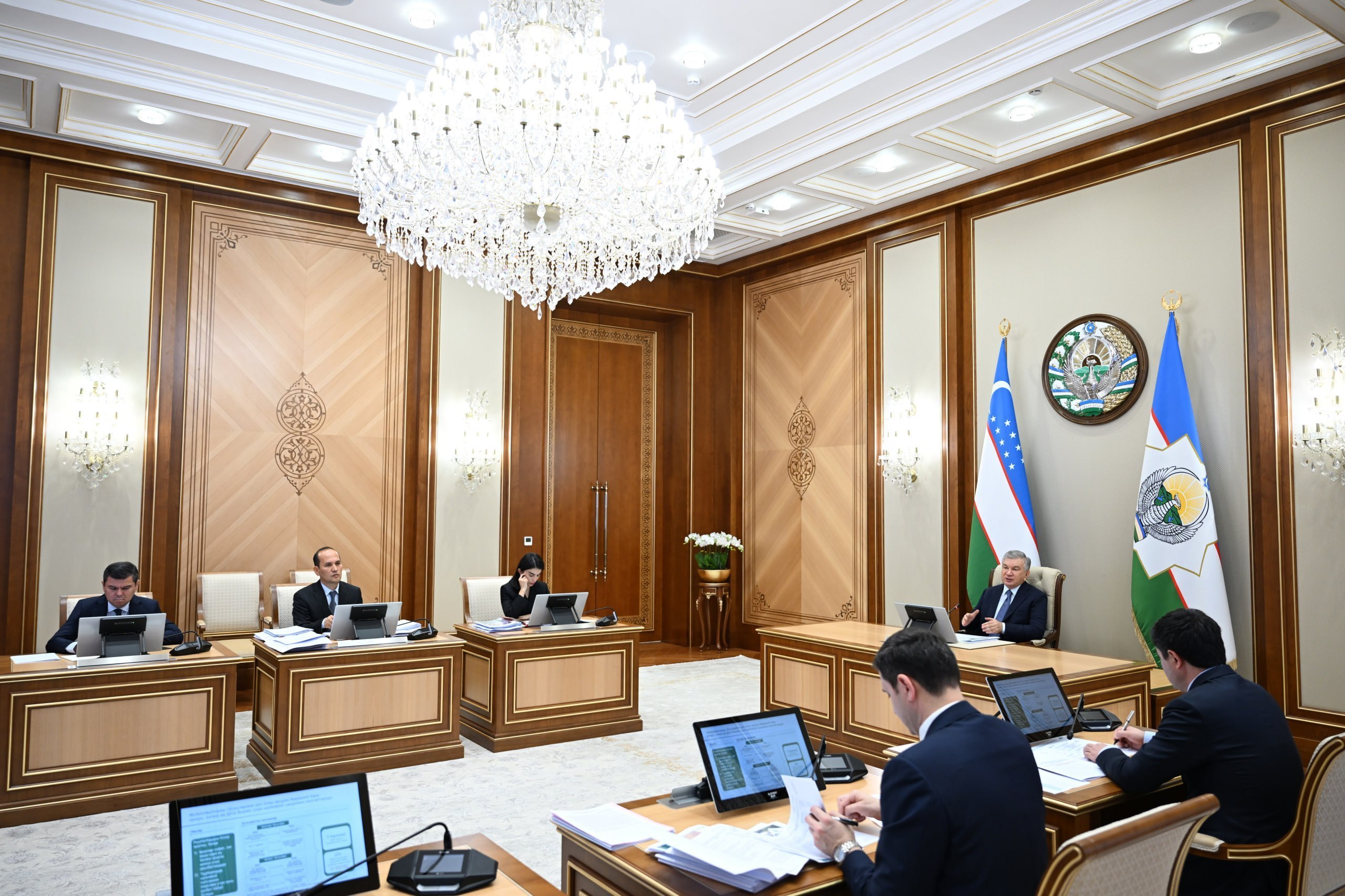
In this
regard, the presentation proposed launching a digital financial platform.
Through it, entrepreneurs will be able to submit a loan application, receive
commercial offers from several banks, compare them, and choose the most
convenient option.
The
platform will be integrated with the Electronic Government system’s digital
databases. Information on small and medium-sized businesses will be
automatically transmitted to banks. This will reduce the need for document
collection, save time, and minimize the human factor in reviewing loan
applications.
Starting
December 1, 2026, an alternative scoring model that uses elements of artificial
intelligence is planned to be introduced on the platform.
While
traditional scoring is primarily based on credit history, alternative scoring
considers business activity, utility payments, turnover, tax records, and other
digital data. This will enable the assessment of entrepreneurs without a credit
history and expand their access to financial services.
In the
future, artificial intelligence will be used to generate recommendations for
improving entrepreneurs’ credit histories, assessing potential risks, and
developing their businesses.
The launch
of an “AI Consultant” program by commercial banks is also planned. It will help
develop business ideas and identify opportunities to finance them, taking into
account the specialization of mahallas and their growth points.
Additional
preferences are planned as part of the continuous small business support
program. For entrepreneurs who have previously used a microloan under this
program and have a positive credit history, the unsecured portion of the
microloan will be increased from 100 million to 200 million UZS.
In
addition, regardless of the size of the loan or lease, part of the interest
expenses on amounts up to 5 billion UZS will be compensated.
It was
proposed to allocate annual grants of up to 300 million UZS to 100 business
entities that have expanded their operations and achieved strong results, to
cover expenses related to digitalization, the adoption of international
standards, and the implementation of green technologies.
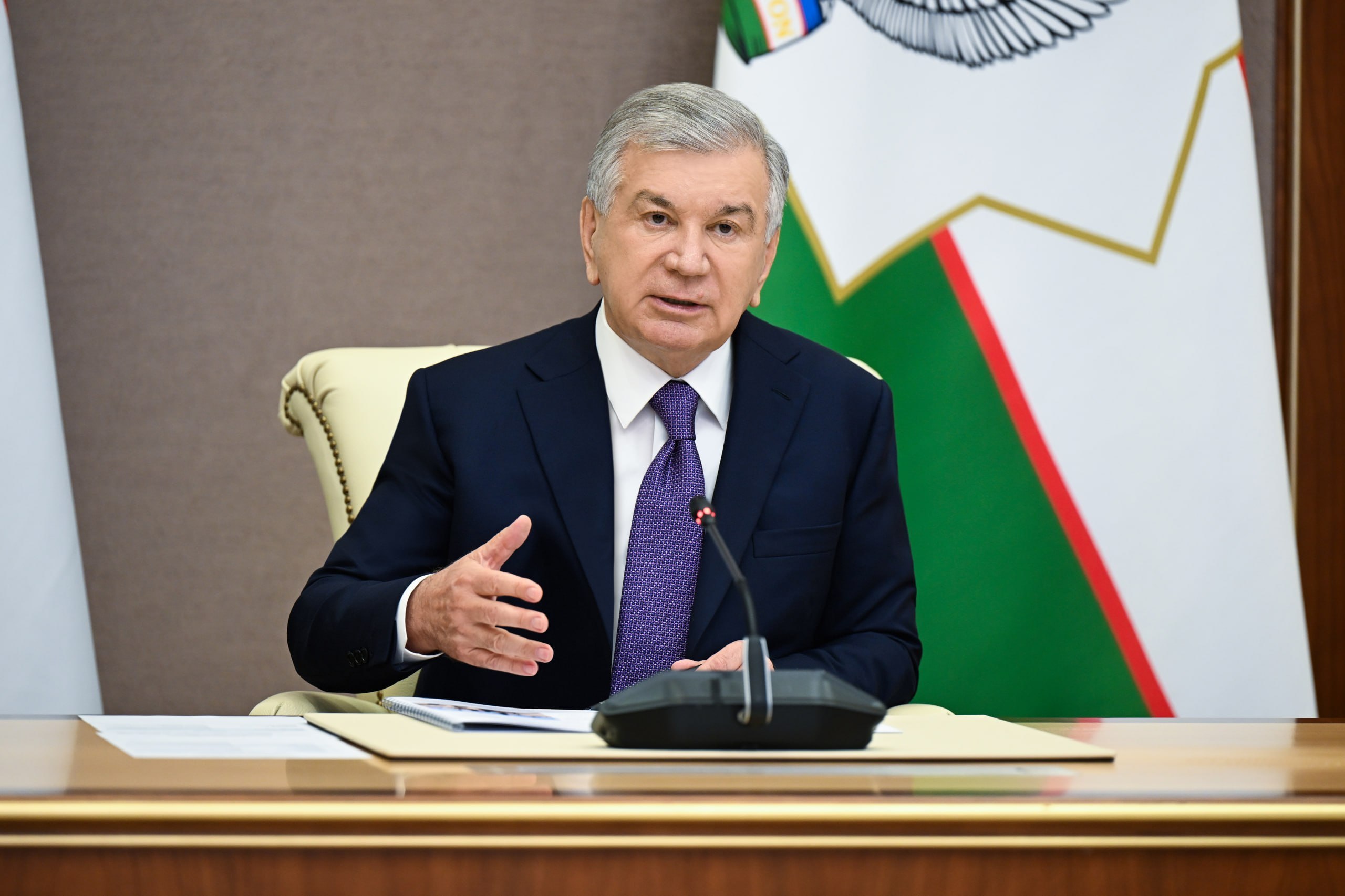
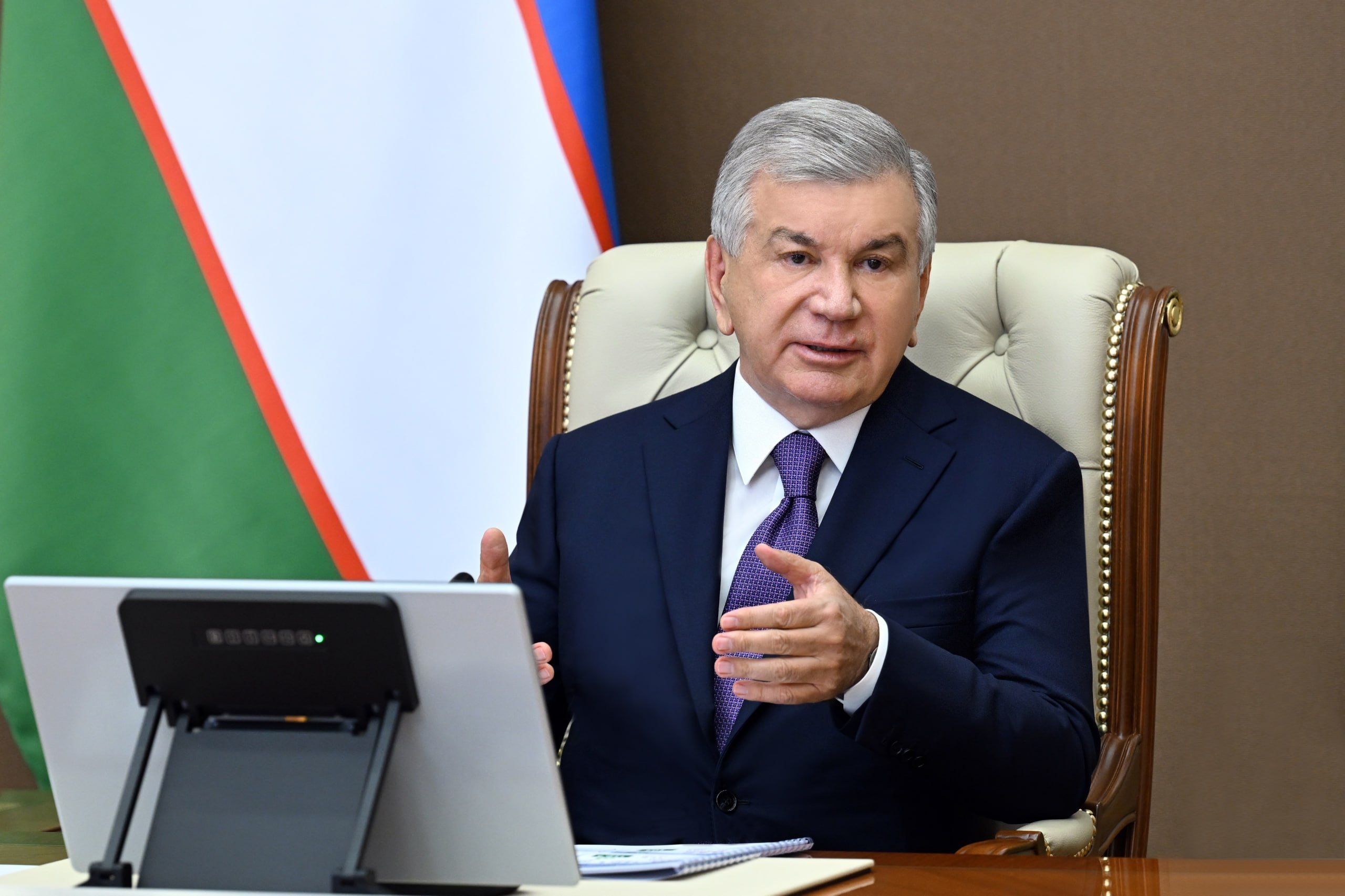
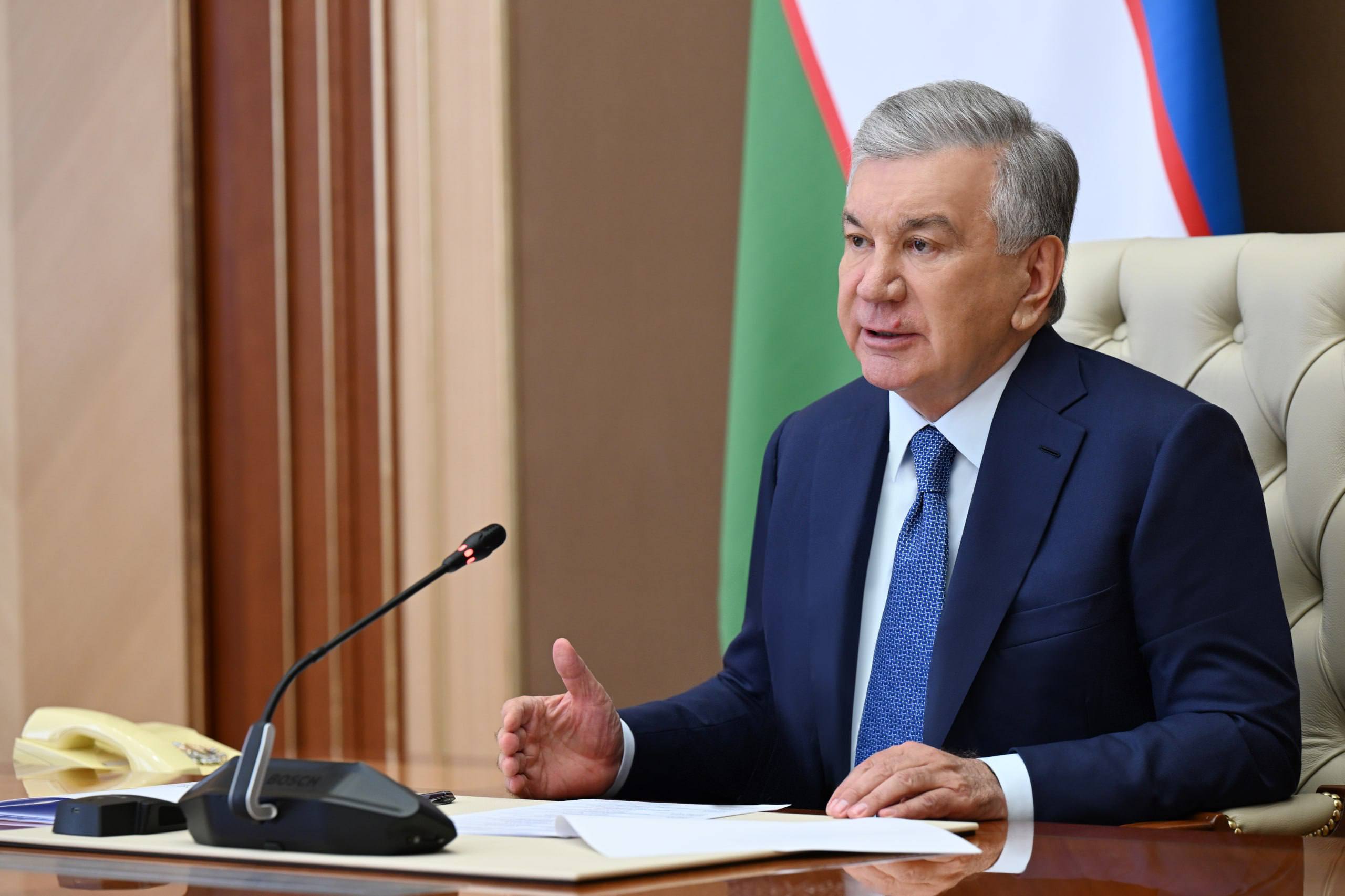
The Head of
State approved the proposals presented and instructed responsible officials to
expand access to financial services for small and medium-sized businesses
without a credit history, and to ensure platform security and data protection.