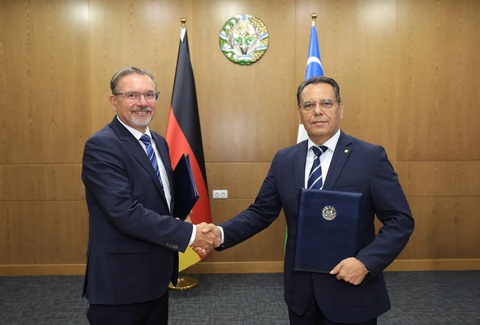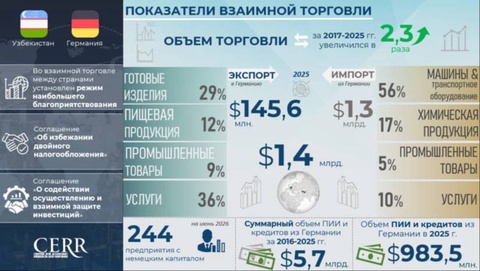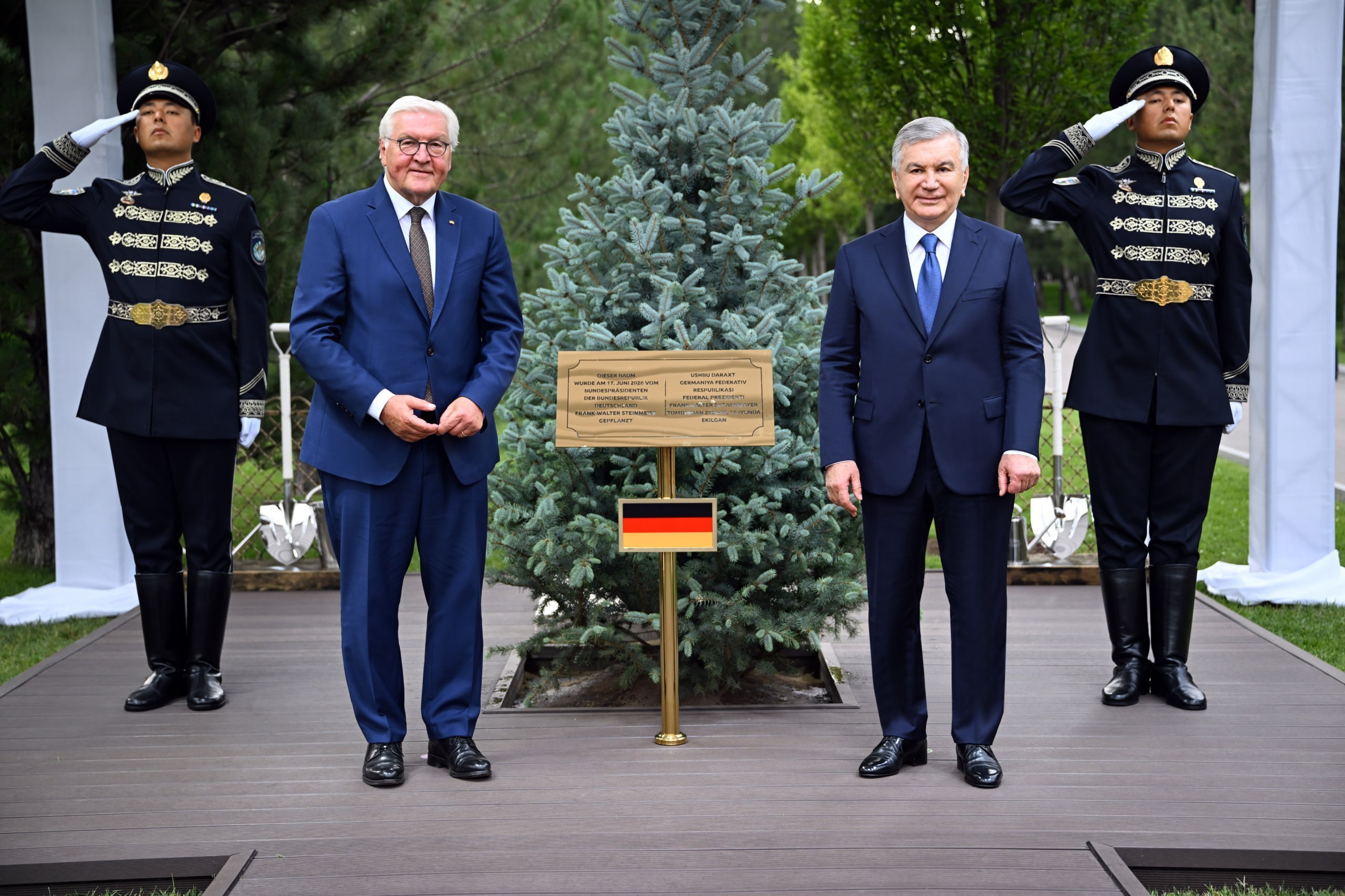

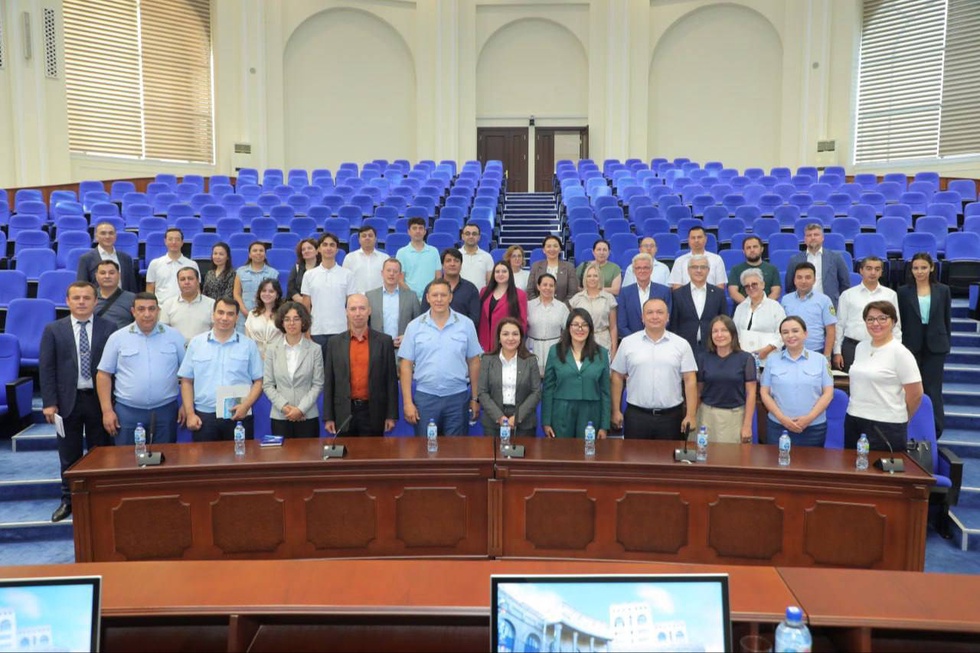
The meeting
was attended by the heads of relevant departments and offices of the Tax
Committee.
The
dialogue was initiated by the German Economic Union in Uzbekistan (VDWU), whose
representatives identified a number of pressing issues related to tax
administration and business conditions.
According
to the results of the first seven months of 2026, 46,600 employees are working
at enterprises with German participation, which demonstrates positive dynamics
compared to the same period last year. The payroll has increased by
approximately 7%.
In the
first eight months of this year, enterprises with German participation paid
taxes in excess of 5.1 trillion soums, which is about 8% more than last year.
The volume of VAT reimbursed amounted to about 219 billion soums, more than
two-thirds higher than last year's level. At the same time, the companies took
advantage of tax benefits in the amount of over 1.3 trillion soums.
Special
attention was paid to the conditions of activity of foreign investors.
Uzbekistan maintains competitive tax rates: the corporate income tax is 15%,
and the VAT rate is 12%. An agreement on the avoidance of double taxation has
been in force between Uzbekistan and Germany since 1999.
Starting
from January 1, 2027, an automated VAT refund procedure will be introduced for
taxpayers with a low risk level, which will make the relevant procedures more
efficient and convenient for businesses.
Representatives
of German businesses were also provided with information about the specifics of
applying the simplified VAT payment procedure.
During the
meeting, the heads of relevant departments examined the current issues arising
in the activities of German companies and discussed possible ways to resolve
them promptly.
In
particular, the situation identified by Papenburg Uzbekistan was examined in
detail. The company’s representatives drew attention to certain difficulties
arising from differences in the timing of information updates and
synchronization in the information systems of government agencies, which in
some cases may lead to additional administrative costs for businesses.
In this
regard, the parties discussed further improvement of interdepartmental
information interaction and improvement of the quality and efficiency of data
exchange. It was also noted that with the development of digital tax
administration tools, it is important to maintain the possibility of direct
interaction between taxpayers and tax authorities on issues requiring
individual consideration.
Representatives
of German business suggested the creation of a special operational
communication channel through which responsible specialists of the Tax
Committee could directly advise taxpayers on emerging practical issues.
Following
the meeting, the parties agreed to develop this format of interaction on a
regular basis. The possibility of appointing a responsible contact person for
German investors to promptly address practical issues is also being considered.
Such
meetings not only make it possible to identify and resolve specific issues that
businesses face in a timely manner but also contribute to the further
improvement of tax administration, increasing its transparency and taking into
account the practical needs of investors operating in Uzbekistan.