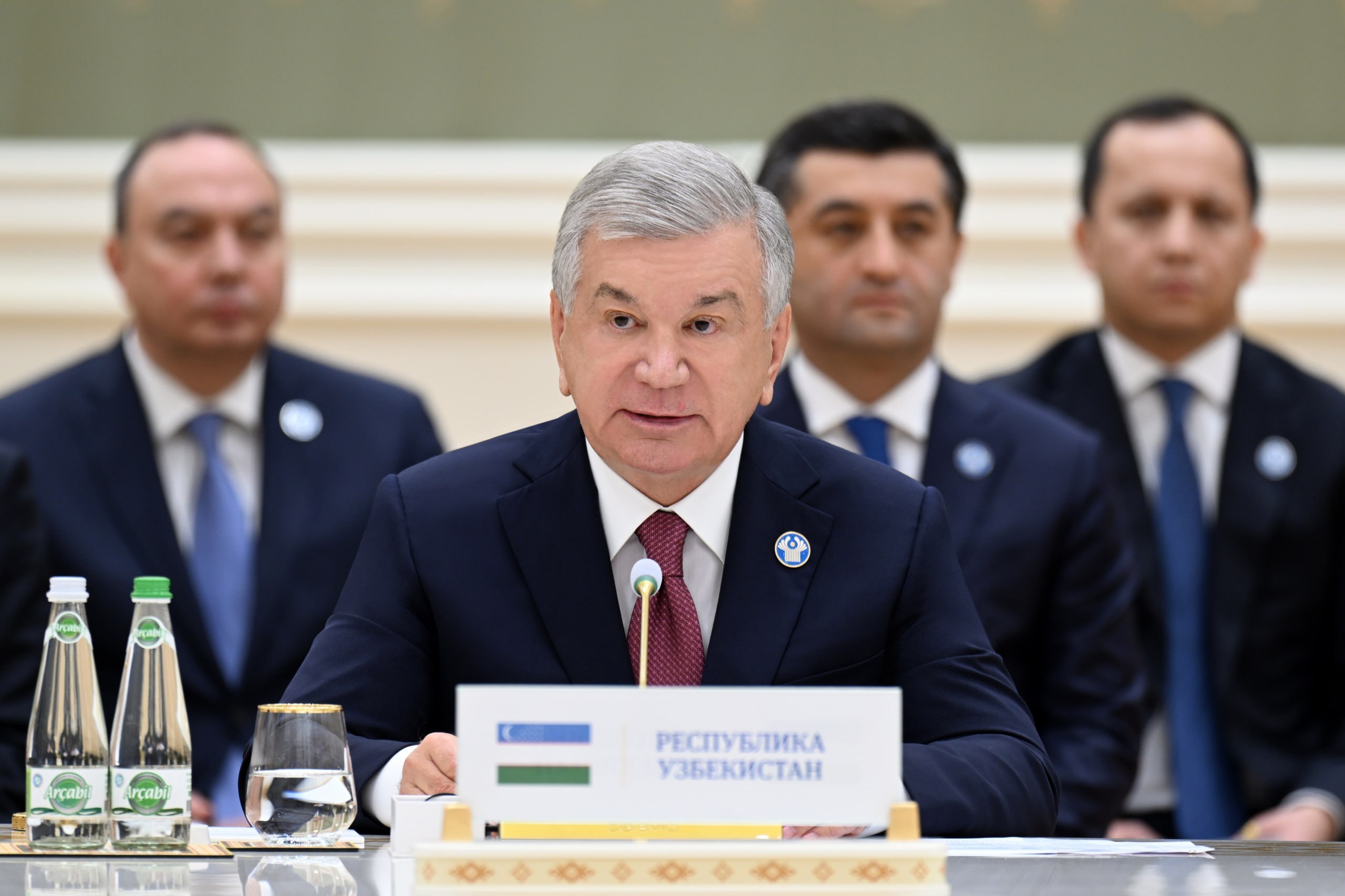

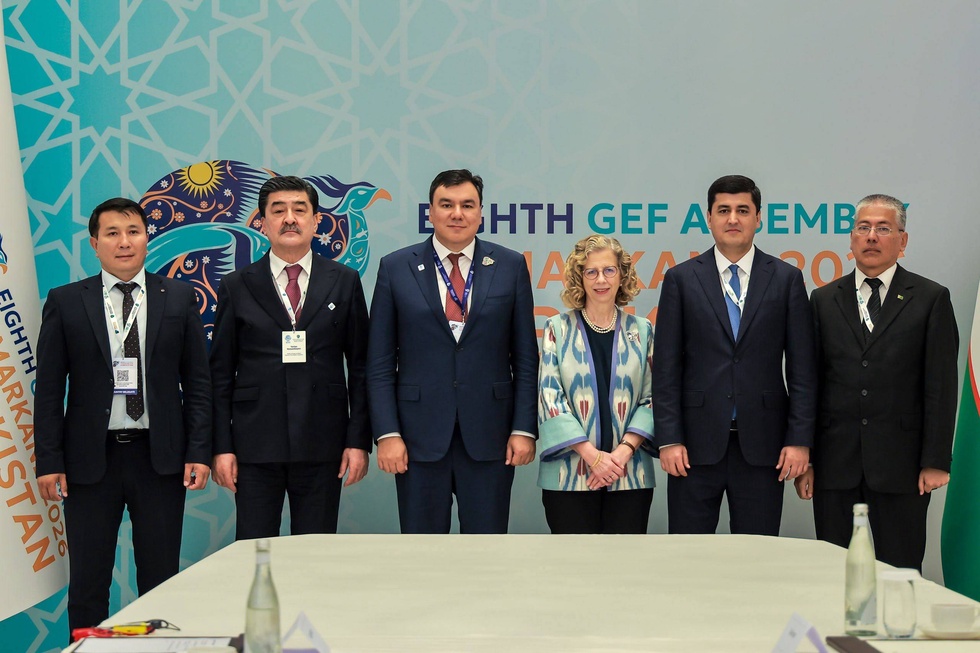
The meeting
was attended by Aziz Abdukhakimov, Adviser to the President of the Republic of
Uzbekistan, Chairman of the National Committee on Ecology and Climate Change,
Yerlan Nysanbayev, Minister of Ecology and Natural Resources of Kazakhstan,
Bahodur Sheralizoda, Chairman of the Committee on Environmental Protection
under the Government of Tajikistan, as well as representatives of Kyrgyzstan
and Turkmenistan.
During the
meeting, the parties discussed priority areas of regional environmental
cooperation and further strengthening of partnership with UNEP. It was noted
that in recent years, unprecedented attention has been paid to environmental
protection and the climate agenda in Central Asia at the level of the heads of
State of the region. This was confirmed by the Samarkand Climate Forum in 2025
and the Regional Environmental Summit held in Astana.
One of the
key topics of the talks was the initiative to improve air quality and develop
the Interstate Clean Air Coalition. The participants discussed the joint
development with UNEP of a regional project aimed at reducing the impact of
sand and dust storms on public health and the ecology of Central Asian cities.
It was
noted that in the future, the initiative could be expanded to a full-fledged
regional program, including air quality monitoring and forecasting systems,
environmental data exchange and coordination of measures to reduce
transboundary pollution.
Special
attention was paid to the initiative to create a Regional Atlas of
Environmental Changes in Central Asia. Uzbekistan presented the experience of
developing a National Environmental Atlas, launched with the support of UNEP in
2025. On this basis, it is proposed to form a single regional atlas that will
consolidate environmental data from the countries of the region and provide a
comprehensive assessment of environmental trends in Central Asia.
The meeting
also discussed issues of Central Asian countries' positioning within the
framework of the Montreal Protocol, as well as the region's institutional
representation in the UN and UNEP systems. The parties stressed the importance
of strengthening the role of Central Asia in international environmental
processes and the need to better take into account the modern needs of the
countries of the region.
The meeting
participants confirmed their interest in further strengthening cooperation with
UNEP to promote sustainable development, environmental sustainability and
climate security in Central Asia.