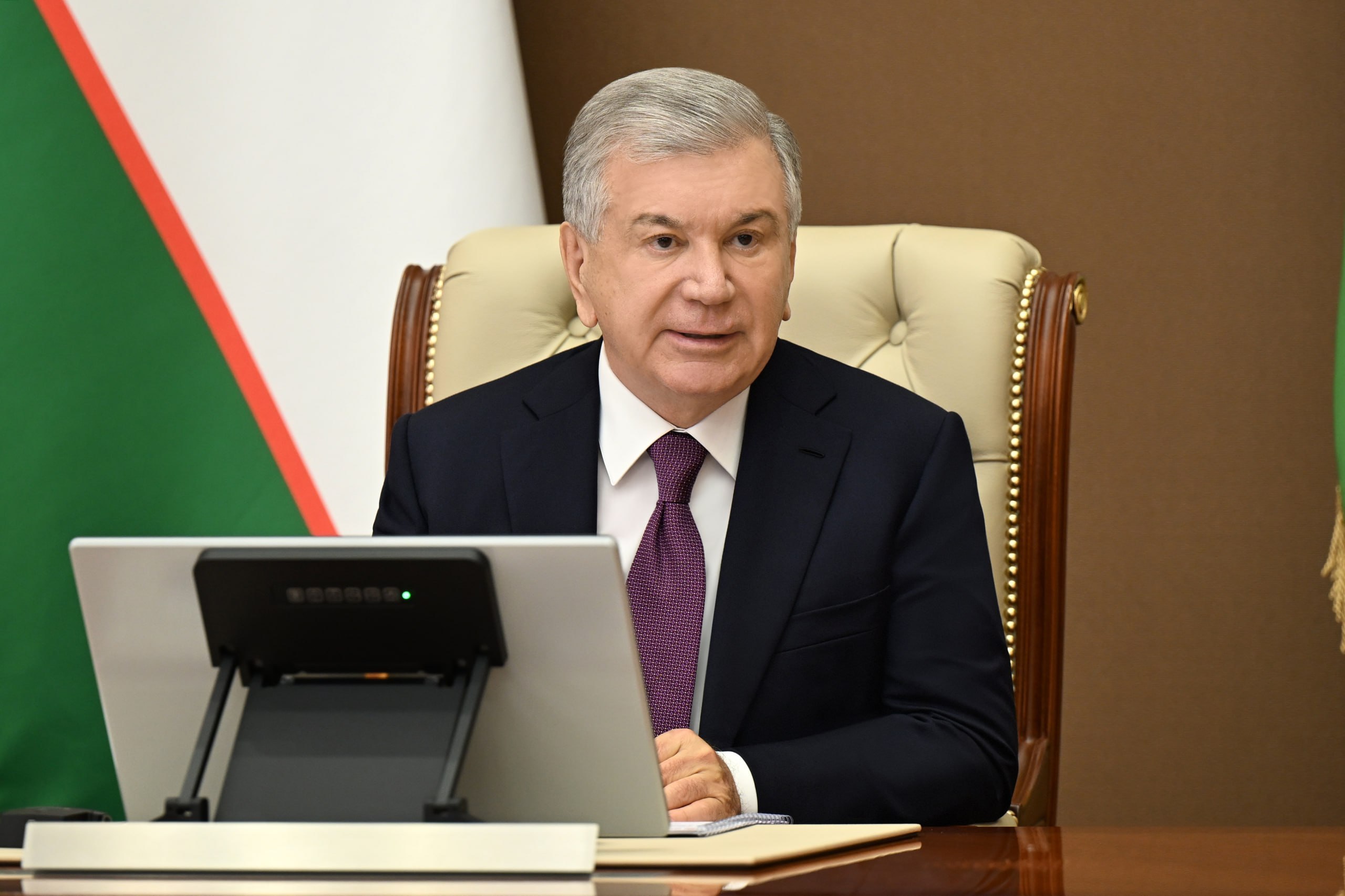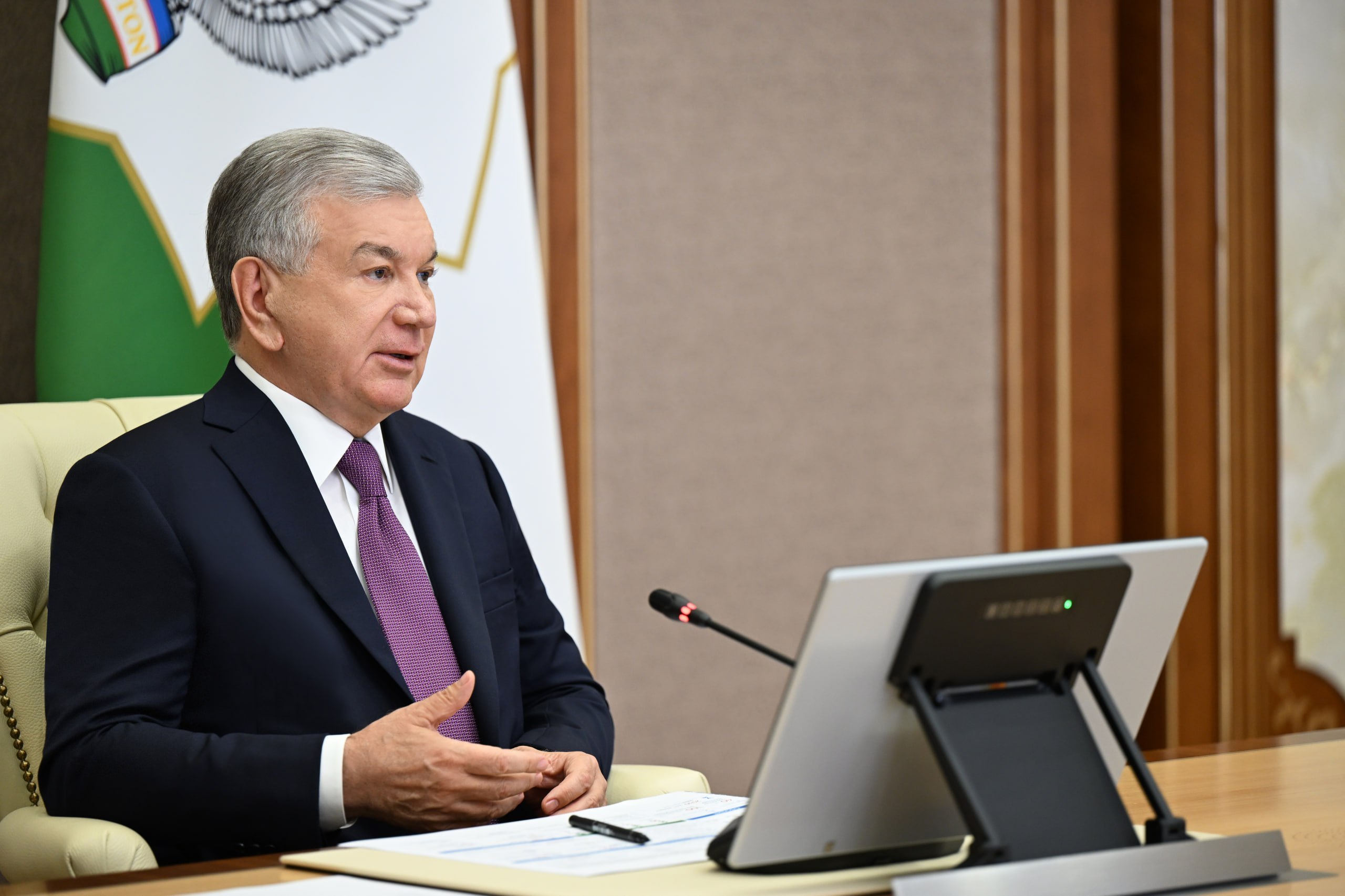

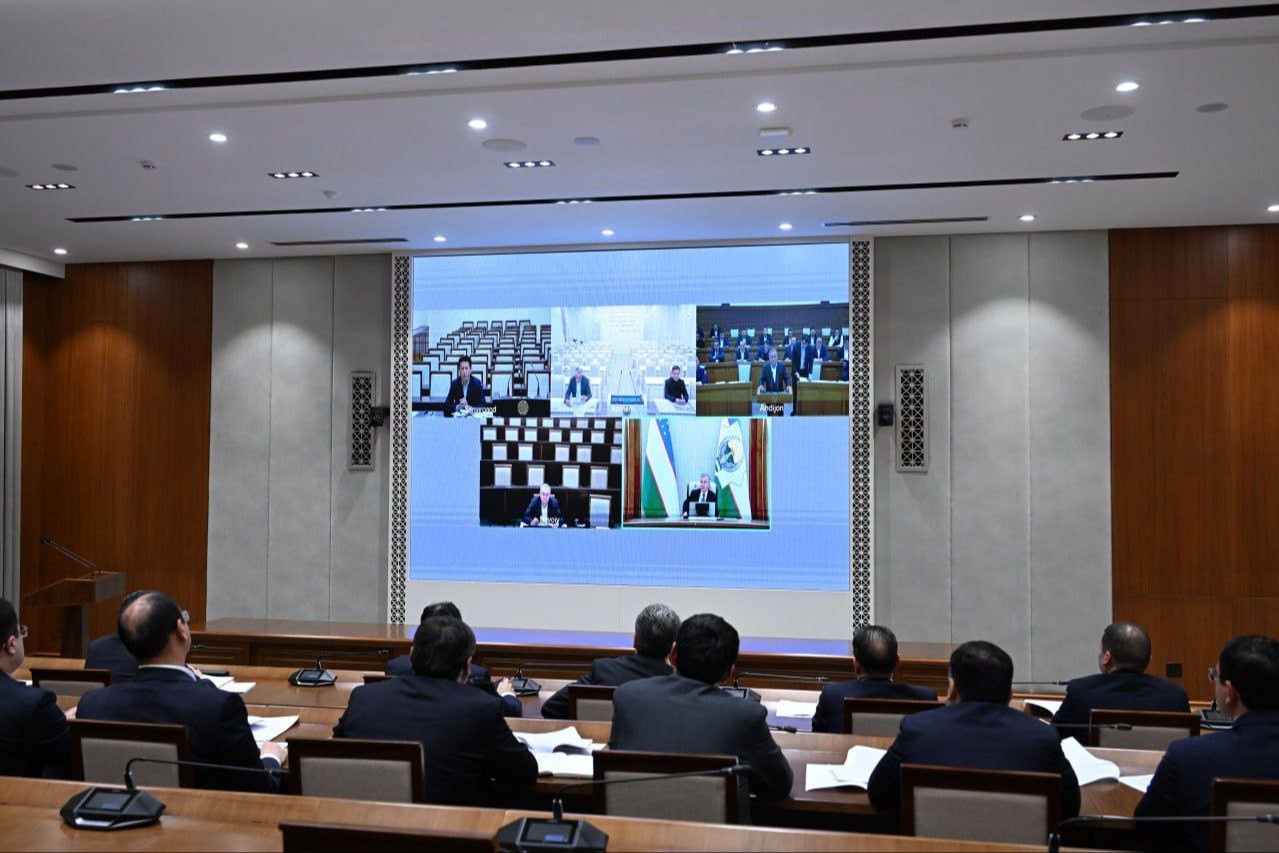
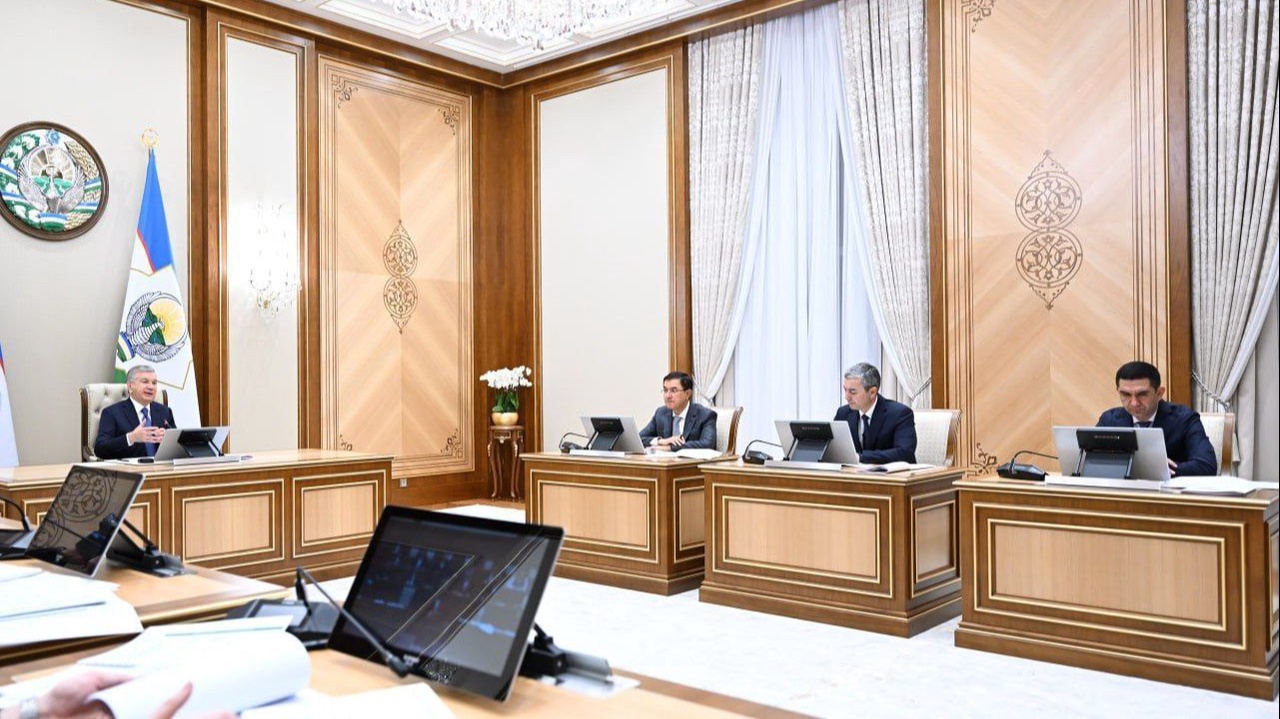
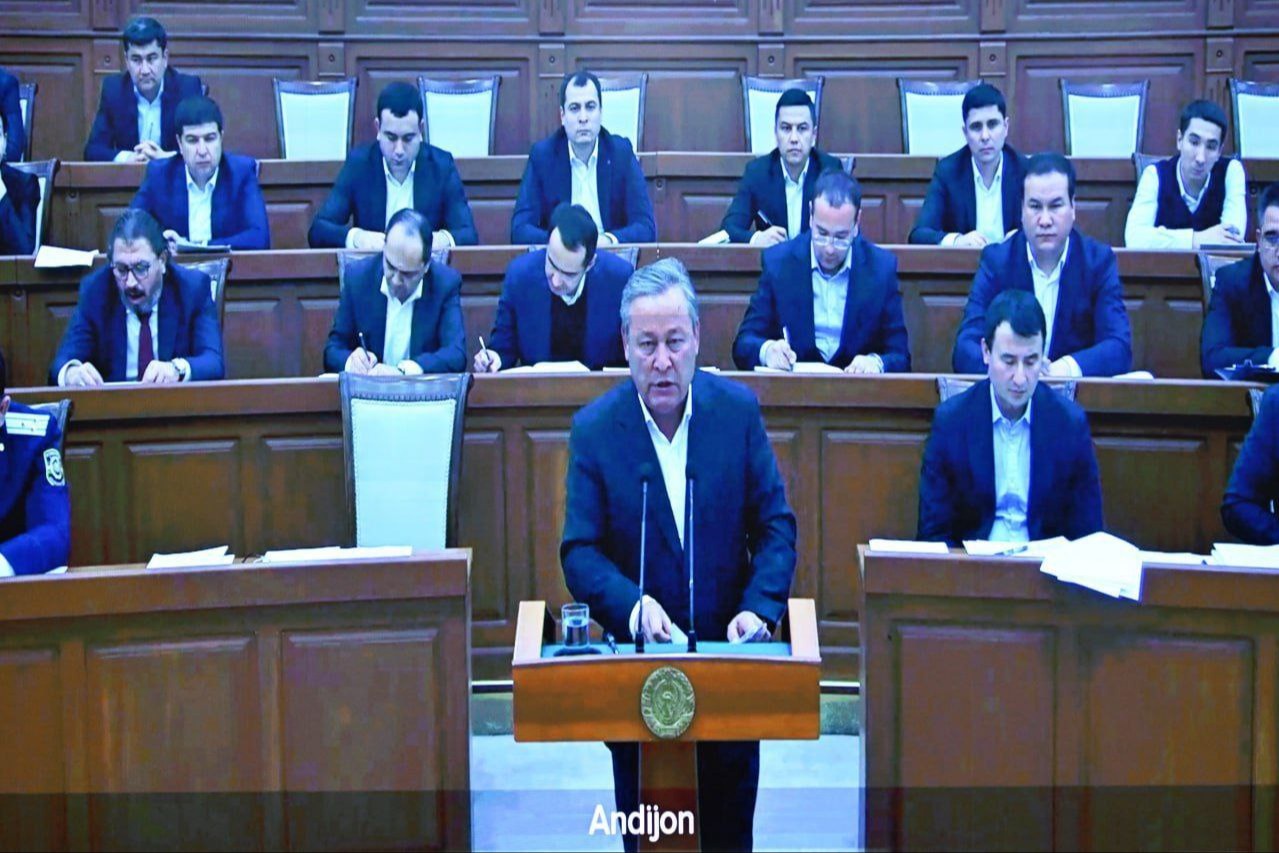
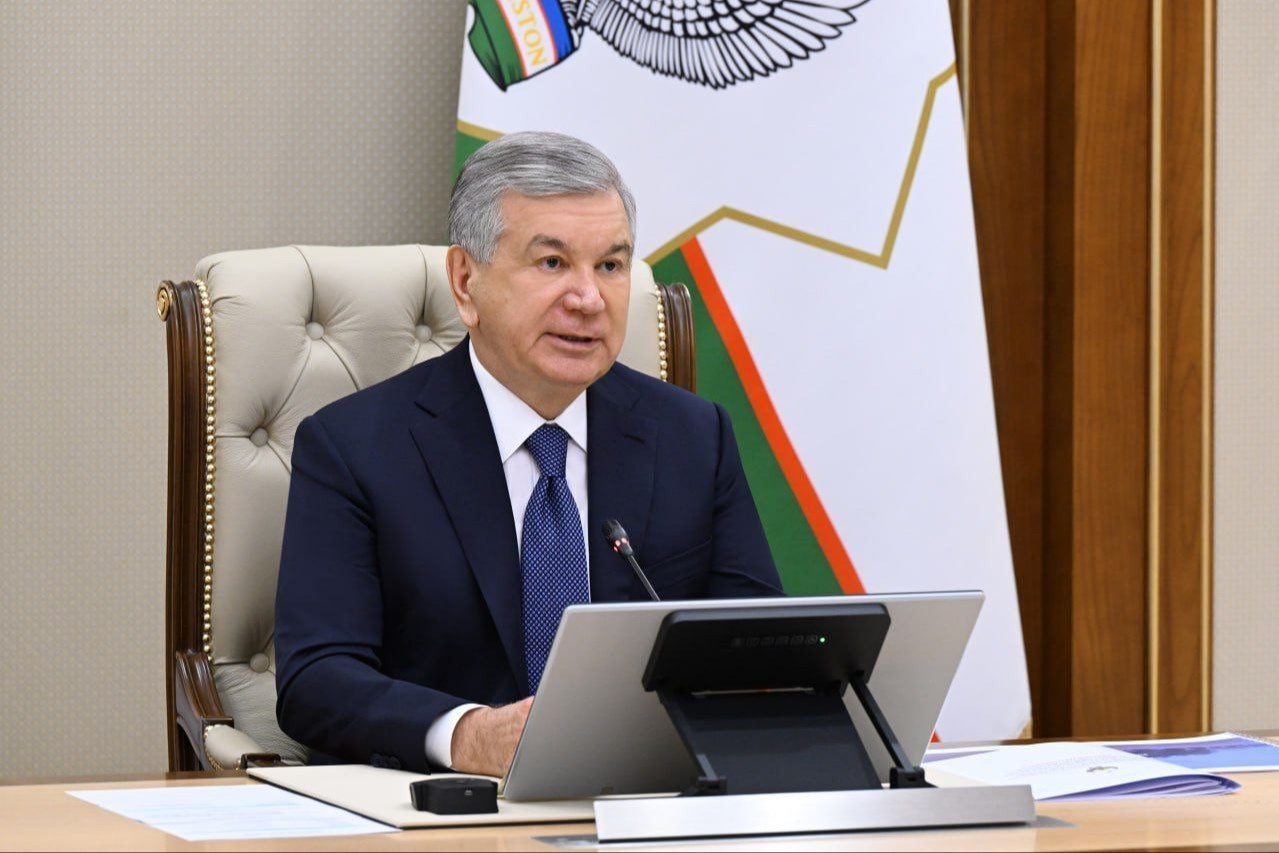
At the meeting, it was noted that Andijan is the most densely populated region of the country. The region is home to more than 3.5 million people, with around 80,000 children born each year. In conditions of limited land resources, every hectare of land, every project, and every investment must generate high added value and create sustainable jobs. It was emphasized that this is a key task for the regional leadership.
According to 2025 results, the gross regional product amounted to 107.7 trillion UZS, up 6.8 percent. Industrial output grew by 7.2 percent, services by 15.1 percent, and agriculture by 4.7 percent.
In 2026, it is planned to achieve economic and industrial growth of 8 percent, services-sector growth of 16.3 percent, and agricultural growth of 5.9 percent. It is planned to increase foreign investment from $2.5 billion in 2025 to $3.5 billion in 2026 and exports from $1.3 billion to $1.5 billion.
While employment was provided for 383,000 people in 2025, in 2026, it is necessary to create jobs for 489,500 residents, reduce the unemployment rate to 3.6 percent, and lower the poverty rate to 2.4 percent.
A task has been set to turn the Asaka, Oltinkul, Khojaabad, and Shakhrikhan districts, as well as the city of Andijan, into territories free from unemployment and poverty. In districts with difficult conditions – Bustan, Pakhtaabad, and Ulugnor – it is necessary to reduce the poverty rate by at least half.
It was noted that projects worth $798 million are planned to be launched in the region this year.
In particular, three micro-industrial centers specializing in leather and footwear production, construction materials, and equipment will be established in Asaka, Buloqboshi, and Shakhrikhan districts. Projects on agricultural processing, the creation of small cold storage facilities, and the development of micro-production will be implemented in 110 rural settlements and in 26 border and remote mahallas.
Special attention was drawn to the inefficient use of more than 100 hectares of vacant land in the “Ipak Yuli” Free Economic Zone in Andijan district. Given limited land resources, it is necessary to maximize the use of plots with existing infrastructure to accommodate high-value projects and create thousands of jobs.
Significant attention was devoted to the development of agriculture. This year, to increase cotton yields, it is planned to expand the area under foreign varieties, introduce the advanced “76x10” planting scheme, and purchase 472 units of new machinery. Two thousand hectares of low-yield old orchards will be converted into intensive ones, and 6.8 thousand hectares of land will be returned to economic use.
As a new approach, household farming schools will be established in Oltinkul district for floriculture, in Izbaskan for seedling cultivation, in Asaka for greenhouse farming, in Kurgantepa for vegetable growing, and in Buloqboshi for viticulture.
In 2025, the region welcomed 460,000 foreign tourists and 1.8 million domestic tourists. This year, it is planned to increase the number of foreign tourists to 700,000 and domestic tourists to 2.5 million.
To this end, a separate directorate will be established to develop the “Shirmonbuloq” tourist center in Buloqboshi district, the “Imam Ota” tourist center in Khojaabad district, and the tourist zone in Khanabad. Trade, entertainment, and recreational facilities will be developed in 91 mahallas connected to the central streets of cities and districts.
It was noted that the housing issue in Andijan remains particularly pressing. This year, 54 apartment buildings are planned for construction in the “New Uzbekistan” residential areas, along with another 158 in other locations.
The introduction of the “construction-ready land” system will reduce project launch timelines from 120 to 30 days. A pilot implementation of modern housing construction under this model will begin in Jalaquduq district.
There are 11 higher education institutions in the region, with more than 94,000 students enrolled, and 46,000 students receiving vocational training in 56 technical colleges. Measures have been identified to enhance universities’ scientific potential and expand the reach of dual education.
An initiative to attract advanced private educational organizations to provide foreign-language instruction in medical and technical colleges and to facilitate the annual employment of more than 4,000 young people in European countries was supported.
To support youth, it was proposed to provide up to 41 million UZS in subsidies from the “Yoshlar Daftari” fund to talented children from families not included in the social registry, enabling them to implement initiatives in sports, culture, and the arts. The President instructed that this procedure be introduced, starting with Andijan region.
Following the meeting, the Head of State emphasized that the implementation of the outlined tasks should lead to concrete, tangible improvements in the lives of Andijan residents and issued relevant instructions to the responsible officials.