

In recent years, consistent efforts have been made in the country to reform the water management system, modernize irrigation infrastructure, and ensure the rational use of water resources.
The megaproject being implemented in Surkhandarya region, valued at $287 million, is considered one of the outstanding achievements in this field.
As part of the initiative, large-scale construction and installation work have been carried out over the past few years. Thanks to the introduction of modern technologies, mineral-rich drinking water is now supplied without interruption to ten districts of the region and the city of Termez.
Eight to nine years ago, centralized drinking water coverage in Surkhandarya stood at 47 percent. Today, this figure has increased to 67.5 percent. At present, the situation with water supply to the population has significantly improved, both quantitatively and qualitatively.
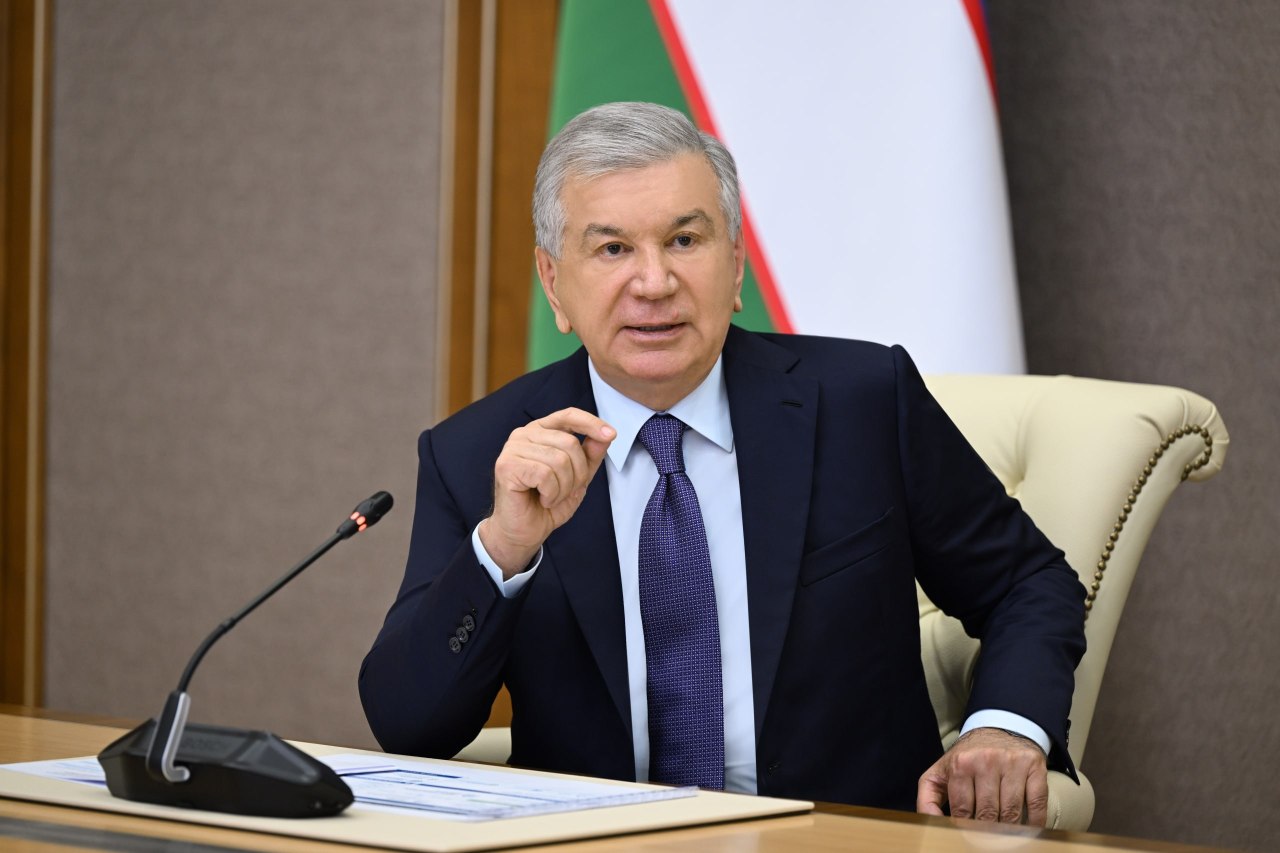
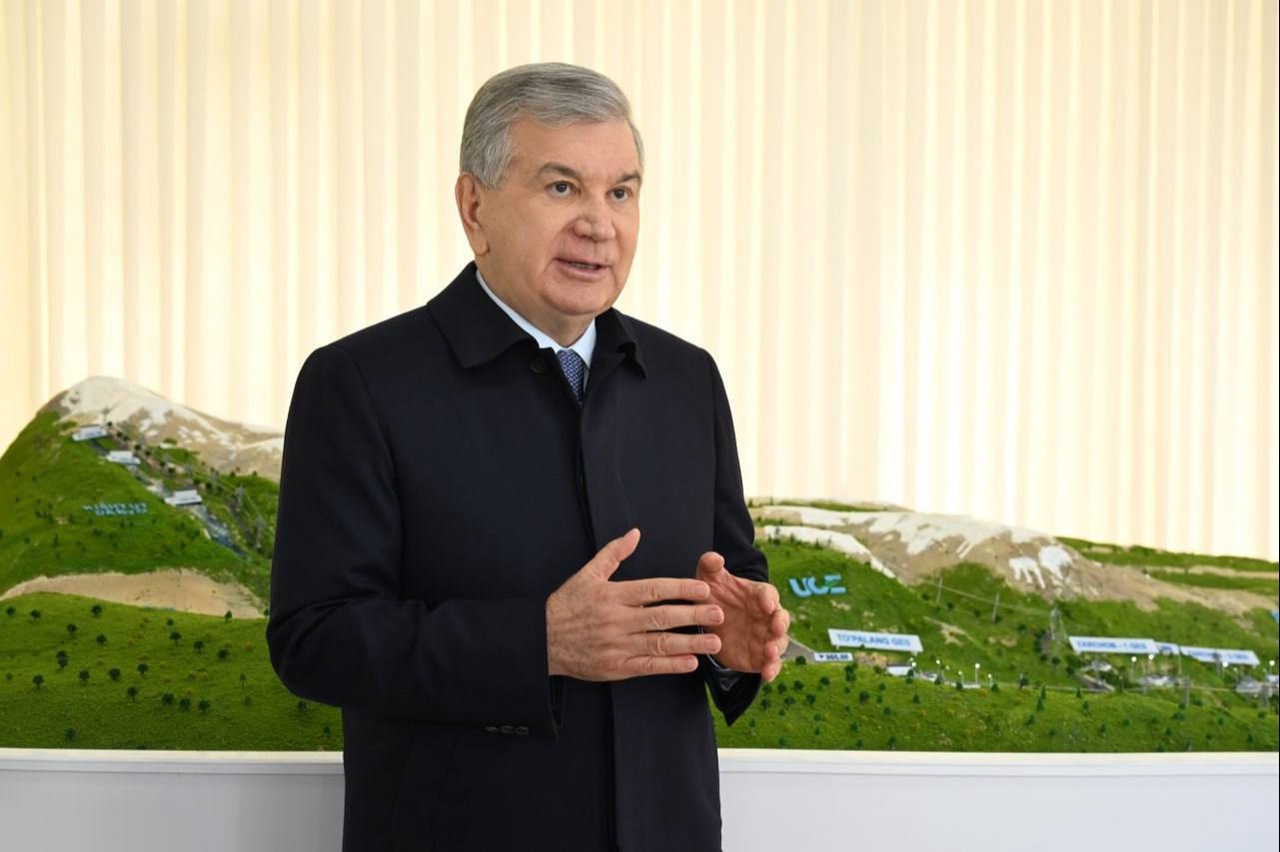
The President of the country emphasized the need for comprehensive support of such large-scale energy, technological, and socially significant projects. He noted the importance of applying this experience in other regions of the country in the future as well.
From a technical standpoint, a major achievement of the project was the construction of 246 kilometers of main and internal networks. Particularly important is that, based on hydraulic calculations, it was possible to supply water under pressure without using pumps. This significantly reduced energy consumption and ensured system stability. Thanks to this innovative approach, water is now supplied to the city of Termez and to district centers such as Angor, Bandikhon, Qiziriq, Sherabad, and Muzrabot.
As a result of this initiative, the water supply has now been stabilized in 223 mahallas. The level of water hardness has been reduced by almost half. The improvement in water quality will help strengthen public health and extend the service life of household appliances.
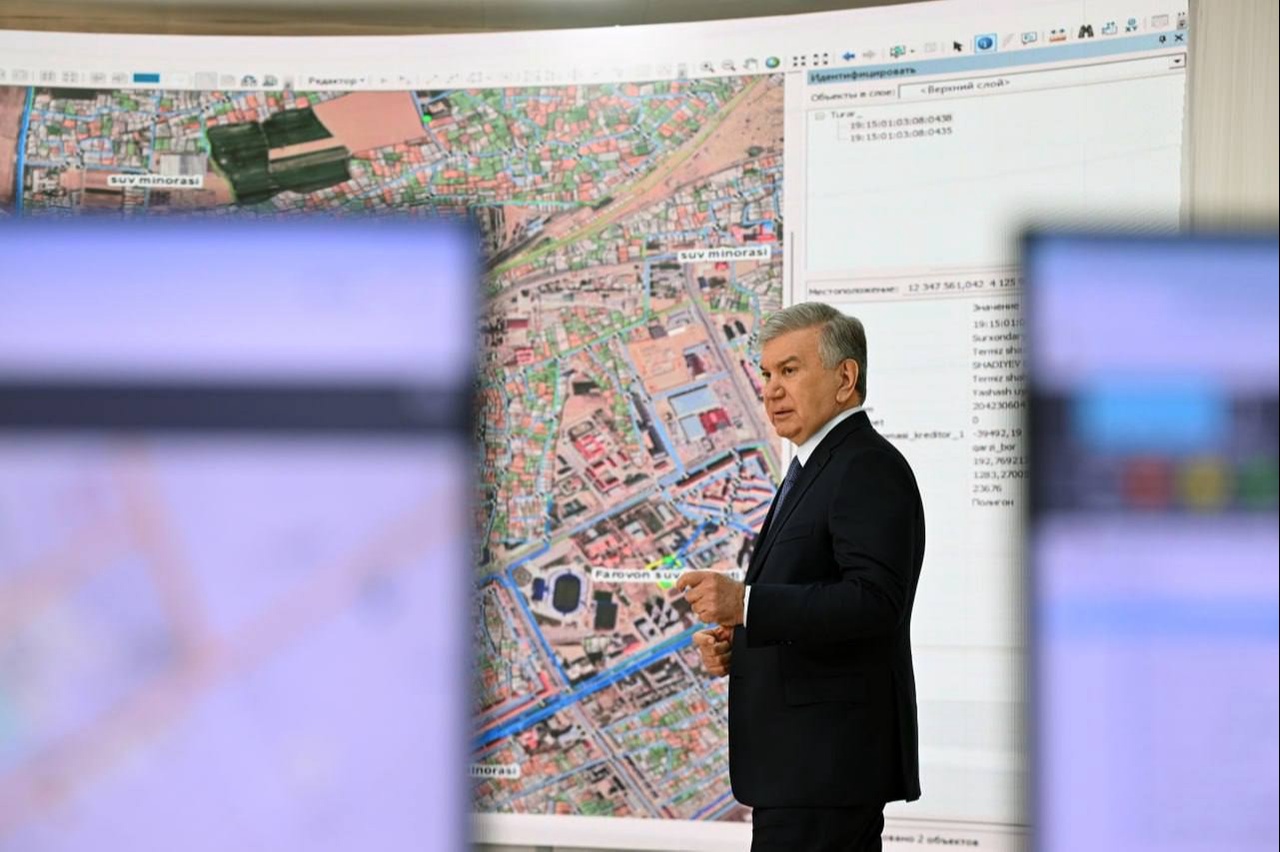
The geoinformation center established at the “Shimoliy” water supply facility has enabled real-time monitoring of the system. It is now possible to detect pressure drops, emergencies, and water losses within minutes.
Thanks to improvements in water supply, the need to use more than 100 local wells has been eliminated, reducing the environmental burden.
In addition, as a result of the project’s implementation, 18.4 million kilowatt-hours of electricity are saved annually, which amounts to about $18.5 billion in monetary terms. The connection of consumers to the billing system has also increased transparency in water payments and reduced debt.
Another important aspect is that 6,418 kilowatts of solar panels have been installed on a 10-hectare site.
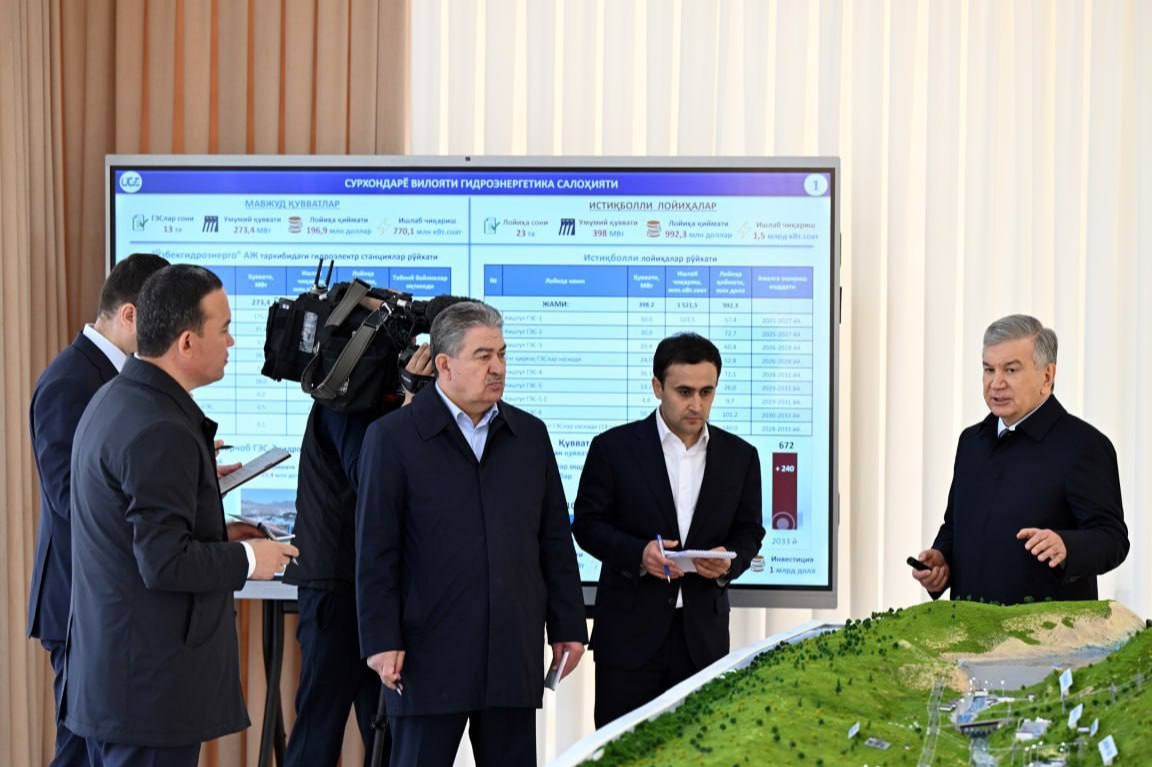
Here, the Head of State also reviewed the region’s hydropower indicators and promising hydropower projects. Tasks were set to resolve the remaining water supply issues in the region. In particular, instructions were given to replace old pumping units with energy-efficient ones and to modernize the networks.