
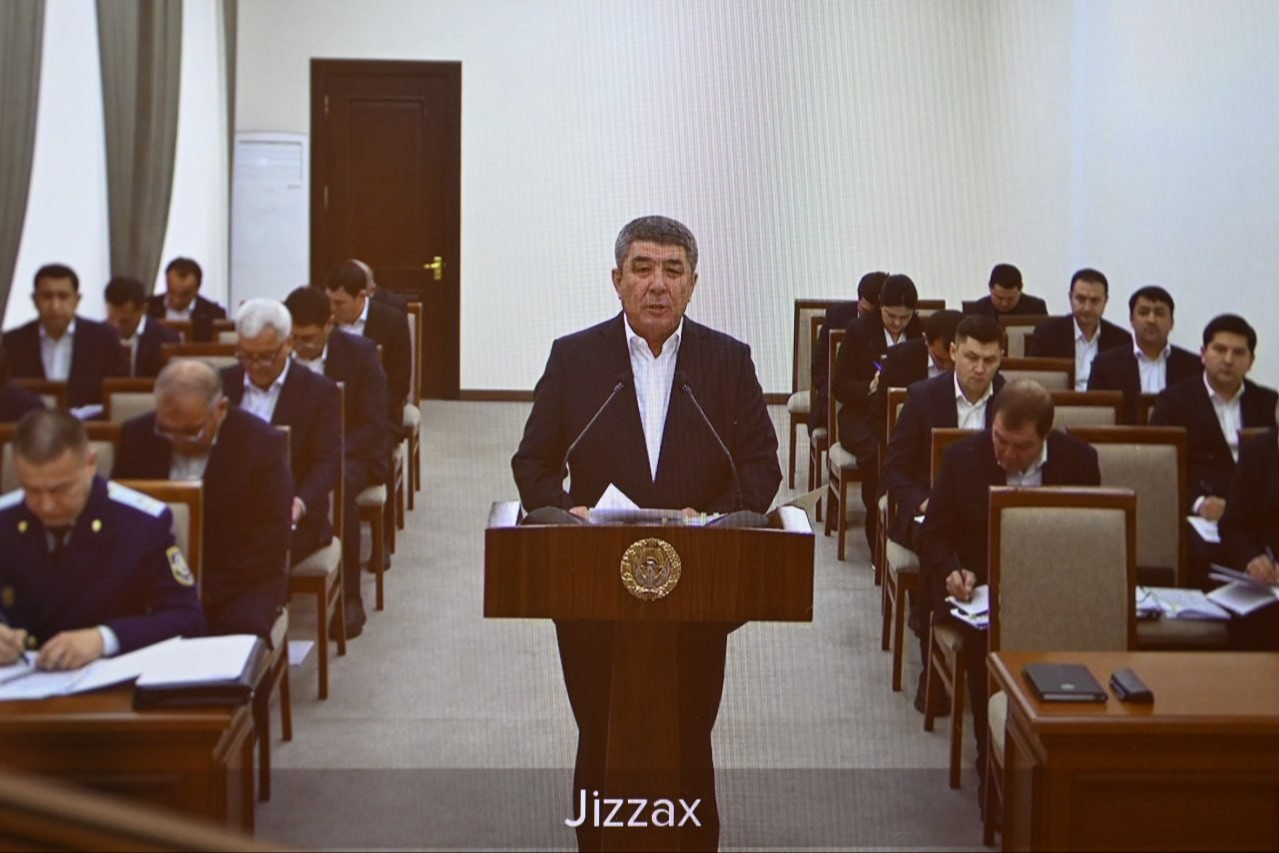
Owing to the reforms and systematic measures implemented in recent years, the region’s economy has undergone a structural transformation. It has been diversified and reoriented from the agricultural sector to industry, services, and modern agro-clusters. New drivers of growth have emerged, including the textile industry, construction materials production, automotive manufacturing, electrical engineering, and tourism.
The share of industry in the gross regional product increased from 9.1 to 18.8 percent, while the share of agriculture decreased from 50 to 36 percent. The unemployment and poverty rates decreased by 4.9 percent and 5.8 percent, respectively. Exports grew 1.8 times, the volume of services 1.6 times, while industrial production grew 1.9 times.
Over the year, 25 large-scale and 533 medium- and small-scale investment projects were implemented, with $1.4 billion in foreign investment. The number of exporting enterprises reached 160, while the export volume amounted to $285 million.
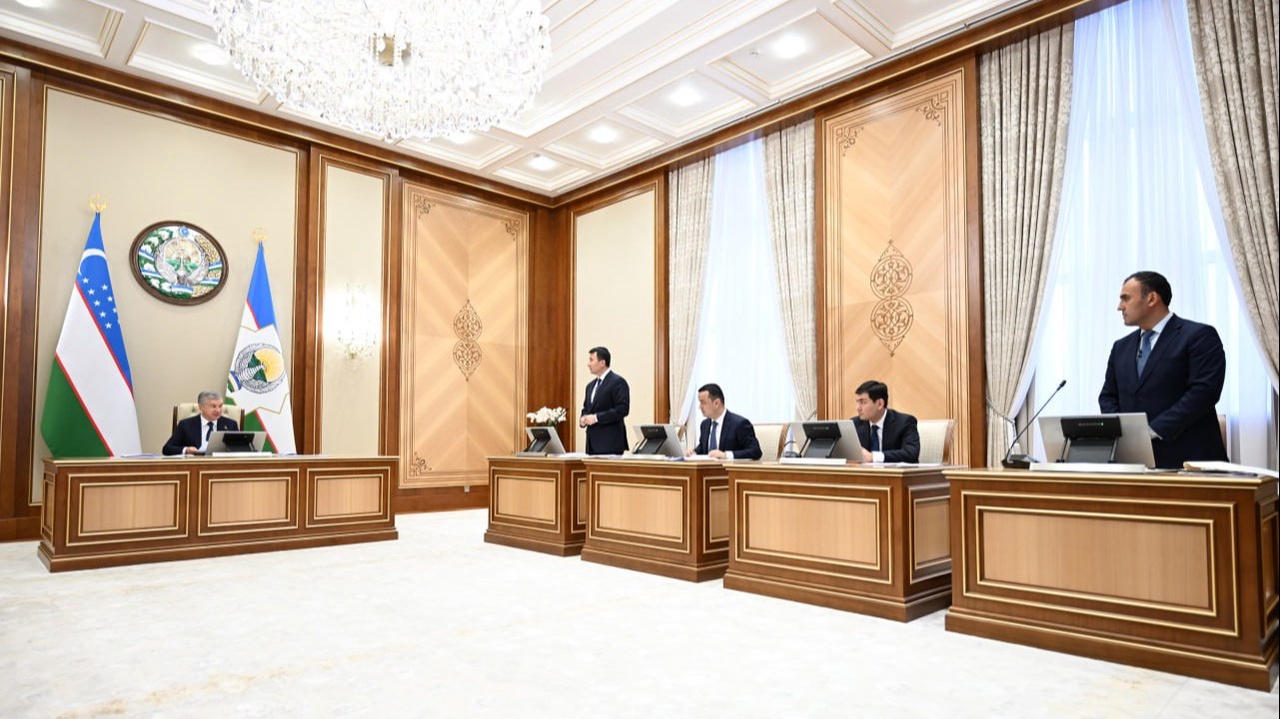
The meeting reviewed plans to reduce poverty and unemployment further and to accelerate growth in industry, services, and agriculture.
In particular, in 2026-2027, it is planned to raise the growth rate of the gross regional product to 8.5 percent, increase industrial production by 8 percent, attract $5 billion in foreign investment, and raise annual exports to $500 million.
It was noted that while investments had previously been directed mainly toward raw material extraction and simple assembly, priority will now be given to high-value-added projects.
In addition, this year it is planned to reduce the unemployment rate to 4.6 percent and the poverty rate to 2.8 percent while transforming 182 mahallas into crime-free areas.
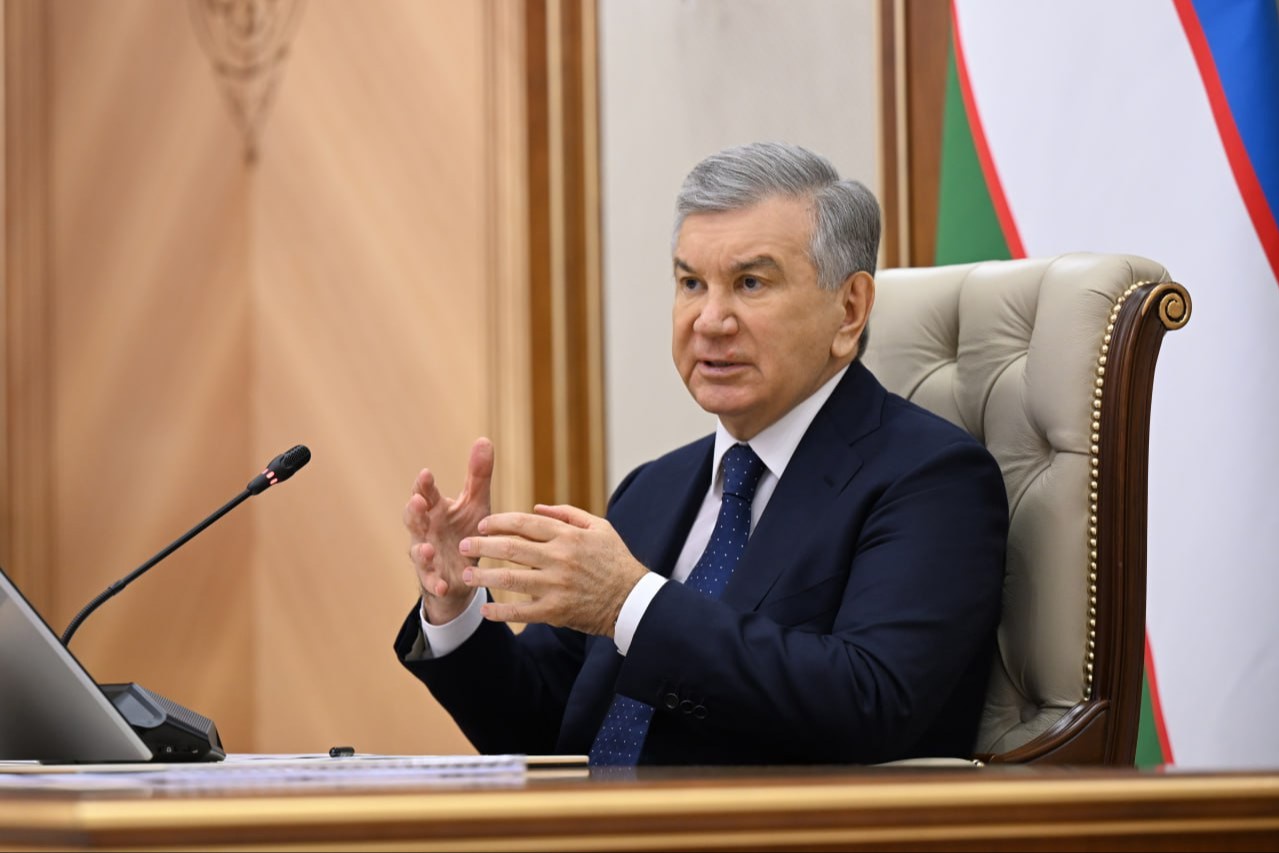
The President emphasized that achieving these goals is impossible without the deep specialization of mahallas.
In this regard, a new development model will be introduced in the region over the next two years. The comparative advantages of 304 mahallas have been analyzed, and a program to specialize them in horticulture, animal husbandry, vegetable and melon cultivation, industry, services, and tourism has been developed.
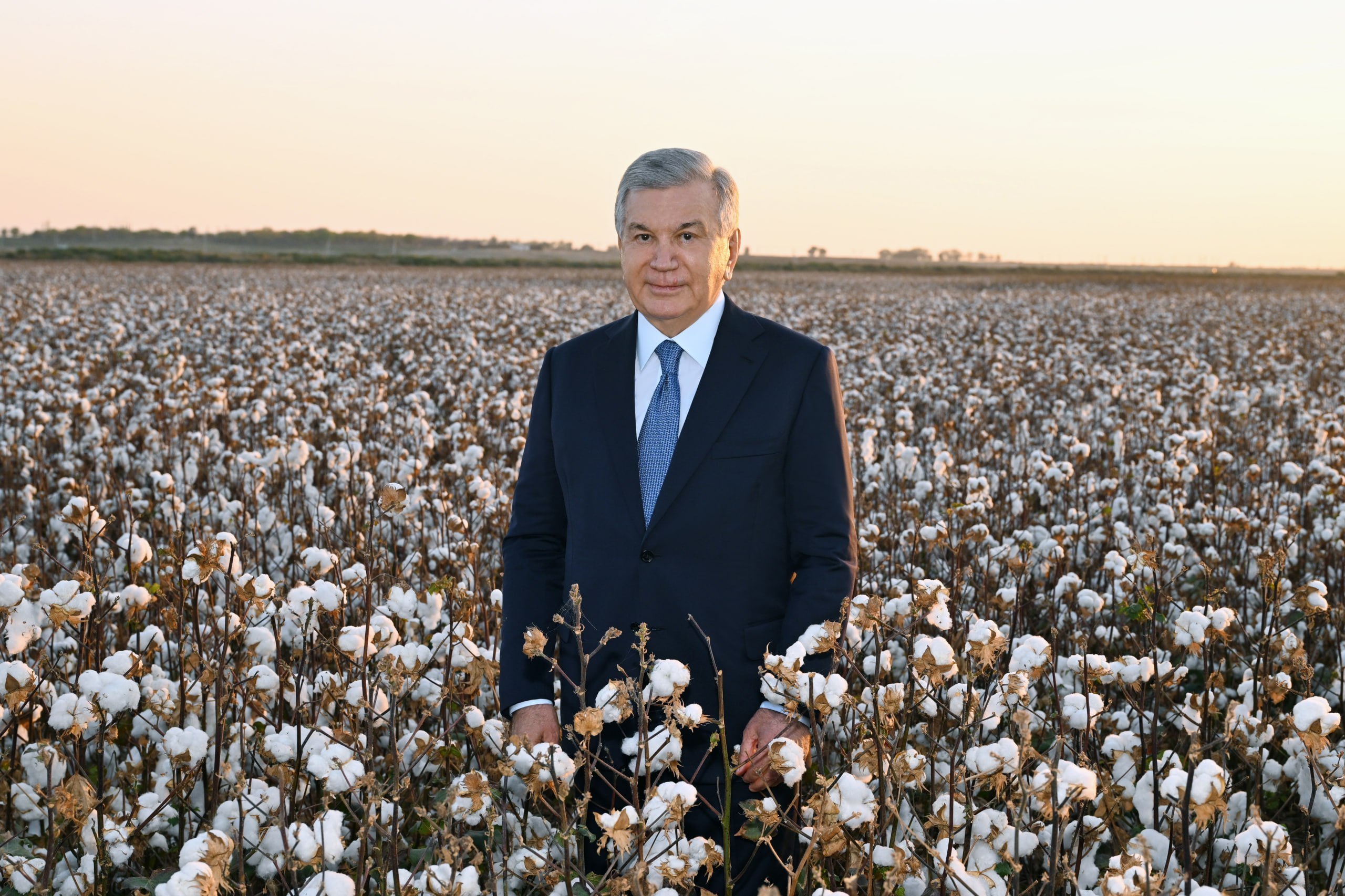
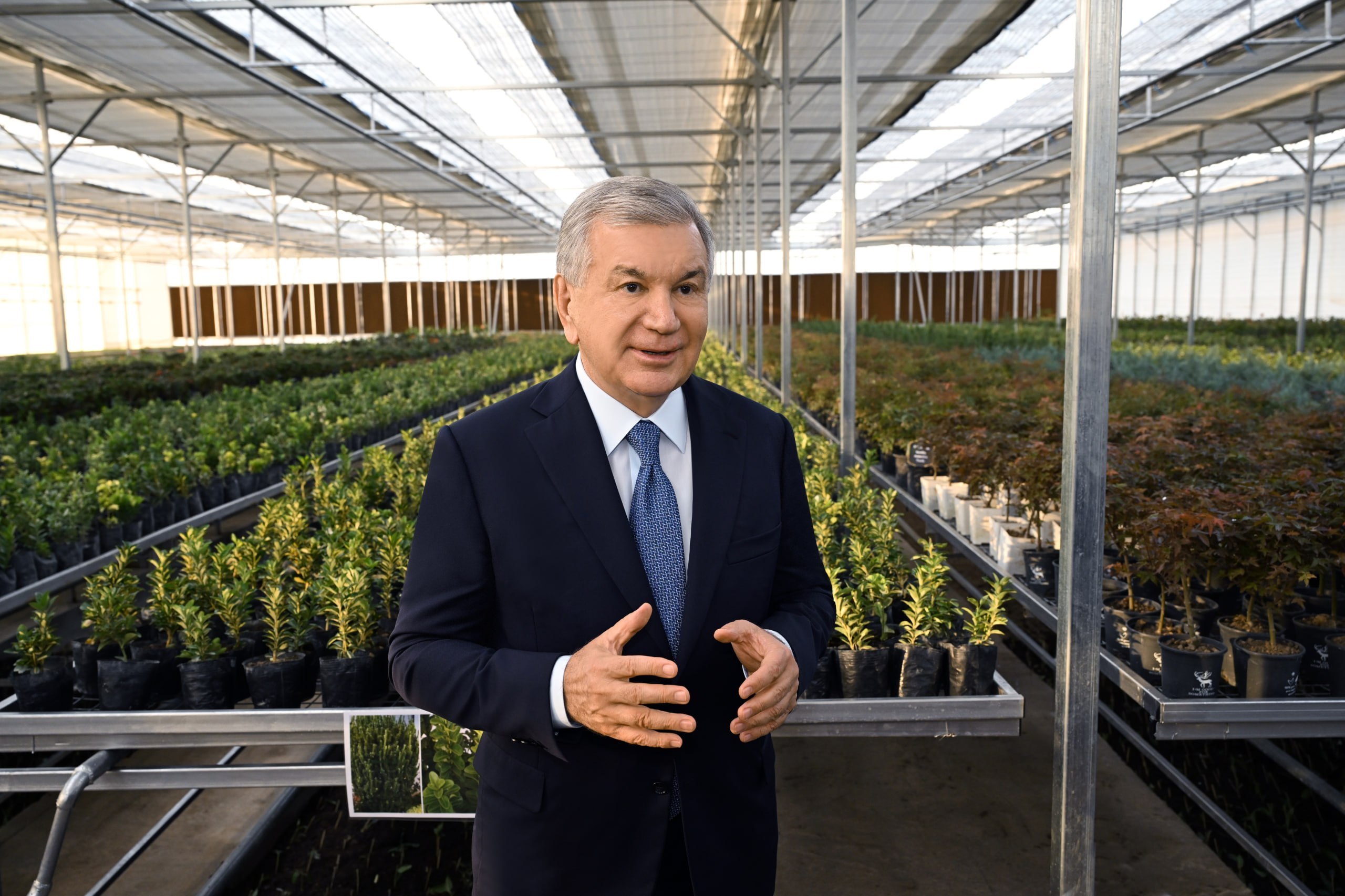
The program includes planting certified seedlings on 5,000 hectares of old orchards and vineyards, creating 4,600 hectares of industrial plantations, growing high-yield and export-oriented products on 10,000 hectares of household plots and leased lands, renewing the breed of 101,000 head of livestock, organizing 5 micro-industrial centers, constructing 6 large tourist complexes, and creating parks and well-maintained public spaces in each district center.
It was noted that this year, 200 billion UZS will be allocated to strengthen the infrastructure of “driver” projects. In 2026-2027, to develop the industry, major industrial investment projects totaling $2.7 billion are planned. In this regard, the need was emphasized to ensure the effective use of the region’s deposits of lead, zinc, tungsten, gold, and other non-metallic mineral resources.
During the meeting, information was presented on a project to create an agro-scientific industrial park in Zaamin district, which involves processing corn and producing high-value-added products, including high-fructose syrup and allulose.
Measures are also planned to develop animal husbandry, purchase pedigree livestock, expand camel breeding, and reconstruct the “Jayilma” canal.
The Head of State noted the need to realize the potential of the region’s mountainous and desert areas through targeted approaches. In particular, this year it is planned to bring 25,000 hectares of rain-fed and pasture lands into circulation and to develop a three-year program for the effective use of pastures.
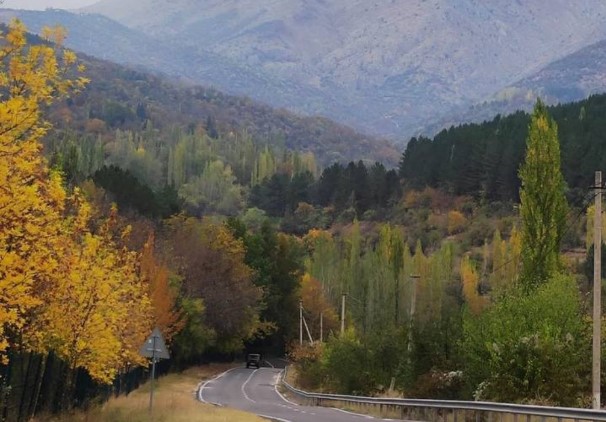
The tourism potential of Jizzakh region was also analyzed at the meeting. It was noted that the potential of the Aydar – Arnasay lake system, as well as the Bakhmal, Farish, Zafarabad, Sharaf Rashidov, and Gallaorol districts, is not being fully utilized.
In this regard, plans were reviewed to create tourist complexes in these districts, expand Arnasay Airport, and construct trade and service complexes along international highways.
This year, $30 million will be allocated for the construction of social facilities, roads, drinking water supply systems, sewerage, and electricity networks in mahallas, with another $10 million next year.
These funds will be used to build and repair social facilities in 14 mahallas, 105 kilometers of roads connecting 28 remote mahallas, 50 kilometers of drinking water and electricity supply networks, and 65 kilometers of sewerage networks in 13 mahallas.
In the field of urban development, the preparation of master plans for the Bakhmal, Zafarabad, and Gallaorol districts based on spatial planning is envisaged.
Furthermore, the city of Jizzakh and the Sharaf Rashidov district will be developed as a single agglomeration. The master plan includes constructing a 10-kilometer bypass road to reduce traffic congestion, creating a unified public transport system, and building a single administrative building for state organizations.
Following the meeting, responsible officials were instructed to ensure the implementation of each project within the region’s development framework, with a mandatory focus on increasing employment and improving the population’s standard of living.