
Decisions on security and foreign policy issues currently fall within the exclusive competence of the EU states and their adoption at the EU level requires a unanimous vote. ria.ru.
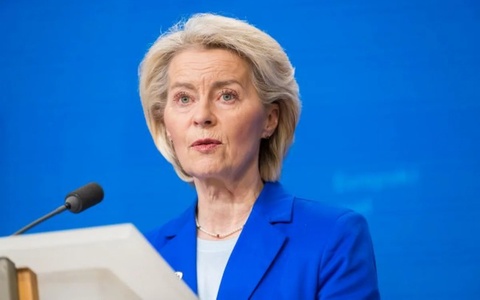
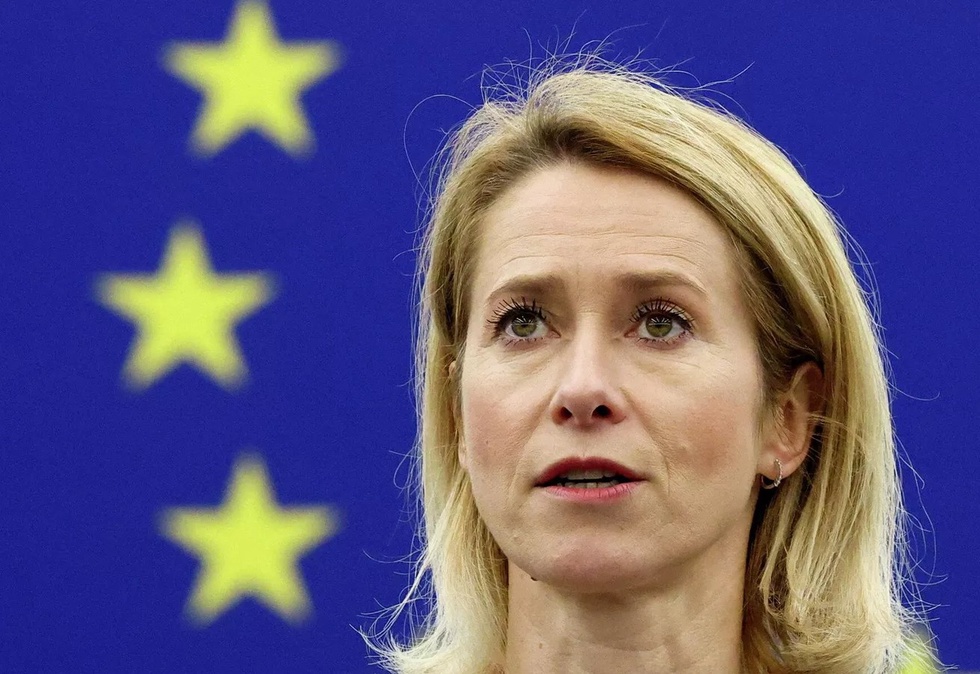
"Therefore, we need to think about how to make our procedures more effective. We can be inspired by the long-term process in which issues of justice and internal affairs have moved from the exclusive competence of the Member States to the communal sphere. We can examine treaty provisions, such as constructive abstention, in the context of military and defense decisions. We should also dare to consider the gradual expansion of the qualified majority in the common foreign and security policy," she said.
Kallas believes that unanimity is used by some EU countries as a bargaining tool and it cannot be the case that one country's veto determines policy for all others.