

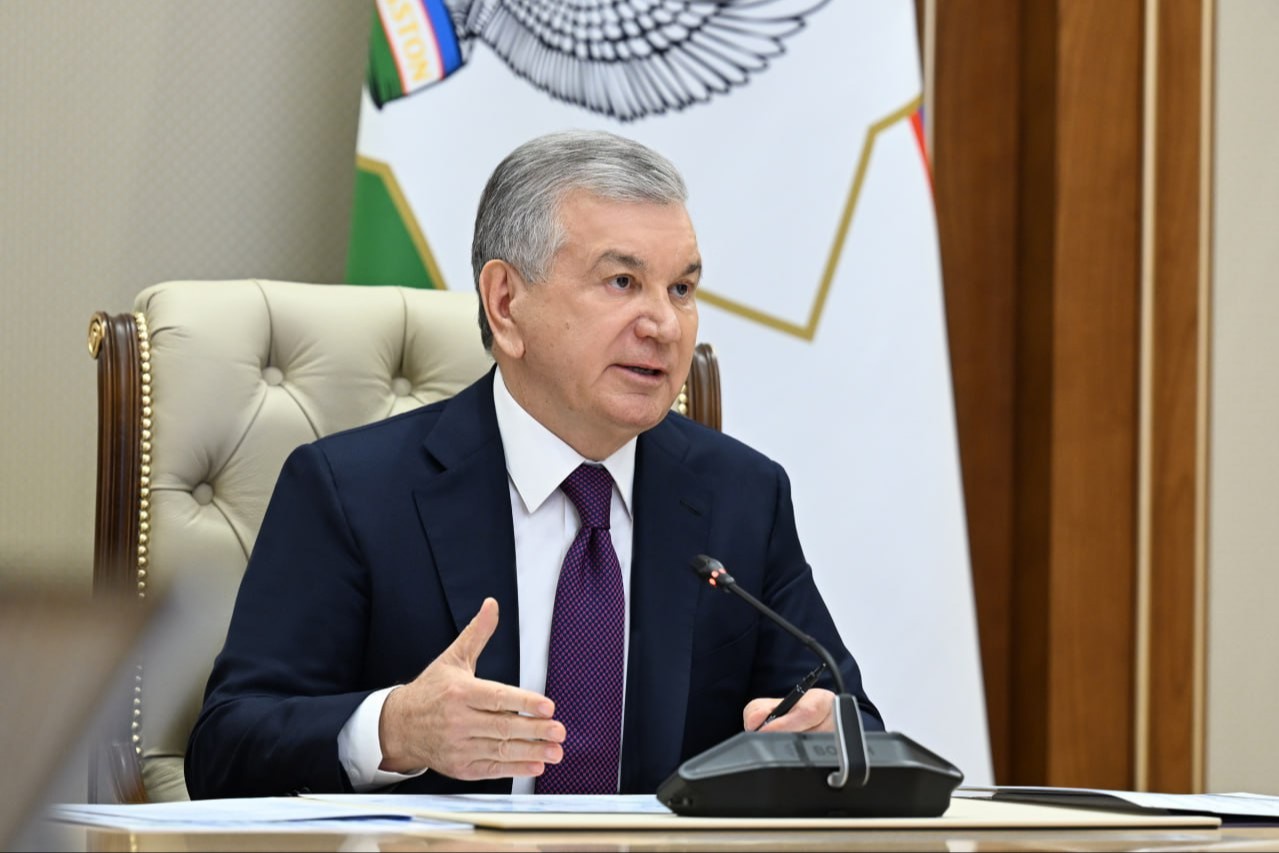
Corruption is one of the most serious crimes, damaging the socio-economic development of societies. No country, region, or community is entirely immune to this phenomenon. Corruption undermines the development of entrepreneurship, science, education, healthcare, and many other areas. A state in which corruption is entrenched cannot develop successfully.
From the outset of reforms in New Uzbekistan, guided by a deep understanding of this threat, extensive efforts have been consistently undertaken to prevent corruption, increase transparency, and strengthen public control. The promotion of preventive measures has become a priority of state policy – not only eliminating the consequences, but also preventing the factors and causes of offences.
It is no coincidence that this topic is being discussed right now: since 2004, on the initiative of the UN, December 9 has been celebrated annually as International Anti-Corruption Day. This date provides an opportunity to assess the effectiveness of the measures taken, analyze practical results, and set new goals.
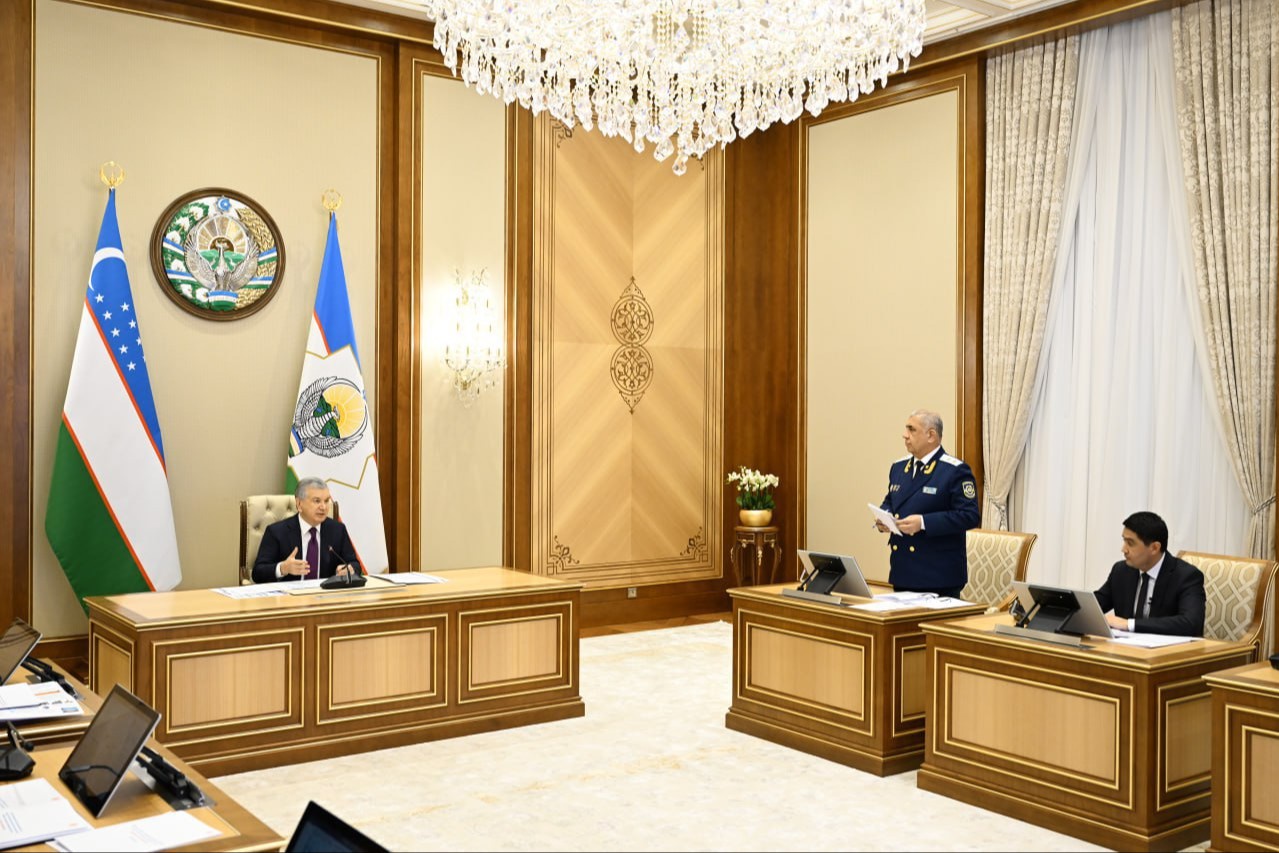
It was noted that over the past period, the activities of compliance control structures in state bodies had been reviewed. Internal control units conducted more than 11,000 inspections and prevented the misuse of funds totaling 793 billion UZS. Financial errors and violations totaling nearly 2 trillion UZS were identified, and 478 billion UZS in damages were recovered.
Key performance indicators (KPIs) for internal anti-corruption units were approved. They conducted more than 700 inspections, monitoring, and supervisory activities, identified violations amounting to 354 billion UZS, and prevented the misuse of approximately 550 billion UZS. A total of 1,397 conflict-of-interest cases were identified.
26 criminal cases were initiated against officials; 24 were brought to administrative responsibility, and 148 were brought to disciplinary responsibility.
It was emphasized separately that, in healthcare, preschool and school education, the cadastre, and construction systems, as well as among civil servants, an intolerant attitude towards corruption is consistently fostered, transparency in personnel policy is ensured, and training on specialized anti-corruption programs is conducted.
To take this activity to the next level, it has been proposed to establish an anti-corruption cluster. This system of interaction will facilitate close cooperation between the Anti-Corruption Agency, law enforcement agencies, the Chamber of Accounts, the State Financial Control Inspectorate, internal control units of departments, educational and research institutions, NGOs, and the consolidation of their efforts.
The cluster plans to exchange information, conduct joint activities, and monitor and evaluate results, which will help build a holistic ecosystem and improve work effectiveness.
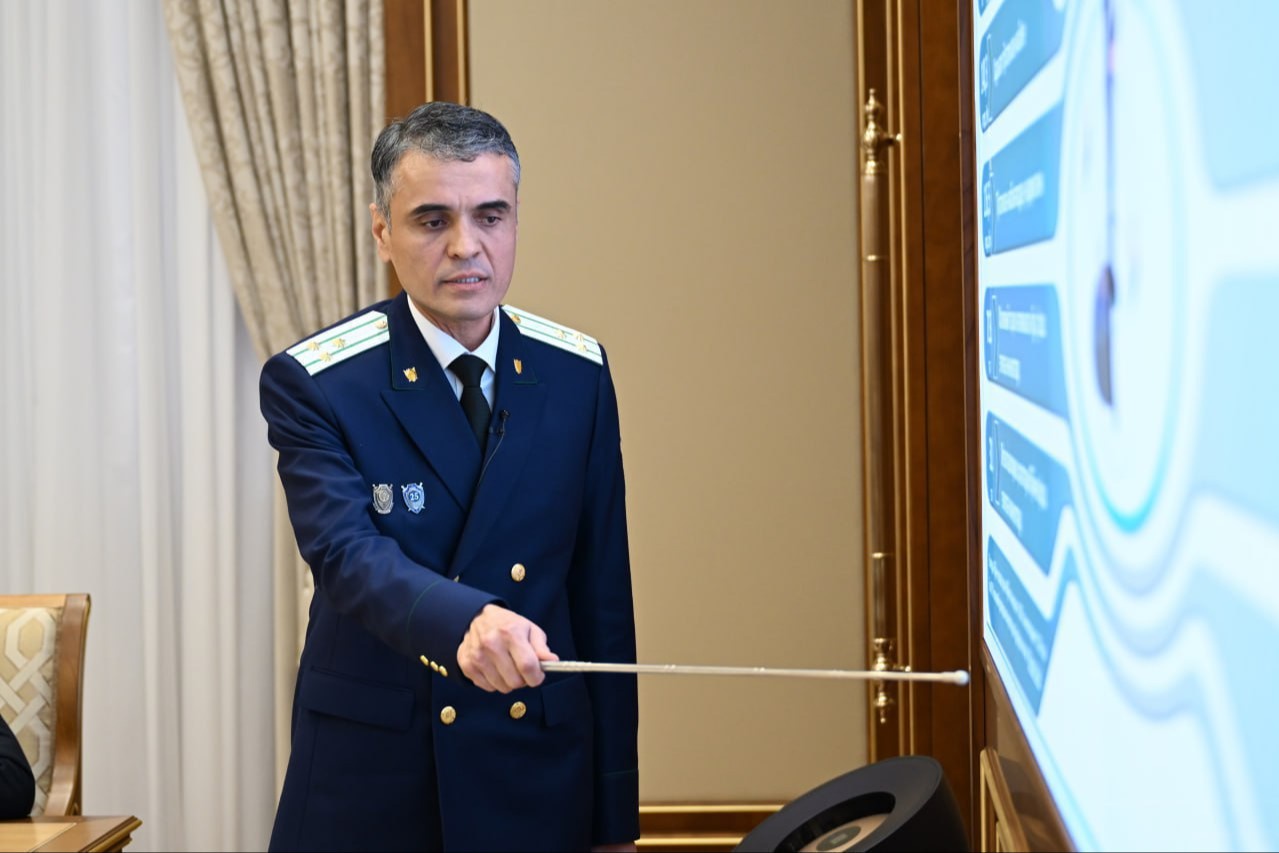
The presentation also focused on digitalization and the introduction of artificial intelligence technologies.
Based on the integration of databases from various agencies, a Risk Analysis Center will be established to automatically detect corruption risks and instances of affiliation in public procurement. Plans were presented to fully digitize compliance departments’ work and improve the efficiency of risk factor detection.
The need to strengthen public control over decision-making has been emphasized. In this regard, instructions have been issued to enhance oversight of the open publication of documents in the E-qaror system and to expand public oversight of the use of budget funds.
The importance of expanding the scope and effectiveness of preventive measures was highlighted separately.
It was proposed to establish project offices dedicated to eliminating factors that contribute to corruption. It was emphasized that work should be carried out primarily in areas with high levels of corruption and bureaucracy, a high volume of citizen complaints, and low levels of digitalization. A report on the activities of such offices will be prepared and presented to the public.
It was noted that it is essential to involve the population more actively in the fight against corruption: to expand initiative groups to monitor the implementation of investment projects and to ensure the participation of mahalla activists in the control of construction works.
To encourage reports of corruption, it was proposed to introduce mechanisms to issue protection orders to informants and provide real incentives. The establishment of a badge “For contribution to the fight against corruption” was initiated.
The President was also presented with information on measures taken to eliminate abuses in the administration of value-added tax and to combat economic offences in various areas. Instructions were given to reduce the human factor and continue the transition to full automation of VAT accounting.
The responsible persons were instructed to focus not only on eliminating the consequences of economic offences, but also their causes, and to expand digitalization, remote control, and international cooperation.
The need to strengthen prevention, improve financial and legal literacy, including through media resources, and continuously refine legislation to eliminate legal loopholes that enable violations was emphasized.