
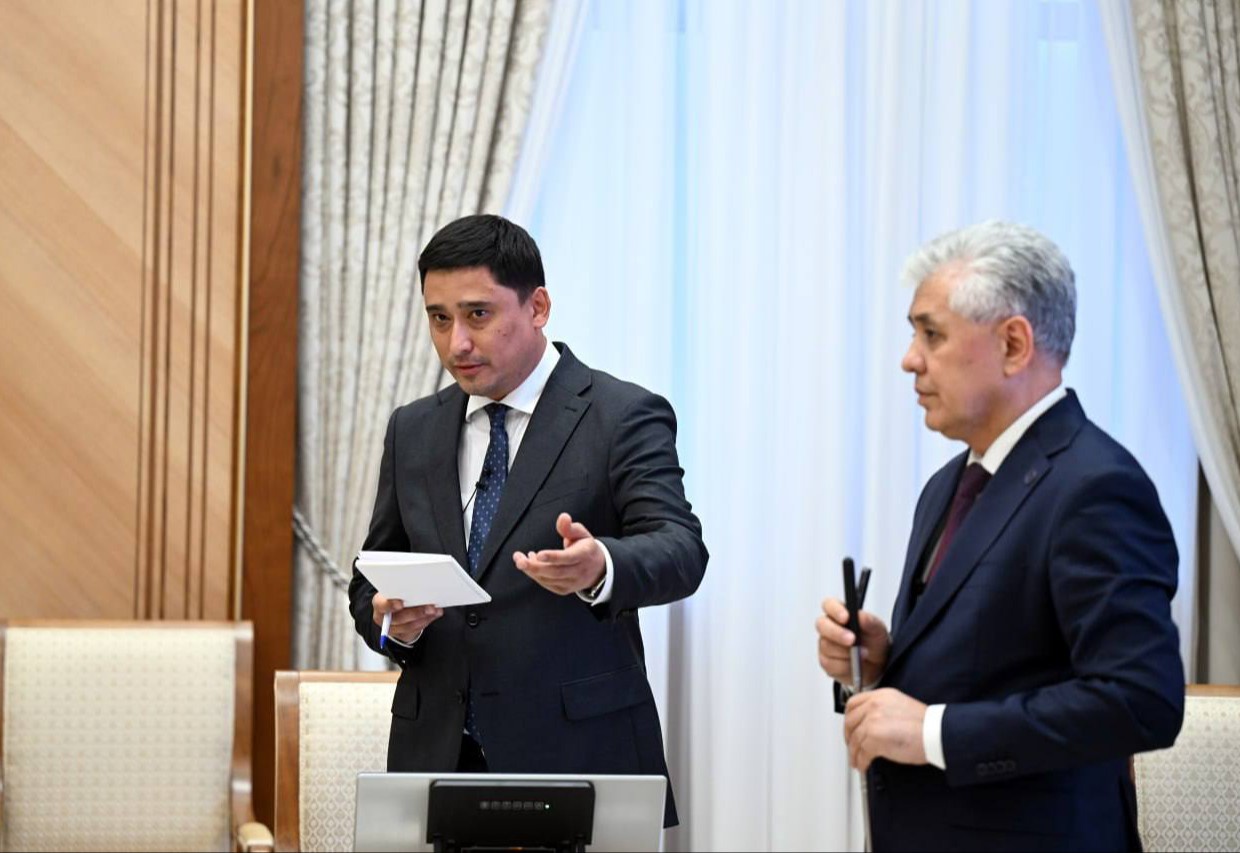
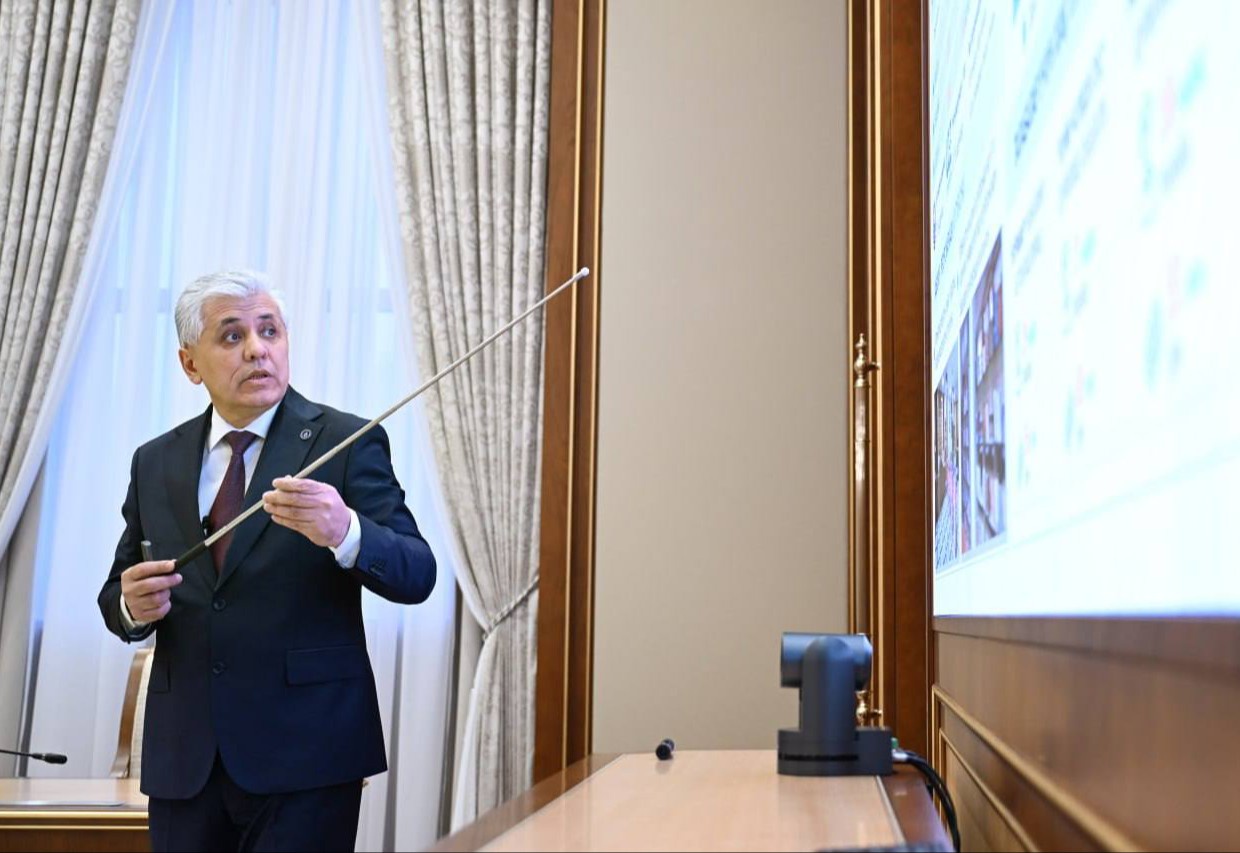
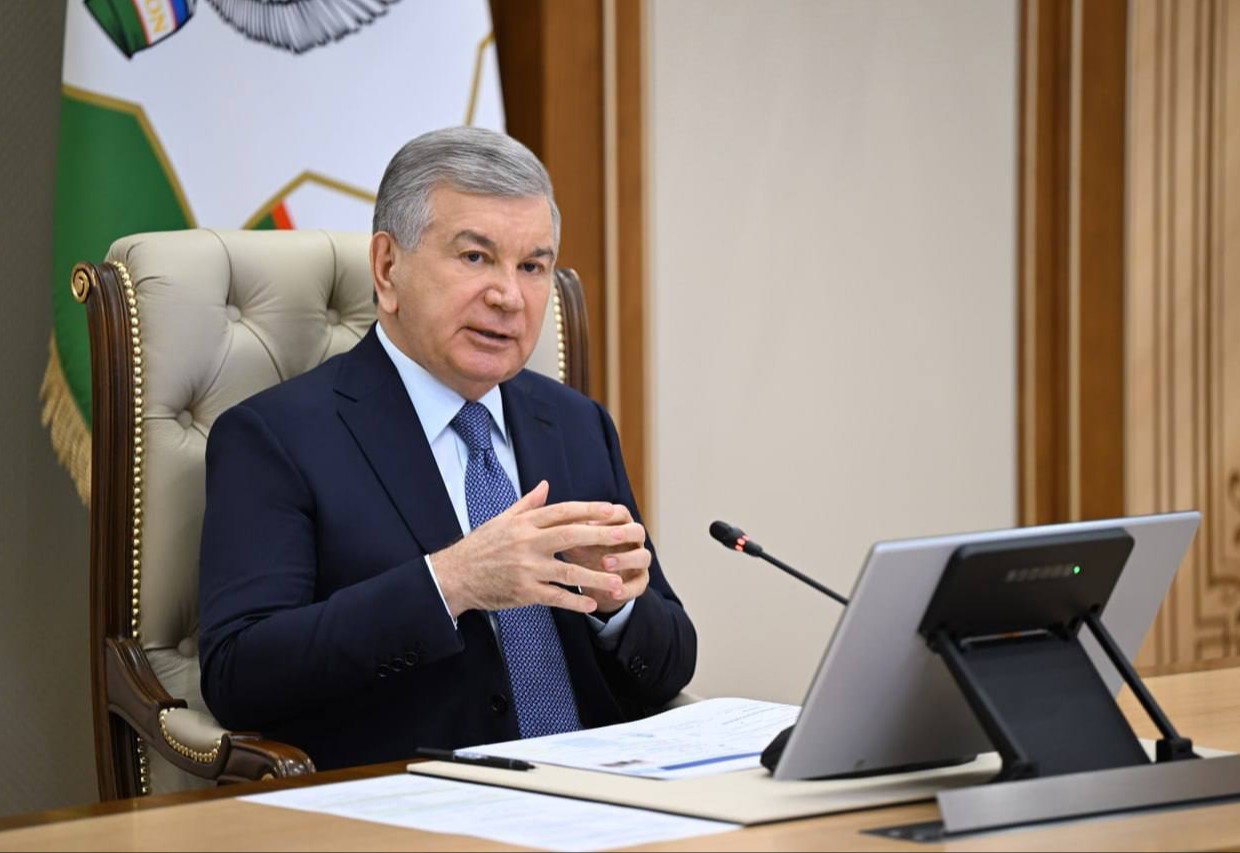
It was noted that in several sectors, science is gradually moving away from practice. In particular, in the implementation of major agricultural and water management projects, insufficient attention is paid to scientific justification and expertise, and the potential of scientists and researchers is not fully utilized. As a result, some projects do not produce the expected effect.
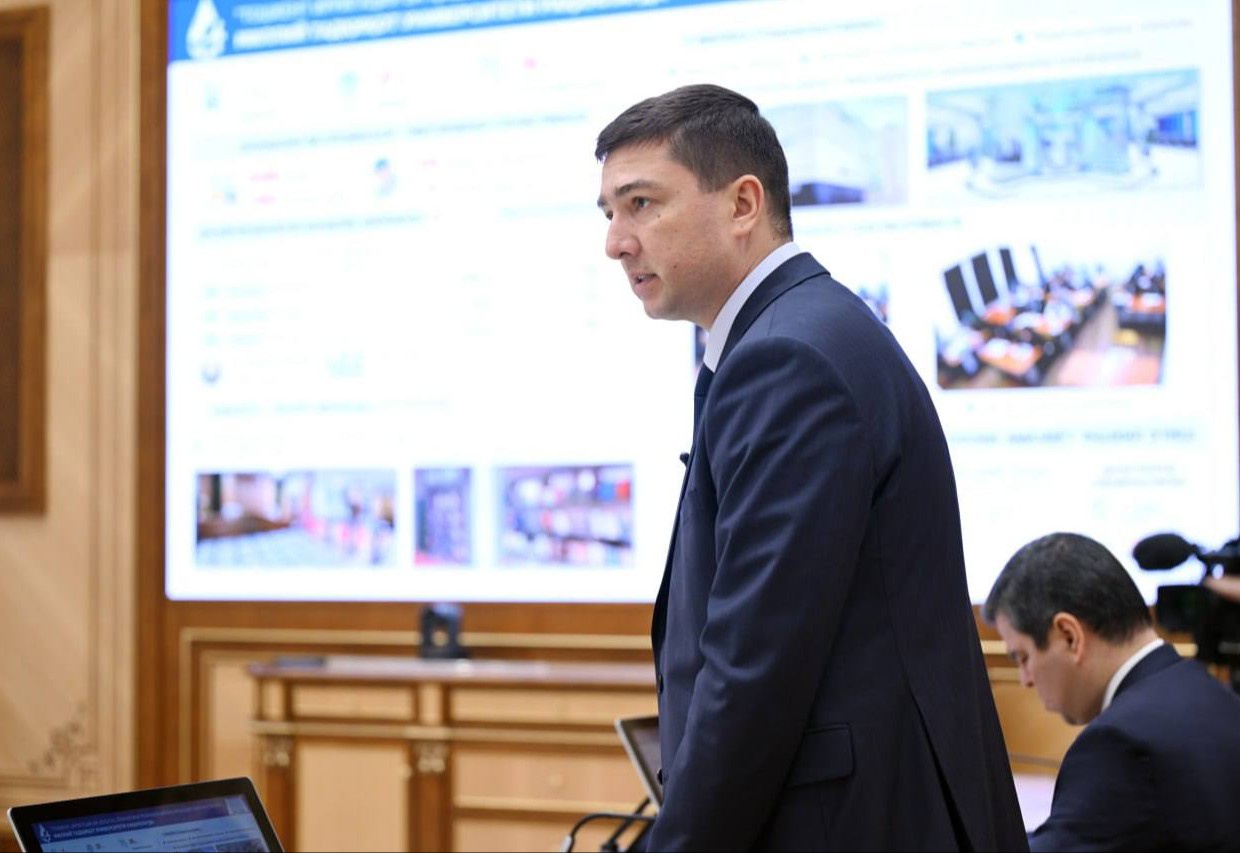
Currently, more than 11,000 students study at the Tashkent Institute of Irrigation and Agricultural Mechanization Engineers, National Research University. The university has 7 faculties, 37 departments, and 38 fields of study. The employment rate of graduates stands at 93 percent. The number of international students and faculty members is also steadily growing.
At the same time, the need was noted for the widespread introduction of a dual education system to ensure the integration of theory and practice in the training of engineering personnel.
According to the proposed new system, students will receive theoretical knowledge four days a week and spend two days undertaking paid internships at industrial enterprises. In particular, in the field of water management, they will be allowed to participate in projects on water conservation and the efficient organization of irrigation, in hydraulic engineering and hydropower, in canal concreting, cost estimation, and the construction of small hydropower plants, and in the field of agricultural mechanization, in equipment preparation and harvesting.
It was indicated that a significant portion of the country’s water resources depends on transboundary sources. In this regard, it was emphasized that training diplomatic personnel in water resources is an important strategic task.
The proposal to expand the master’s program “International Water Diplomacy” at the university and to increase the quota for admission based on state grants was approved. Based on this program, it is planned to train highly qualified specialists for Central Asia and Afghanistan.
The presentation also introduced new initiatives aimed at strengthening the university’s scientific and innovation potential. In particular, it is planned to establish services such as monitoring cultivated areas using drones, forecasting crop yields, combating pests, and developing scientific recommendations based on space-monitoring data.
For this purpose, courses on drone operation will be launched at the university, a laboratory for space research and satellite operations will be established, and integrated research laboratories will be set up.
In addition, plans were presented to introduce digital management systems and KPIs at the university, as well as to form a personnel training system based on the continuous educational chain “school – technical college – university – production”.
In conclusion, the Head of State gave instructions to responsible officials to improve the system of training engineering personnel for the agricultural and water management sectors, ensure the interconnection of science and practice, and widely introduce advanced technologies.