
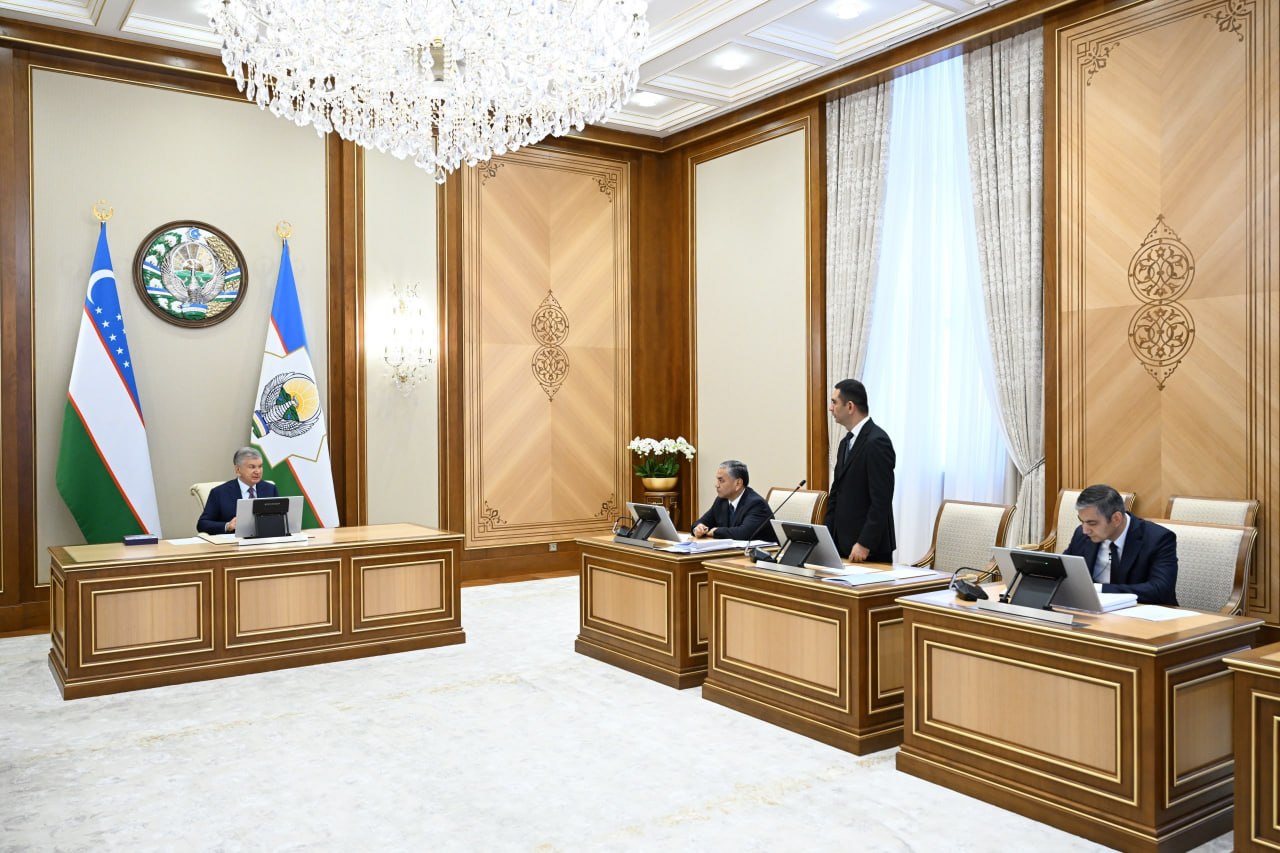
Following the designation of this year as the Year of Mahalla Development and Social Prosperity, large-scale measures are being implemented in Uzbekistan to promote employment, reduce poverty, and improve the infrastructure and social environment of mahallas.
In particular, by the end of the year, it is planned to provide permanent employment to 1 million people, lift 181,000 families out of poverty, increase the number of poverty-free mahallas 2.5-fold to 3,500, and reduce unemployment and poverty rates to 4.5%.
At the beginning of the year, a new system was introduced to work with 37 districts and 915 mahallas classified as “challenging”, where infrastructure, opportunities to improve living standards and business activity, and financial resources are limited. All necessary funds were allocated for this purpose.
In particular, 12 trillion UZS from the national budget were allocated to improve infrastructure in the “challenging” districts and mahallas. In addition, each such district received 50 billion UZS, while each mahalla was allocated 2 billion UZS. Regional hokimiyats also allocated 10 billion UZS to each of the 37 districts and 1 billion UZS to each of the 915 mahallas.
As a result, district hokimiyats and local councils received an additional 4 trillion UZS to work with the “challenging” districts and mahallas.
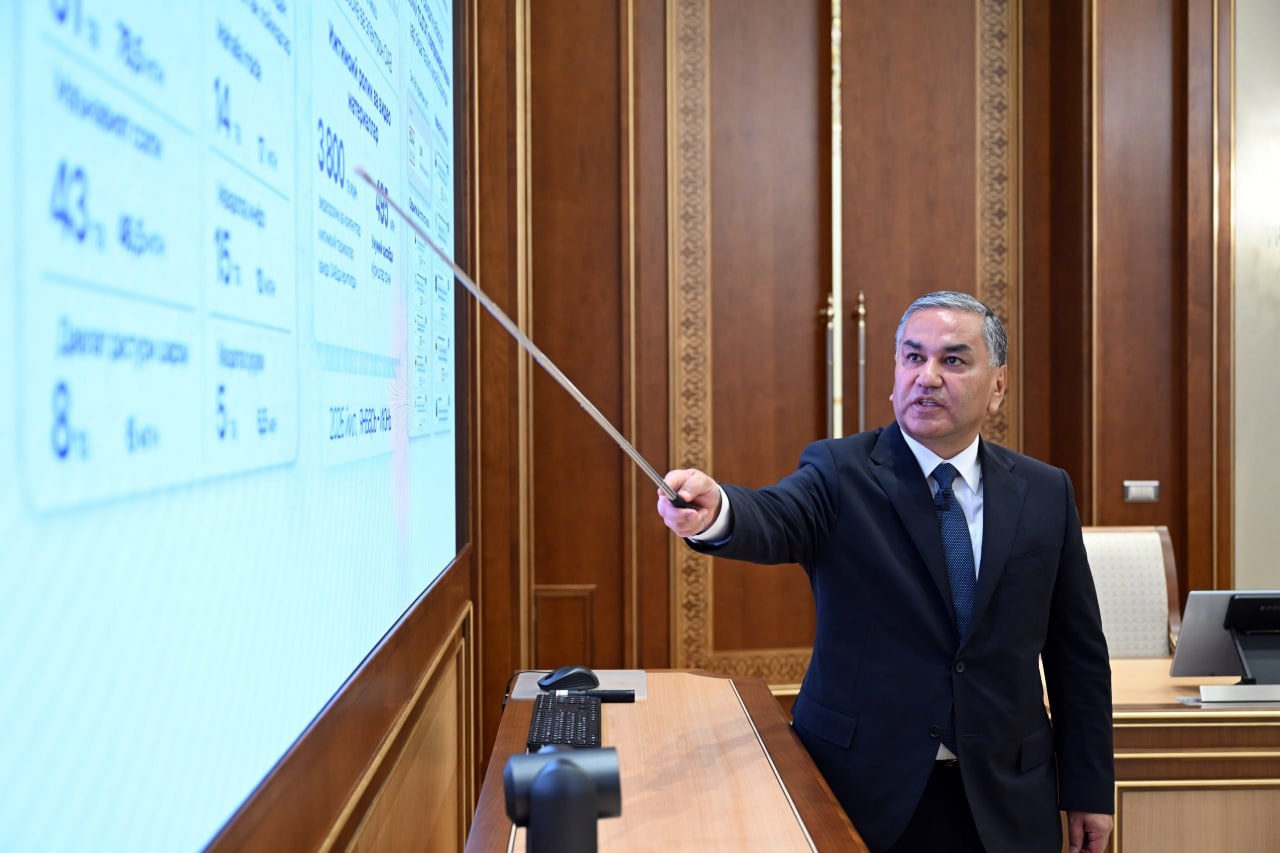
During the presentation, it was reported that an additional 200 billion UZS had been allocated to the National Mahalla Fund to support mahallas. Additional sources of permanent income totaling 300 billion UZS are also being created for them.
In particular, a portion of the fines imposed for violations of sanitary regulations and illegal construction in mahallas will be allocated to mahalla budgets. The share of land and property tax revenues retained by mahallas will increase from 10% to 15%. Mahallas will also retain proceeds from leasing vacant premises and from selling certain buildings.
These funds will primarily be directed towards programs to repair internal roads, improve pedestrian walkways, build children’s playgrounds and sports grounds, create mahalla parks, and provide employment for families in need.
Alongside this, separate efforts will be organized to provide vocational and craft training and help 245,000 citizens who have committed offenses and embarked on a criminal path return to a full social life.
During the presentation, particular attention was paid to the digitalization of mahalla activities. It was noted that a door-to-door survey conducted by mahalla “groups of seven” had identified problems affecting 1,365,000 citizens.
To address these problems promptly, the information systems of 35 ministries and agencies will be integrated into the “Digital Mahalla” platform. The platform will enable the identification of pressing issues at the mahalla level, systematic analysis of appeals, and prompt determination of appropriate solutions.
In addition, a new system based on artificial intelligence technologies will be introduced to identify the most pressing problems in each mahalla in advance and take prompt measures to address them.
Based on the specific characteristics of each mahalla, a portfolio of business initiatives proposed by residents and investment projects will be developed jointly with banks. This will help transform the opportunities available in mahallas into sources of employment and income for the population.
The presentation also reviewed the scientific organization of mahalla activities. As noted, only 10 of the nearly 20,000 academic studies analyzed examined specific issues related to mahallas.
In view of this, it was proposed to establish the National Institute for Mahalla Development. The institute’s activities will be organized in close cooperation with the Academy of Public Administration, which has significant academic potential.
The new institute will conduct scientific analyses of reforms in the mahalla system, study and disseminate best practices, and develop practical recommendations for the effective organization of the activities of mahalla “groups of seven”. Through this system, 21,000 mahalla system employees and members of the “groups of seven” will undergo advanced training annually.
The issue of buildings for mahalla citizens’ assemblies was also considered. It was noted that 99 mahallas currently lack their own buildings, the buildings of another 84 mahallas do not comply with urban planning standards, and four buildings are in disrepair.
Entrepreneurs proposed constructing mahalla buildings through public-private partnerships, providing part of these buildings free of charge to mahalla “groups of seven”, and using the remaining space to establish small workshops and service facilities to help create employment for the population.
The President supported these proposals and instructed the responsible officials to ensure the full launch of the “Digital Mahalla” platform, expand mahallas’ permanent sources of income, organize the activities of the National Institute for Mahalla Development, and construct mahalla buildings through public-private partnerships.