
The event
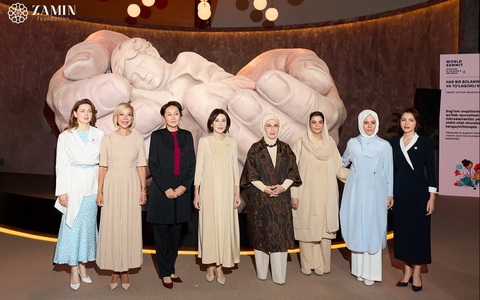
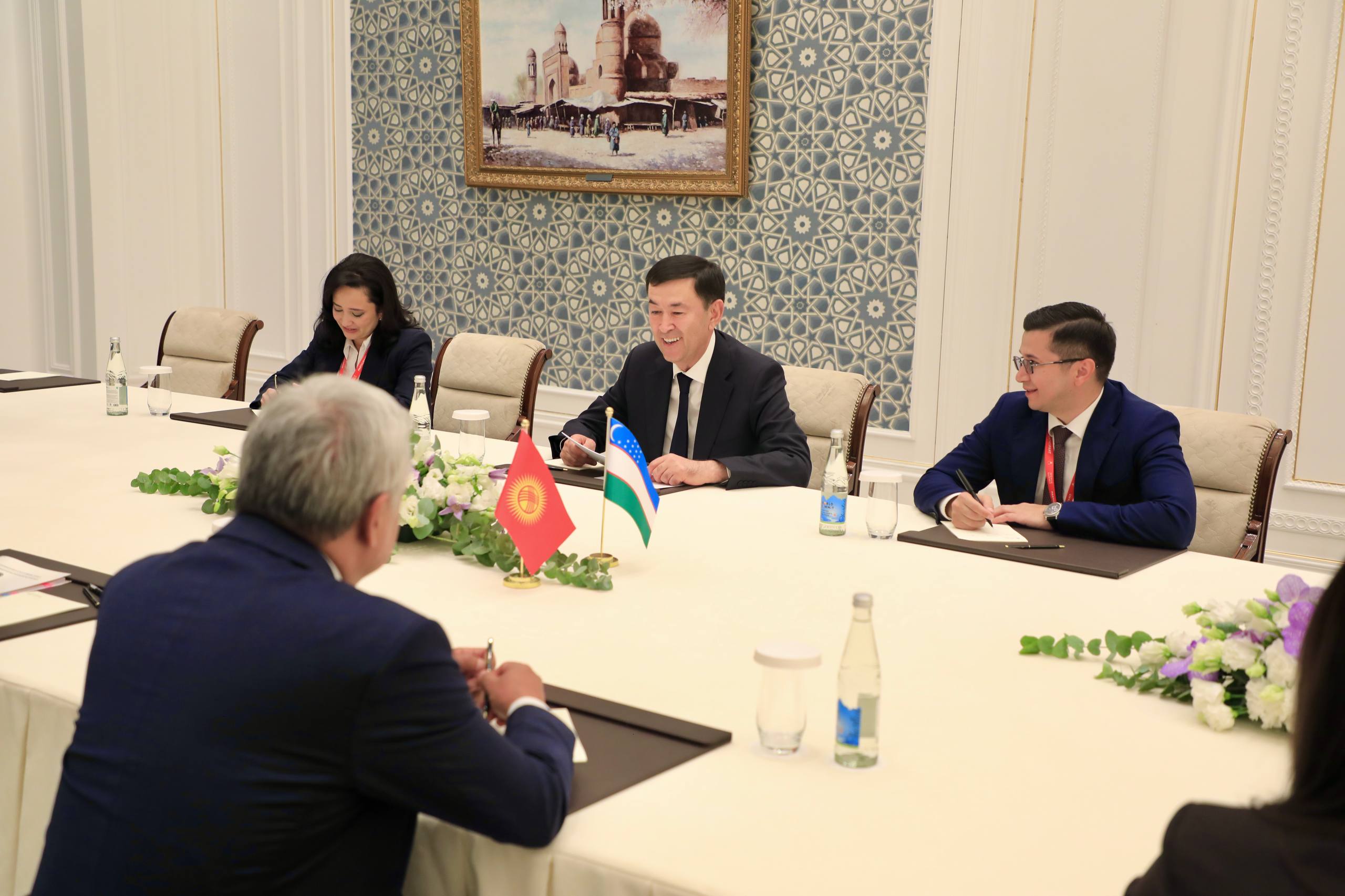
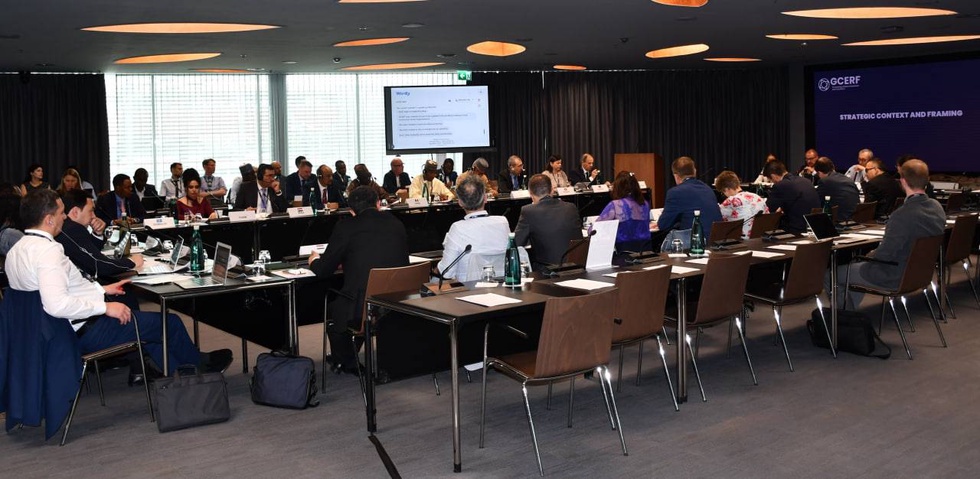
brought together high-ranking representatives from more than 40 countries that
are members of the Board of Directors and the GCERF partner network. The focus
was on improving the effectiveness of the Fund's programs, as well as
identifying priority areas for its future activities.
A separate
session of the meeting was devoted to the analysis of the evolution of risks
and sustainability factors in Central Asia. The discussion was moderated by
B.Mustafayev. The participants discussed the changes in the nature of modern
threats, which increasingly affect the social sphere and require the
development of comprehensive preventive approaches.
It was
stated that the states of the region are facing new challenges related to
changing migration routes, as well as the spread of extremist ideologies
through digital platforms. In these conditions, preventive work aimed at
strengthening social cohesion, supporting vulnerable groups of the population
and preventing radicalization becomes particularly relevant.
Against
this background, the participants were particularly interested in Uzbekistan's
experience in this field. The members of the Board of Directors highly
appreciated the system of measures implemented in the country, focused on
reducing vulnerability factors and targeted support for people at risk.
At the same
time, the system of rehabilitation and reintegration of repatriates implemented
in Uzbekistan has been widely recognized. The experts noted that this approach
is one of the most successful regional practices and is of significant interest
to the international community.
A special
emphasis was also placed on the results of cooperation between ISMI and GCERF
in the field of radicalization prevention. According to B.Mustafayev, since the
signing of the Memorandum of Understanding in 2024, extensive work has been
done between the parties. A country support mechanism has been formed, a GCERF
Investment Strategy for Uzbekistan has been developed, and financing of
projects by local non-governmental non-profit organizations has begun.
Currently,
with the support of the Foundation, initiatives of NGOs
"Barkaroryay", "Istiqbolli Avlod" and the Republican Center
for Social Adaptation of Children are being implemented. Their activities are
aimed at strengthening local communities, supporting at-risk families,
developing youth potential and improving digital literacy.
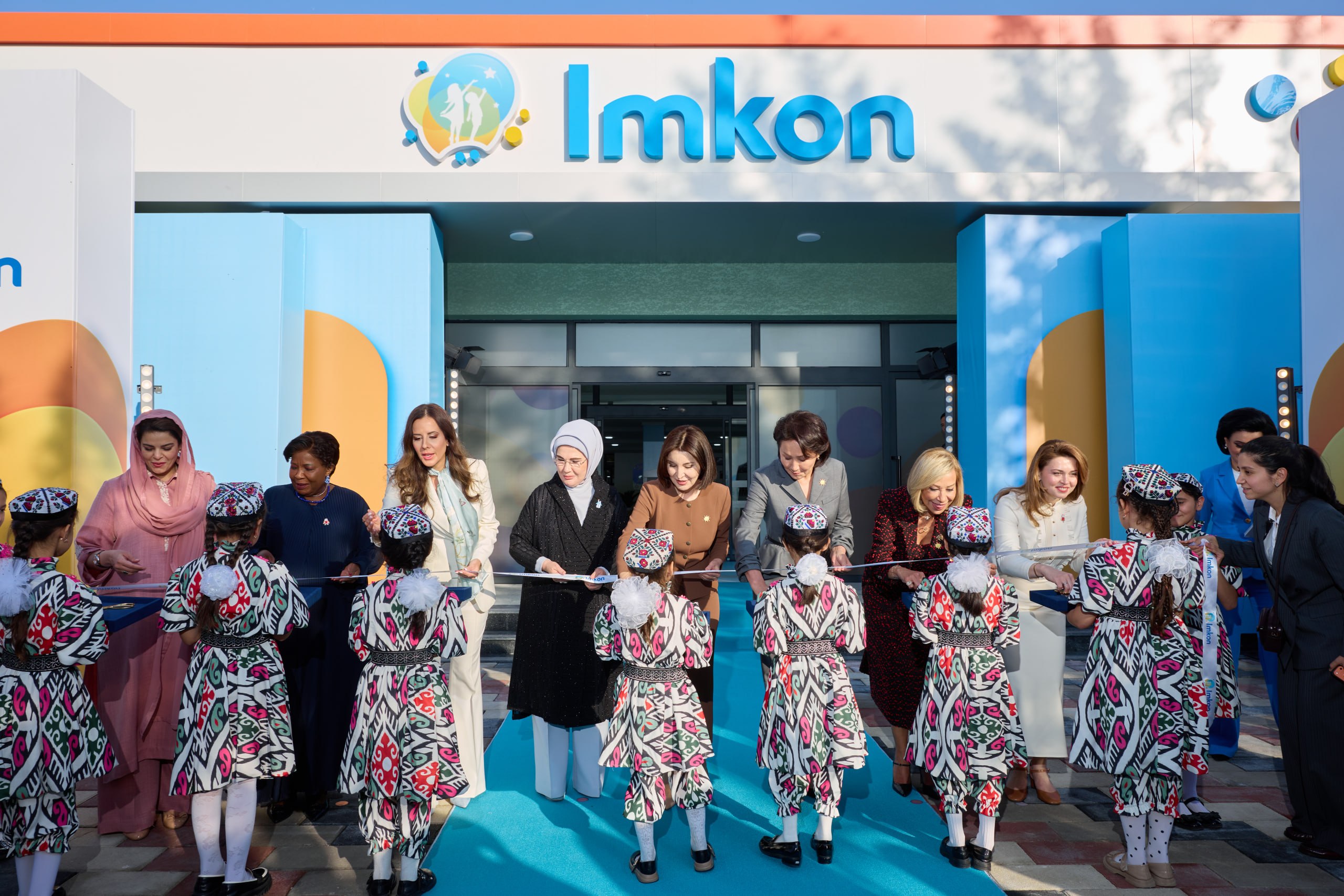
The
practical results of this work were the creation of child development centers
and sports grounds, the launch of the Start-to-Profession and Legal Clinic
laboratories, as well as small business support programs. Special attention is
paid to the Youth Digital Resilience initiative, which provides for the
creation of a Media Center to develop critical thinking skills and responsible
information consumption among young people.
Following the session, the participants confirmed their interest in further expanding cooperation with Uzbekistan and expressed their readiness to develop joint initiatives in the field of preventing radicalization, social integration and strengthening the resilience of local communities.