
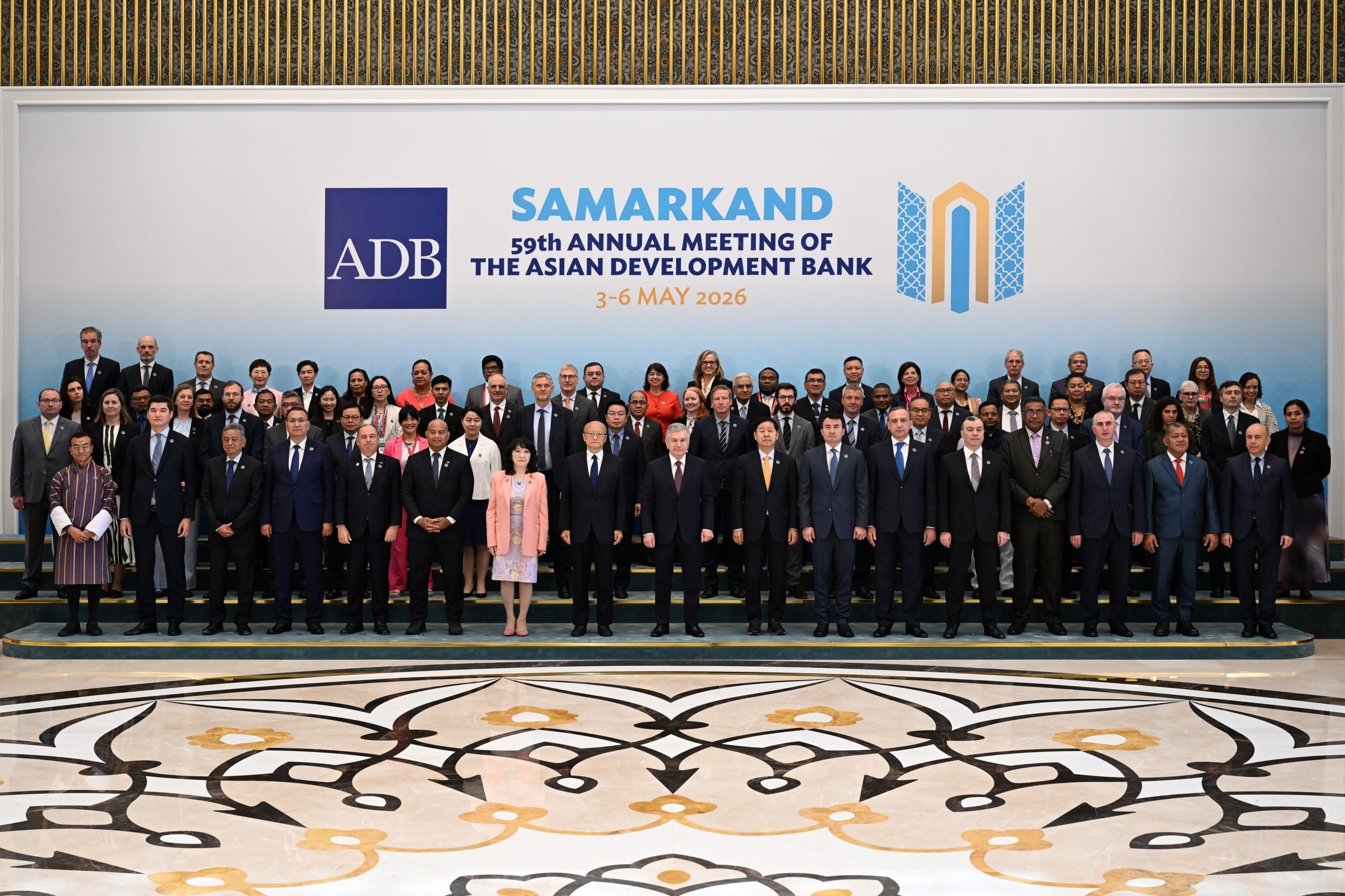
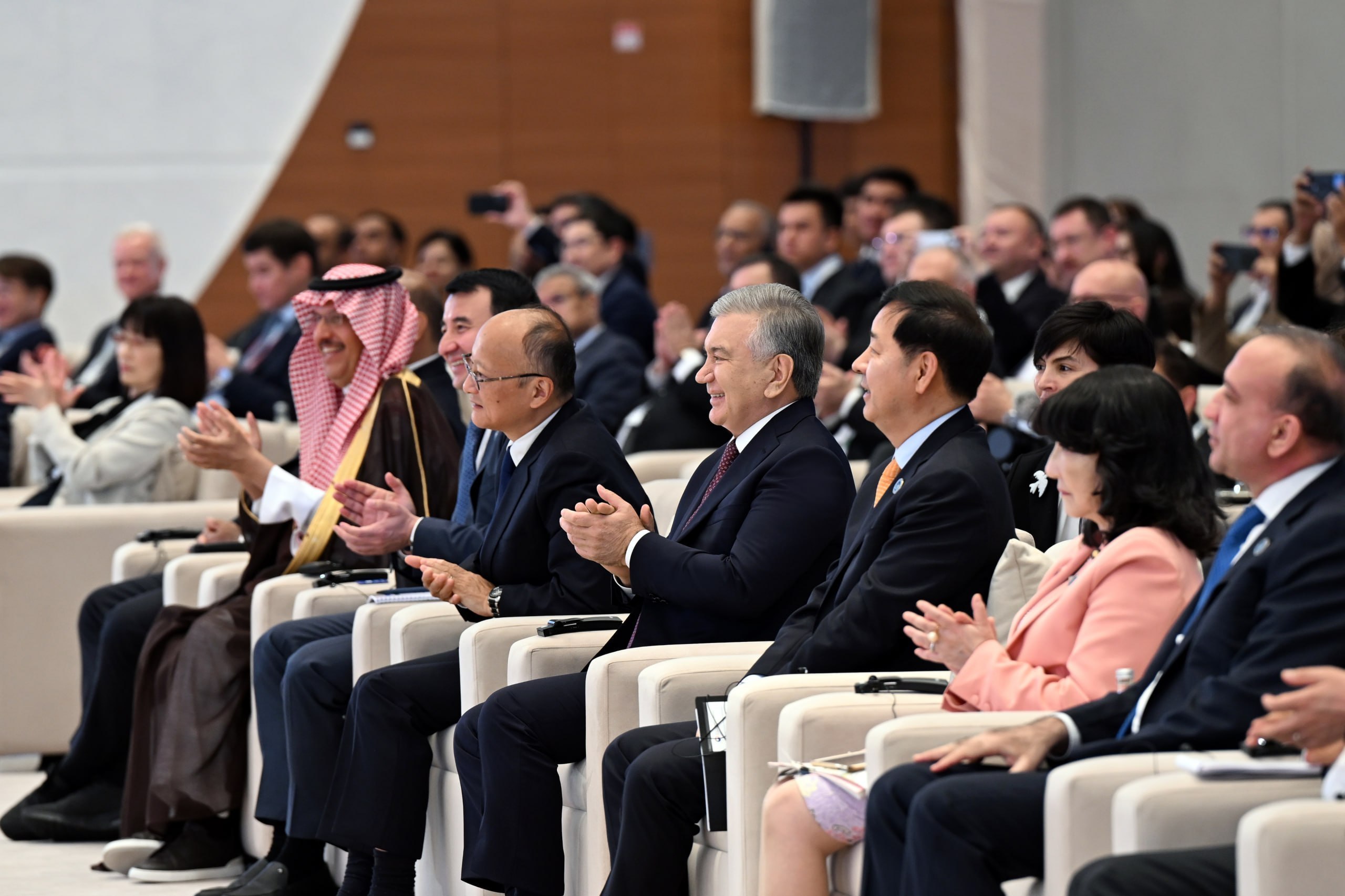
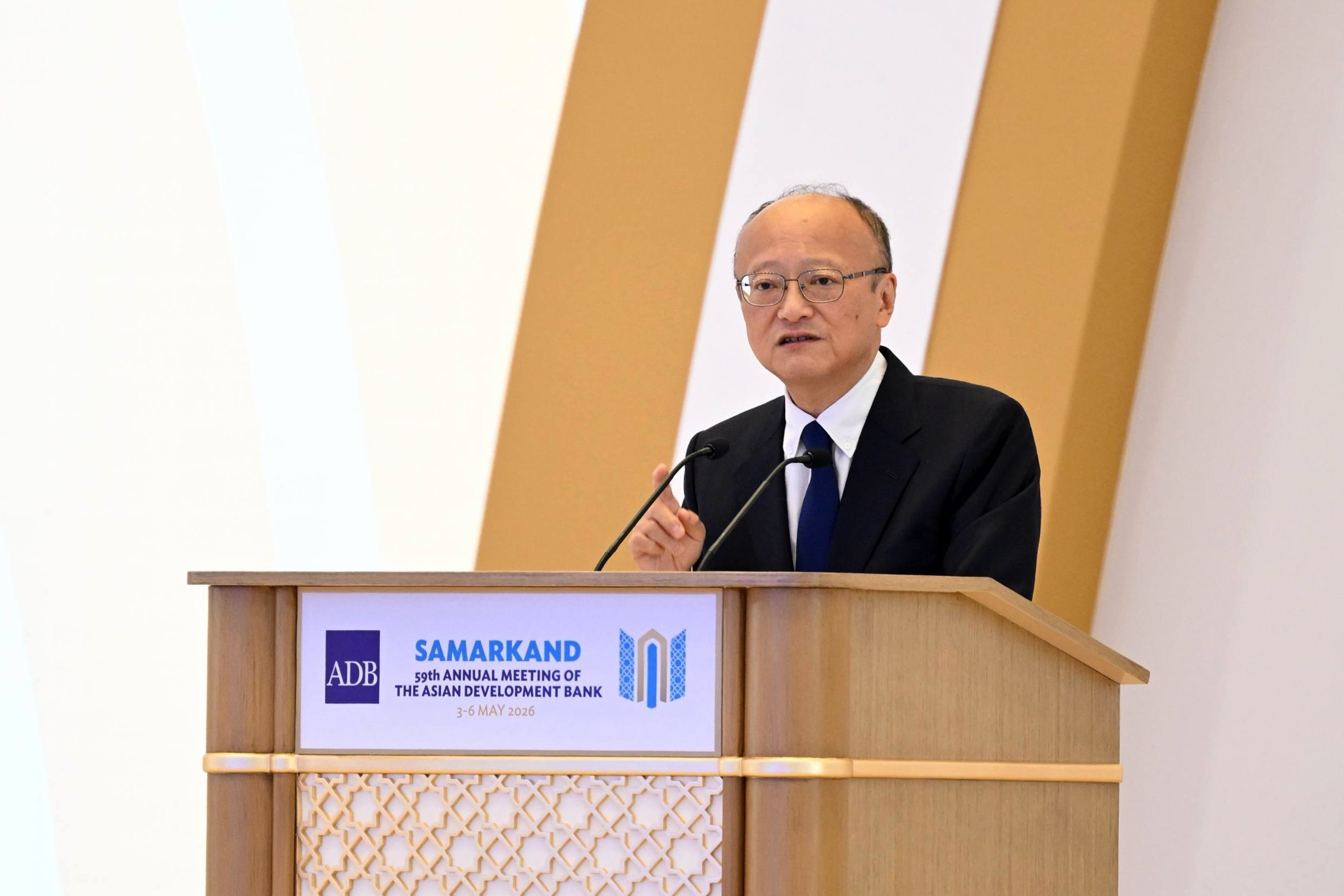
The forum is held under the theme “Crossroads of Progress: Advancing the Region’s Connected Future”. More than 4,000 experts from over 100 countries, including representatives of international financial institutions, leading banks, and companies, are participating in the forum.
The agenda includes digital and green transformation, climate resilience, the development of production and supply chains, food security, and other areas.
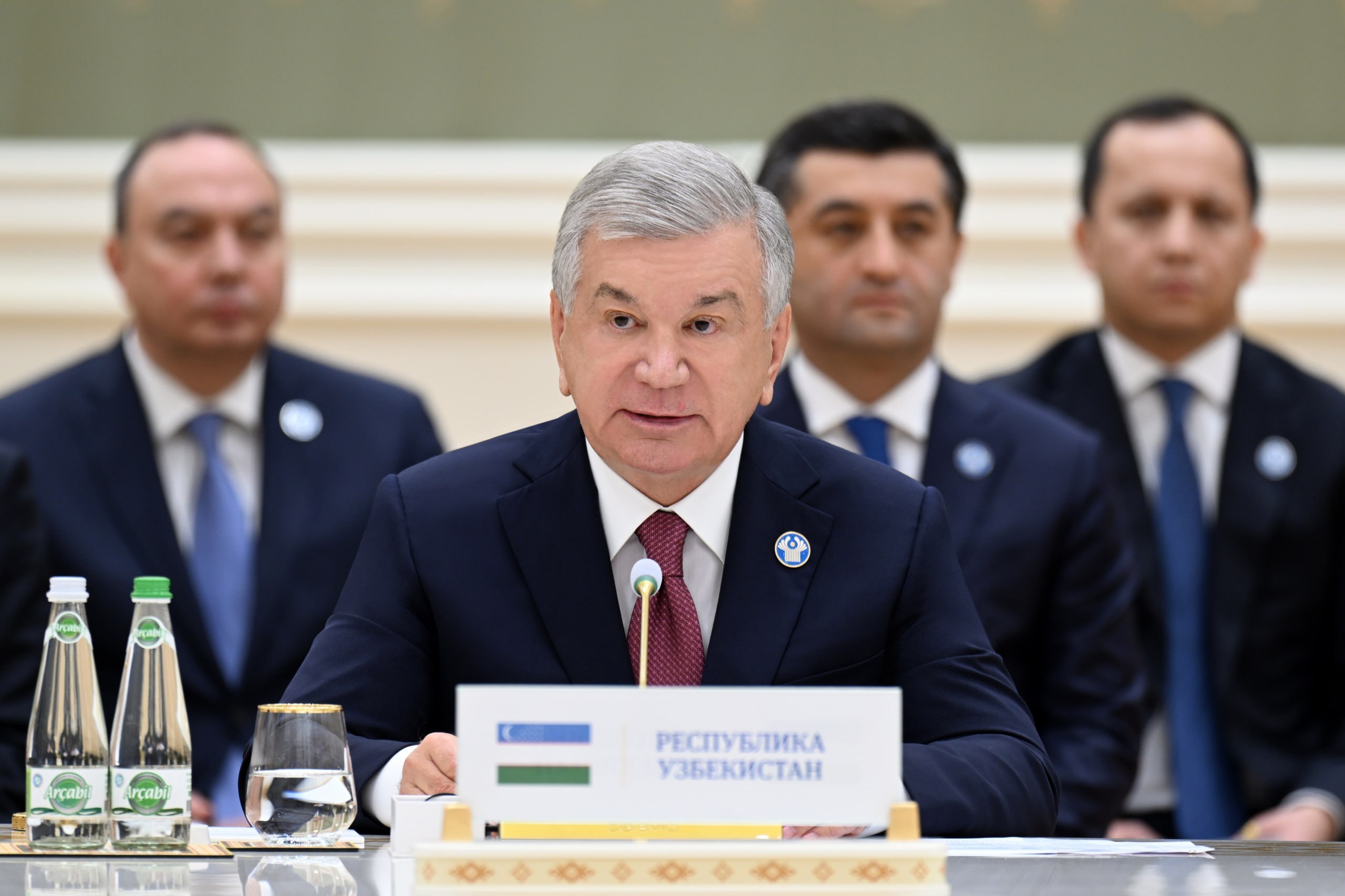
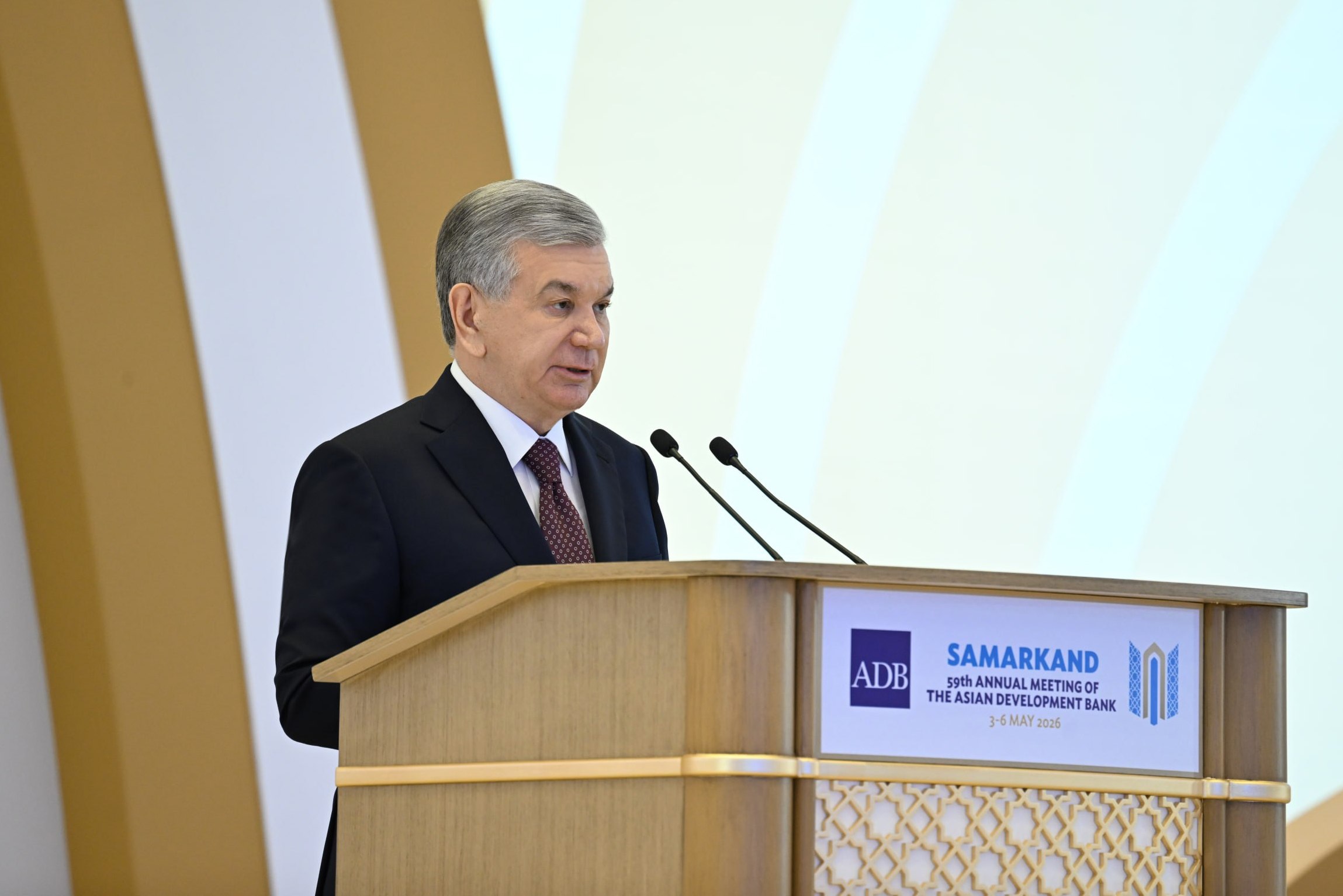
The Head of State delivered a welcoming address, noting that Uzbekistan is honored to host this prestigious forum.
The President noted that New Uzbekistan, which embodies a rich history and a prosperous future, is increasingly becoming a major platform for discussing pressing issues of international significance.
The Head of State then outlined the results of the large-scale reforms underway in the country. In recent years, $150 billion in foreign investment has been attracted to the economy, and thousands of modern enterprises have been launched. Exports of goods and services have tripled during this period, and the size of the economy has grown from $50 billion to $147 billion.
Since 2020, Uzbekistan has consistently improved its sovereign credit ratings. In this year’s Index of Economic Freedom, the country has risen 14 positions and, for the first time, entered the group of countries with a “moderately free” economy.
Despite global instability, Uzbekistan’s economy grew by 8.7 percent in the first quarter.
“Most importantly, our reforms have focused primarily on improving the daily lives of every single family and individual. During this period, we increased the income of 8.5 million people in need, reducing the poverty rate from almost 35 percent to 5.8 percent”, the President noted.
Over the past decade, Uzbekistan has ranked among the top five countries in terms of the most significant progress toward the Sustainable Development Goals.
By 2030, the country aims to transition all sectors to a technology- and innovation-driven growth model, increase the size of the economy to over $240 billion, join the ranks of upper-middle-income countries, and fully eradicate poverty.
The President particularly highlighted the role of the Asian Development Bank and other international financial institutions in the large-scale transformations underway in Uzbekistan. The joint portfolio of completed and ongoing projects with the ADB has reached nearly $16 billion.
Seizing the opportunity, the Head of State expressed gratitude to the President of the Asian Development Bank, Masato Kanda, the Bank’s governors, and the leadership of the World Bank, the International Monetary Fund, the Islamic Development Bank, the Asian Infrastructure Investment Bank, the European Bank for Reconstruction and Development, and other international financial institutions for their close cooperation.
Addressing the complex transformations in the global economy and the rapid advancement of new technologies, the President emphasized the need to jointly develop and implement new mechanisms and effective approaches with the Bank to ensure sustainable development.
The President focused particular attention on digital transformation and artificial intelligence. The establishment of an AI Hub has been initiated, and programs are underway to expand data center capacity, introduce supercomputing technologies, and train “Five Million AI Leaders” to modernize key sectors of the economy.
“The use of open AI models is also required in areas most essential to the population’s primary needs, including education, healthcare, water management, the environment, and food security”, the President noted.
It was proposed to develop a special program under the auspices of the Asian Development Bank to scale artificial intelligence in developing countries. The intention was to join the Bank’s “Digital Highway for Asia” initiative by opening a regional coordination center in Tashkent.
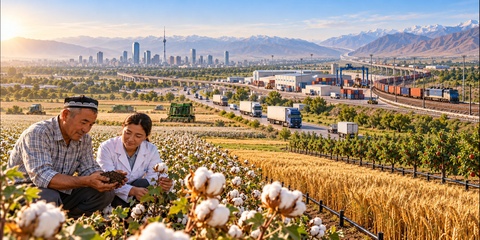
The development of green energy was identified as a priority area. In cooperation with global companies, 5,600 megawatts of capacity have already been commissioned, and by 2030, the share of renewable sources in energy generation is planned to reach 54 percent.
The ADB’s support for the creation of the “Central Asia – Europe” green energy corridor to expand clean energy exports was noted with gratitude. It was stated that the countries of the region, together with the Bank, will soon begin implementing this “energy artery” project.
The next pressing priority highlighted was ensuring the interconnectivity of transport systems and the stability of logistics corridors.
Given the challenges in international logistics, the construction of the China – Kyrgyzstan – Uzbekistan railway is especially important. The project is expected to reduce cargo delivery times by up to 10 days and significantly enhance the region’s overall transit potential.
It was proposed to establish a “Digital Customs and Logistics Alliance” within the framework of the ADB’s Central Asia Regional Economic Cooperation (CAREC) Program.
The potential for cooperation in developing critical minerals was also noted. The President emphasized that Uzbekistan’s goal is not only the extraction of mineral resources but also the creation of high-value-added industries through their deep processing.
The President of Uzbekistan called for joining the Asian Development Bank’s “From Critical Minerals to Production” program to promote high-value-added projects.
In addition, combating climate change was identified as a key priority. A regional project, the “Green Belt of Central Asia”, was proposed to complement national efforts to establish protective forest plantations along the dried bed of the Aral Sea.
Within the context of regional cooperation, an initiative was proposed to create a “Central Asia Tourist Ring”. The project aims to bring together the region’s unique cultural, pilgrimage, gastronomic, ethnographic, and other attractions into a unified space for travelers.
It was emphasized that to systematically promote the announced initiatives, it is necessary to fully utilize ADB’s wide range of financing instruments, including mobilizing private capital. In this regard, it was proposed to establish an Innovative Platform for Financing Regional Projects.
The Head of State noted that amid the profound transformations in the global economy, the Asian Development Bank’s role in ensuring the region’s socioeconomic stability is becoming increasingly important.
In conclusion, the President expressed confidence that the important proposals and initiatives put forward at the Samarkand platform will yield significant practical results and that each agreement reached will lead to tangible, beneficial projects.