
Fish farming plays an important role both in strengthening public health and in ensuring food security. An abundance of fish also has a positive impact on the prices of other types of meat, while its cultivation in household conditions provides families with additional income.
For this reason, the fishing industry in the country receives comprehensive support, especially in areas rich in water resources. Investment and cooperative projects are actively being introduced here.
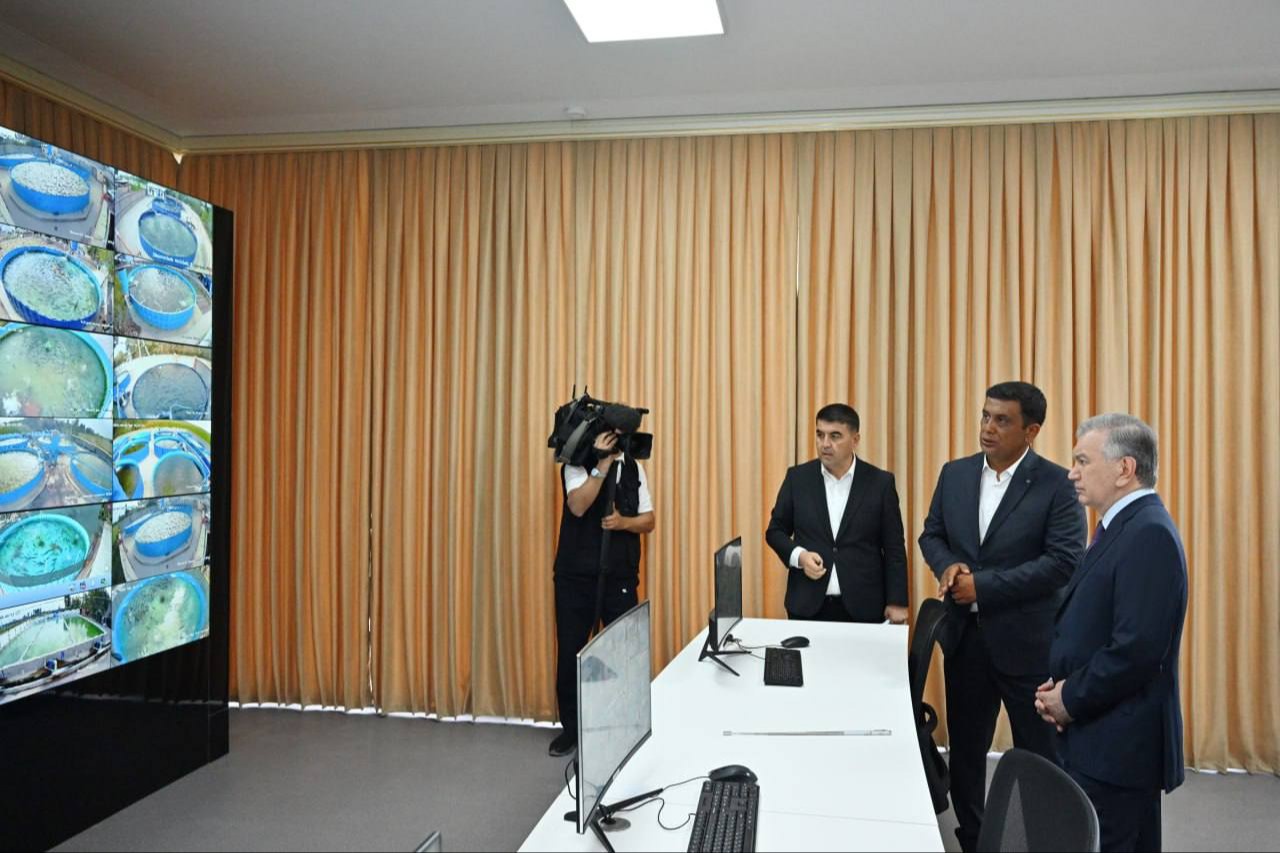
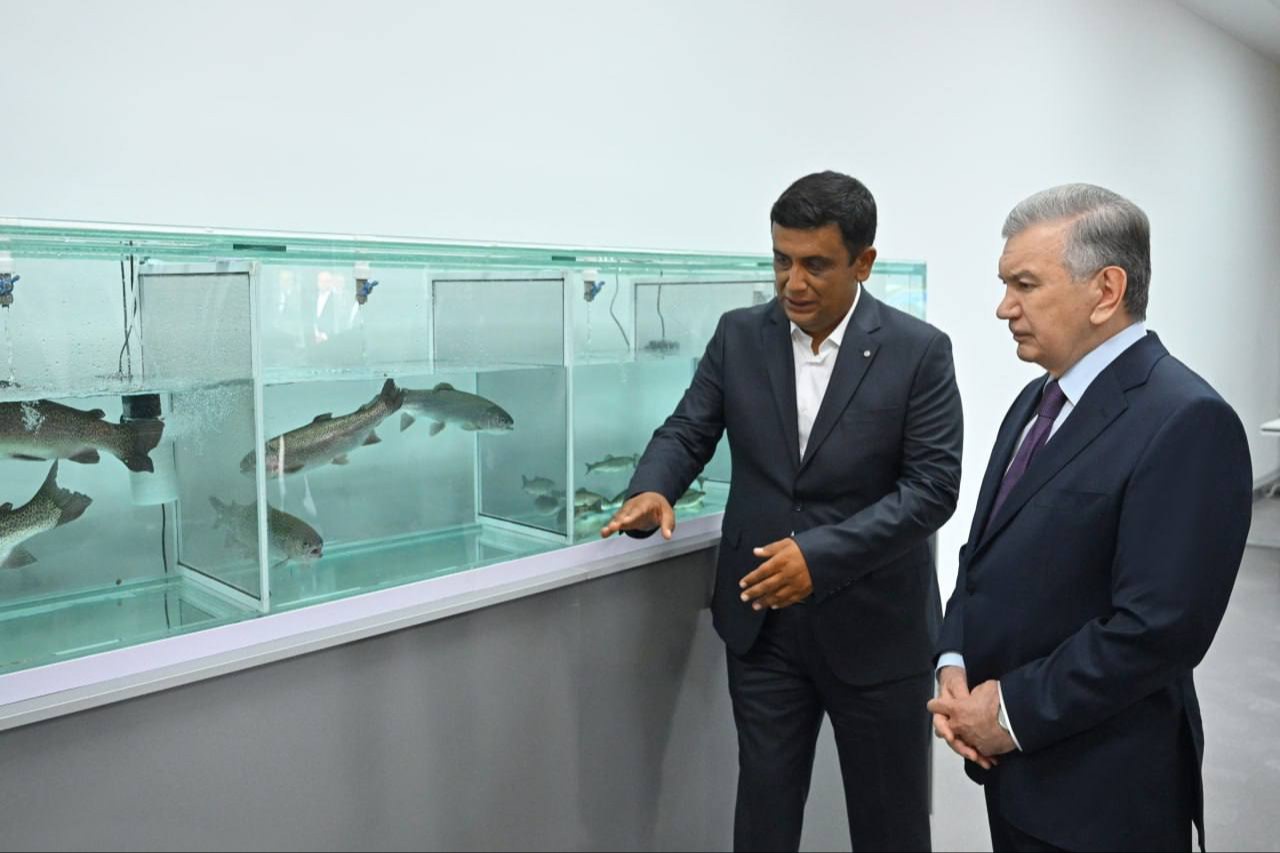
The Fishville Norin enterprise is implementing a project worth $3 million. On an area of more than two hectares, 76 innovative ponds have been established, 40 of which are already operational. Trout is being farmed here under a super-intensive system. In the future, it is planned to produce 2,000 tons of products annually and export them worth about $5 million.
The special value of the project lies in the fact that the enterprise trains residents in fish farming. Thus, 25 families from Khujakurgoncha mahalla, working in cooperation with the cluster, each earn up to 150 million UZS per year. In the future, another 100 families from Norin and Uchkuprik will be involved in the project. Out of the planned 2,000 tons of trout, 500 tons will be farmed in household conditions, employing more than 300 people.
The development of fish farming has also given impetus to related areas. A modern restaurant has been opened at the enterprise, offering guests dishes made from fresh fish. This contributes to the growth of tourism and the service sector in the region.
The Head of State instructed that areas of the country suitable for trout farming be identified and that this experience be replicated. It is also planned, in cooperation with Dutch partners, to establish fish feed production and to build artificial ponds near wells for distribution among the population.
Today, in Namangan region, 34 intensive reservoirs have already been created around reclamation wells under public-private partnership principles. Notably, the water used for fish farming, enriched with minerals, is then applied in agriculture, increasing crop yields. At the same time, the experience of foreign specialists is being taken into account.
During the visit, the President was presented with a report on the activities of the regional reform headquarters. It was noted that, in cooperation with entrepreneurs, projects worth $1 billion are being implemented, creating 12,000 new jobs, generating additional budget revenues of 200 billion UZS, and ensuring exports worth $160 million.
Thus, initiatives such as those being carried out in Norin and Mingbulak serve as an essential factor in the development of the regional economy. The population gains access to ready-made projects and professional training, which directly contributes to increased employment.
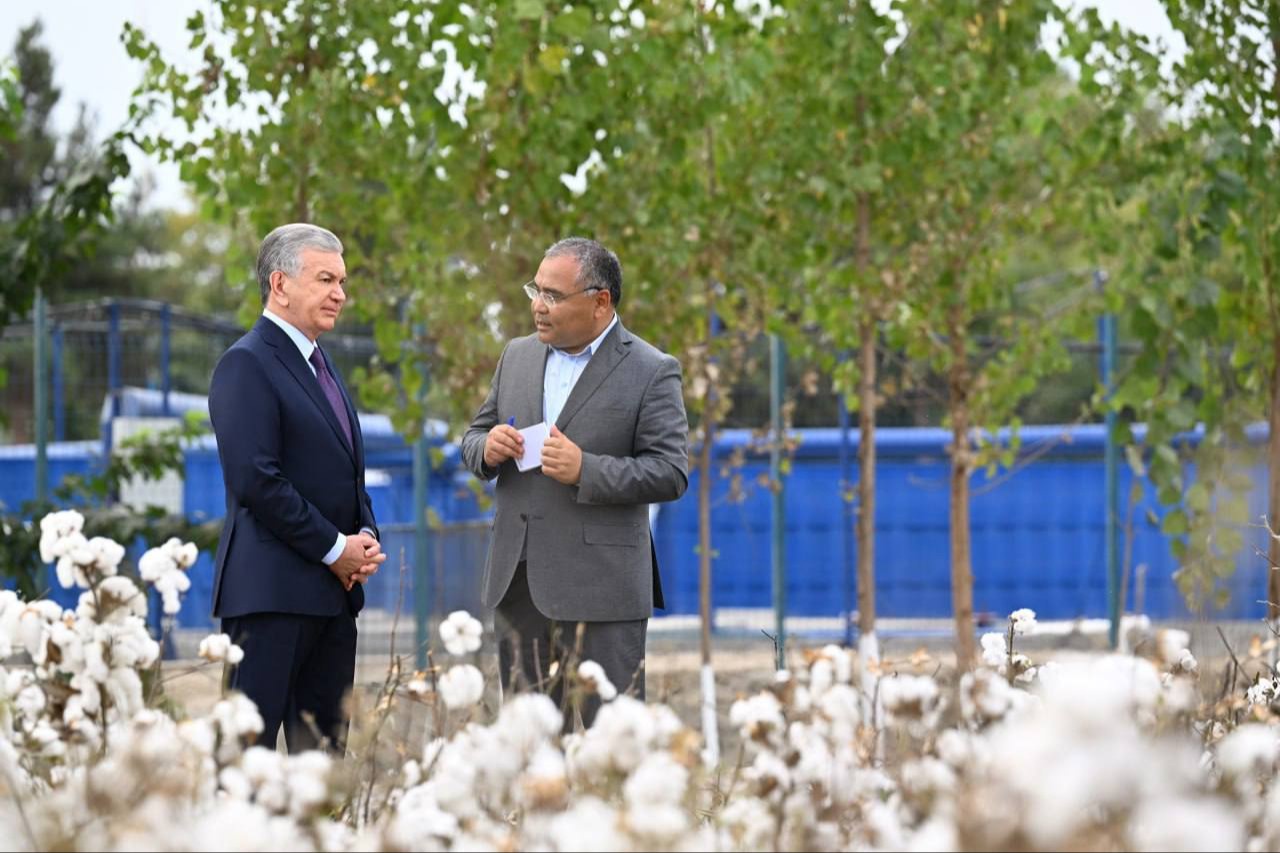
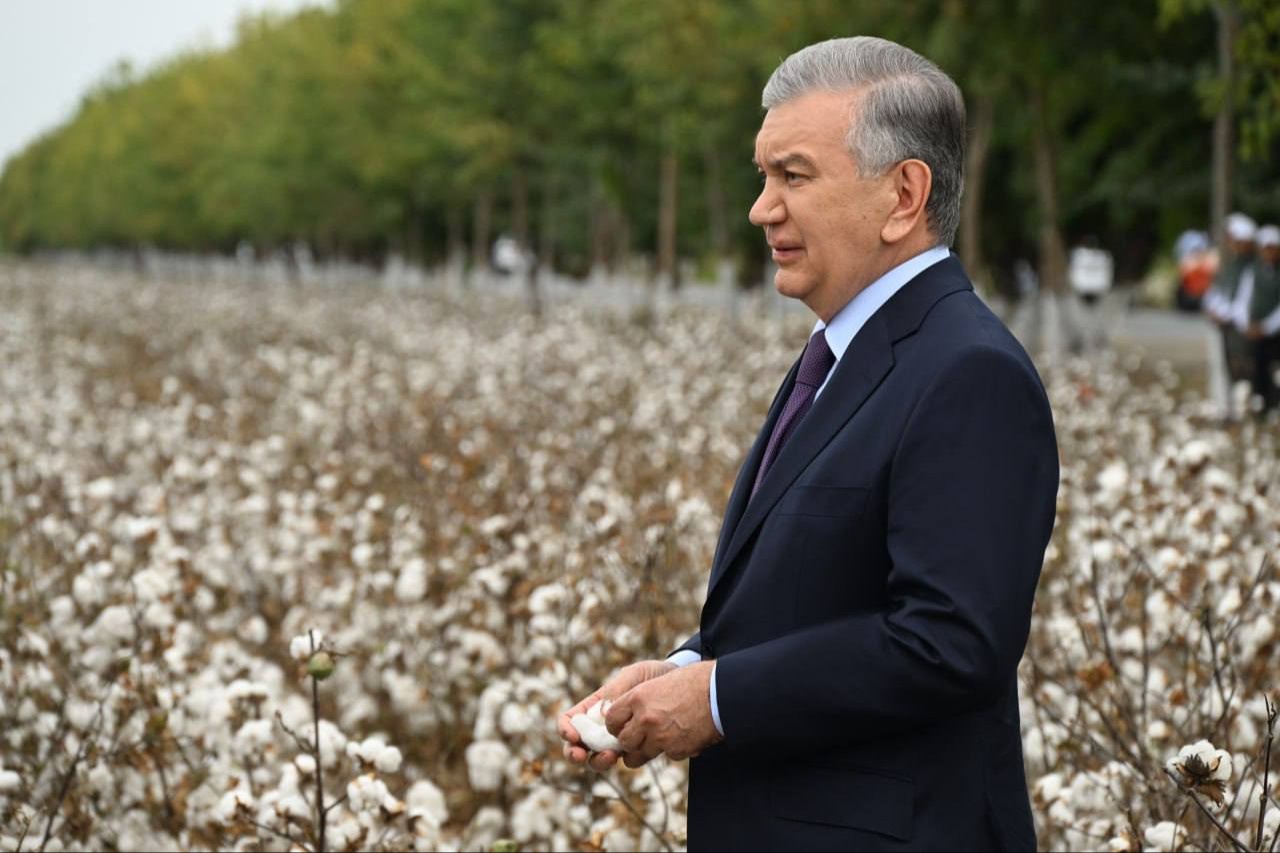
The President also visited the farm Rasulov Gofurjon Ogli Bakhodir in Norin district and reviewed the cotton harvesting process. Here, a foreign variety of cotton has been cultivated, yielding a high harvest. Drones are used for field treatment, while modern machinery is employed for harvesting, allowing cotton to be gathered without losses.