
In particular,
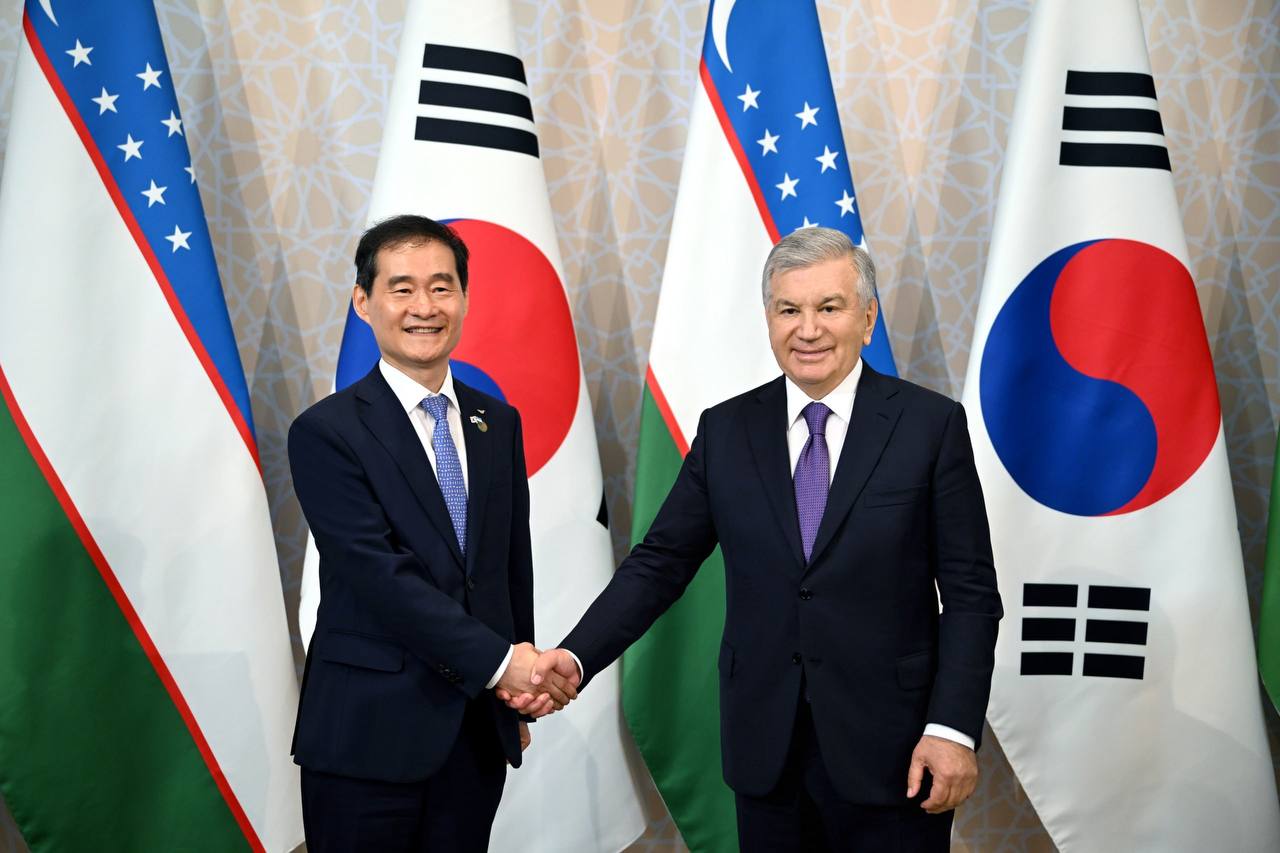
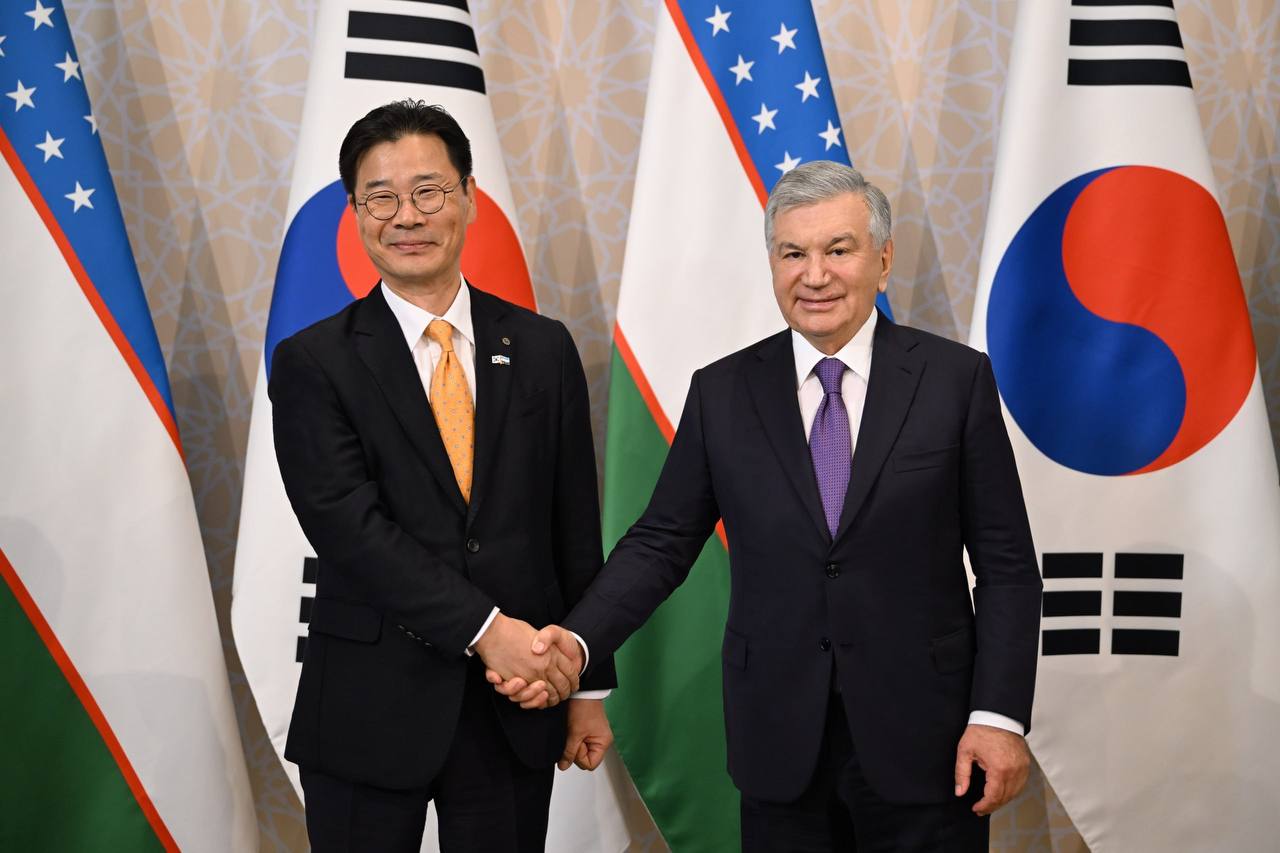
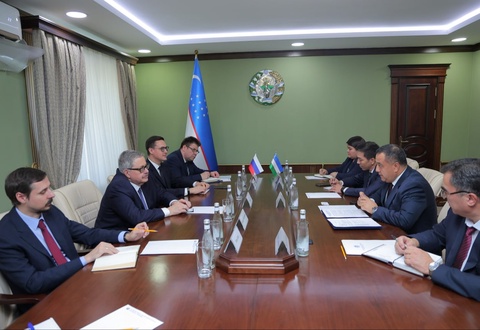
at a meeting with the founder and CEO of Worksmate Inc., Sevon Kim, and the CEO
of the employment company Hyun Ju, Sidok Lee, issues related to expanding
opportunities for citizens of Uzbekistan in the Korean labor market, improving
the effectiveness of cooperation within the framework of the E-9 program, as
well as the prospects for attracting qualified specialists on the basis of the
E-7 visa, were discussed.
E-9:
expanding ties with employers in the construction sector
At the
meeting, it was noted that, under the EPS system currently in effect between
Uzbekistan and Korea, citizens are sent to the Republic of Korea in an
organized manner on the basis of an E-9 work visa.
At the same
time, attention was drawn to the need to intensify the process by which Korean
employers select candidates who have successfully completed the EPS-TOPIK in
the construction sector.
The
Migration Agency proposed expanding direct contacts with Korean construction
companies and strengthening cooperation to provide employers with a broader
understanding of the potential of Uzbek candidates.
In this
regard, the capabilities of the GADA digital platform, managed by Worksmate
Inc., were presented.
Worksmate
Inc. was founded in 2020 and specializes in digitally connecting employers and
job seekers in the construction sector. According to the company, GADA
cooperates with more than 1,500 construction companies in Korea. The platform
allows you to track employees’ work experience and employment history, manage
the necessary documents in digital format, and simplify the interaction
processes between employers and employees.
During the
negotiations, the possibility of mutual integration of the Migration Agency’s
electronic platform “Xorijda ish” and the GADA platform was discussed. Such a
mechanism could create additional opportunities for effectively connecting
specialists in the construction industry of Uzbekistan with employers in Korea.
At the same
time, special attention was paid to the issue of protecting the personal data
of citizens of Uzbekistan. The Agency stated that it is necessary to strictly
comply with the requirements of Uzbek legislation when processing and storing
citizens’ data.
E-7: a
promising area for qualified personnel
Another
important topic discussed at the meeting was the prospects for attracting
qualified foreign specialists to Korea’s construction industry on the basis of
the E‑7 visa.
Representatives
of Worksmate Inc. reported that, with the participation of relevant Korean
authorities, a project is planned to attract qualified specialists for the
construction sector from Uzbekistan, Vietnam, Mongolia, and Thailand.
According
to the preliminary requirements presented, graduates of vocational education
institutions are required to have 5 years of work experience; specialists
with a bachelor’s degree must have a diploma and at least 1 year of work
experience. For graduates of master’s programs, there is no requirement to have
work experience.
Also,
according to the data provided, the initial monthly salary will start at
2,156,880 won and may increase as the specialist’s qualifications improve.
The
migration agency has proposed a model for preliminary and targeted personnel
training in this area. According to the proposal, students of higher
educational institutions in Uzbekistan will be taught the Korean language, will
be provided with the necessary professional qualifications, will gain the
required work experience at local construction companies, and will subsequently
be considered for employment as specialists who meet the requirements of the
Korean labour market.
This
approach is aimed not only at providing the foreign labour market with labour,
but also at training competitive specialists with language, professional and
practical skills.
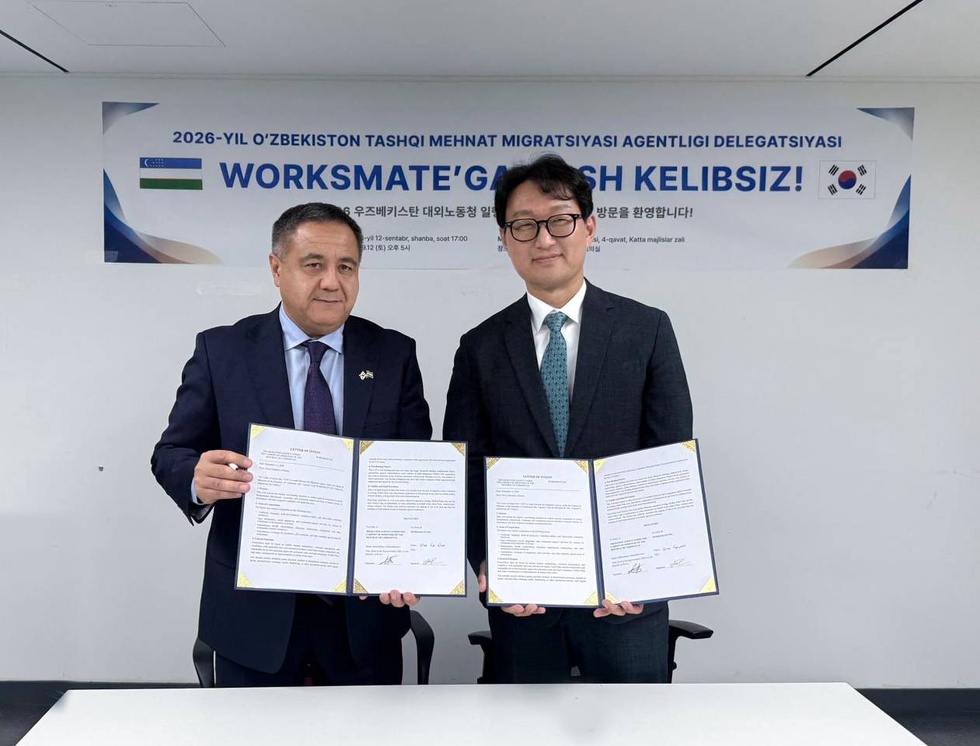
A letter of
intent on cooperation has been signed.
Following
the negotiations between the Migration Agency and "Worksmate Inc.", a
letter of intent was signed - LOI to establish cooperation and jointly explore
the areas discussed.
The
management of "Worksmate Inc." and the working group have also been
invited to Uzbekistan to continue practical negotiations, as well as to
familiarize themselves with the personnel training system in Uzbekistan and the
potential of specialists in the construction industry.
It should
be noted that the employment of citizens in the E-7 direction has not yet
begun. The parties are currently discussing the possibilities and requirements
for the further launch of this mechanism.
The main
goal of the negotiations conducted by the Migration Agency is to expand the
existing opportunities available to citizens of Uzbekistan in the Korean labor
market, strengthen direct ties with employers, and gradually increase the
employment opportunities for qualified specialists in high‑paying jobs.