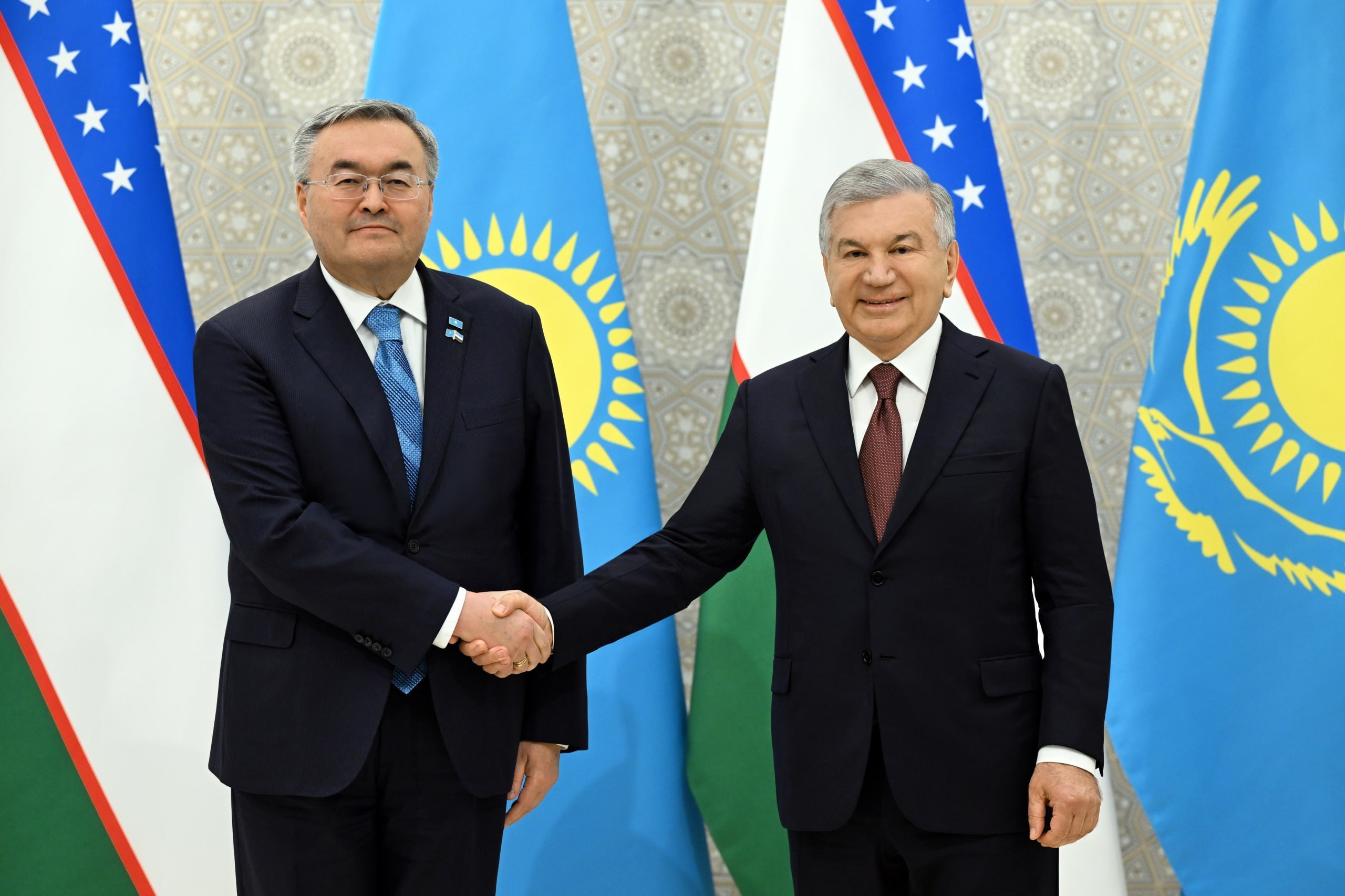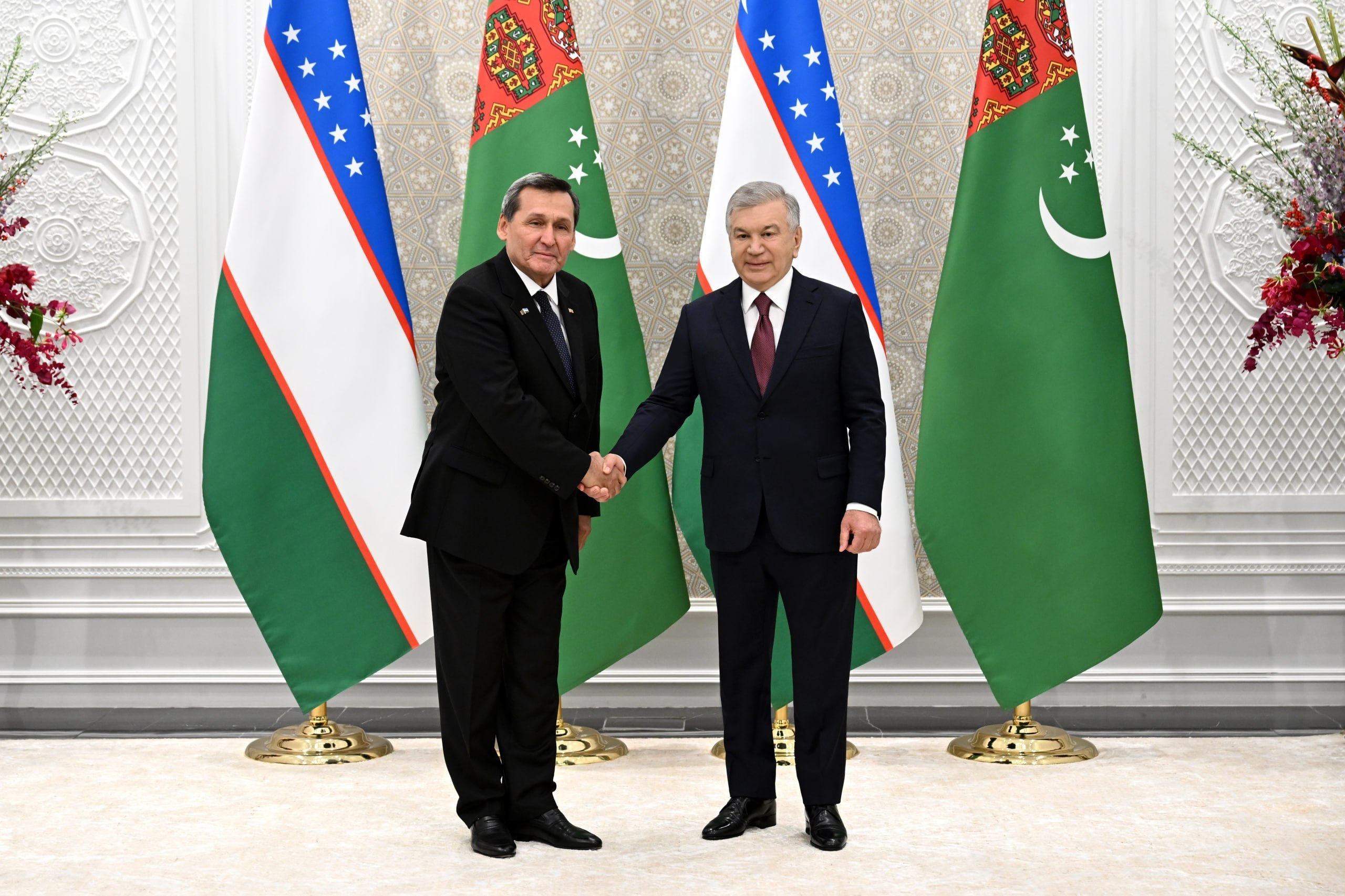

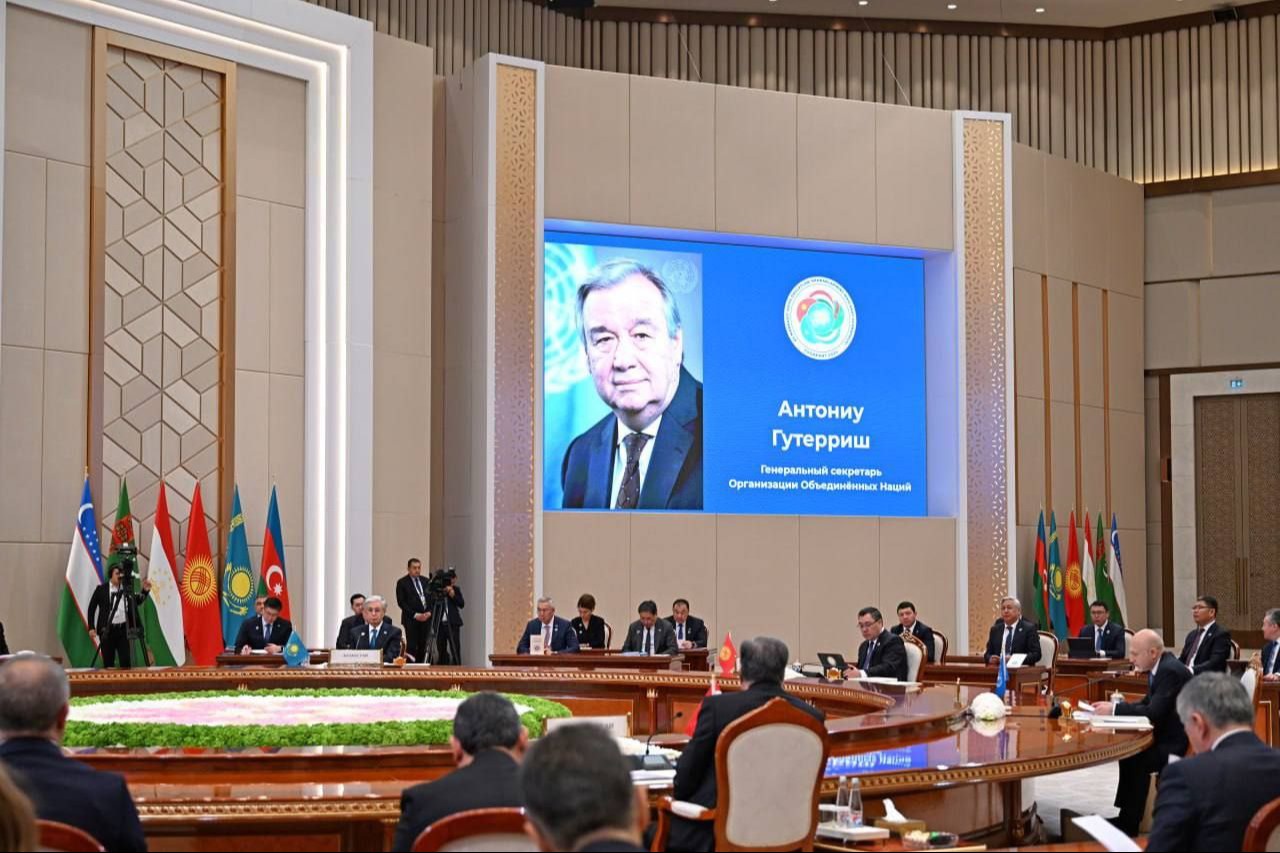
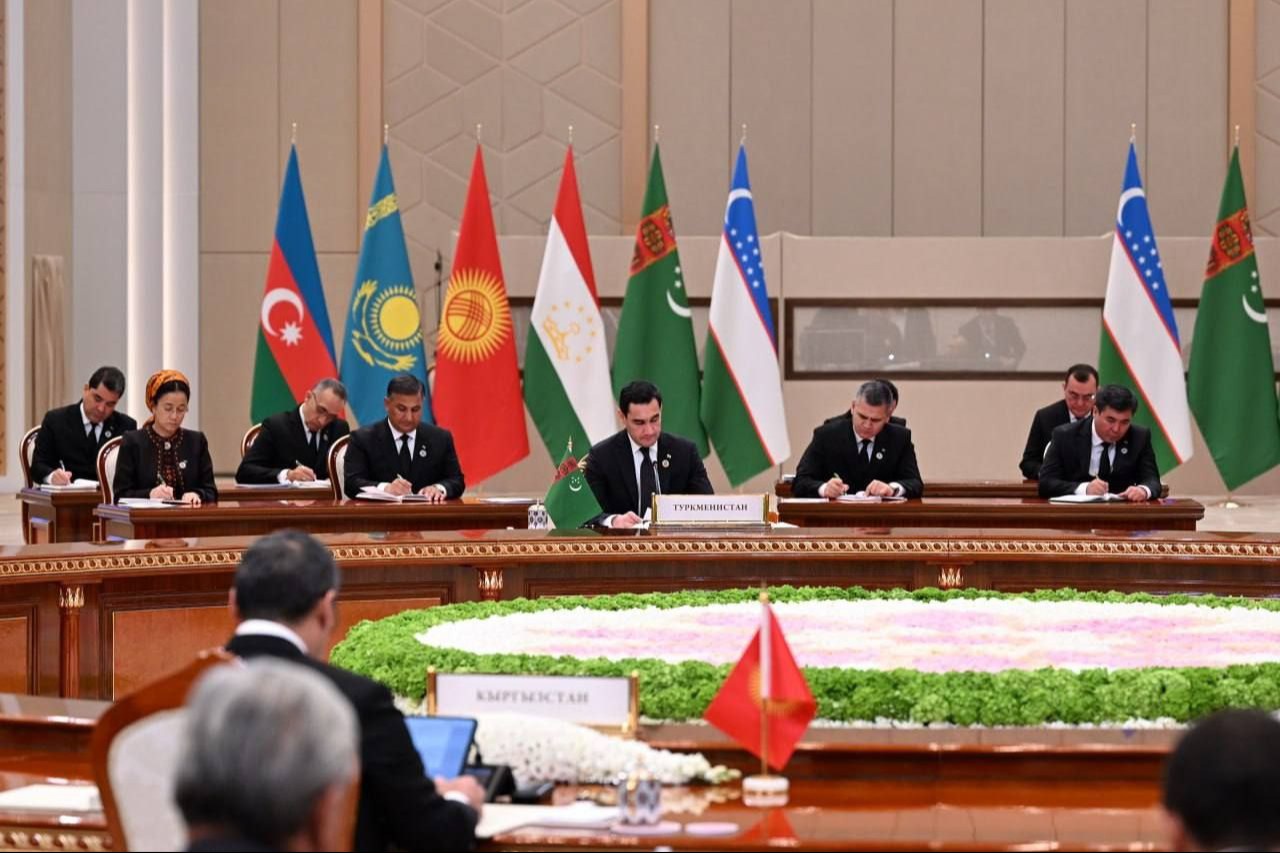
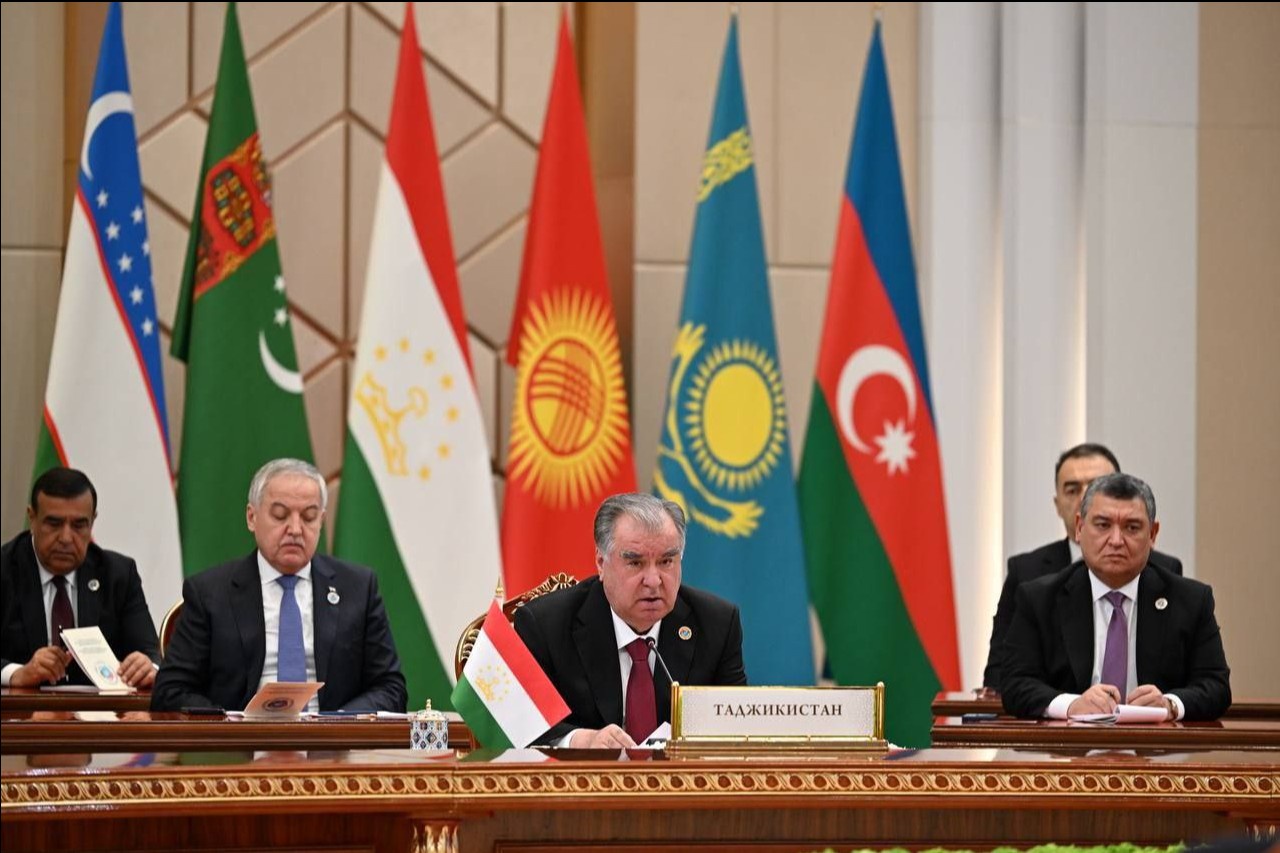
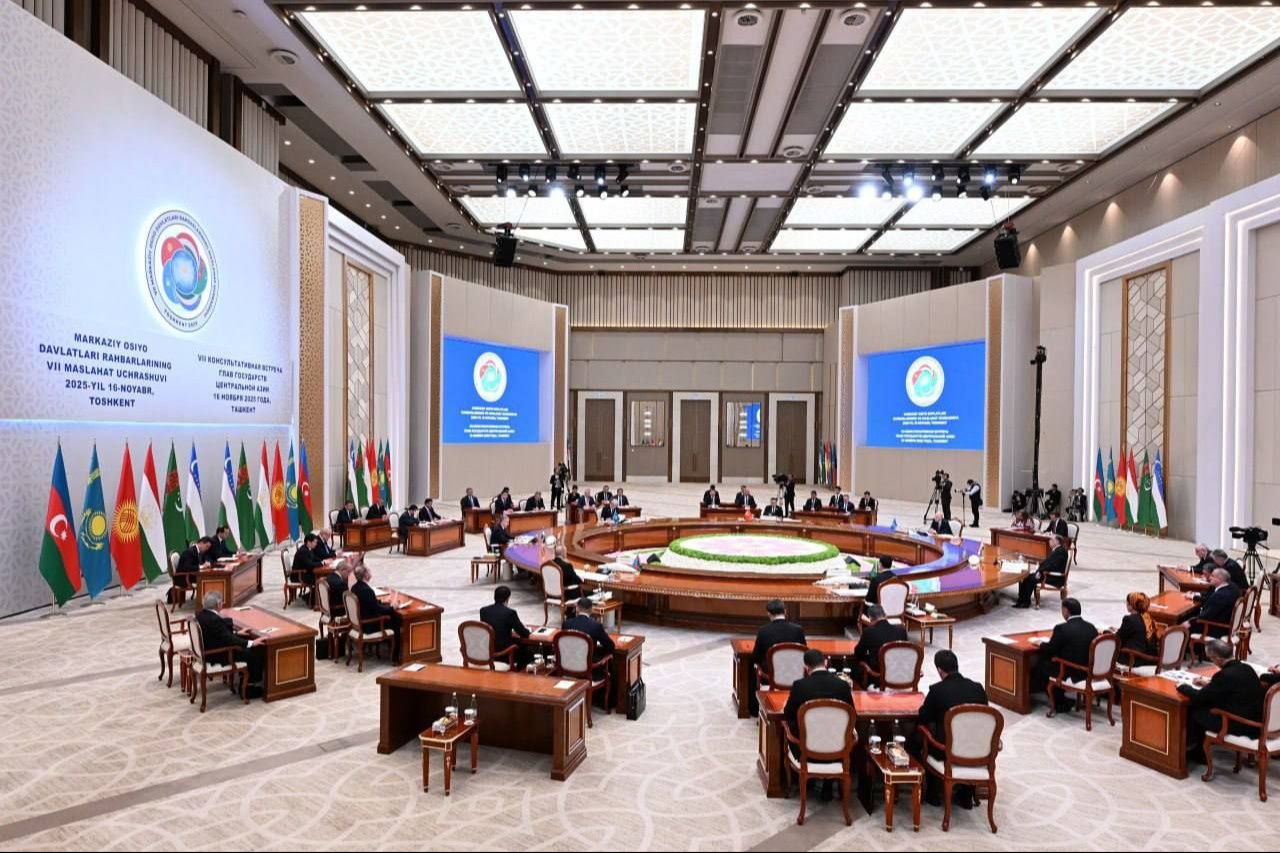
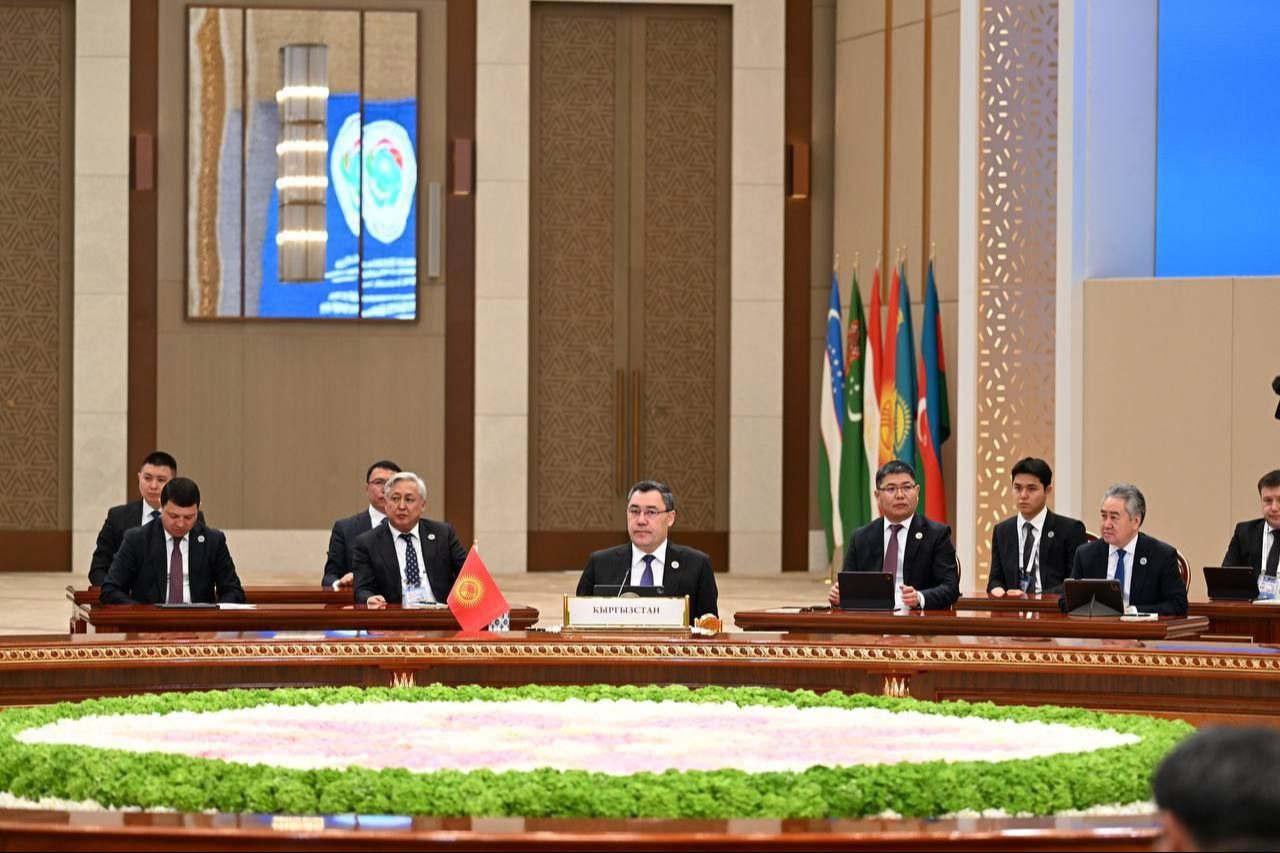
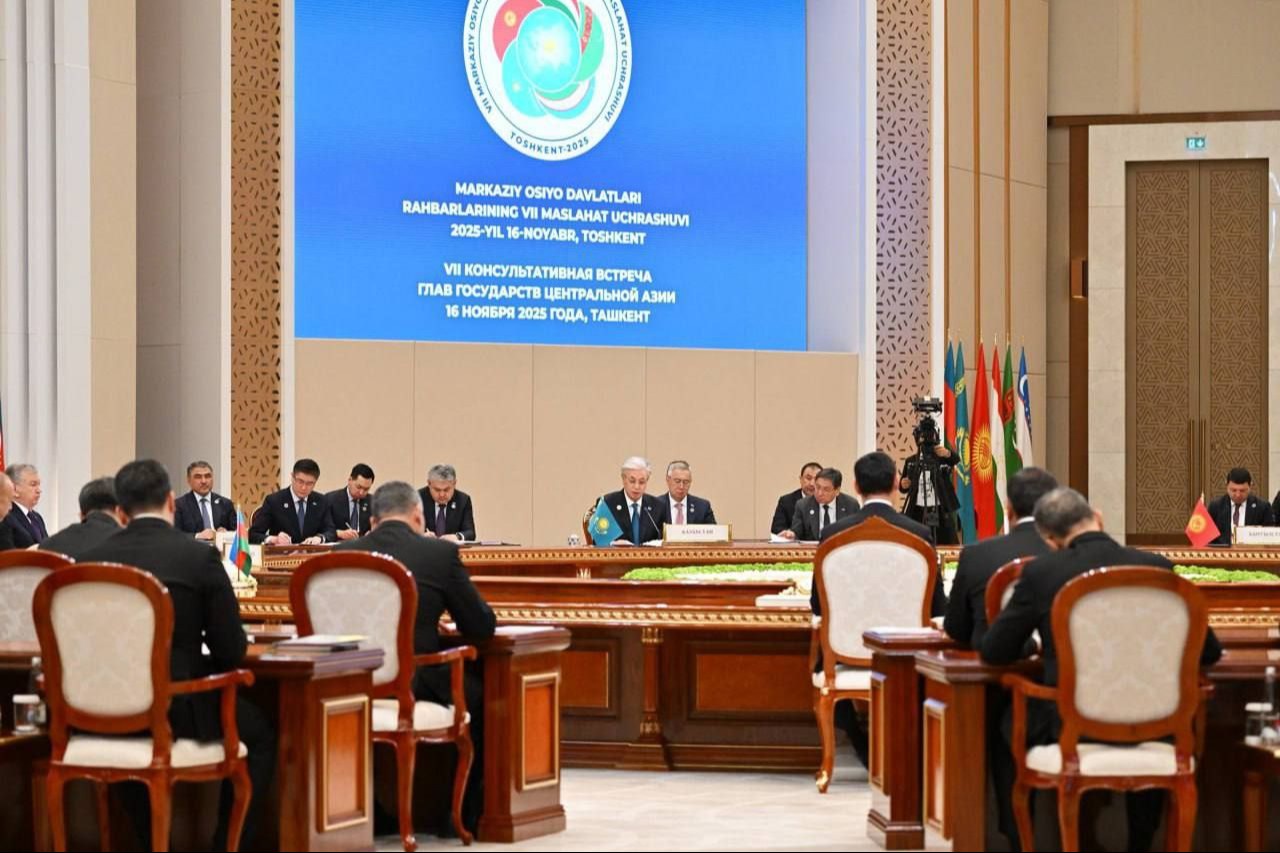
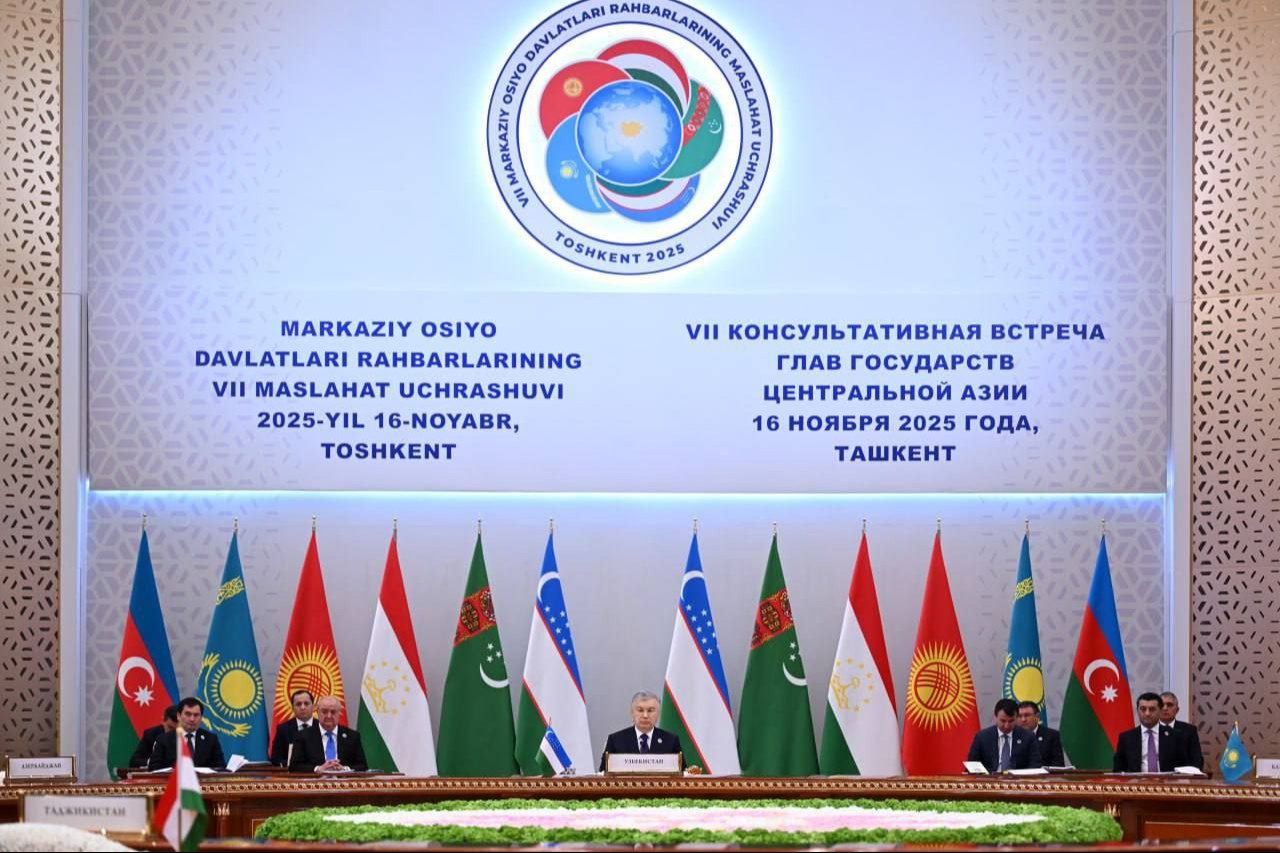
The summit was attended by the President of the Republic of Azerbaijan Ilham Aliyev, the President of the Republic of Kazakhstan Kassym-Jomart Tokayev, the President of the Kyrgyz Republic Sadyr Japarov, the President of the Republic of Tajikistan Emomali Rahmon, the President of Turkmenistan Serdar Berdimuhamedov, as well as Kaha Imnadze, Head of the UN Regional Centre for Preventive Diplomacy for Central Asia.
In accordance with the agenda, participants reviewed issues related to strengthening regional cooperation and the implementation of joint projects and initiatives in priority areas.
At the beginning of the summit, the President of Uzbekistan announced with satisfaction Azerbaijan’s accession to the Consultative Meetings format as a full participant. As emphasized by the Leader of Uzbekistan, this decision fully corresponds to the interests of our peoples, who are firmly connected by common history, kinship ties, and spiritual and cultural affinity.
He also expressed confidence that this strategic step would give a powerful impetus to the Consultative Meetings, open new horizons for expanding trade, economic, investment, and cultural-humanitarian cooperation, and facilitate the development of consolidated decisions on issues of sustainable development.
“Essentially, we will build a solid bridge between Central Asia and the South Caucasus, paving the way for the formation of a single space of cooperation, which will undoubtedly enhance the strategic connectivity and resilience of both regions”, stated President Shavkat Mirziyoyev.
The Leader of Uzbekistan then provided a brief assessment of integration processes in the region in recent years. It was emphasized that, thanks to open dialogue and active joint efforts, effective solutions have been found to a whole range of pressing regional issues.
Territorial matters have been fully resolved, border checkpoints have opened, mutually beneficial cooperation in the water-energy sector has been established, transport links have been restored, and favorable conditions have been created for active trade, investment, and humanitarian contacts.
“Today, Central Asia is a space of dynamic development and fruitful cooperation, opening up new opportunities for sustainable growth and prosperity”, the Head of State emphasized.
The region is rapidly integrating into the global economy: its investment attractiveness is growing, opportunities for exporting to third-country markets are expanding, and its transit potential is increasing. Last year, the volume of mutual trade among the countries of the region reached $10.7 billion, and total investment in Central Asia increased by 17 percent.
Systematic measures are being taken to ensure security and stability, and to counter threats of terrorism, extremism, and transnational crime.
The region’s international standing is strengthening, and its role in global affairs is growing. Cooperation within the “Central Asia Plus” formats is intensifying, and the region presents a unified position at reputable international platforms.
Confidence was expressed that with Azerbaijan joining the format, the region’s voice in the global community will become even more significant.
It was noted that during Uzbekistan’s chairmanship, more than 20 major events were held. The Interregional Cooperation Forum at the level of deputy prime ministers was launched, and, for the first time, meetings of heads of defense agencies, special services, and ministers of geology, industry, agriculture, ecology, and culture were held. On the eve of the summit, the Dialogue of Women Leaders of Central Asia was successfully held in Tashkent.
It was emphasized that all these events clearly demonstrate the systematic strengthening of the institutional foundations and mechanisms of regional partnership.
The President of Uzbekistan noted that, against the backdrop of complex and unpredictable international political processes, enhancing unity and mutual support among the countries of the region is acquiring particular importance.
“I am convinced that today we stand on the threshold of a historic revival of the region as a New Central Asia. We have set ourselves the task of strengthening the institutional foundations of our cooperation and developing a coordinated response to security challenges and sustainable development. It is already important for us to have a clear understanding of how we would like to see the region in 10-20 years”, the President stated.
The Leader of Uzbekistan then put forward several initiatives to strengthen regional cooperation.
First of all, it was proposed to transform the current meetings from a consultative form of regional dialogue into a strategic format, the “Central Asian Community”. It was noted that the first steps toward this could include developing Regulations on Consultative Meetings, establishing a Secretariat operating on a rotational basis, and elevating the status of national coordinators to special representatives of the presidents.
The President also advocated the creation of a Council of Elders composed of respected public figures with extensive life experience, to strengthen intergenerational ties and reinforce regional solidarity and identity.
The Leader of Uzbekistan emphasized the priority of advancing trade, economic, and investment cooperation to a qualitatively new level, thereby enabling a 1.5-2-fold increase in mutual trade and overall foreign trade turnover in the medium term.
The importance of eliminating administrative barriers, simplifying tax and customs procedures, and jointly using free economic and industrial zones was emphasized.
“In our view, the development and adoption of a Comprehensive Regional Program for Trade and Economic Cooperation until 2035, covering the issues mentioned above, will make it possible to create favorable conditions for a substantial increase in trade volume”, the President of Uzbekistan stated.
In addition, the need to adopt a Declaration on a Common Investment Space to form a unified investment climate in the region was underscored. Attention was also drawn to the need to develop a Program of Joint Measures for the Development of E-Commerce to harmonize approaches, create virtual trading platforms, and establish reliable digital payment systems.
Particular emphasis was placed on the critical importance of jointly developing high-tech regional infrastructure and transport-logistics potential for the region’s future.
“We propose consolidating efforts to implement strategically significant regional projects for the construction and modernization of power plants, transmission lines, highways and railways, border crossing points, green corridors, fibre-optic lines, and other facilities”, noted the Leader of Uzbekistan.
Among the priority projects for interregional transport connectivity, the construction of the China – Kyrgyzstan – Uzbekistan railway and the Trans-Afghan transport corridor were highlighted. Attention was also drawn to the significant potential of Trans-Caspian routes linking the region with European countries.
To coordinate work in these areas, it was proposed to establish an Infrastructure Development Council at the level of deputy prime ministers.
High marks were given to the documents adopted at the summit in the context of ensuring regional security and stability – the Concept of Regional Security and Stability and the Catalogue of Risks and Threats.
Taking into account the impact of the situation in Afghanistan on the security and sustainable development of the entire region, the importance of integrating this country into regional infrastructure, energy, and transport projects was emphasized.
The President of Uzbekistan also advocated turning the recently held Fergana Peace Forum into a regular international forum.
Against the backdrop of increasing relevance of environmental issues, climate challenges, and water scarcity to the region’s countries, the importance of accelerating the adoption of the Concept of Green Development of Central Asia was noted.
Considering the growing water deficit in the region, it was proposed to declare 2026-2036 the “Decade of Practical Actions for the Rational Use of Water in Central Asia”.
The expediency of actively involving neighboring Afghanistan in the regional dialogue on the joint use of the Amudarya basin’s water resources was underscored.
To invest in professional training in the water sector, the President of Uzbekistan proposed establishing a Regional Competence Centre for Water Management on the basis of the Tashkent Institute of Irrigation and Agricultural Mechanization Engineers.
The President of Uzbekistan also called for active participation in the World Water Conservation Forum, scheduled to be held next year in the country.
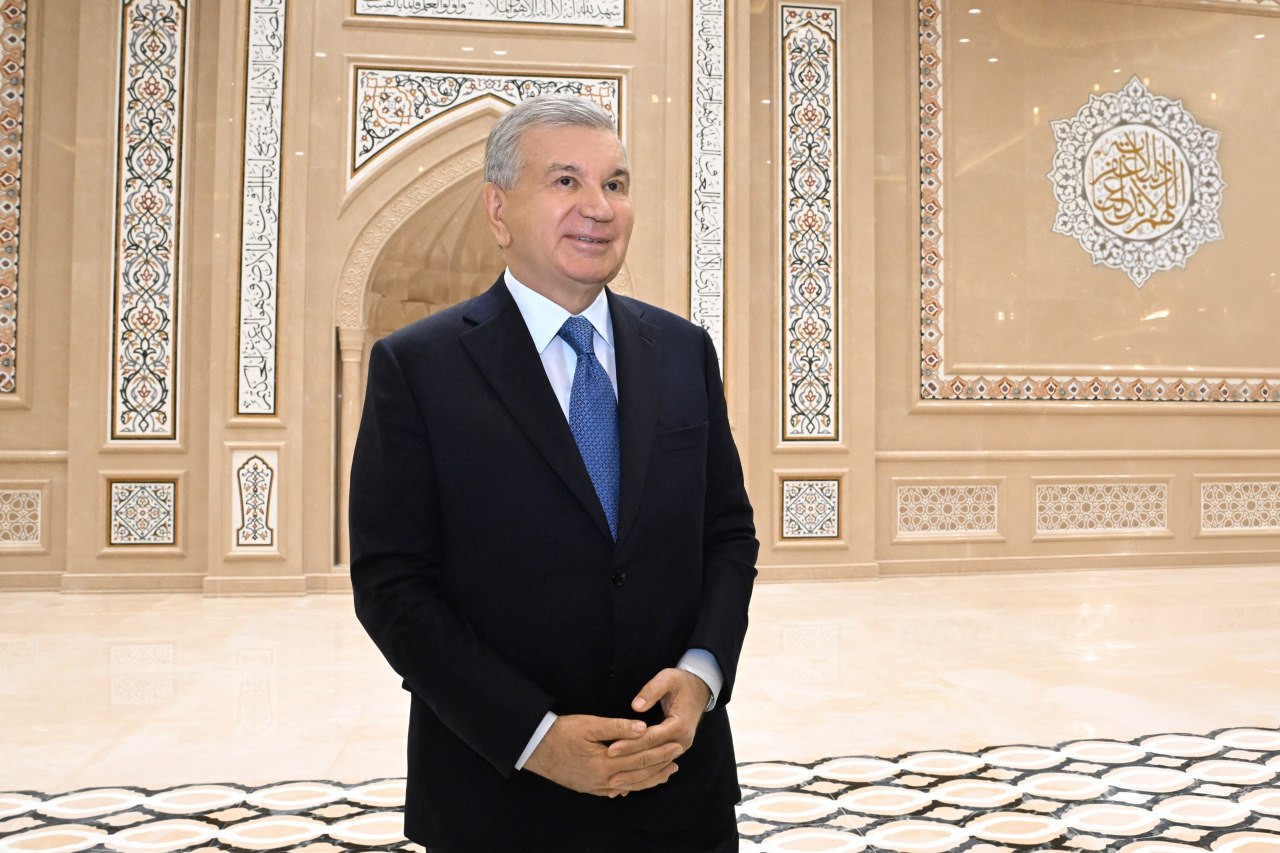
Special attention was drawn to expanding cultural and humanitarian cooperation. In this context, it was hoped that the Center of Islamic Civilization in Tashkent would become a place of attraction for young people, contributing to their scientific and spiritual education.
It was also proposed to hold the International Congress on Spiritual Heritage and Enlightenment regularly. The first such event took place on the eve of the Tashkent summit.
Continuing this topic, the President of Uzbekistan put forward an initiative to adopt a Special Resolution of the UN General Assembly recognizing the contributions of prominent scholars and thinkers from our region to the development of global enlightenment.
As part of scientific and educational cooperation, it was proposed to establish a Research Fund to finance interstate projects, support the academic community, and expand opportunities for the introduction of artificial intelligence technologies.
In concluding his address, the Leader of Uzbekistan noted that the documents adopted today and the initiatives put forward embody the shared goal of building a stable, safe, and prosperous Central Asia.
“I would like to emphasize: our strength lies in unity, and our path to success is in friendship and cooperation. Only by standing together, relying on mutual respect, solidarity, and strategic vision, will we be able to achieve our noble goals”, stated President Shavkat Mirziyoyev.
The President of Uzbekistan also congratulated the President of Turkmenistan on assuming the chairmanship of the Consultative Meeting of Heads of State in 2026, which will already be held in the new format, “Central Asia and Azerbaijan”.
Following this, the leaders of the Central Asian states and Azerbaijan took the floor, as did the Head of the UN Regional Centre for Preventive Diplomacy for Central Asia, Kaha Imnadze, who read out an address from UN Secretary-General António Guterres.