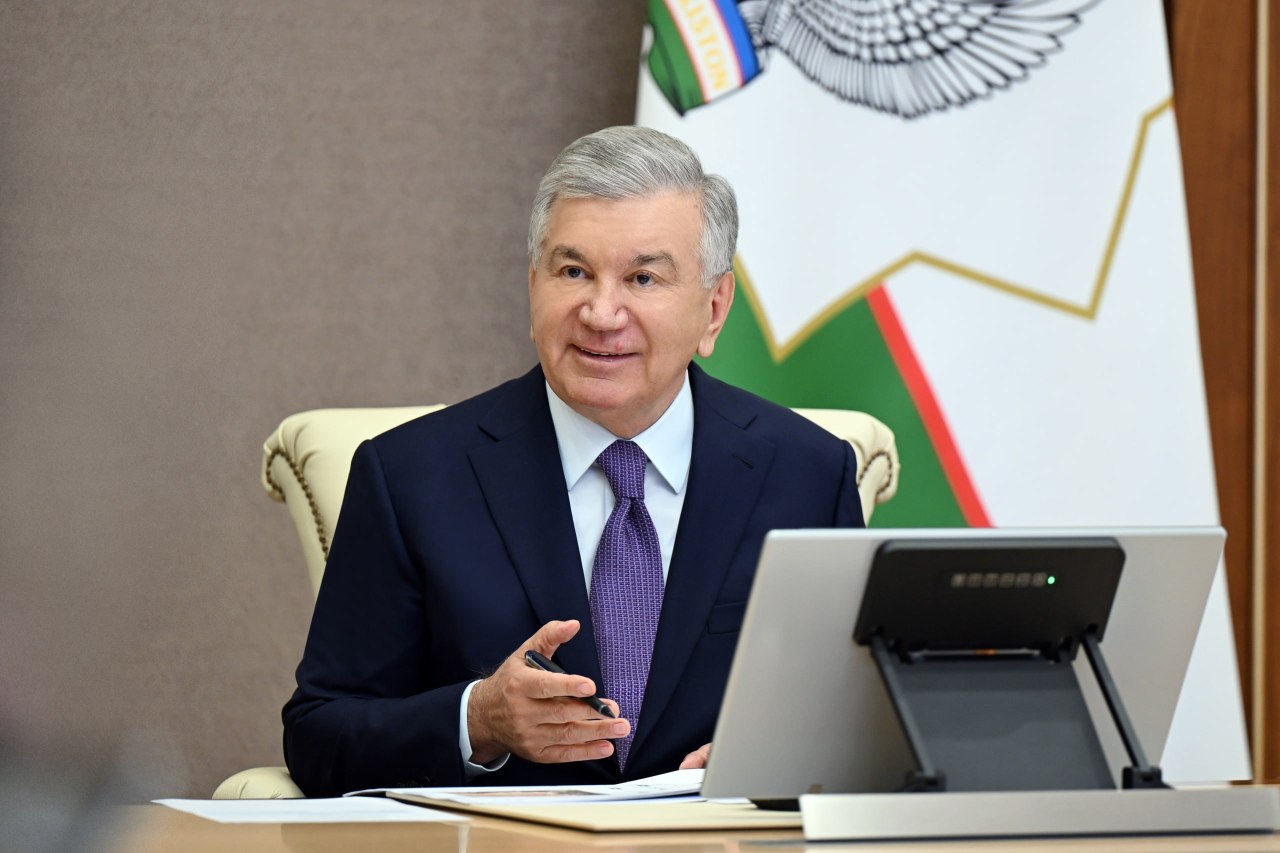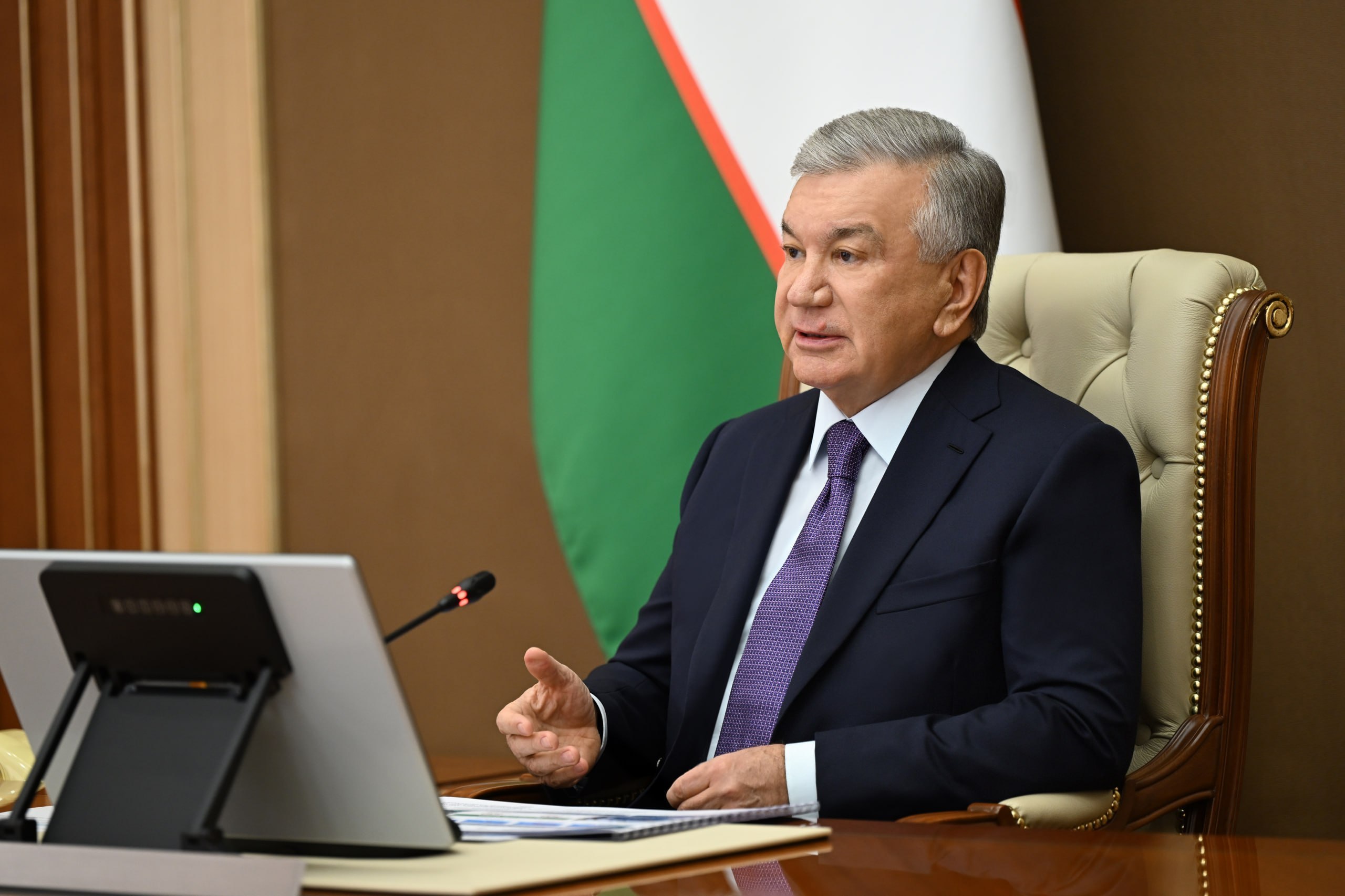

The project to construct a new modern highway along the Tashkent – Samarkand route was considered. According to the plan, the total length of this road will be 282 kilometers. Soil stabilization works will be carried out in certain sections totaling 140 kilometers. The project provides for the construction of 12 interchanges, 91 bridges, and 16 overpasses.
The road, whose construction is planned to be completed within five years, will become a Category Ia highway, meaning it will meet the highest technical standards and safety requirements for automobile roads. Six traffic lanes with cement-concrete pavement, each 3.75 meters wide, will be organized. The design speed will be 150 kilometers per hour.
A project to construct a 171-kilometer alternative highway along the Tashkent – Angren – Qamchiq Pass route will also be implemented. It is planned to build 33 kilometers of tunnels and several major engineering structures.
The Head of State was informed of the financing sources under consideration and of the progress in negotiations to attract foreign investors.
It was emphasized that, in the design of highways, special attention should be paid to the use of modern transport engineering solutions, the introduction of intelligent management and monitoring systems, and ensuring road safety.
The presentation also provided information on the progress of projects to construct the Tashkent – Charvak and Urgench – Khiva roads.
In addition, the main parameters for building a new international airport in Tashkent were reviewed. At the first stage, it is planned to construct a passenger terminal with an area of 208.4 thousand square meters and two runways, each 4 kilometers long. The project envisages the creation of infrastructure capable of serving 20 million passengers per year, ensuring 30 takeoffs and landings per hour, and organizing parking for 169 aircraft.
It was reported on the design and survey works underway on the territory of the future airport, as well as on the next stages of the project’s implementation.
The President of the country instructed the responsible officials to ensure thorough technical and economic assessment of the projects, organize construction works in accordance with modern standards, and ensure the long-term stable operation of transport infrastructure.