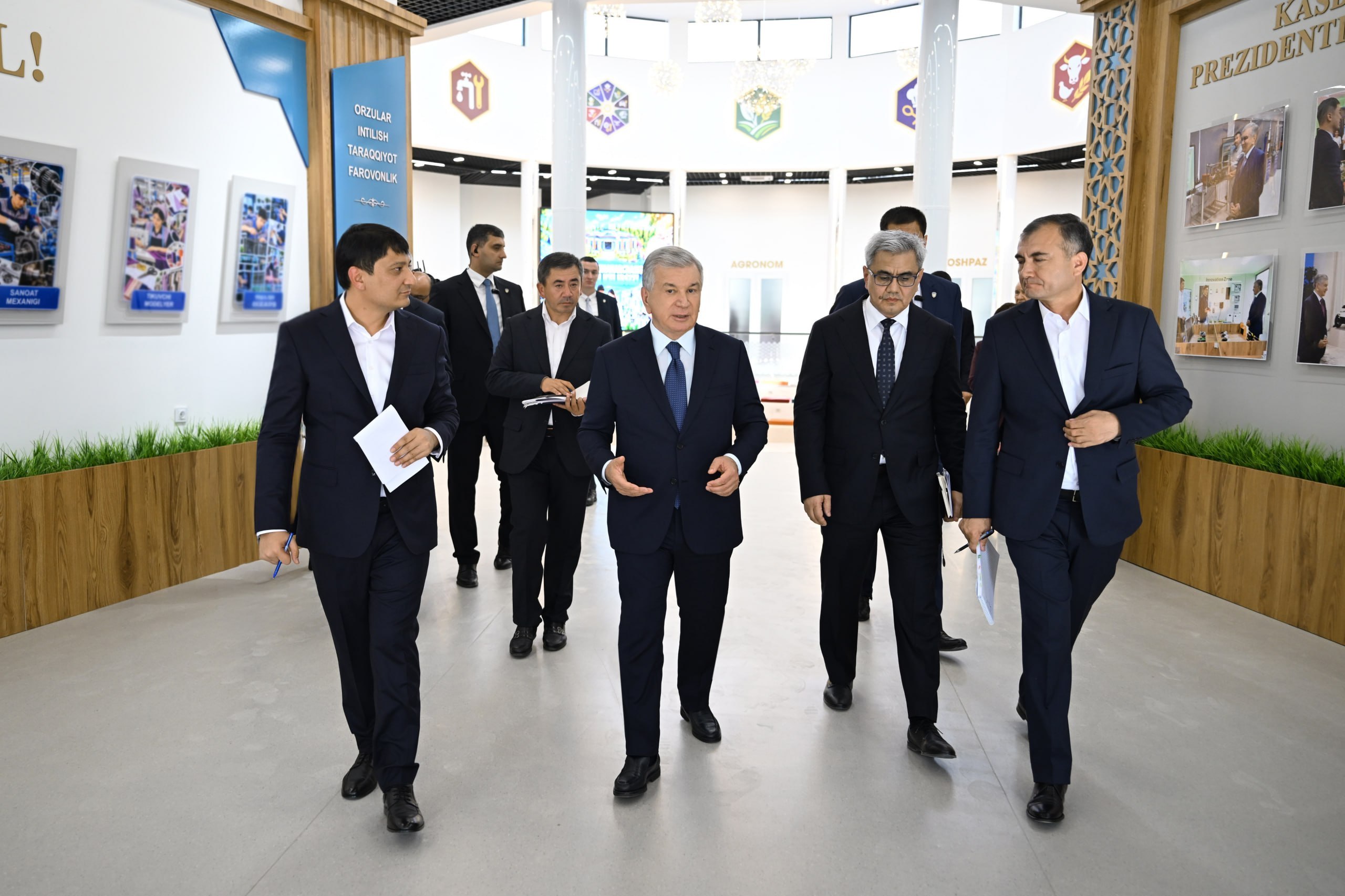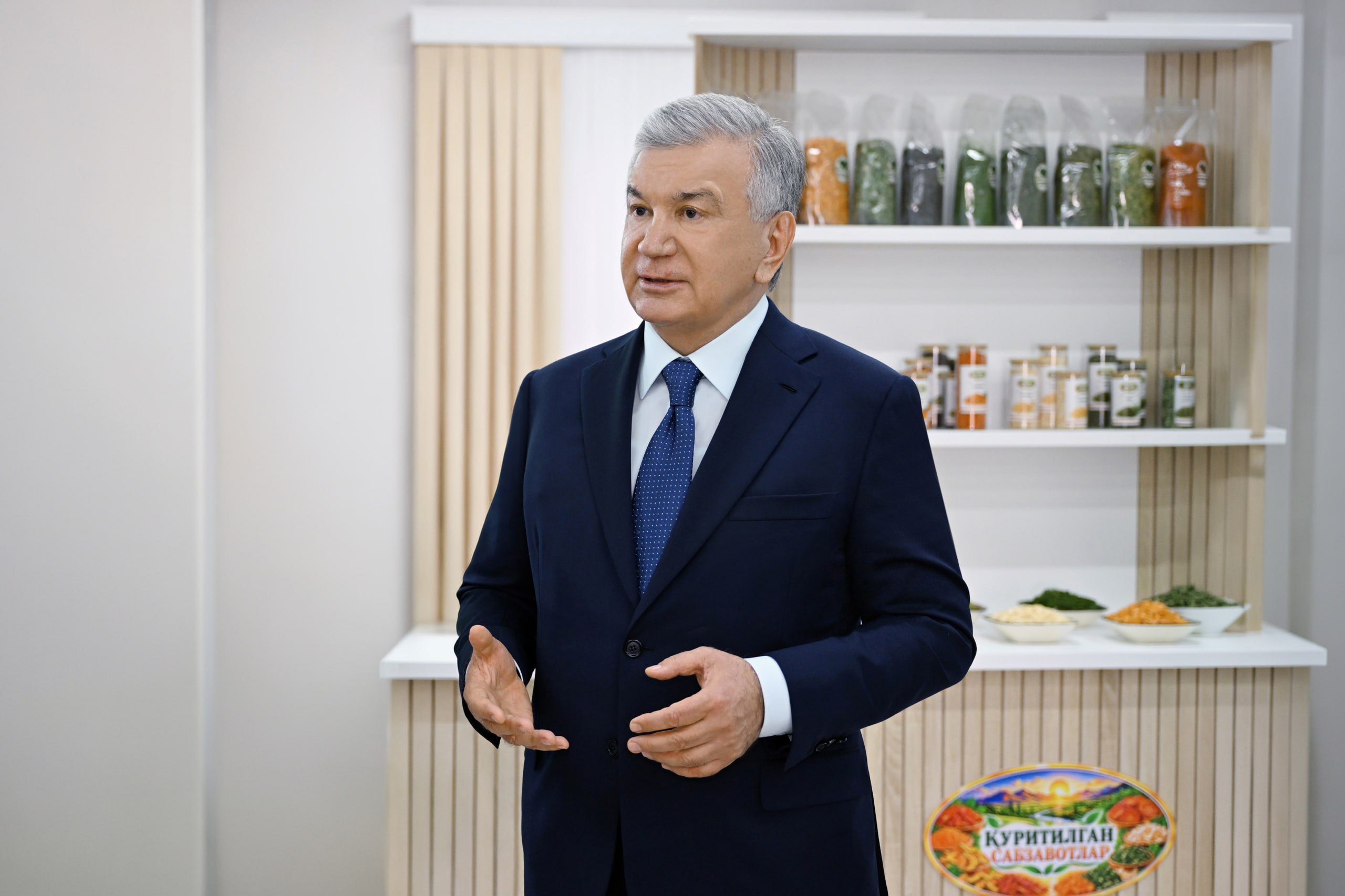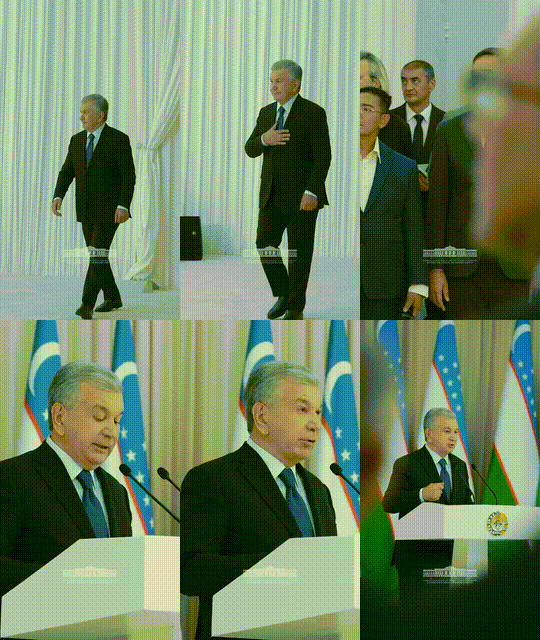

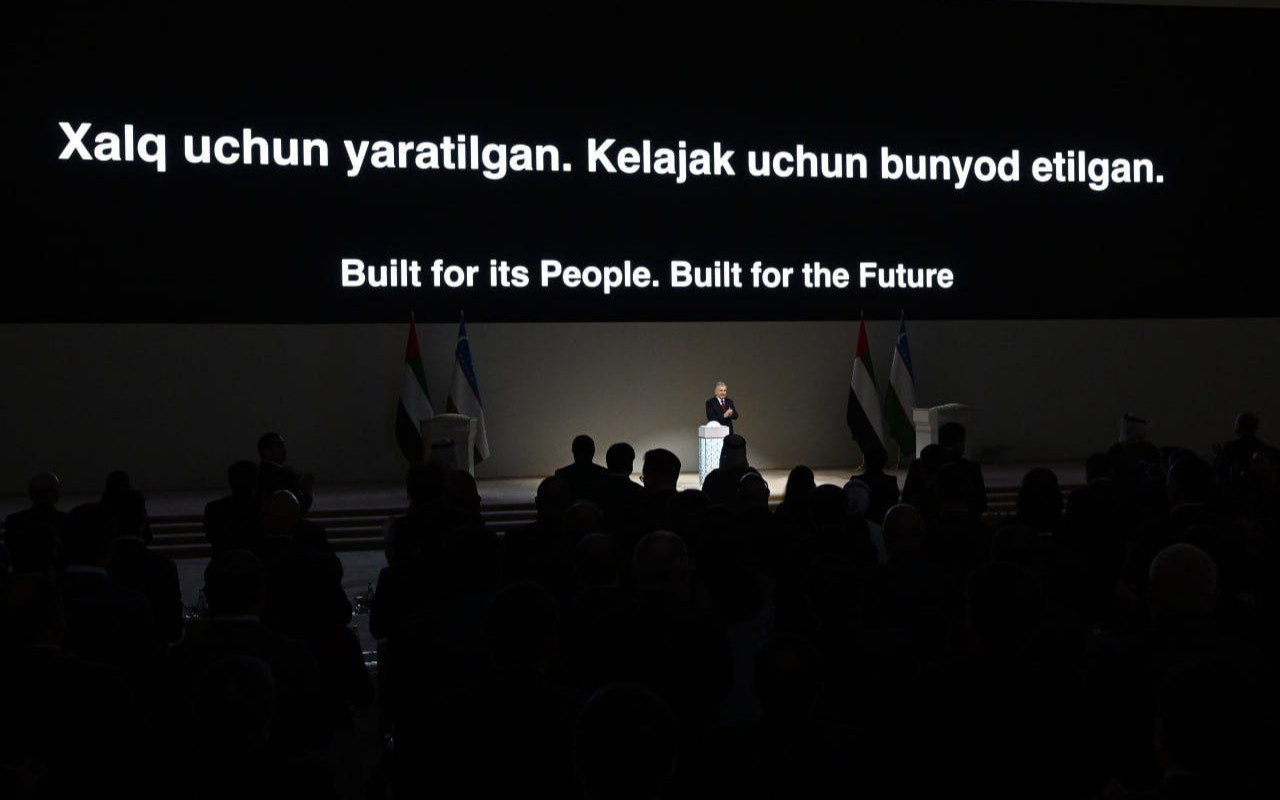
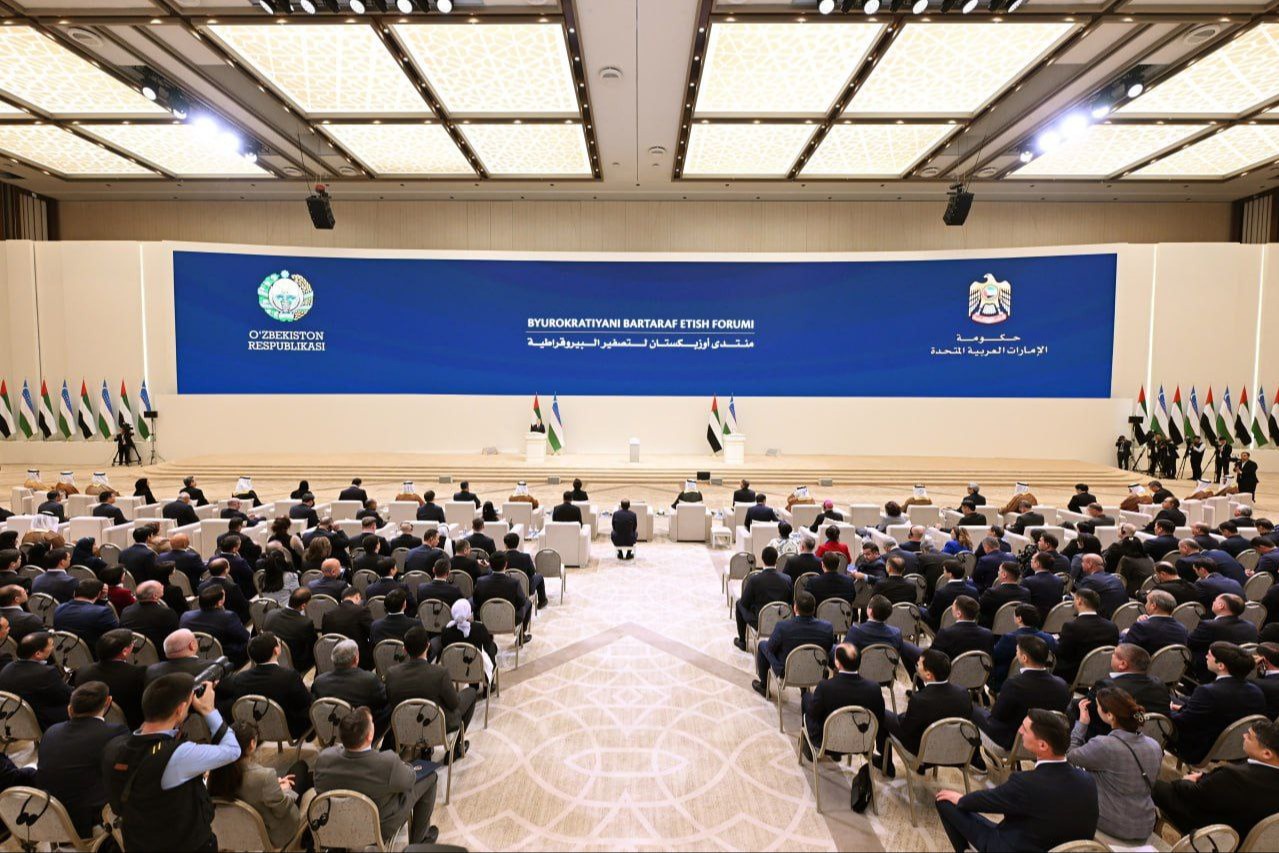
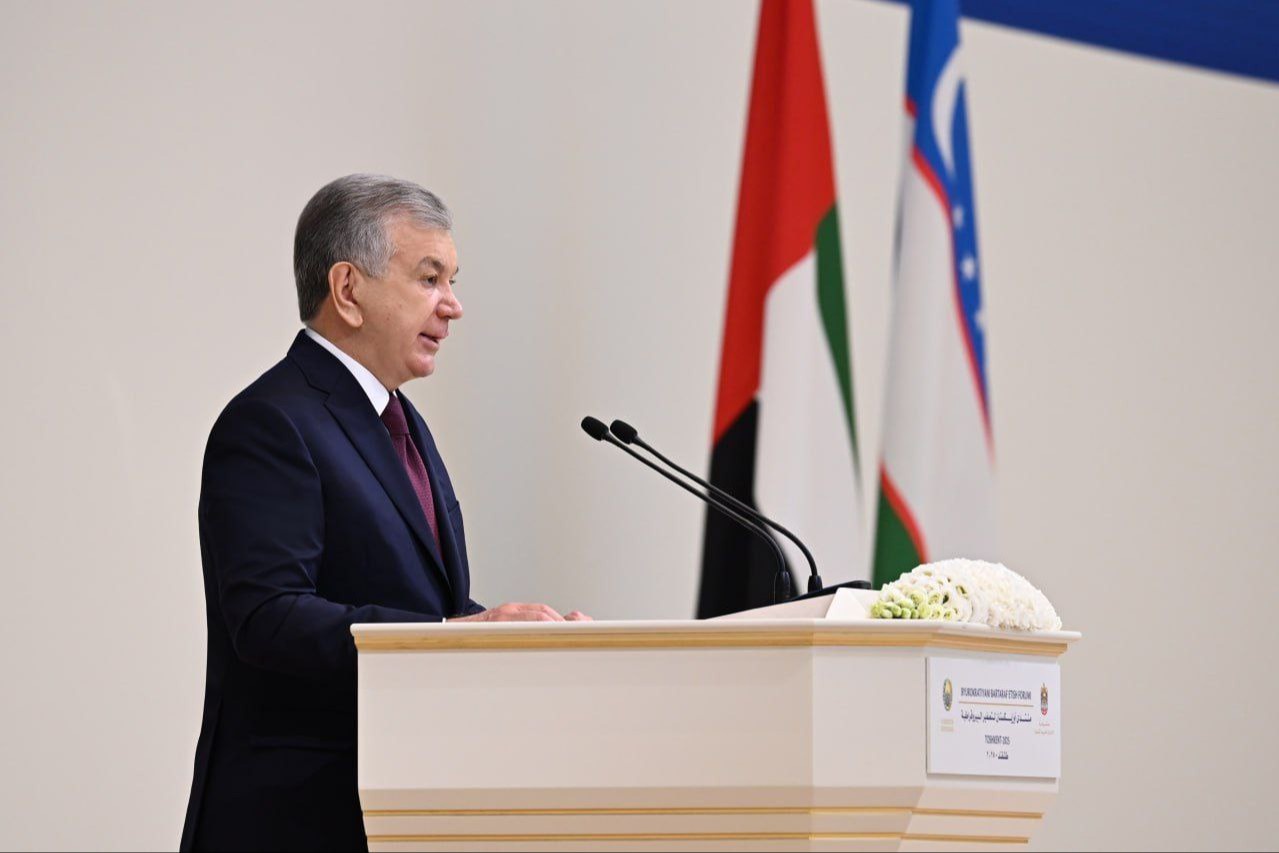
The forum brings together high-ranking representatives of the governments of the Republic of Uzbekistan and the United Arab Emirates, foreign states and international organizations, leading experts in public administration, and members of the public.
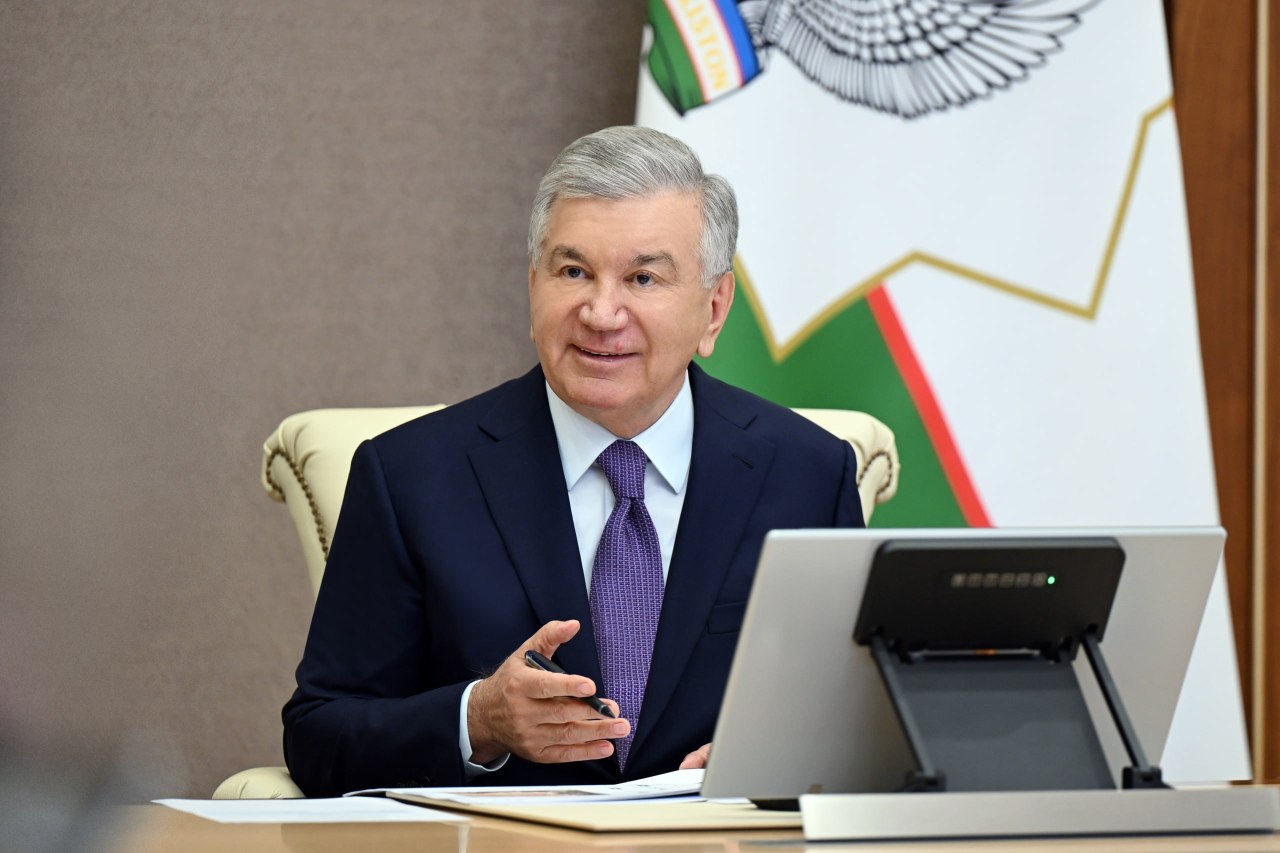
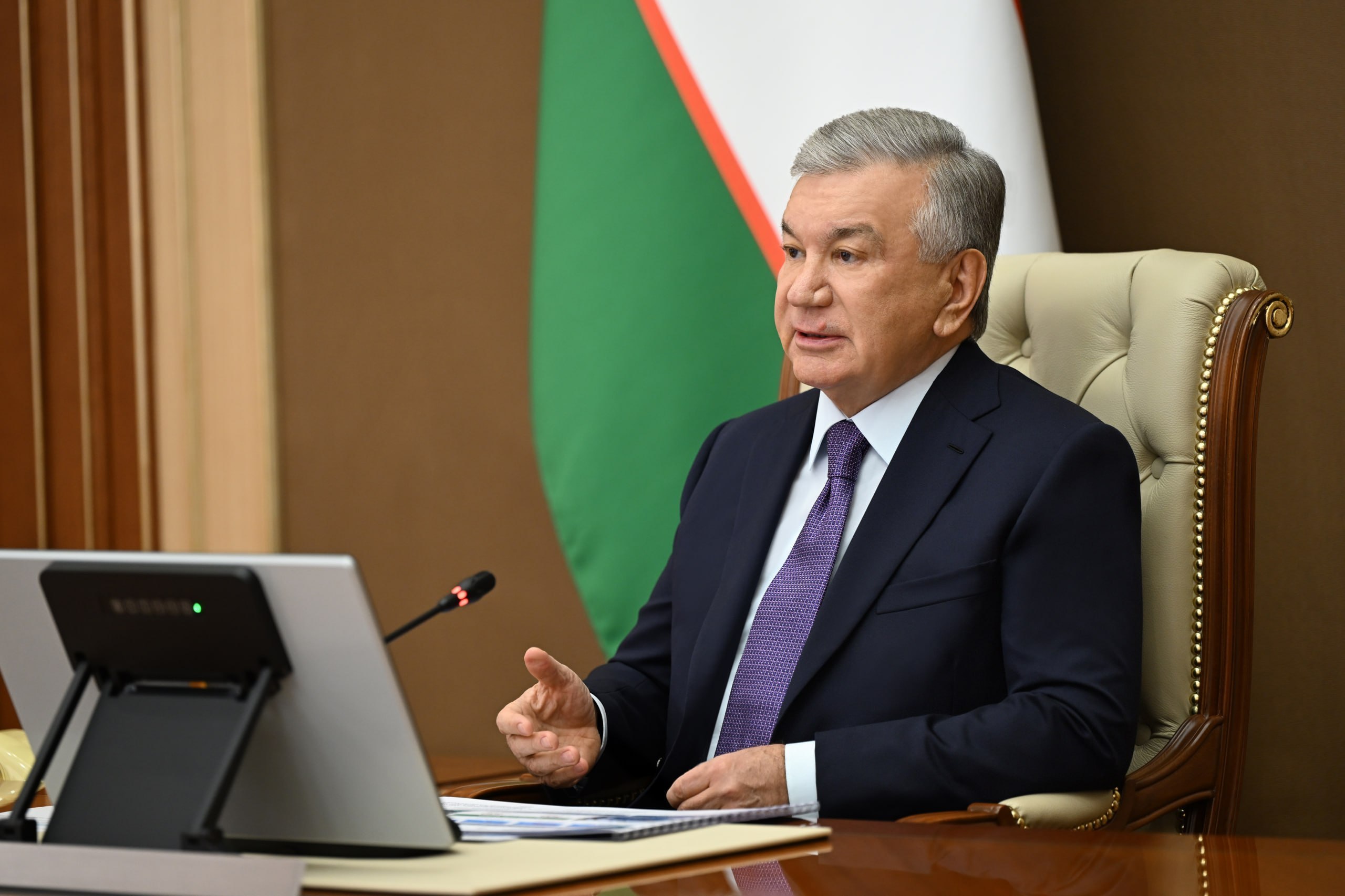
In his speech, the Head of State expressed sincere gratitude to the UAE’s Minister for Cabinet Affairs Mohammad Al Gergawi for his assistance in organizing the event. The President also warmly congratulated the people and leadership of the United Arab Emirates on the upcoming National Day of the Formation of the State.
“We are building the New Uzbekistan guided by a humanistic idea: ‘Not the people should serve the government, but the government should serve our people’”, emphasized the President.
As noted, Uzbekistan prioritizes eliminating bureaucracy, excessive procedures, and administrative barriers for citizens and businesses. Systemic reforms have been carried out to fundamentally transform and digitize the national public service system, optimize government body operations, and establish a direct, open dialogue between state entities and citizens.
In recent years, 9 decrees and resolutions aimed at reducing bureaucracy have been approved in the country. The established public service centers, the Unified Public Services Portal, and the “Digital Government” system have made services accessible, fast, and transparent.
If in 2017 only 444 types of public services were provided, then today their number has reached 1040. The number of services offered increased almost 10-fold, exceeding 55 million. Over 90 services are provided in proactive and composite forms.
For instance, the provision of composite services related to childbirth creates conveniences for almost 1 million citizens annually. The social benefits and pensions are provided automatically, without the need for citizens’ appeals.
Thanks to digitalization, the opportunity arose to provide 30 types of services in real time. This year, only over 8 million services were provided automatically. Transitioning to electronic document management saves 23 billion UZS annually for the population.
Additionally, to provide greater convenience for businesses, more than 160 licenses and permits have been cancelled. Over 150 permits are issued electronically. The practice of offering 140 types of documents and information has been entirely discontinued.
Government services are now provided extraterritorially. The “Start a business in 15 minutes” principle is also being implemented.
The President also informed that a separate program to reduce bureaucracy has been approved today. The document envisions reducing bureaucracy in the relations “state – population” and “state – business”, as well as within the state structure, and creating a comprehensive, favorable ecosystem of public services.
“Our ultimate goal is to transform Uzbekistan into a zero-bureaucracy country by 2030”, emphasized the President.
Within the program’s framework, essential tasks have been set to be implemented by 2030. In particular, the number of public services will be increased to 1,500, and the share of electronic services will reach 95 percent.
Next year alone, an additional 250 services will be transferred to the electronic format. Specifically, services such as vehicle registration, VAT refunds, and others will become digital.
In the New Uzbekistan, a fully “Paperless Government” system will be implemented, implying a complete abandonment of paper document circulation. Of the existing 40 million documents, 25 million will be digitized, including 5 million by next year.
The number of proactive and composite services will increase to 400, with 180 new composite services introduced next year alone.
“As a result, we will move to a system in which services are provided to citizens without their having to apply for them”, noted the President.
In addition, all public services will be fully inventoried, and duplicative, excessive, and unnecessarily burdensome requirements for citizens will be eliminated.
More than 300 procedures across licensing and permits, utility connections, and construction will be simplified. For example, connection to four types of utility networks will be possible through a single application.
Service delivery times will be significantly reduced. For over 100 service types, processing times will be cut by 50 percent, and the requirement to submit more than 110 types of documents will be abolished.
The Unified Public Services Portal, the “License” system, the “Single Window” customs platform, and call centers will operate using artificial intelligence.
Annually, the performance of ministries and agencies will be evaluated through a special digital platform, and institutions and employees achieving high results will be rewarded.
To ensure continuous monitoring of the program’s implementation and to coordinate ministries’ and agencies’ activities to reduce bureaucracy, a Program Office will be established.
Opportunities are being created for citizens and businesses to submit their proposals and new initiatives within the program directly. They will also be able to evaluate the performance of government bodies in this area. A $3 million prize fund will be established for this purpose.
From this fund, individual monetary awards will be given to citizens, business representatives, and public servants who propose practical solutions for reducing bureaucracy. Additional categories and recognitions will also be introduced.
“Eliminating bureaucracy is one of the state’s key tasks aimed at serving the people. We must create a system in which it is not the citizen who goes to the government, but the government that comes to each citizen and solves their problems. This should be the modern, human-centered face of governance in the New Uzbekistan”, emphasized the President.
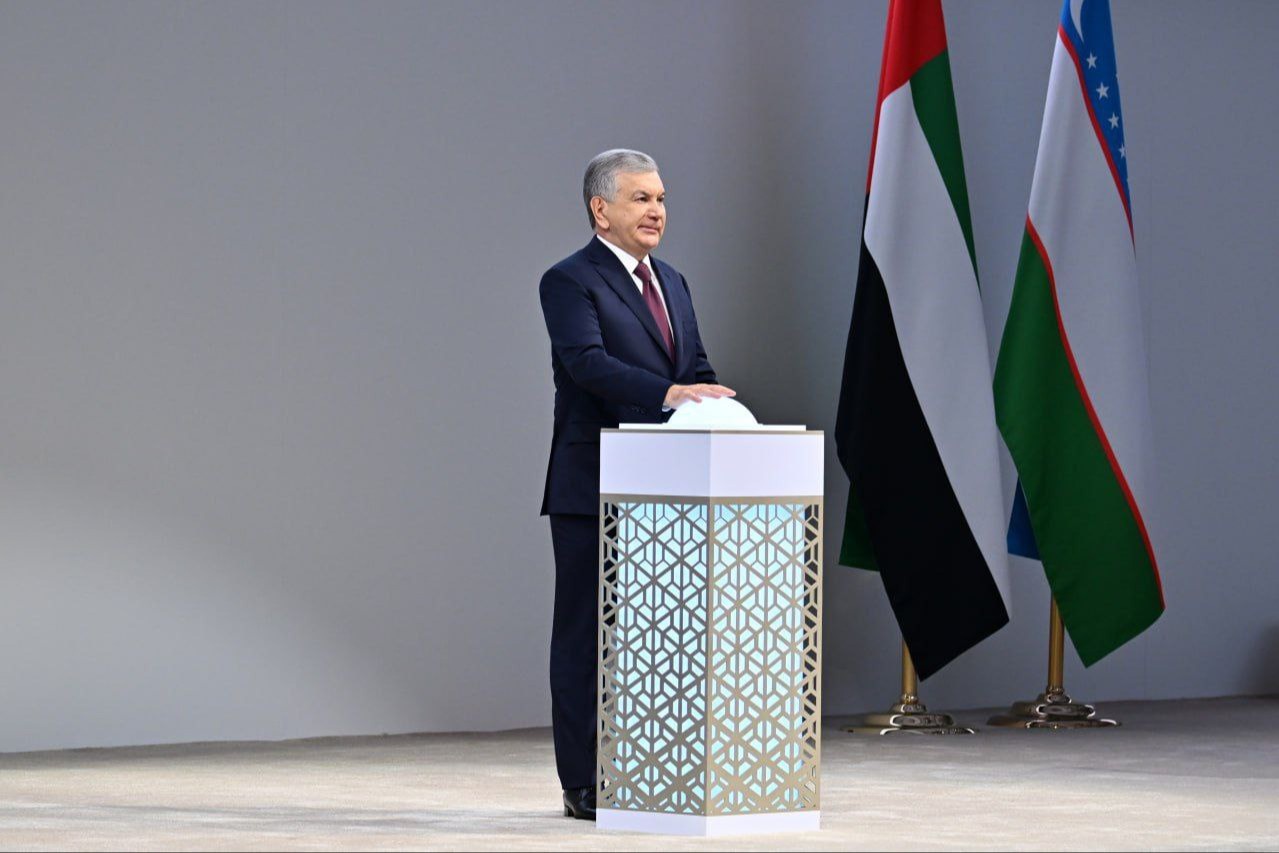
Following his speech, the Head of State pressed a symbolic button to officially launch the Program for Eliminating Bureaucracy.
After the opening ceremony, the President spoke with members of the public about the significance of the forum and the proposed initiatives. It was noted that the idea of “For the honor and dignity of the individual” is the foundation of all reforms in the country, and that at the center of every reform, decision, public service, and process must be the interests of the people.