
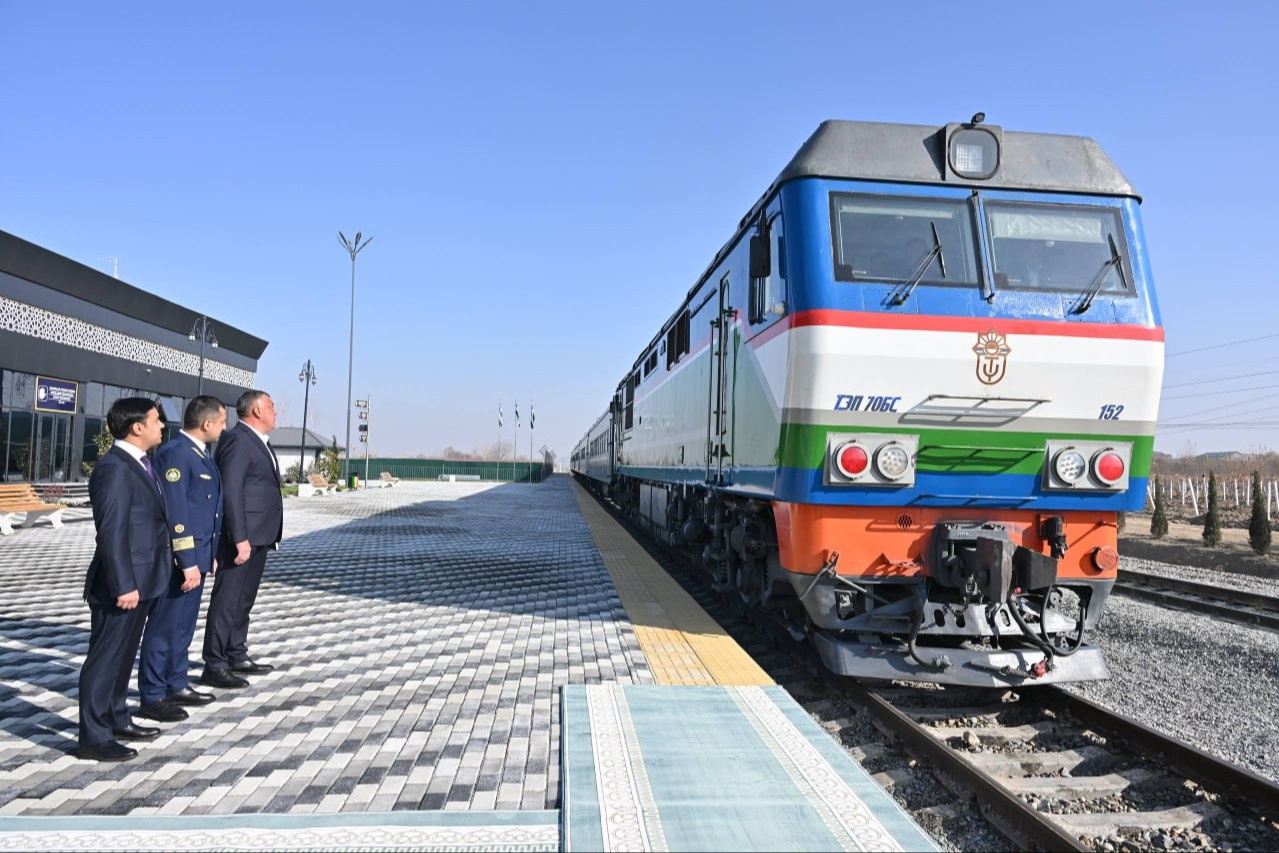
Construction of this railway began in February this year, with a total length of 55 kilometers. As part of the project, two railway stations and two freight stations have been built in the Urgut Free Economic Zone, along with several bridges. Full electrification of the line is planned for the future.
The new line will accommodate two pairs of intercity passenger trains and nine pairs of freight trains. Completion of the project is scheduled for the end of this year. Once operational, the railway will serve 359,000 passengers annually and transport 8.2 million tons of cargo.
The line is particularly significant as it will provide residents of Samarkand city, as well as Jambay, Pastdargom, Taylak, and Urgut districts, with safe and modern transportation services. In addition, it will give a strong boost to domestic tourism.
Railway infrastructure is a key sector of the economy, and this project will further develop the potential of the Urgut Free Economic Zone. The launch of the new line will create 130 new jobs.
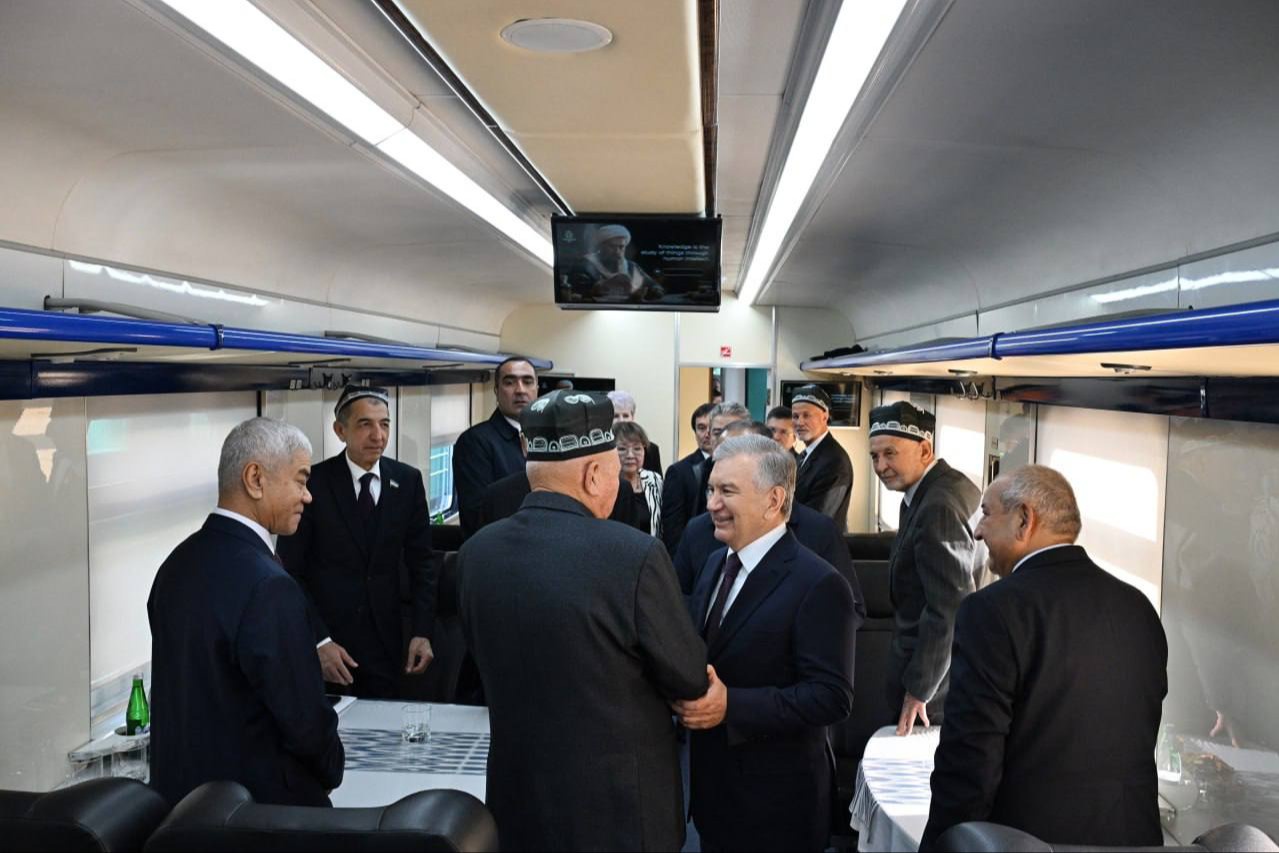
The Head of State, together with representatives of the public, traveled to Urgut by train.
During the trip, the President gave additional instructions to responsible officials to develop railway infrastructure, further improve passenger comfort, electrify lines, and enhance adjacent areas. He also drew attention to the ongoing construction and landscaping works along the route.
It was noted that Urgut district, with great potential, is becoming increasingly significant. A strong entrepreneurial spirit distinguishes the local population. In developing such strategically important districts for the country’s economy, modern logistics and infrastructure play a decisive role.
With the introduction of the new railway in Urgut, existing obstacles will be eliminated, and logistical “bottlenecks” that previously constrained economic growth will be removed. Freight transport will accelerate, product delivery to markets will become faster and more cost-effective, and additional conveniences for investors will expand, ultimately increasing the region’s competitiveness.
Most importantly, the new opportunities created in the region will have a direct positive impact on the population’s living standards. In areas with developed infrastructure, the number of jobs increases, services improve, and entrepreneurial activity becomes more dynamic.
It was noted that this project is an essential element of efforts to modernize and expand the railway network. The necessity of timely and high-quality completion of the works, the extensive introduction of digital technologies, and the optimization of expenditures was emphasized.
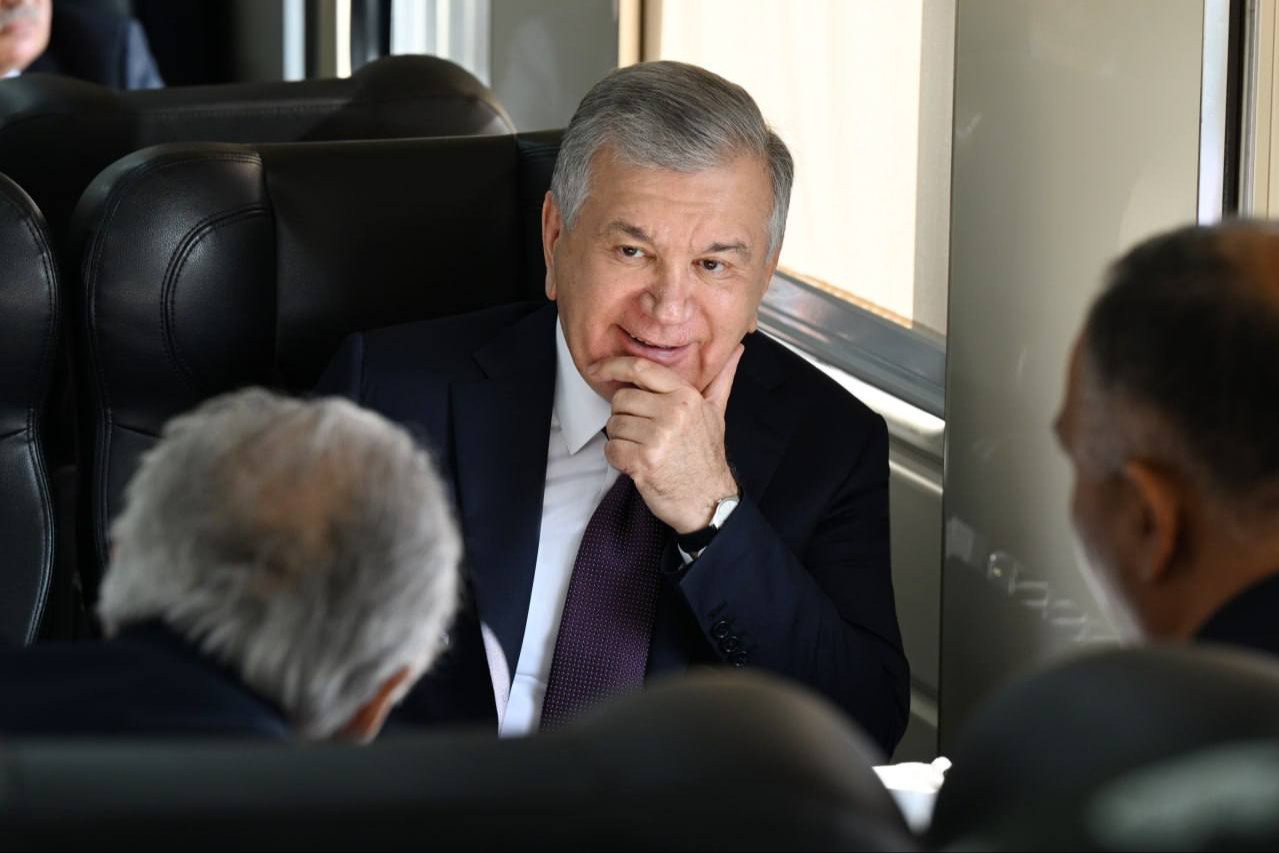
During the conversation on the train, it was noted that the social and economic reforms underway in Samarkand are clearly improving the lives of the population. Special attention was given to fostering patriotism among youth and cultivating the qualities of the builders of the New Uzbekistan. It was also emphasized that the lands adjacent to the railway line leading to Urgut should be developed, agricultural practices in these areas improved, and that cooperation in education, including with neighboring countries, should be strengthened.
The Urgut railway station is one of the key stations of the new line. The President drew attention to tasks related to station infrastructure, the service system, and passenger flow organization. It was stressed that creating conveniences for tourists is essential.
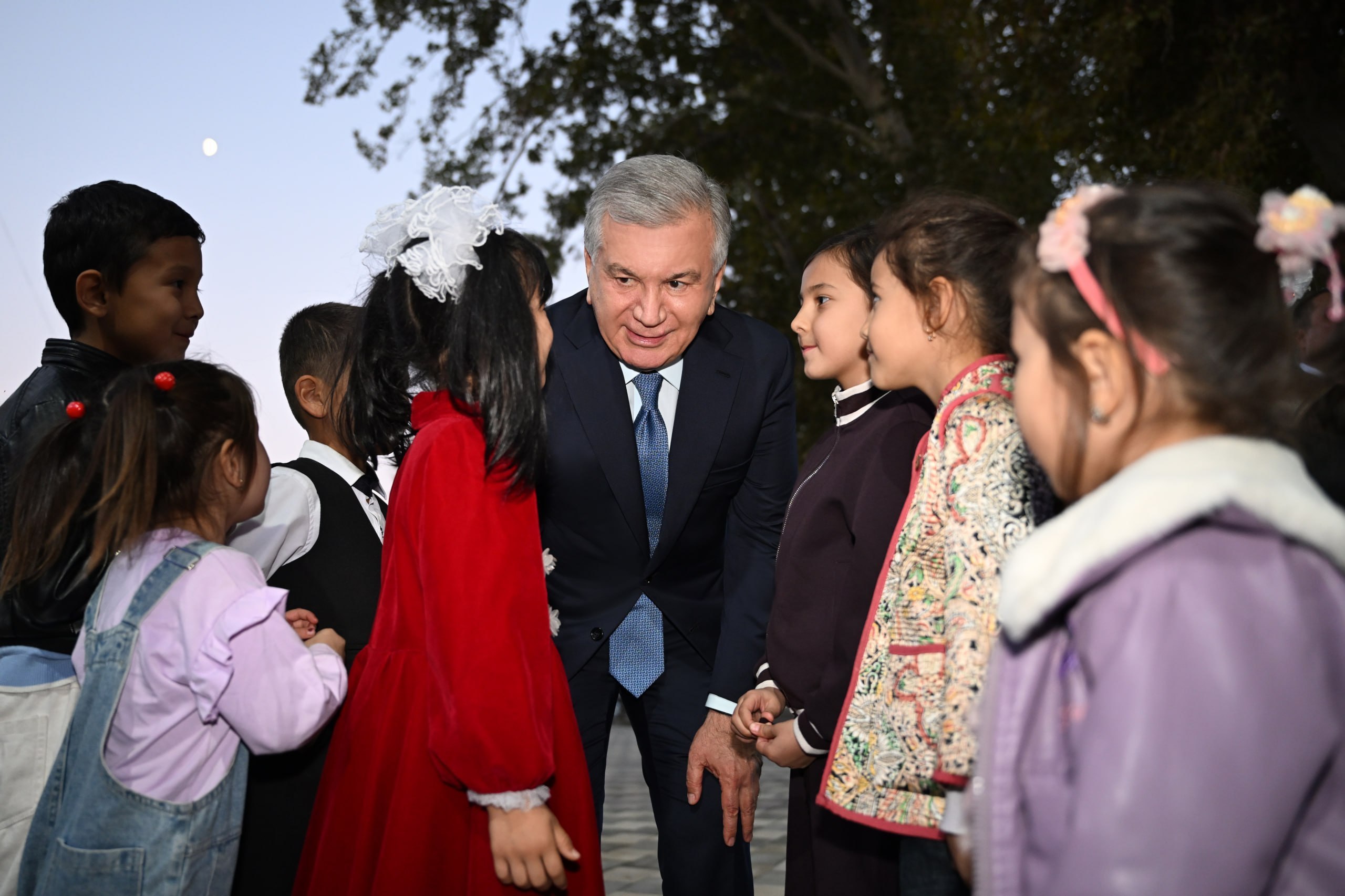
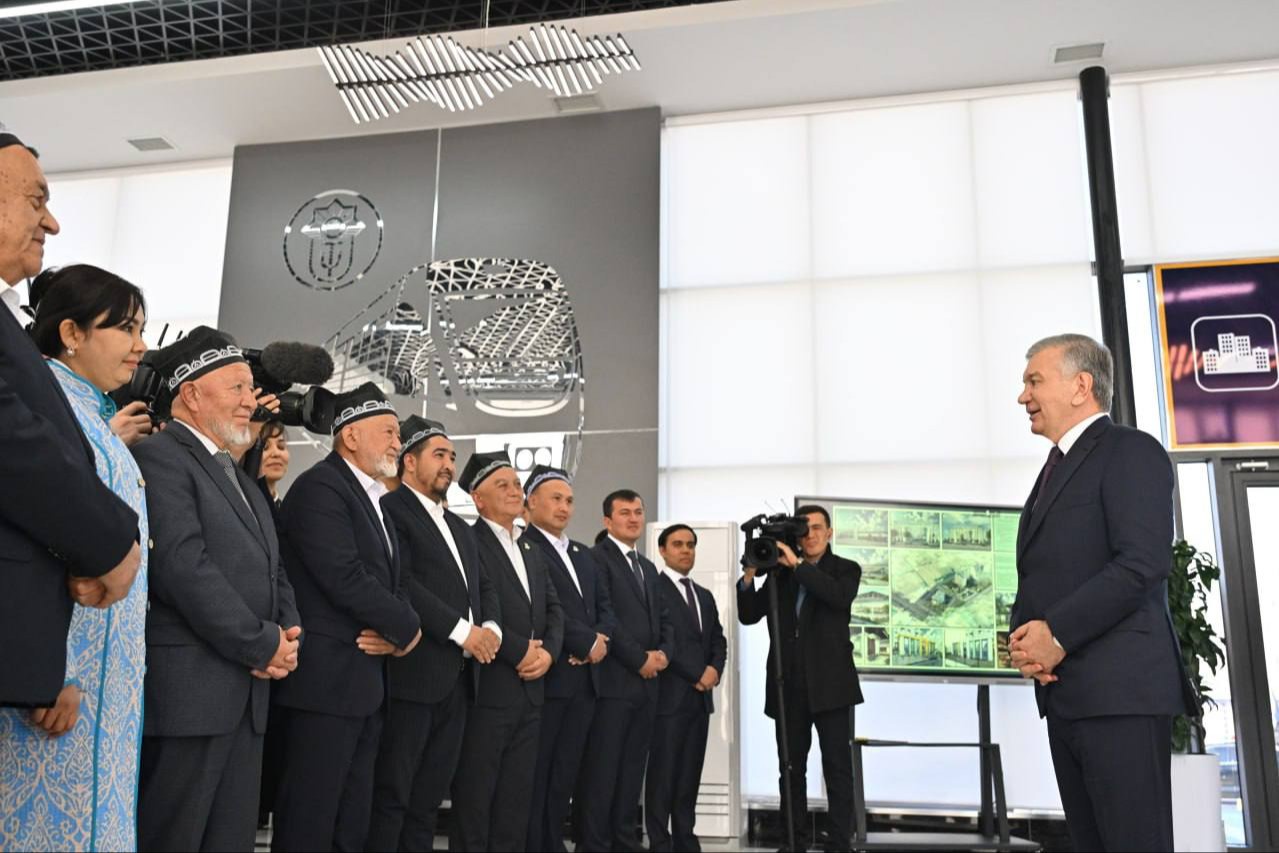
The Head of State also held a warm conversation with representatives of Urgut district community. The discussion focused on the ongoing changes in the region, the population’s standard of living, and the importance of maintaining a peaceful environment.
It was noted that improving living conditions, increasing incomes and well-being, and enhancing the amenities of mahallas remain among the main priorities of state policy. It was emphasized that structural changes in the economy are yielding results: major projects are being implemented in industry, agriculture, tourism, transport, and energy.
Representatives of the older generation remarked that these changes are having a tangible impact on people’s lives, and the population highly appreciates the reforms being carried out.
The President also reviewed a presentation of additional projects aimed at improving the quality of life and the economic attractiveness of the area surrounding the railway station. At the initiative of entrepreneurs, plans include the construction of a bus terminal, a national teahouse, an eco-market, residential buildings, private schools, and kindergartens.
As a result of these projects, new services will become available to residents, the district’s social infrastructure will improve, and business activity will further intensify. Most importantly, around 350 permanent jobs will be created, providing an additional boost to the region’s economic growth.