
The first stone of the city’s foundation was laid in 2023. A total of 19,700 hectares of land were allocated for the project in Yuqorichirchiq and Urtachirchiq districts. The concept was developed by the British company Cross Works. Currently, more than 100 projects of various scales are being implemented there. Each initiative is based on international standards and modern urban development trends.
The outlines of large-scale facilities are gradually taking shape. By the end of 2025, the total construction area in the new city had reached 3 million square meters.
Construction of several residential complexes is in its final stage. Work on infrastructure facilities is progressing at a dynamic pace.
At the first stage, construction works will cover 6,000 hectares of land. As a result, modern infrastructure will be developed to support the living and working needs of 600,000 people. Upon completion of the project, New Tashkent is expected to become a large metropolis with a population of 2 million.
Construction at this scale requires long-term, sustainable infrastructure. At present, large underground engineering utilities are being built across the territory. Single- and double-section collectors are being laid to accommodate all underground engineering networks, including heat, water, power, and telecommunications.
Special attention is being paid to the organization of modern transport connectivity. It was noted that the construction of tunnels and underground parking facilities will play an essential role in the future urban transport system.
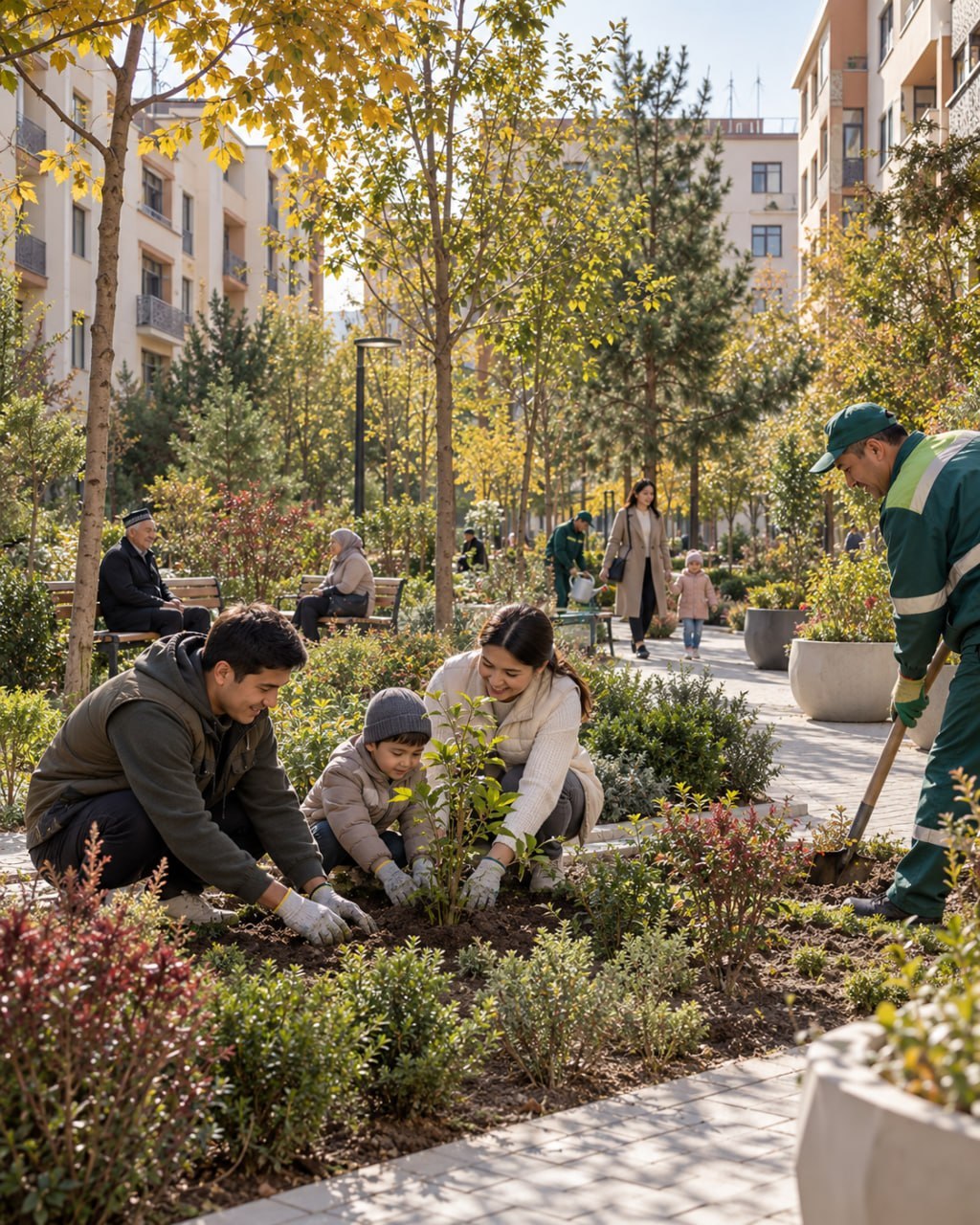
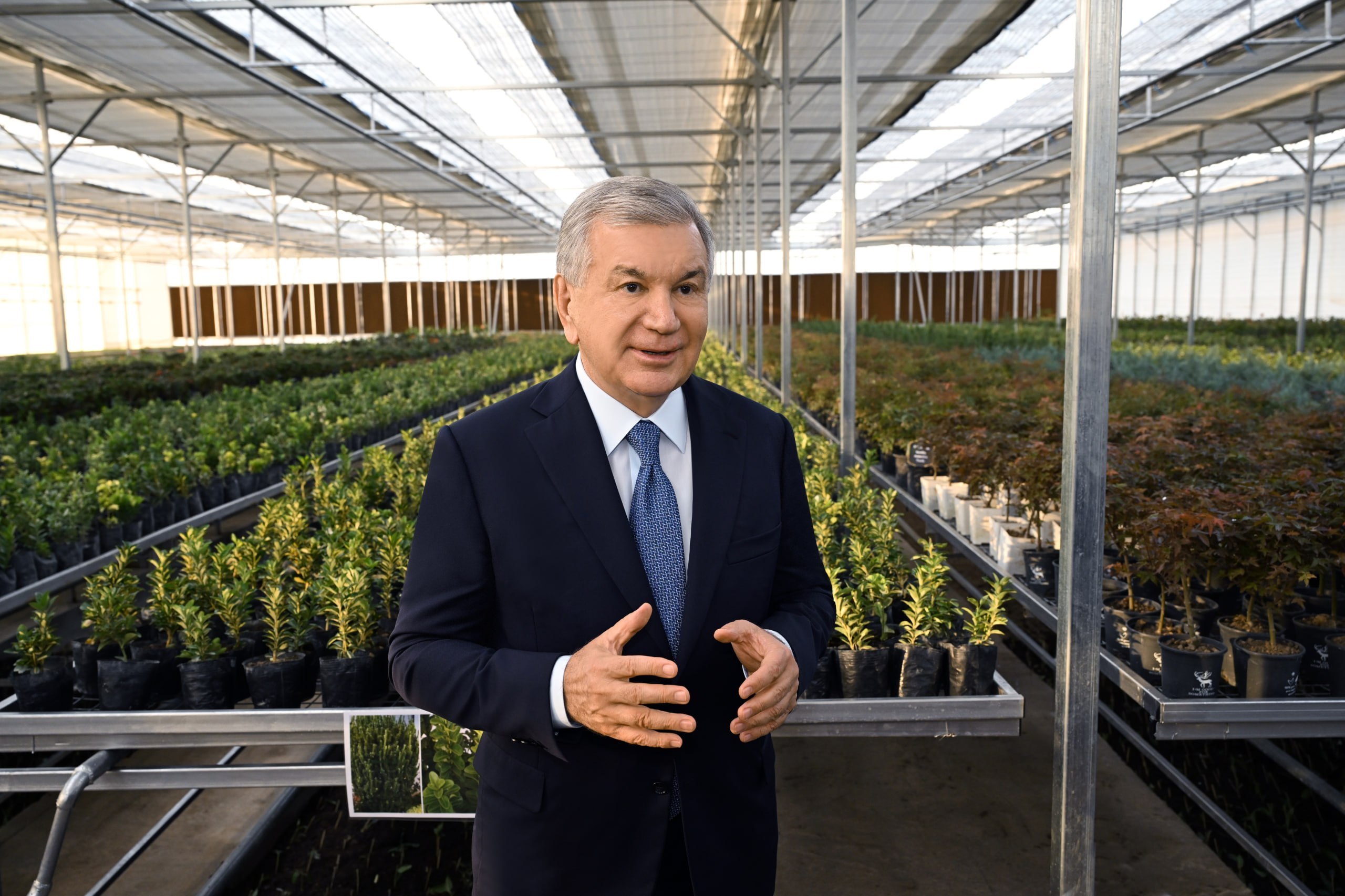
A ten-kilometer waterfront park is being created in the area. One million shrubs and tree saplings have been planted.
The Head of State emphasized that green principles should play an essential role in urban development. Additional instructions were issued to the responsible officials to coordinate the operation of the metro and electric buses, as well as to create safe, barrier-free routes for pedestrians and cyclists.
Modern administrative buildings will be constructed in the new city for more than 60 government agencies. Several ministries and departments have already begun operating in temporary facilities.
Investor activity remains high. Investment agreements totaling $2 billion have been signed for 24 commercial lots sold through auctions. These funds will be used to build hotels, restaurants, service complexes, and buildings with unique architectural designs.
At this stage of construction, employment has been created for 10,000 people. Following full project implementation, hundreds of thousands of high-paying permanent jobs are expected to be created through innovative technologies.
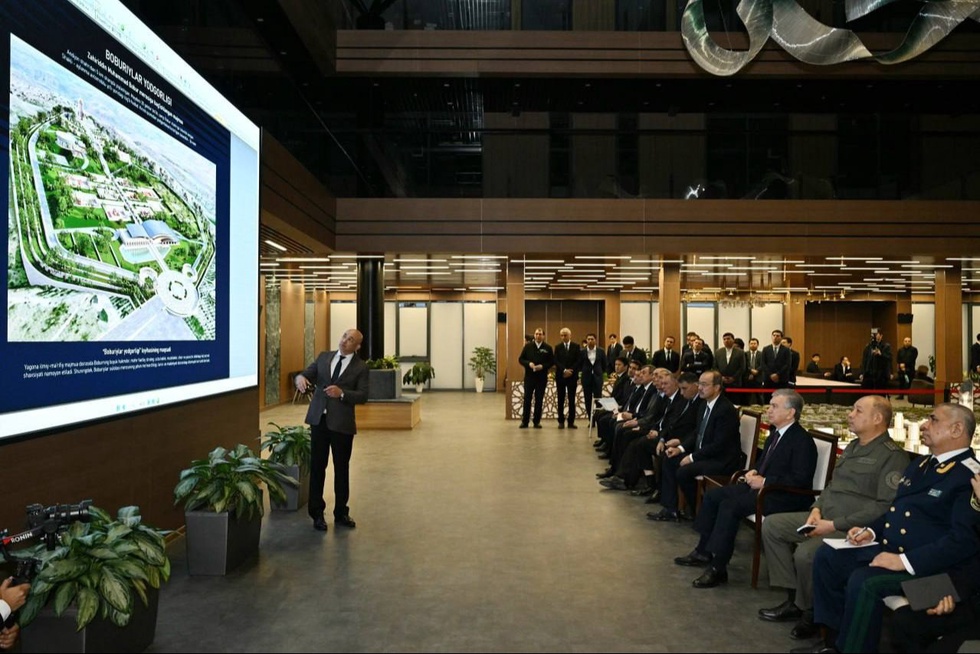
The President was presented with information on tourist facilities, service, and entertainment complexes under construction in New Tashkent, as well as significant investment and infrastructure projects planned in other regions of the country.
The Head of State emphasized that every initiative should be grounded in scientific achievements, reflect local identity, and, most importantly, serve the interests of the people.