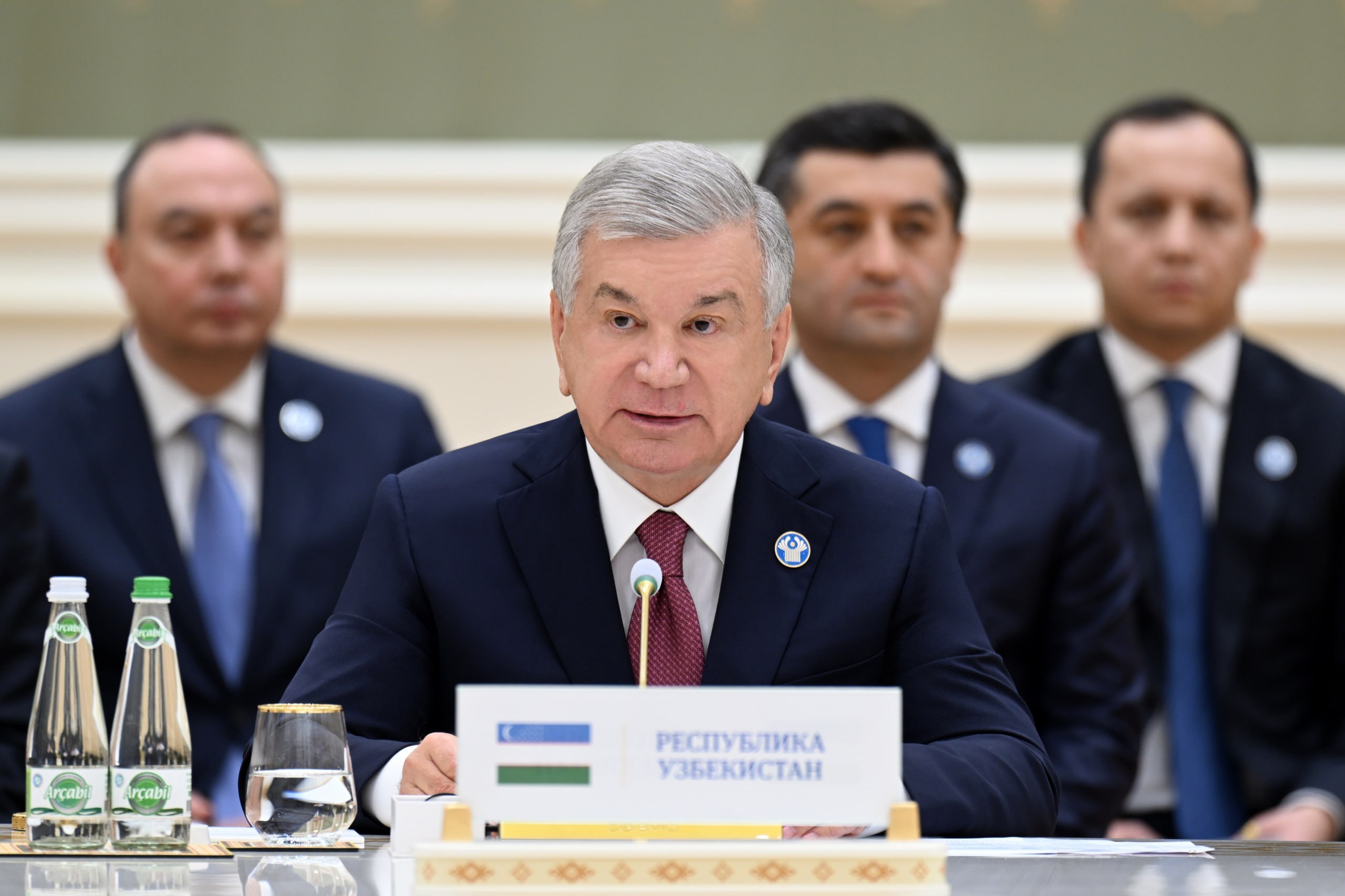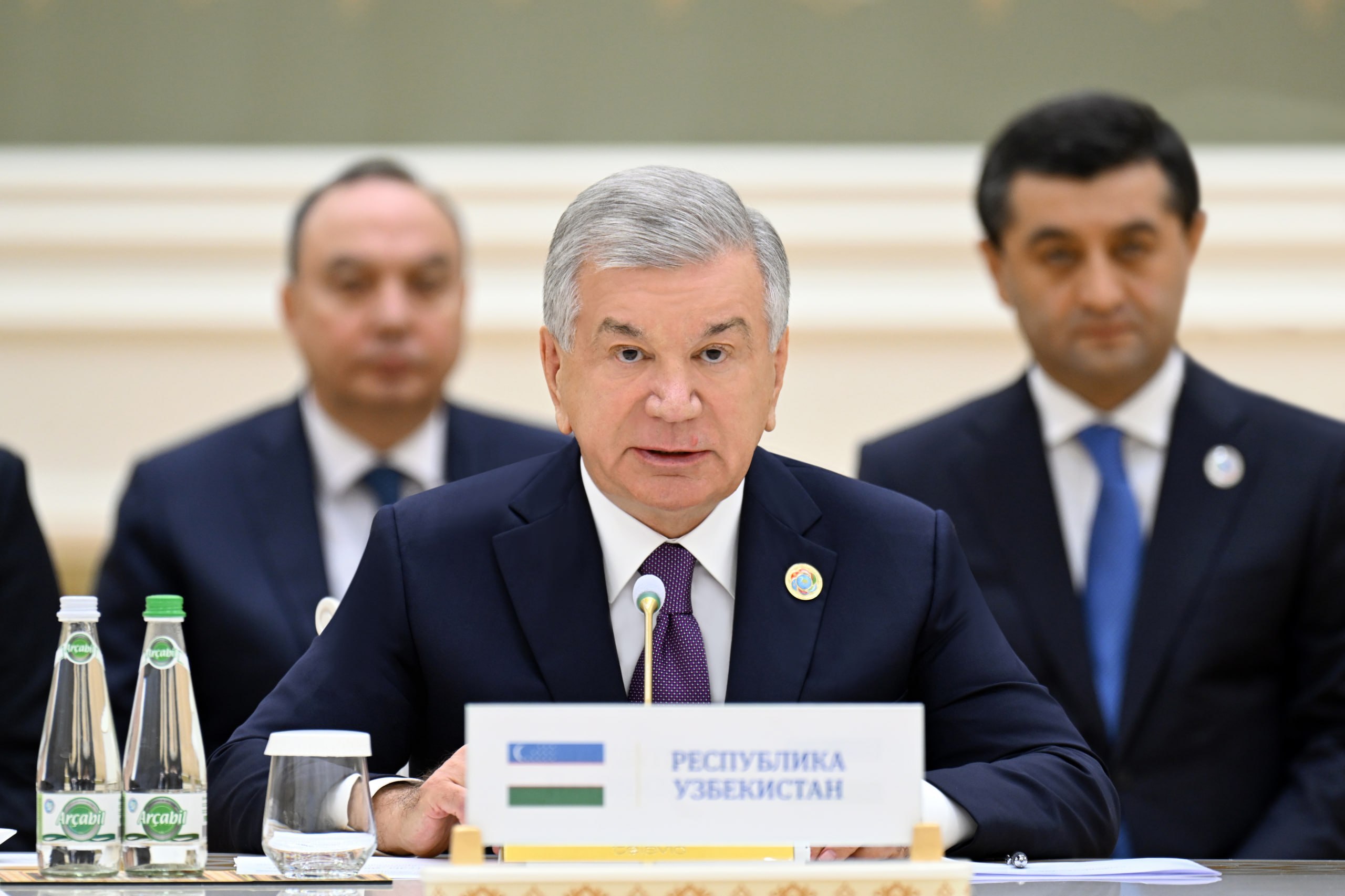


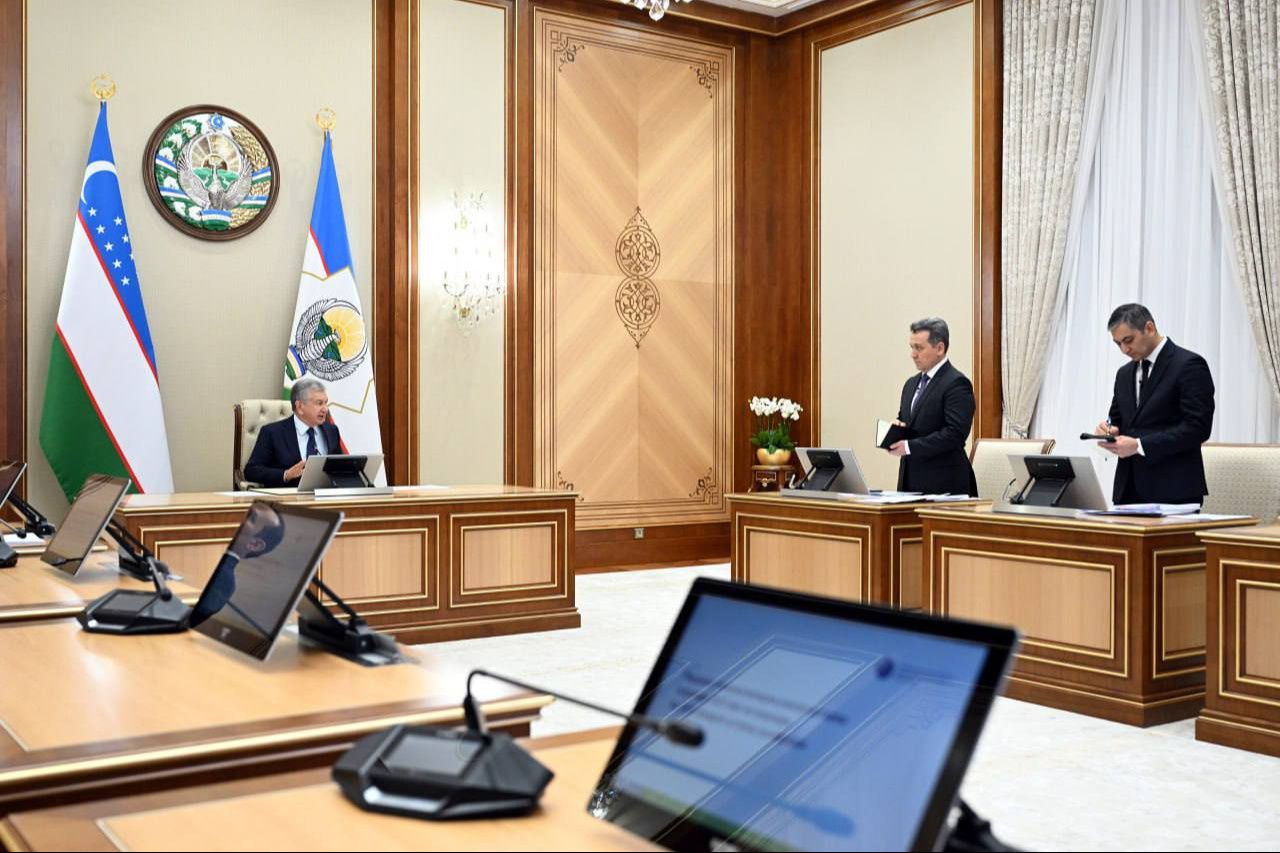
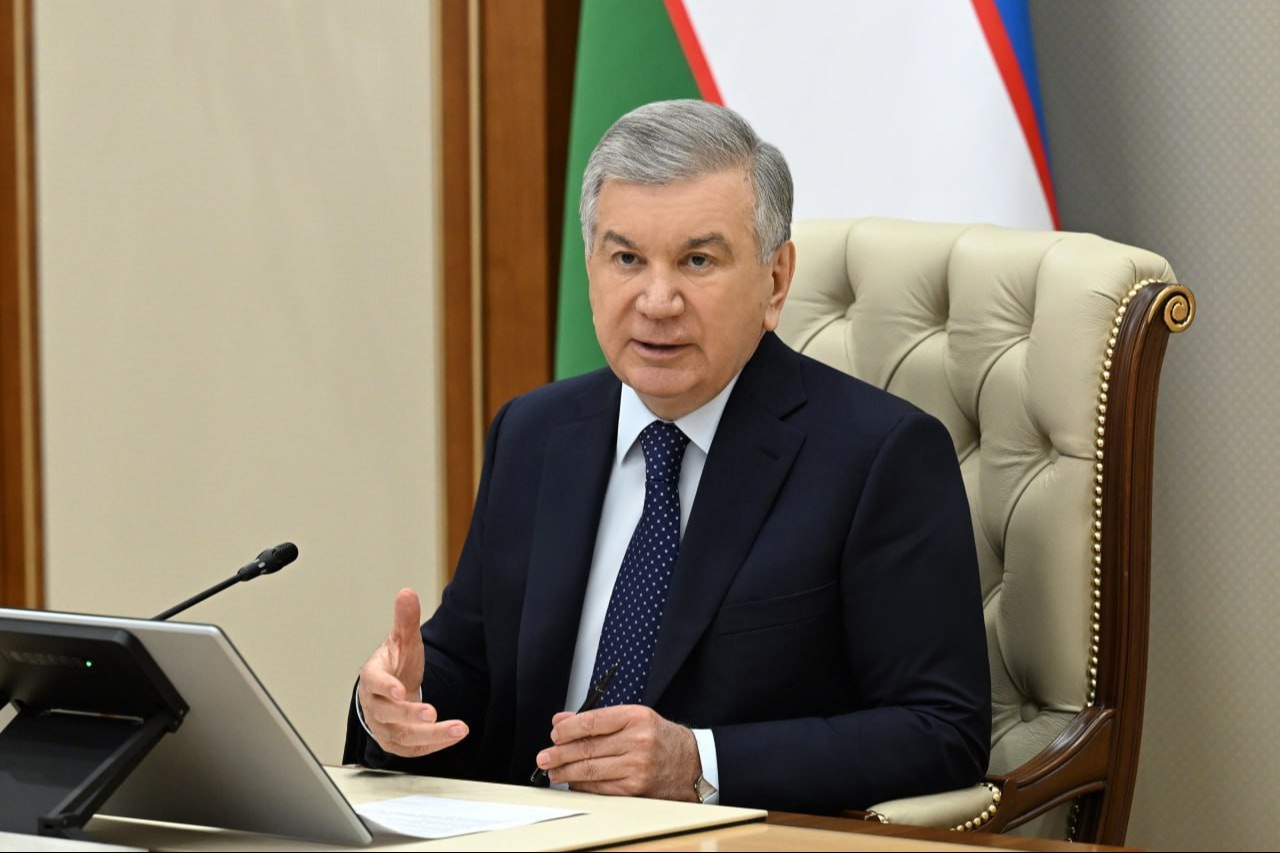
It was noted that, in recent years, the country has consistently implemented measures to develop the digital economy, digitalize public services, and build an innovation ecosystem. According to studies by foreign experts, in 2024-2025, the total value of the country’s startup and venture ecosystem reached $3.9 billion. The number of domestic startups exceeded 750. Today, 15 venture funds are operating, with total venture capital exceeding $180 million.
Uzbekistan is recognized as the world’s second-fastest-growing startup ecosystem and the Central Asian leader in growth rates.
It was noted that by 2030, it is planned to increase the number of startups to 5,000, the number entering foreign markets to 200, and venture investment volume to $2 billion.
To this end, a four-stage startup support system based on international experience is being introduced. At the stages of ideation, development, launch, and scaling, grants, tax incentives, co-financing mechanisms, and compensation for export-related expenses are envisaged.
Plans for the development of electronic public services were also reviewed. In particular, it is planned to increase the number of digital services to 900 and expand the functionality of MyGov.uz mobile application, introduce artificial intelligence technologies in more than 50 services, develop a Unified Population Register, and fully digitalize the processes of business registration, registration of employees of individual entrepreneurs, issuance of bank payment cards, acquisition of SIM cards, and access to insurance and advertising services.
During the presentation, information was provided on the progress of efforts to build infrastructure for artificial intelligence technologies. In particular, a modern small-scale supercomputer has already been commissioned, while procurement and launch of a large supercomputer are currently underway. As a result of the project’s implementation, artificial intelligence laboratories will be established at 15 higher education institutions, the capacity of relevant specialists will be strengthened, and opportunities for the development and deployment of domestic AI solutions will be expanded.
The need was also noted to expand the network of modern data centers in the country’s regions and to ensure the security and continuity of data storage and processing.
Special attention was paid to the development of telecommunications infrastructure. It was emphasized that the sector is demonstrating steady growth, with internet speeds and coverage increasing year by year, and the quality of mobile communications improving. In 2026, plans include further deployment of 5G technologies, expanding high-speed internet coverage to populated areas, and broader use of satellite communications.
The President noted that digital technologies directly enhance the competitiveness of economic sectors, the effectiveness of public administration, and the quality of life of the population, and issued relevant instructions to those responsible for implementing the outlined tasks.