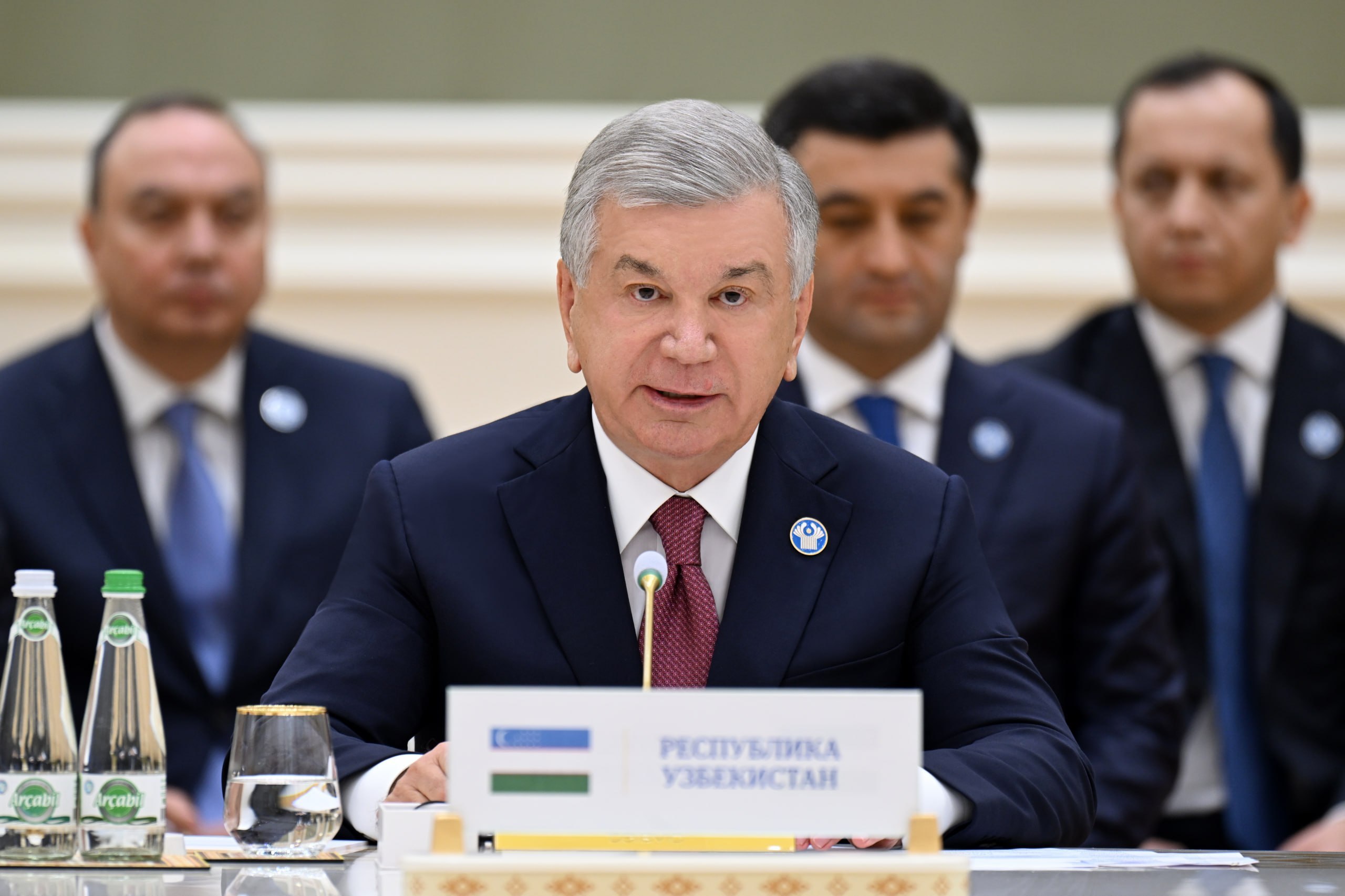

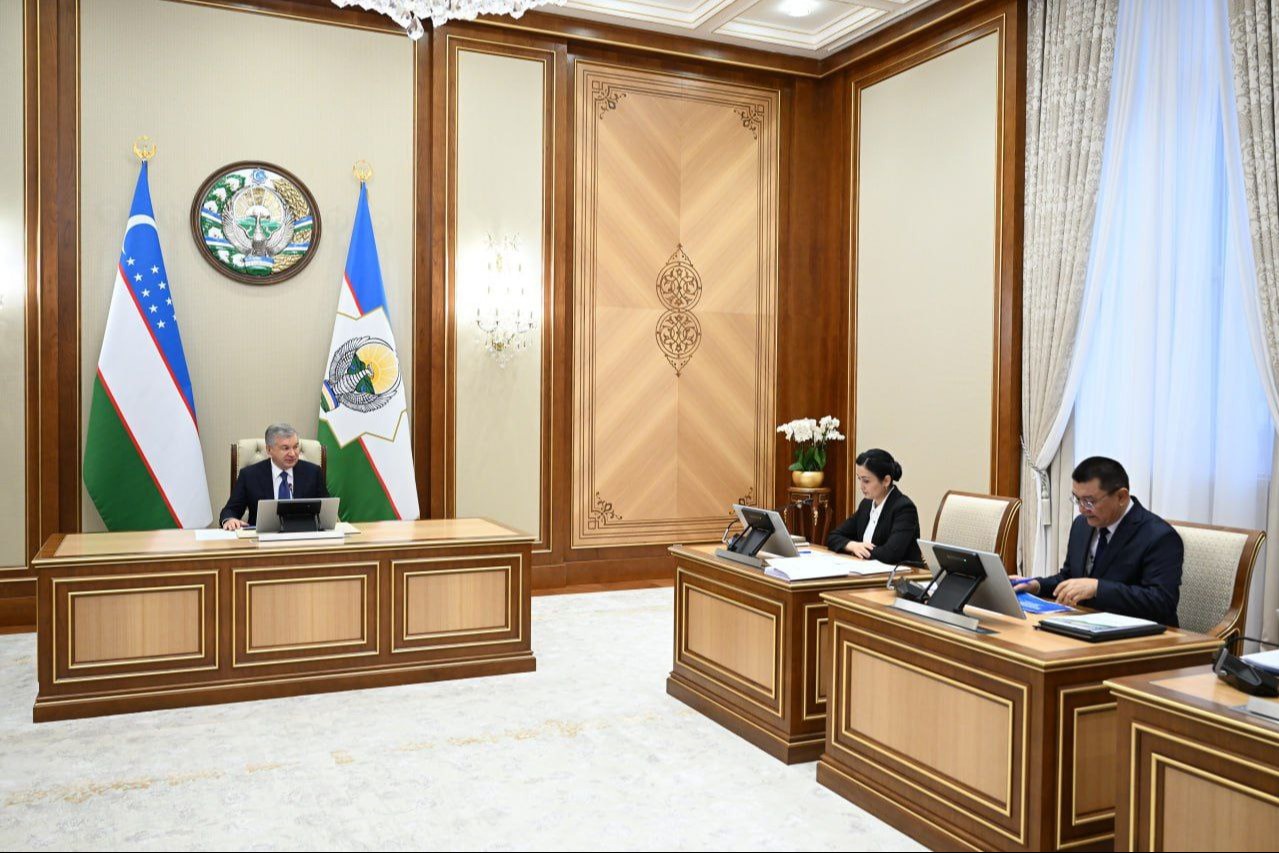
It should be noted that in accordance with Article 9 of the Law “On the Supreme Judicial Council of the Republic of Uzbekistan”, the chairman of the council annually submits information to the President of the Republic of Uzbekistan on factors hindering the administration of justice and the state of combating corruption in the judicial system.
In his Address to the Oliy Majlis and the people of Uzbekistan on December 26, 2025, the Head of State emphasized that tolerating corruption betrays the ongoing reforms and declared a “state of emergency” to combat this vice.
In this regard, it was noted that the courts, as an independent branch of state power, must serve as an example of a system free from corruption.
The Supreme Judicial Council bears direct responsibility for ensuring the independence of judges and their protection from external pressure. In 2025, a decree was adopted that expanded the council’s powers. To radically improve the system of training highly qualified personnel for the judicial system, the Academy of Justice was established under the council.
Last year, the Supreme Judicial Council appointed 135 candidates to judicial positions for the first time, reappointed 286 judges, and formed a corps of 241 investigating judges.
uring the reporting period, the powers of 59 judges were terminated prematurely. This includes 19 judges dismissed for violating their oaths and the Code of Judicial Ethics, 3 judges held criminally liable, and 58 judges demoted. Based on the results of an assessment, 33 judges were found unsuitable for further appointment, and 266 judges were subjected to disciplinary action.
Five submissions were made to the Prosecutor General’s Office regarding instances of interference in the activities of courts. A dedicated feature has been introduced on the Council’s official website to enable the prompt reporting of violations of judicial immunity.
As part of ensuring the independence of judges, more than 6,000 orders issued by the chairpersons of territorial courts were examined. It was determined that in 231 orders, 314 judges were assigned duties unrelated to the administration of justice. Measures were taken to eliminate the identified violations.
To relieve judges of uncharacteristic functions, advanced foreign experience is being studied in the creation of a “judicial administration” institution responsible for personnel, logistical, and organizational matters related to court activities.
It was proposed to establish a Disciplinary Board of Judges to ensure the objective application of disciplinary sanctions.
Initiatives were also put forward to introduce a system for declaring the assets of judges and their family members, to implement compliance control in court administrations, and to establish a transparent procedure for hiring court staff.
Furthermore, within the framework of the state policy for the comprehensive support of women, the issue of ensuring gender equality in the judicial system was discussed. Particularly, plans were outlined for the celebration of March 10 – the International Day of Women Judges.
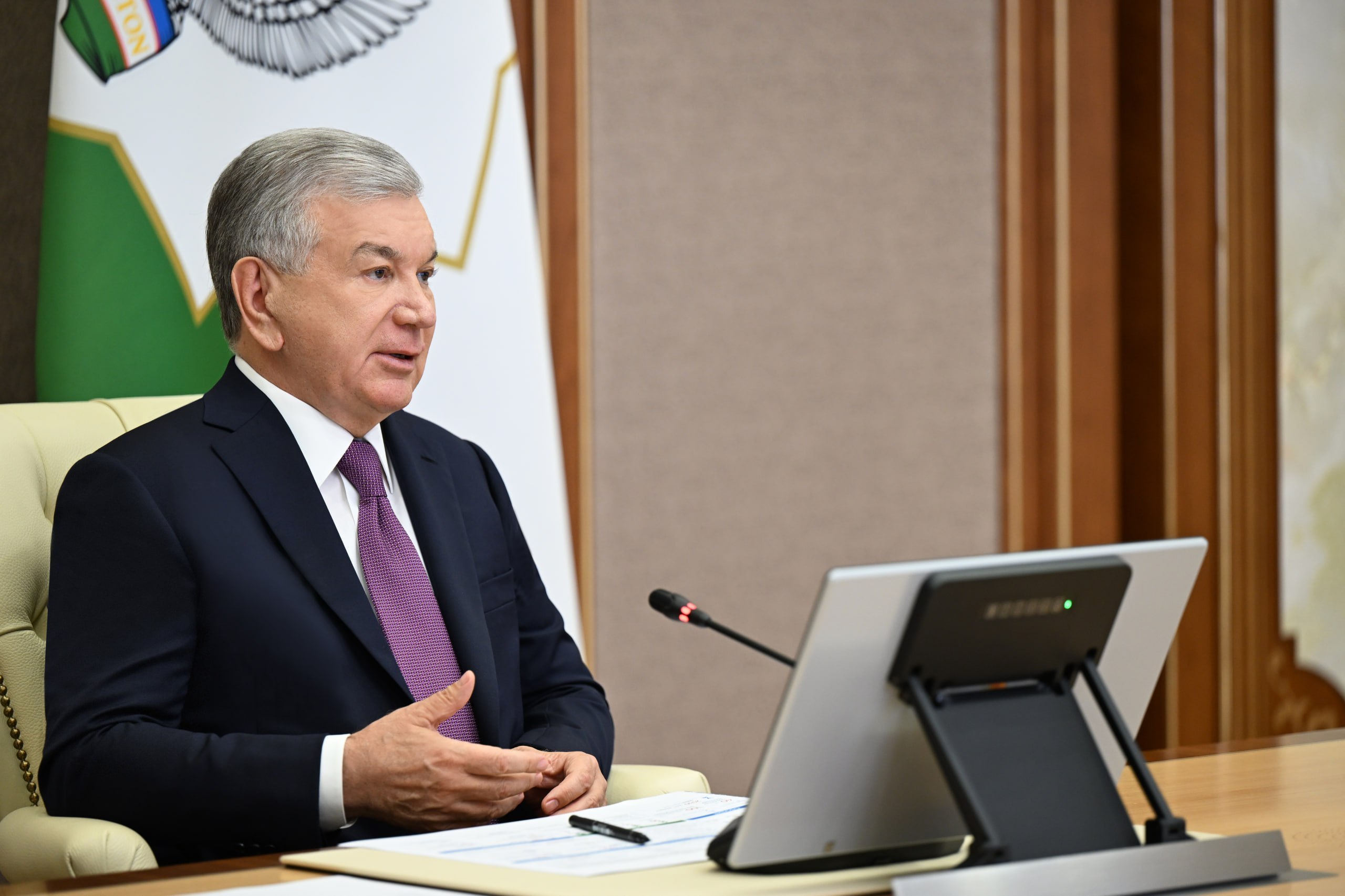
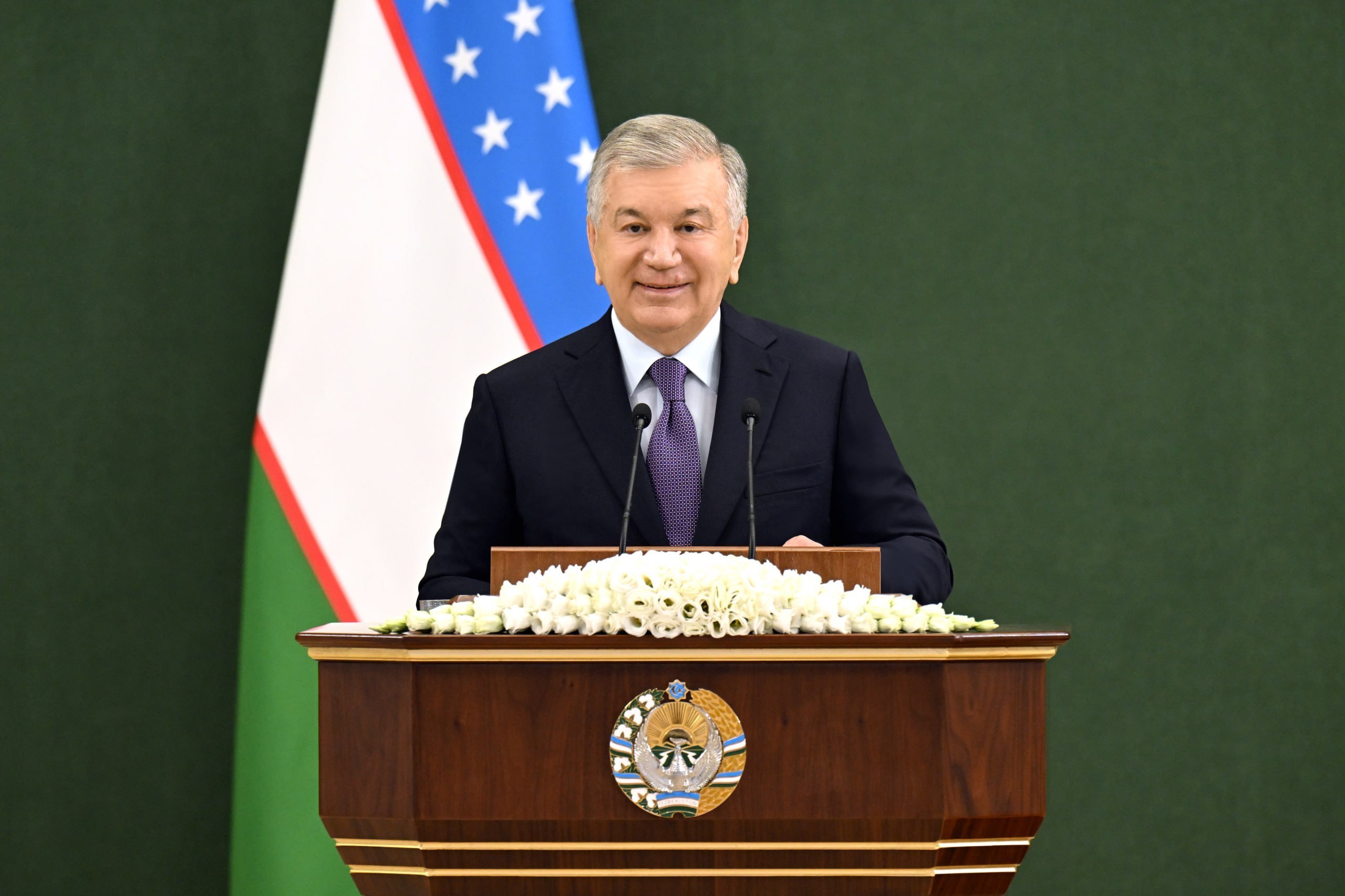
The President supported the proposals presented and provided several recommendations to sustain systemic measures aimed at ensuring the independence of the judiciary, the immunity of judges, and the elimination of factors hindering the administration of justice.