
In accordance with the Presidential Resolution “On measures to reform the public transport system” of February 17, 2023, road transport services in the regions are being consistently improved, and the public transport route network is being expanded.
Particular attention in this process is given to modernizing bus fleets to meet current requirements and to organizing services along routes using environmentally friendly transport.
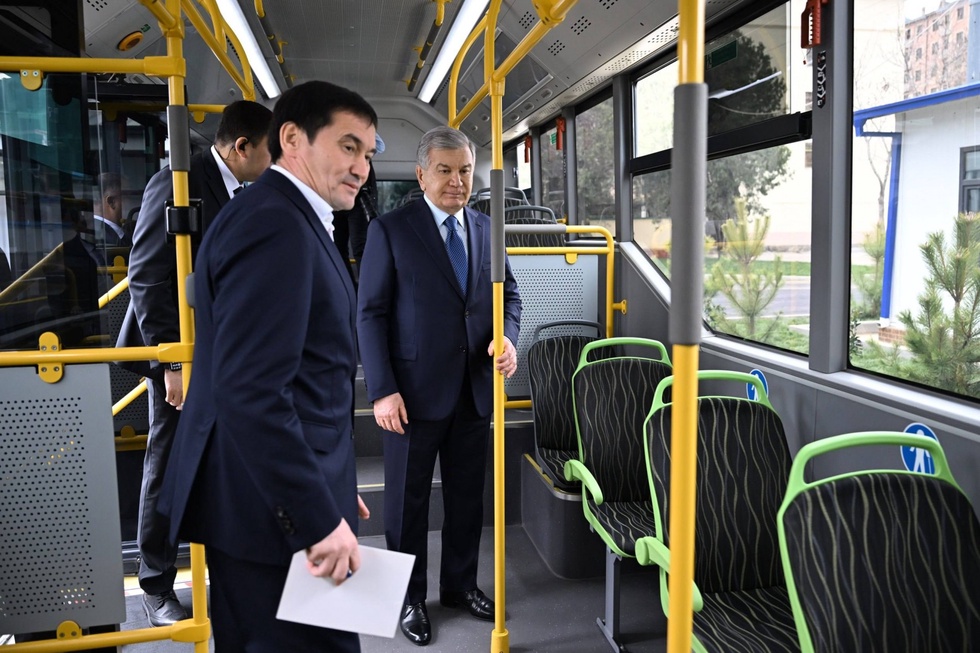
For these purposes, 100 modern electric buses worth $49 million have been delivered to the city of Samarkand. These electric buses of the “Yutong” brand are designed for 30 seats with a total capacity of up to 75 passengers.
A bus depot has been established on an area of about 4 hectares for the new electric buses. The charging station there can simultaneously service up to 50 public transport units.
The constructed covered parking facility for electric buses is equipped with mobile maintenance equipment. The electric buses operate on 9 city routes under gross contracts, serving around 70,000 passengers daily.
At the second stage of the project, the procurement of another 250 electric buses is planned. For this purpose, it is envisaged that $120 million will be attracted from the European Bank for Reconstruction and Development. As a result, the city’s public transport system is expected to reduce fuel consumption by 32,000 liters and cut harmful gas emissions by 27 tons per day.
Currently, 265 employees work at the bus depot. As new electric buses are delivered, more than 500 additional jobs are planned.
President Shavkat Mirziyoyev inspected the new buses.
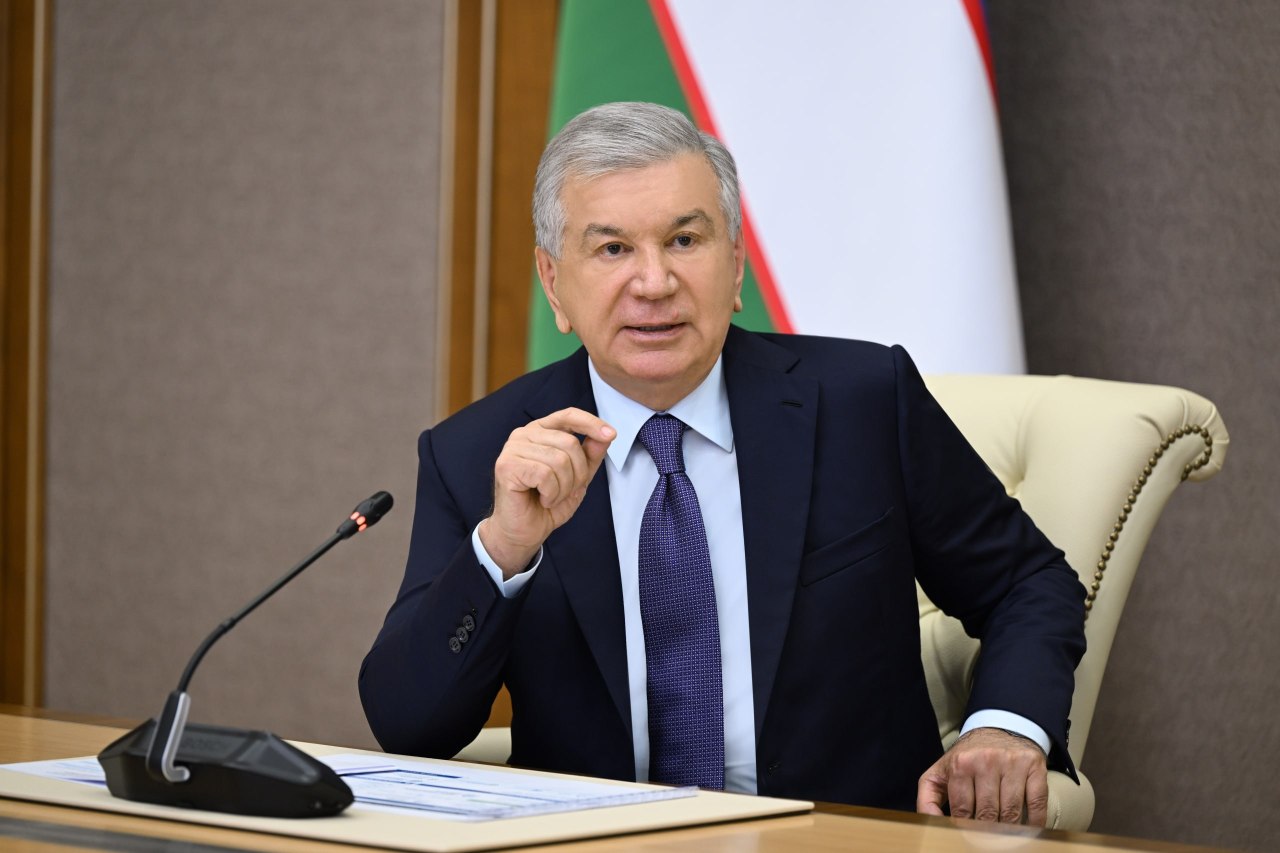
“To enhance the economic sustainability of this sector, it is necessary to establish a Samarkand model for training specialists capable of servicing and repairing electric buses”, the Head of State noted.
A presentation was also held here on the ongoing work in Samarkand to develop public transport, including the digitalization of bus traffic management.
During the visit, President Shavkat Mirziyoyev also inspected the overpass constructed at the intersection of Gagarin and Rudaki streets.
The 600-meter-long tunnel was built for $12 million and can accommodate an average of 50,000 vehicles per day.
An electronically controlled nighttime lighting system has been installed along the streets, and an underground pedestrian crossing has also been constructed.
The construction of the tunnel was carried out in cooperation with Chinese and Turkish companies. Its walls were built using modern construction technologies, including drilling and the installation of retaining structures.
The construction was carried out without interrupting traffic. The surrounding area was landscaped, and ornamental trees were planted.