
Scientists'
attention was drawn to the high ratio of helium isotopes in hot springs located
along the Kafue Rift. This
phenomenon indicates that the rift penetrates the Earth's crust, reaching into
the mantle at depths ranging from 40 to
160 kilometers.
"This is
direct evidence of the Kafue Rift's activity and could be the first sign of
Sub-Saharan Africa beginning to split," noted Mike Daly, a professor at Oxford University.
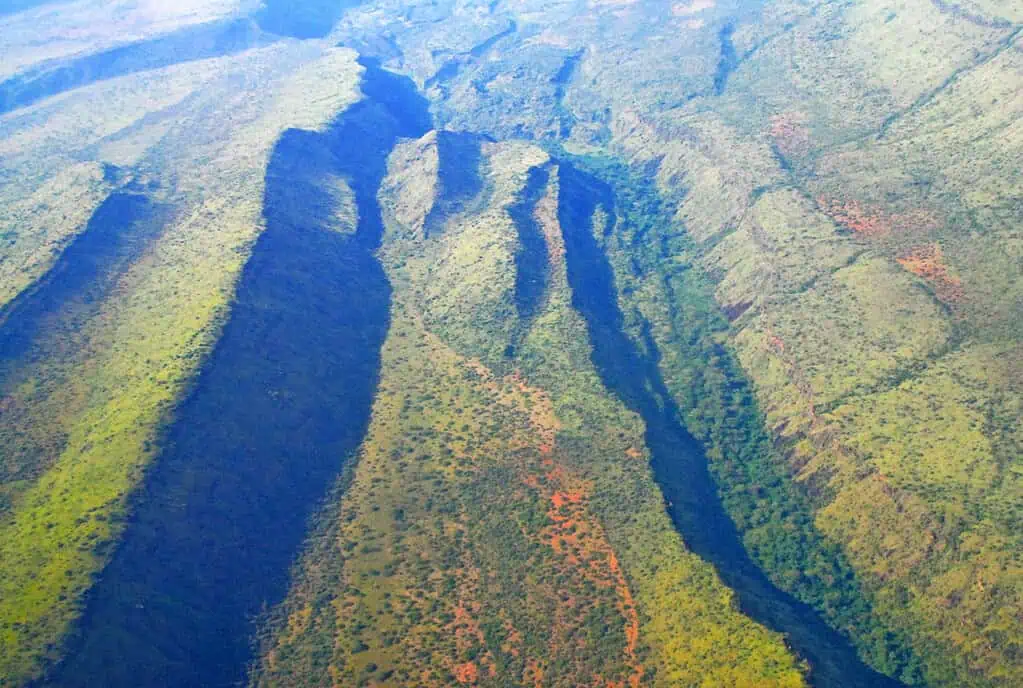
The Kafue Rift is
part of a 2,500-kilometer zone
extending from Tanzania to Namibia. Scientists studied eight geothermal wells
and springs across Zambia—six located within the proposed rift zone and two
outside it—and collected gas samples from the water. The helium isotope
composition of the samples from the rift zone closely resembles that of the East African Rift System, one of the
best-studied ancient rifts on the planet.
This discovery
could hold significant economic value: active rifts in their early stages of
formation can provide geothermal energy, as well as opportunities for helium
and hydrogen production, reported by Kazinform.
However, the
authors urge caution in interpreting the results. "This study is based on
helium analysis from just one section of the Southwest African Rift System,
which spans thousands of kilometers," Daly emphasized, adding that
large-scale research initiatives are already underway.