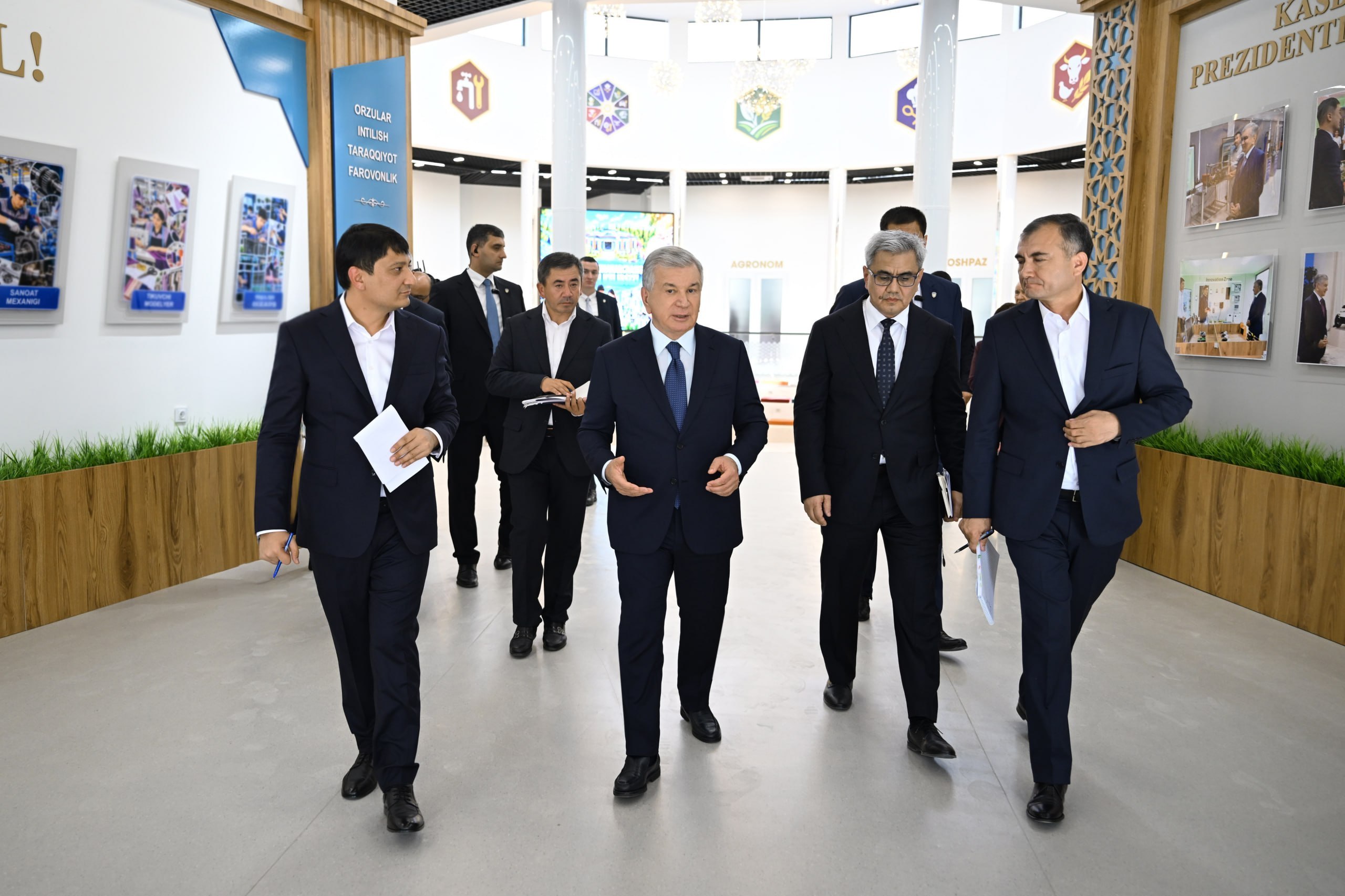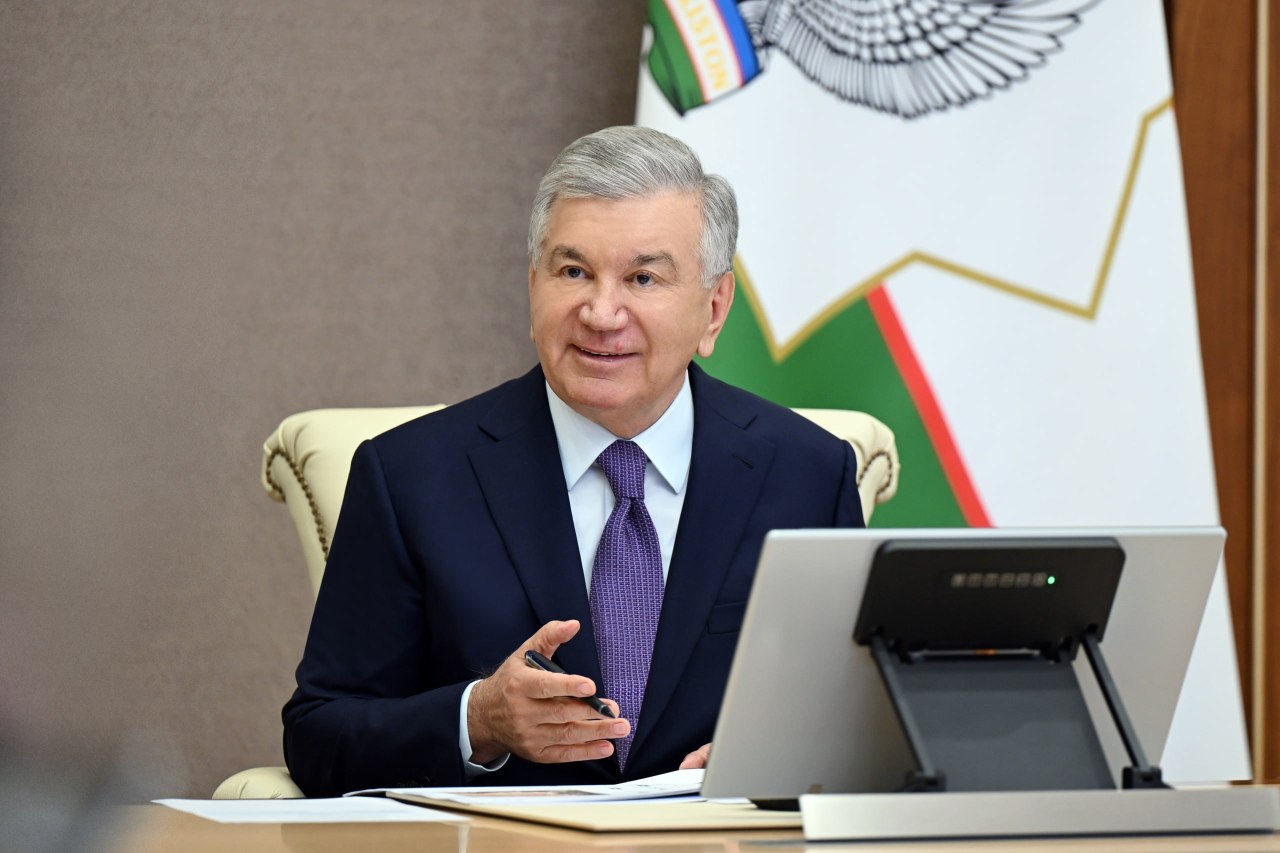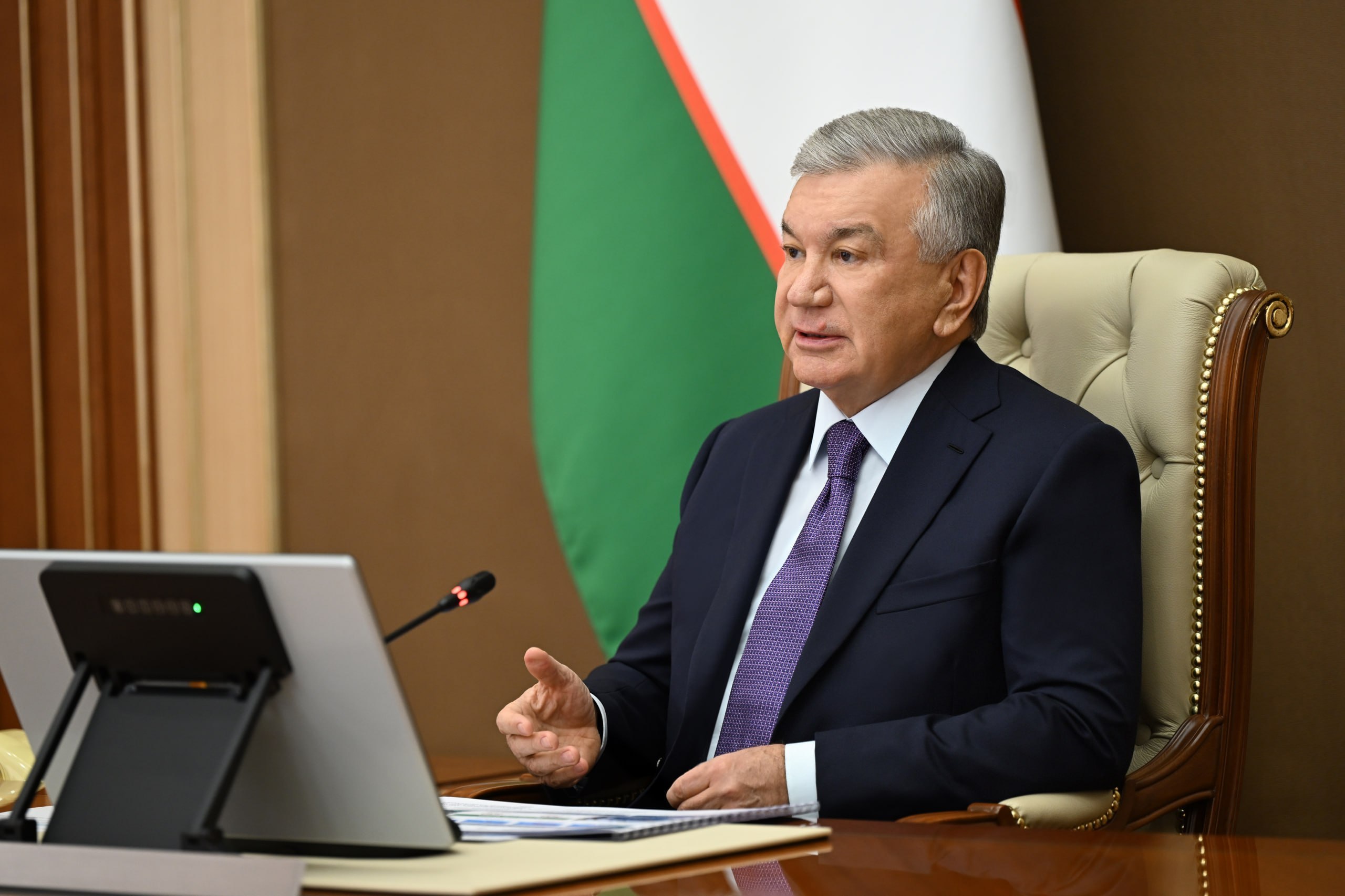

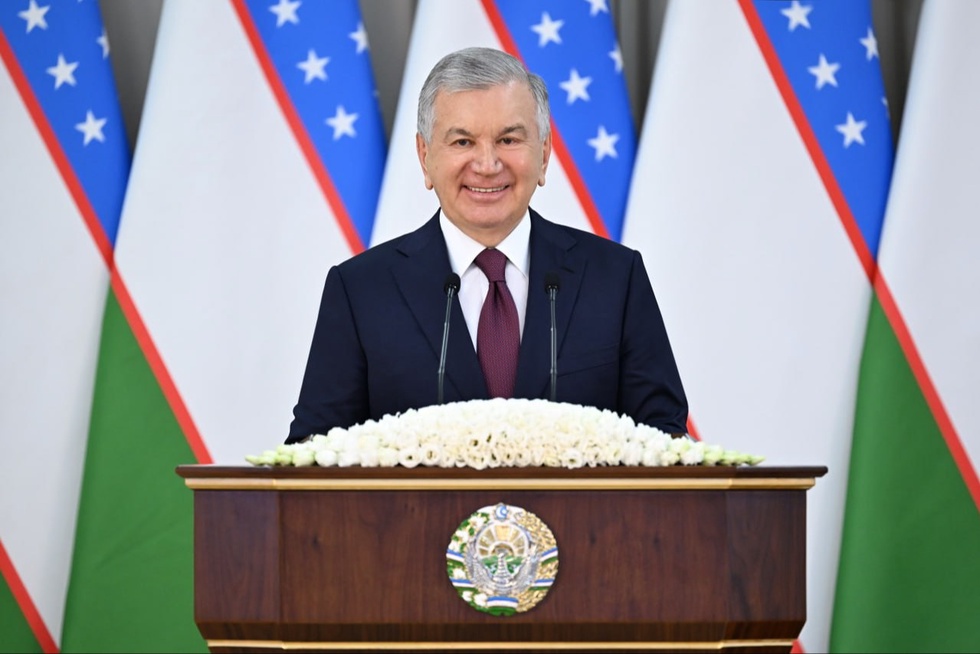
The Head of State sincerely congratulated the participants on Medical Workers’ Day and expressed deep respect for all doctors, nurses, and specialists in the healthcare sector.
Recognizing the vital role of the pharmaceutical industry in modern medicine, it was proposed that this day henceforth be celebrated as the Day of Medical and Pharmaceutical Workers.
Pressing issues in the healthcare system were reviewed, and new objectives and opportunities for further progress were identified.
Over the past five years, 7.5 trillion UZS have been allocated to specialized medical centers equipped with thousands of modern medical devices. However, it was noted that this equipment is currently being utilized at only 25 percent of its capacity.
It was noted that specialized centers, as well as regional and district healthcare departments, must give priority attention to digitalization, the search for international partners, the updating of clinical protocols, the introduction of advanced methods of diagnosis, prevention, and treatment, and the formation of modern professional teams.
The need to analyze the health situation in every mahalla and district, identify where morbidity rates are rising or declining, and develop clear, evidence-based prevention and treatment plans accordingly was emphasized. Particular attention was drawn to ensuring the efficient use of expensive medical equipment purchased with substantial public investment.
“Today, people’s attitudes toward life, their needs, and their worldview have changed. This places new demands on us to improve quality and adopt modern medical approaches. Therefore, we will establish a system in which the voice of the people will be heard”, said the Head of State.
From now on, the directors of 26 specialized centers, as well as the heads of regional and district health departments and family polyclinics, will operate in accordance with specific monthly plans.
The heads of specialized centers will visit the most problematic districts and mahallas, working there for an entire month to study the causes of diseases, propose practical solutions, and train doctors from local hospitals and polyclinics in treatment methods.
Daily receptions by regional and district health officials will now be held at the mahalla level, ensuring direct communication with residents.
It was emphasized that every healthcare manager, at the regional, district, or institutional level, along with chief physicians and polyclinic heads, must ensure attentive and respectful patient care and create conditions for receiving medical care in the shortest possible time.
Starting next year, a new procedure will be introduced for appointing directors of the 26 specialized centers, heads of regional and district healthcare departments, and chiefs of family polyclinics. In all medical institutions, the positions of director and chief physician will be separated. Management positions will be filled by entrepreneurs with managerial training and proven professional results.
The incentive system will also be revised. The best regional and district healthcare departments and heads of family polyclinics will be awarded the title “Honored Healthcare Worker of Uzbekistan”, as well as orders, medals, and cash prizes of 30 million UZS. In addition, each institution they manage will receive 500 million UZS to improve infrastructure.
In every region, two top-performing managers – one from a district health department and one from a family polyclinic – will be sent for management training abroad, in countries such as the United States, Germany, the United Kingdom, South Korea, and Türkiye.
“Continuing the reform of medical education, we must develop the institution of the family doctor, a specialist capable of providing qualified care to all family members”, the President said.
Starting in the next academic year, faculties of general medicine combining pediatrics and therapeutic medicine will be opened at medical universities. Residency and master’s degree programs in family medicine will also be launched.
Residents (postgraduate medical students) will study free of charge while simultaneously working as family doctors. Upon completion of residency, graduates will receive a specialist diploma and a 150 percent salary bonus.
At the undergraduate level, students’ knowledge will be assessed in both fundamental and clinical disciplines. After completing residency, doctors will take a specialization exam, undergo state registration, and only then will they be granted the right to practice medicine.
It was emphasized that nurses should be trained to assist physicians not only in simple procedures but also in diagnostics, treatment, and preventive care. The Nursing Academy will be integrated into the structure of Tashkent State Medical University, and on its basis, a Higher Academy of Professional Medicine will be established.
Starting next year, all medical universities will introduce a “Higher Nursing Education” program, with enrollment quotas doubled. Beginning in 2027, these quotas will increase annually by at least 20 percent. Nurses with higher education will receive a 100 percent salary bonus, and the system for training mid-level medical personnel will be modernized accordingly.
It was emphasized that a modern physician must master advanced technologies and diagnostic and treatment methods, and must continuously work on self-improvement.
In this regard, a new system of continuous professional development for medical workers is being established. Starting next year, new forms of training will be introduced, including distance learning, robot-simulator training, and self-directed learning in the workplace. To develop standards and assessment criteria, a Center for Continuous Professional Medical Education will be established.
The Head of State noted that the private sector already provides 30 percent of medical services, and that many leading innovations originate there, emphasizing the government’s readiness to consider proposals to expand public-private partnerships in healthcare.
Support for private healthcare will be continued. Beginning next year, the exemption on the import of medical equipment and ambulances will be extended for an additional 3 years.
The VAT reimbursement benefit currently available to the catering industry will also be extended to private medical organizations. To support the establishment and equipping of modern multidisciplinary clinics, entrepreneurs will be provided with a $200 million line of credit at preferential rates.
The President also announced additional benefits and support measures included in the recently signed resolution “On measures to support medical and pharmaceutical workers”.
At the meeting, an open dialogue took place, during which the opinions and proposals of healthcare representatives were heard.
“I consider the white coat not merely a symbol of the profession, but a sign of boundless devotion to the Motherland. We will continue to uphold the honor and dignity of every healthcare worker and ensure decent working conditions. I am confident that together we will turn the New Uzbekistan into a nation with a highly developed healthcare system”, said the President in conclusion