
Unmanned aerial vehicles, robotic systems, electronic countermeasures, and command-and-control technologies are increasingly used in modern armed conflicts. This requires not only the renewal of weapons and equipment but also the training of a new generation of specialists.
Consistent work is underway in this area of the country. New units for the use of drones and for countering them have been formed within the troops, and a system has been established to train unmanned aerial vehicle operators, engineers, and robotics specialists.
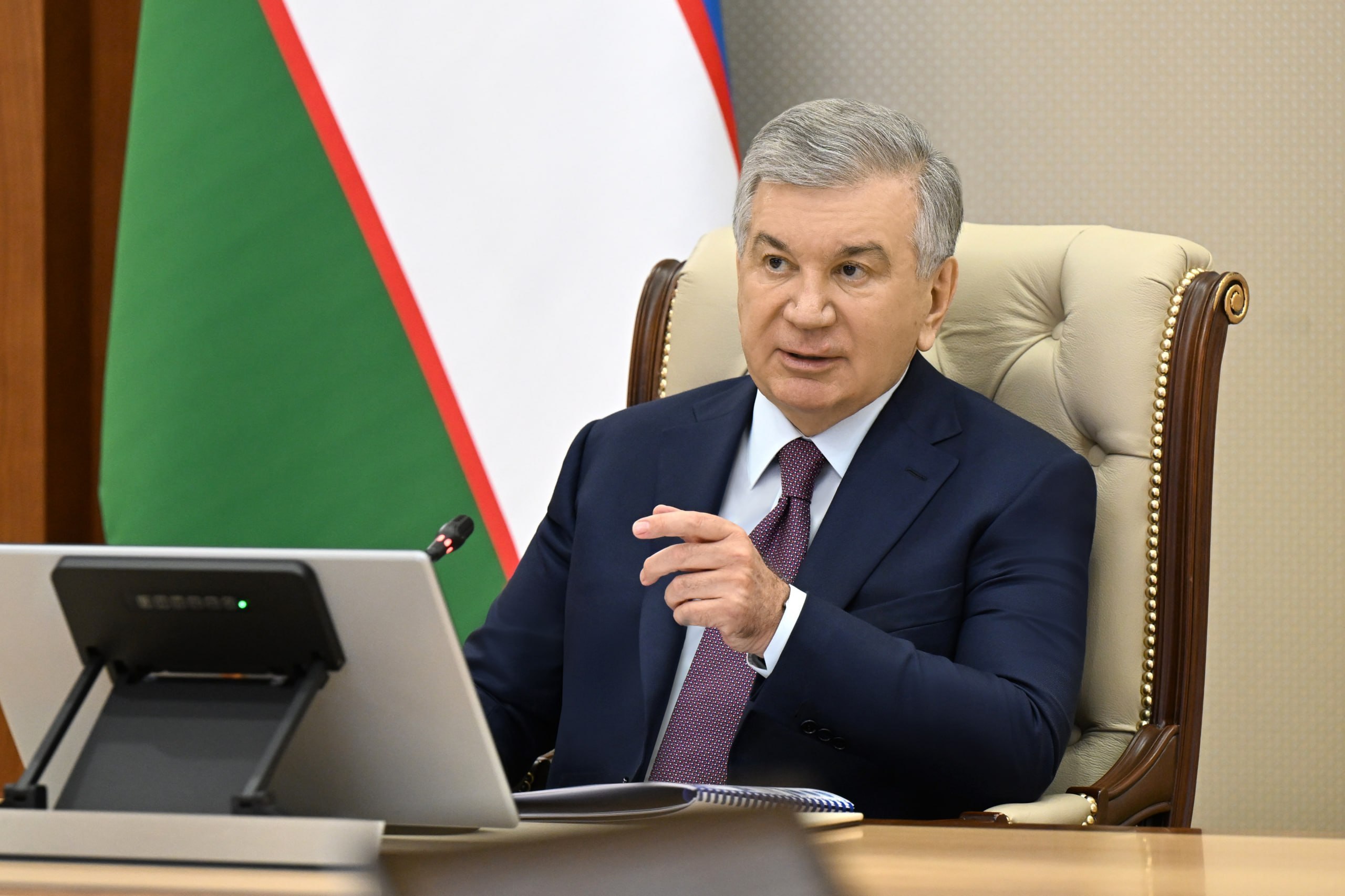
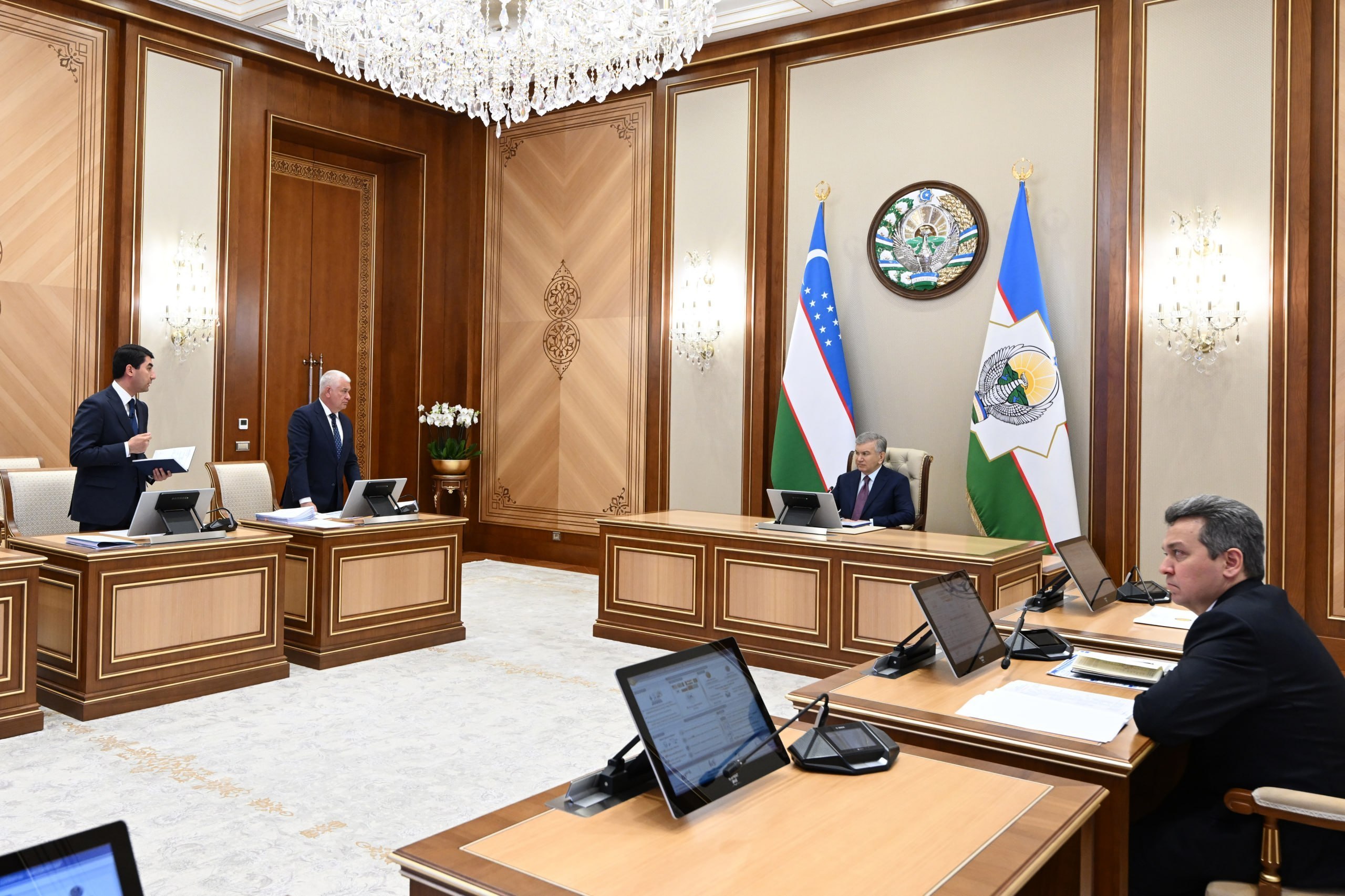
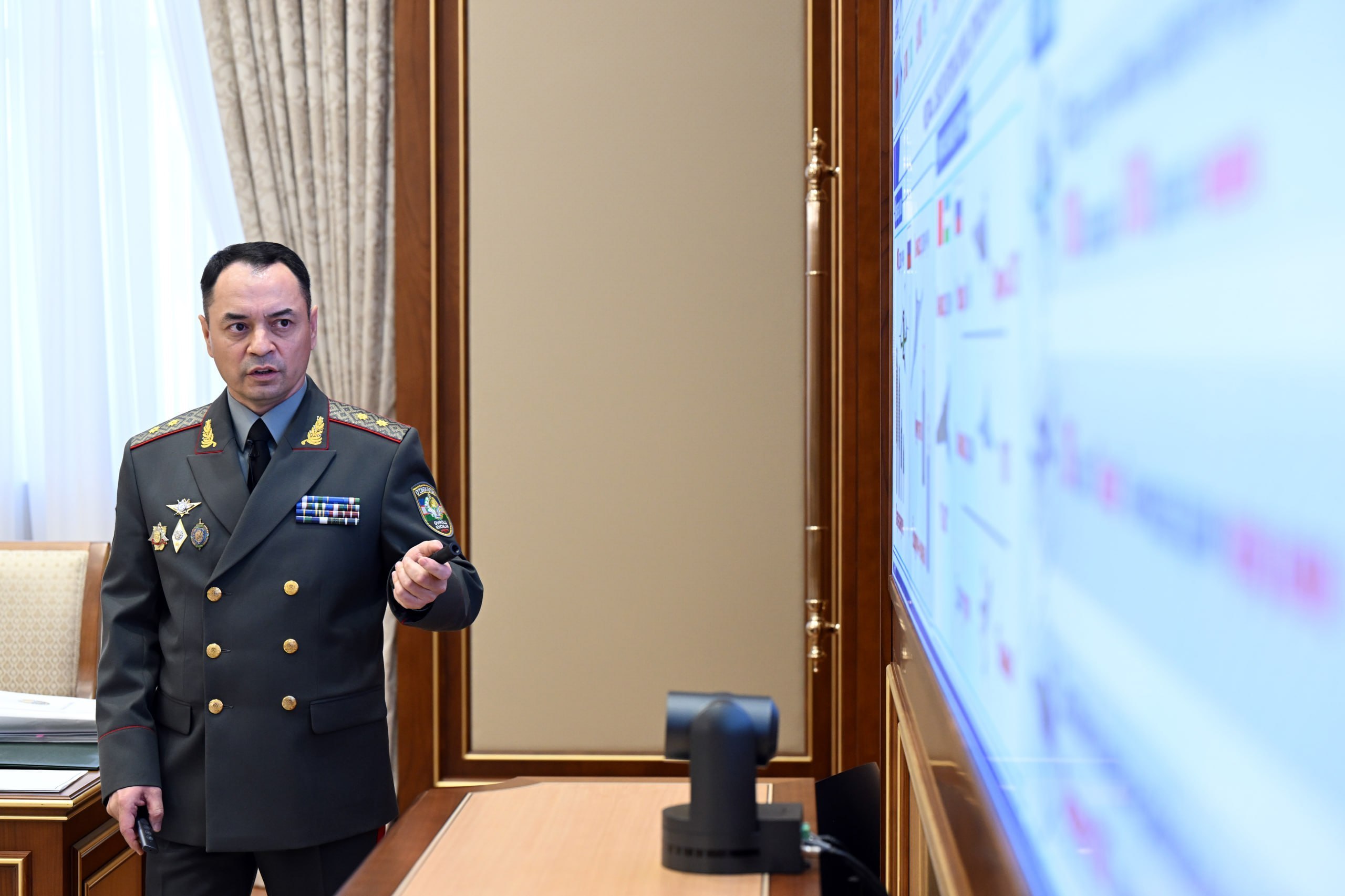
During the presentation, the Head of State was briefed on the activities of these mobile units and on training for relevant personnel.
Particular attention was given to reforming military education.
In 2025, at the President’s initiative, measures were taken to develop this field and train military personnel with modern knowledge and practical skills. As a result, all military higher education institutions were transformed into institutes, a unified management hierarchy was established, and the University of Military Security and Defense of the Republic of Uzbekistan was created.
Based on an analysis of modern combat operations, the real needs of troops, and the experience of leading higher education institutions, new qualification requirements, curricula, and programs are being introduced. Training is based on the principle of combining theory and practice so that future officers acquire the skills needed for service in modern conditions while still in their education.
As part of the new model for training military personnel at the bachelor’s level, cadets will study foreign languages, information technology, and artificial intelligence in depth. For command and staff officers, a three-tier training system, based on advanced international experience and the study of modern armed conflicts, is being introduced.
At the same time, training for non-commissioned officers will be expanded. One of the innovations will be the introduction of distance learning for non-commissioned officers at military higher education institutions across six civilian bachelor’s degree specialties. The training system for aviation and unmanned aerial vehicle specialists is also being improved, and a unified certification procedure is being introduced for Armed Forces service members in this area.
The presentation also addressed issues related to the digitalization of the army and to ensuring cybersecurity.
In recent years, the communication infrastructure within the Ministry of Defense system has been modernized, modern information and communication technologies have been introduced, and secure data exchange channels have been developed.
Military programmers have developed about 50 information systems for various areas of troop activity. In particular, the electronic information system “Conscription” has been created within defense affairs bodies and integrated with 19 ministries and agencies. This enabled the issuance of 39 types of certificates online and, for the first time, the conduct of conscription activities entirely in electronic format.
A unified medical information system and telemedicine have been introduced in military medicine, and integration with the Ministry of Health’s D-MED system has been completed.
Given modern challenges, the Ministry of Defense has established an Information Security Monitoring Center to enable the timely detection and prevention of cyber threats.
During the presentation, it was proposed to develop automated command-and-control systems further, expand the use of robotic and autonomous systems, and conduct research and development.
The establishment of a Main Department of Digital Technologies, an Artificial Intelligence Technologies Department, and a cybersecurity laboratory within the Ministry of Defense’s central office is planned. The Satellite Communications Center will be launched to ensure stable communications across all regions of the country.
To implement a unified digital policy in the defense sector, the post of Deputy Minister of Defense has been created, and military districts are expected to create the posts of deputy commanders for digitalization, artificial intelligence, and cybersecurity.
Following the presentation, the Supreme Commander-in-Chief approved the proposals and signed several directive documents to further digitalize the army and introduce modern information and communication systems and artificial intelligence technologies.
Tasks were set to digitize the defense sector fully, develop national artificial intelligence models, and further improve the system for training qualified military personnel.