
The event
was held within the framework of the Aral Sea Wetlands Project, implemented by
the National Committee on Ecology and Climate Change in cooperation with the
United Nations Development Programme (UNDP) and the Global Environment Facility
(GEF).
During the
session, representatives of government agencies, international organizations
and the expert community discussed ways to transition the Aral Sea region from
an environmental crisis to sustainable development, improving the water
management system in the face of climate change, introducing
climate-sustainable agriculture and measures to prevent land degradation.
The
participants paid special attention to the role of wetlands and coastal
ecosystems in preserving biodiversity, maintaining ecological balance and
providing sustainable sources of income for the local population.
Experts
presented reports on the importance of ecosystem services in the lower reaches
of the Amu Darya, modern tools to combat land degradation and practical
mechanisms for sustainable management of natural resources at the local level.
During the
open discussion, the prospects for expanding international cooperation,
introducing innovative solutions and scaling successful practices for restoring
ecosystems in the Aral Sea basin were considered.
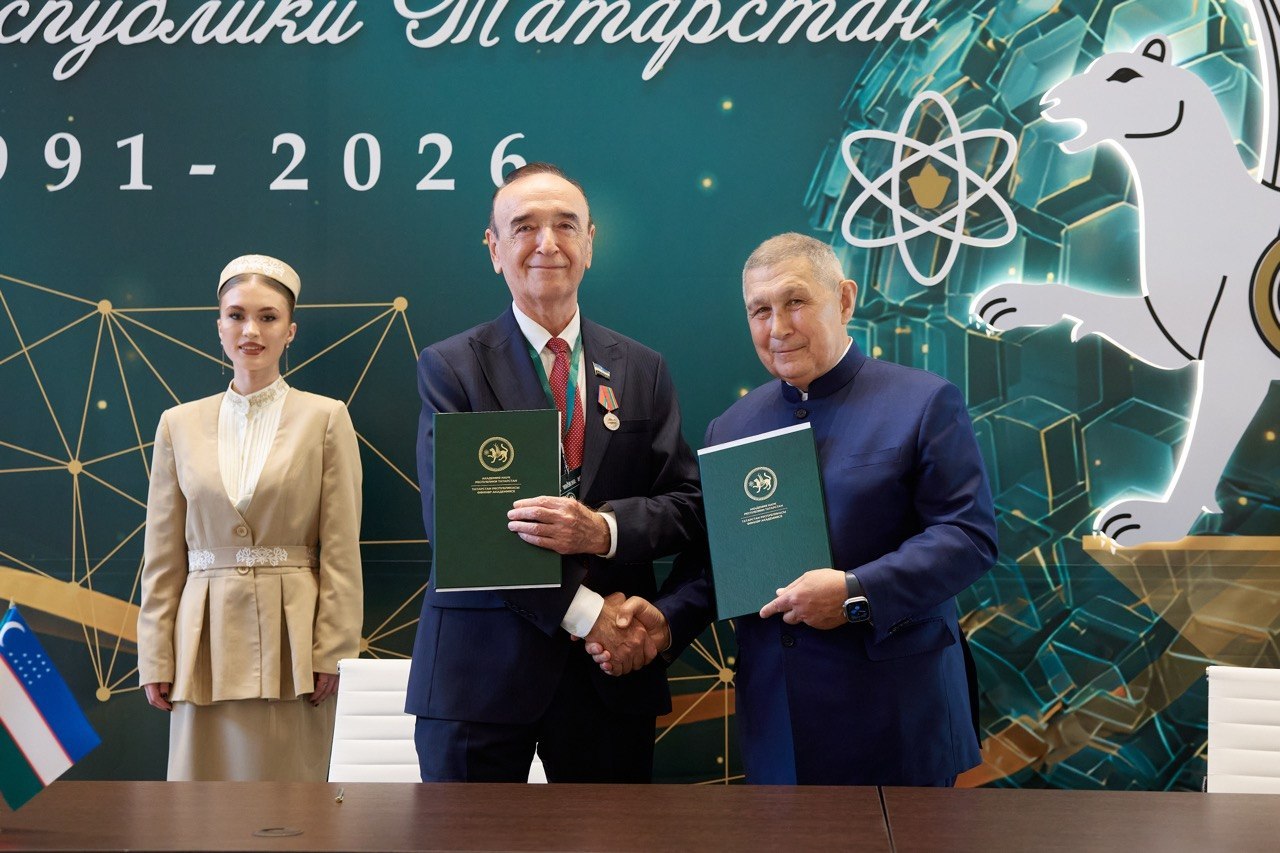
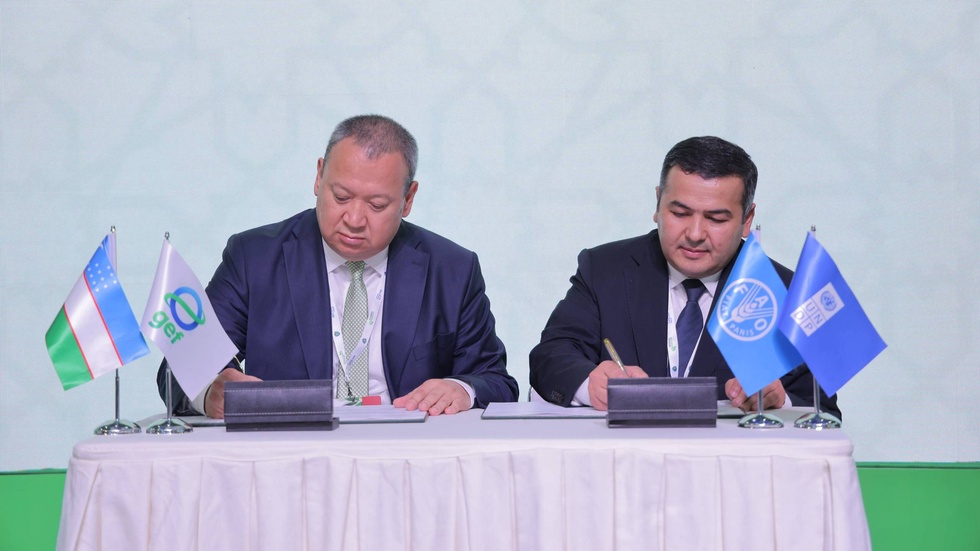
The main
outcome of the event was the signing of the Concept of the Integrated Water
Resources Management Plan for the Lower Amu Darya basin between the National
Committee on Ecology and Climate Change, the Ministry of Water Resources and
the Ministry of Agriculture.
The
document is aimed at improving the efficiency of water resources use,
strengthening the environmental sustainability of the region, developing
interdepartmental cooperation and improving the water resources management
system in the face of increasing climatic pressure in the Aral Sea region.