
The pharmaceutical industry, which has significant economic and social significance, is widely supported by the state. Over the past seven years, the volume of pharmaceutical production has doubled, exports have grown 11 times, the number of enterprises has tripled, and $750 million in investments have been attracted.
Today, 3.5 thousand types of medicines and medical products are produced in the country. However, this is not enough to meet the demand fully.
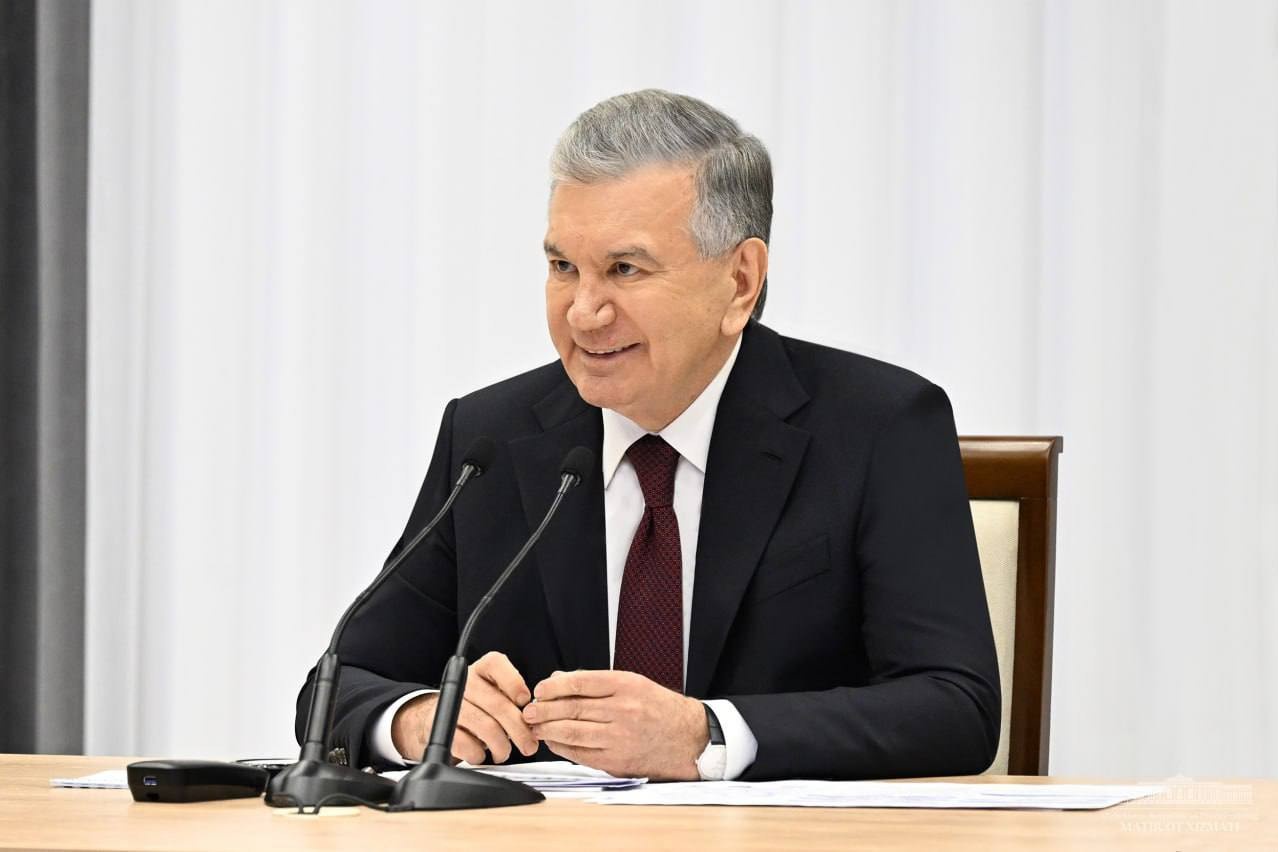
In this regard, the Head of state put forward important initiatives to localize production and expand exports.
Asakabank and the Pharmaceutical Industry Development Agency, together with large enterprises, will develop a program until 2025 to develop and produce 200 popular types of drugs, which will double the production volume. To implement such projects, $400 million raised on preferential terms will be allocated.
An Investment Fund for Advanced Pharmaceutical Projects will be created, becoming a shareholder and catalyst for projects in biopharmaceuticals, cell technologies, and oncology.
The Reconstruction and Development Fund will open a $100 million credit line for Asakabank for projects in this area. These funds will also be issued for leasing services.
Asakabank will also open a venture company with a capital of $10 million to finance startups and commercialize new developments. The company may be allocated additional funds without examination in an amount equal to the amount of independently attracted investments.
It has been determined that 20 billion UZS will be allocated from the Innovation Fund as grants to support new developments. These funds will be used to transform new domestic drug developments into commercial projects and to support startups.
The term of customs privileges for local pharmaceutical companies, which expires on January 1, 2025, will be extended for another three years.
Domestic enterprises are ready to produce drugs using the technology and recipes of leading foreign pharmaceutical companies. However, there is no necessary legal framework for such cooperation. Each such drug must be clinically tested and registered as a new product. This takes a lot of time. In this regard, the importance of simplifying this procedure was noted.
The budget will cover the costs of entrepreneurs obtaining certificates from the U.S. Food and Drug Administration (FDA) and the European Medicines Agency (EMA) to expand exports.
The production of substances and cosmetic components of plant origin is developing in Uzbekistan. To support this work, within the framework of Asakabank projects, next year, plantations of 5 hectares will be created for each type of medicinal plant, and 5 pilot projects for their processing will be implemented.
Generally, it was determined that a portfolio of projects worth $1 billion would be formed in the pharmaceutical industry. They will aim to ensure the quality of the most popular drugs at a level not inferior to foreign analogs, increasing competition and increasing the affordability of prices.
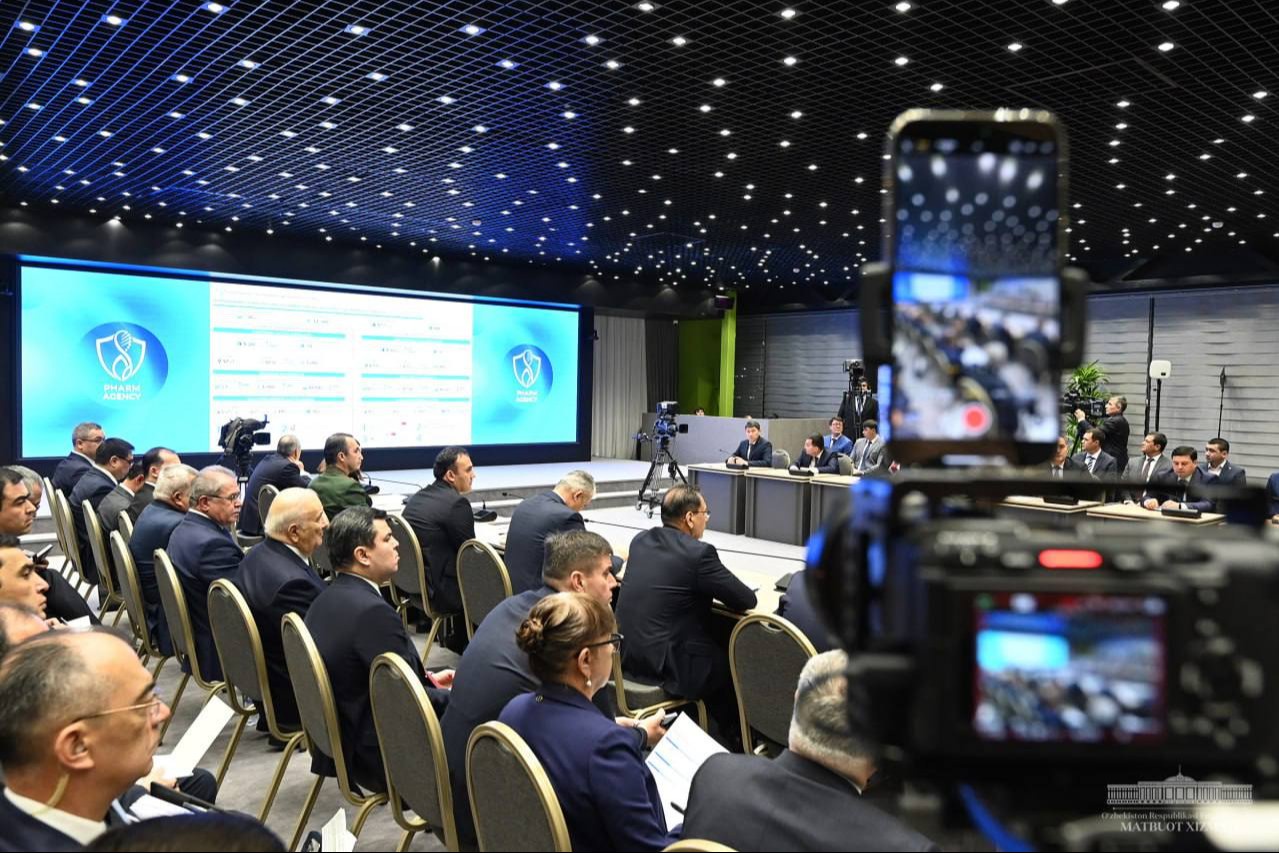
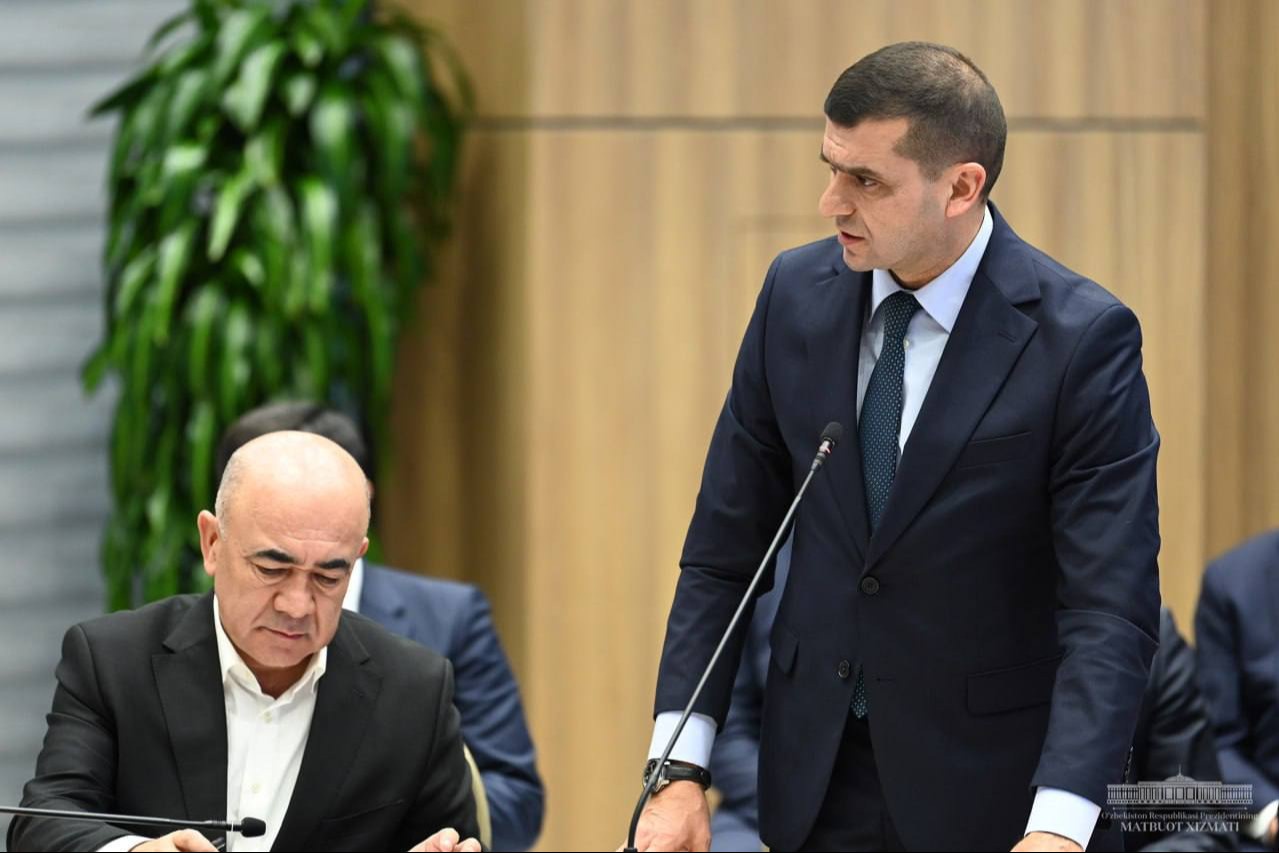
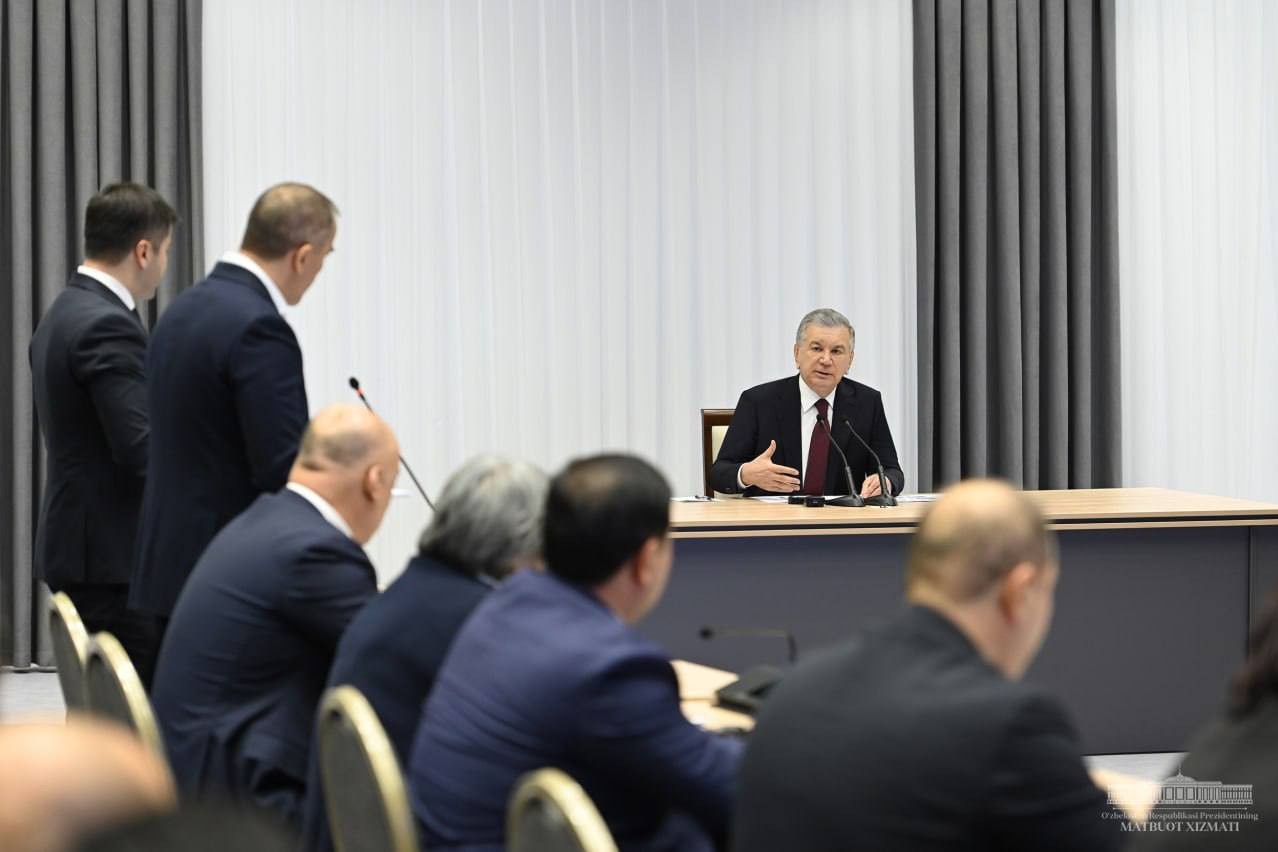
At the meeting, industry representatives shared their opinions and proposals for developing production, improving product quality, increasing exports, and stimulating science and education.