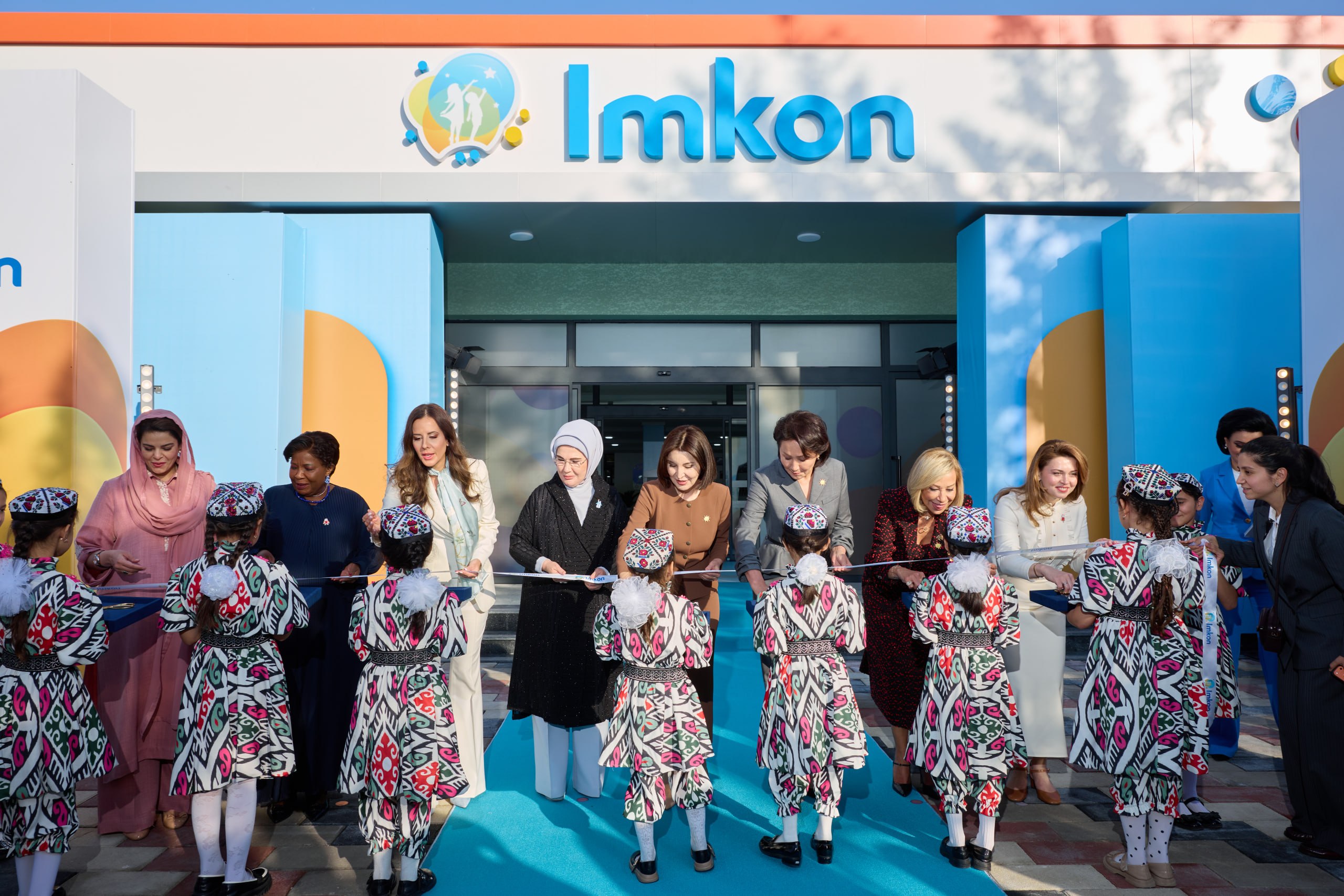

Preschool education is a crucial stage in a child’s intellectual, social, and spiritual development. Therefore, in recent years, reforms have been implemented in this sphere to expand coverage, improve the quality of education, and stimulate private-sector participation. As a result, preschool education coverage in the country has reached 78 percent.
However, achieving the 80 percent coverage target requires creating additional kindergarten places, while in 39 districts and cities, coverage remains below 70 percent. Furthermore, 61 percent of educators in state kindergartens and 76 percent of employees in private kindergartens have a secondary specialized education, which underscores the urgency of enhancing human resource potential.
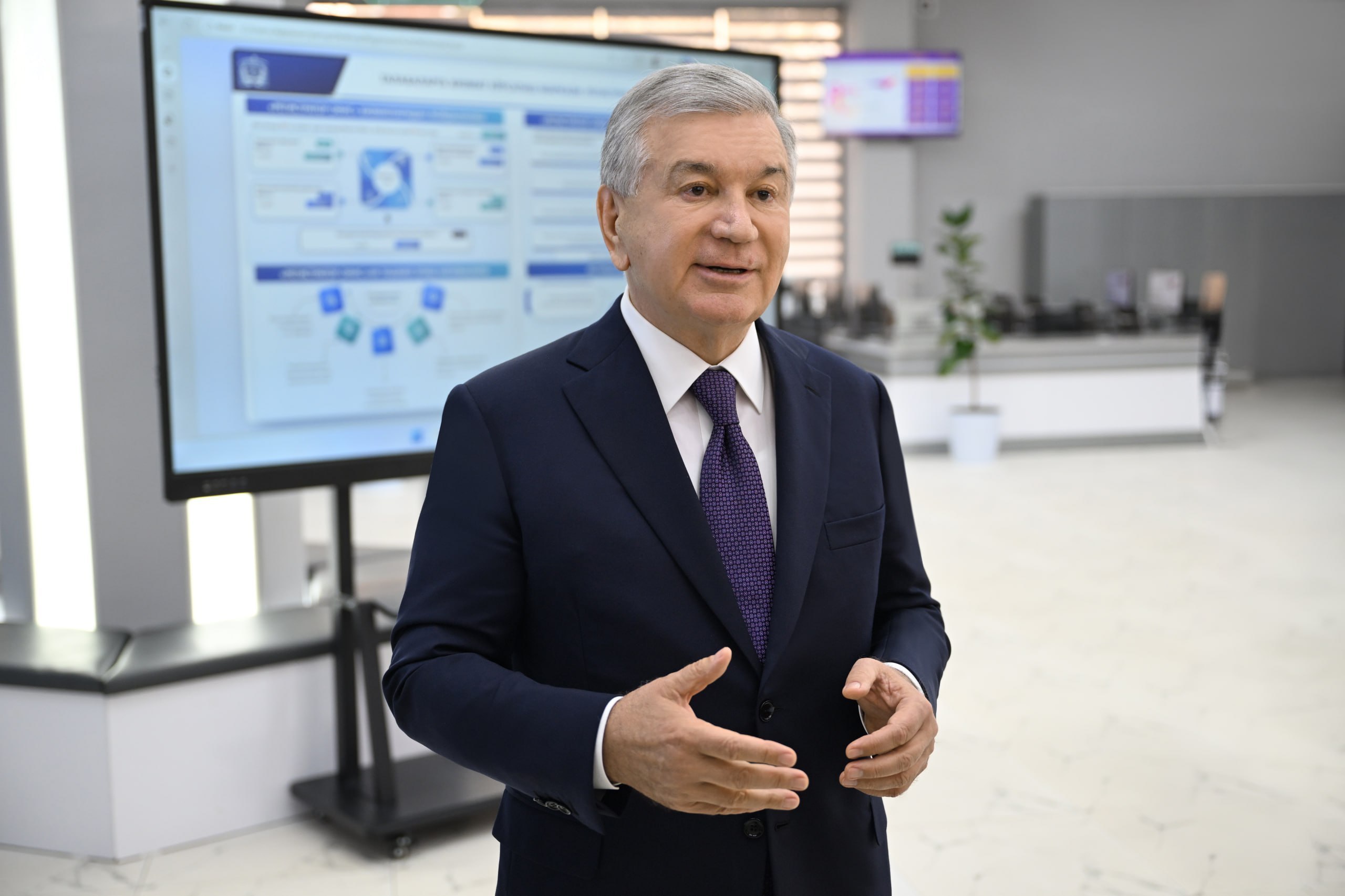
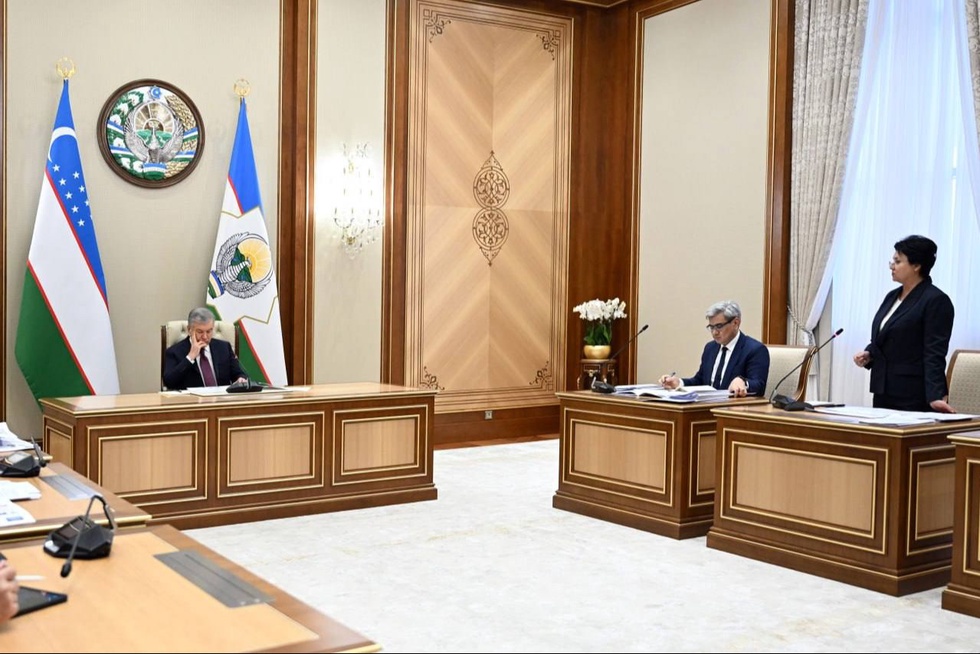
In this regard, the current presentation reviewed measures designed to elevate the preschool education system to a new level.
In particular, one-year school preparation programs will be introduced as the first stage of compulsory general secondary education. The primary objective is to ensure comprehensive preparation of children for schooling and to guarantee continuity in the learning process.
A game-based learning model will be implemented in the preschool education system, where the educational process is structured around the child’s innate abilities and interests. The learning environment will be updated based on leading international experience.
Furthermore, it is planned to establish a network of “Yangi Avlod” preschools. In 2026-2028, state “Yangi Avlod” kindergartens with a capacity of 120 places will be established in each region, along with Innovative Child Development Centers within their structure. These kindergartens will introduce additional positions for head and mentor-educator, and management staff and educators will be paid a monthly bonus equal to 20 percent of their tariff rate.
Non-state educational organizations providing preschool and general secondary education services will also be allowed to organize one-year preparatory groups. This measure is intended to stimulate healthy competition in the educational services market and further increase coverage.
Particular attention was paid to personnel training issues. Starting in the 2026-2027 academic year, educational programs at pedagogical universities for preschool and primary education will be improved in line with leading international practice. In parallel, a bachelor’s degree training system based on dual education (“5+1”) will be introduced for practicing educators with secondary specialized education.
It is envisaged that, starting in the 2027-2028 academic year, children who have completed training in preparatory groups will receive a state-issued electronic certificate, and the relevant information will be entered into their general secondary education certificates.
The new benefits aimed at supporting the private sector in preschool education were also discussed at the presentation.
To expand private-sector participation in districts and cities where coverage remains below 80 percent (excluding Tashkent), several support measures for entrepreneurs will be introduced.
In particular, when establishing a preschool institution under a public-private partnership on vacant land plots of schools and kindergartens, rent will not be charged for up to 30 years. In addition, a subsidy equivalent to 50 percent of per-child expenditure in state kindergartens will be provided for each child. This mechanism will also apply to private kindergartens established in 2024.
To establish new private preschool institutions with a capacity of at least 150 places in areas with low coverage, preferential loans of up to 5 billion UZS will be provided for up to 7 years. Additionally, expenses for paying monthly salaries to educators will be covered for three years, in accordance with the standards set for state kindergartens. The compensation will be paid at a rate of one full-time educator position for every 30 children.
These benefits will also apply to private kindergartens located on the ground floors of new apartment buildings.
Furthermore, entrepreneurs who have established private preschool institutions with a capacity of at least 150 places will be granted preferential treatment for the social tax rate until January 1, 2030.
The Head of State emphasized the importance of thoroughly developing and phasing in the proposed measures, as well as of creating a solid foundation for the comprehensive development of children through improvements in preschool education quality. Relevant instructions were issued to responsible officials.