
In recent years, the economy and agglomeration of the capital have been developing dynamically, and the permanent population of Tashkent has exceeded 3.1 million people. At the same time, it is projected that the city’s population will more than double by 2045. This requires the development of urbanization processes in line with the growing pressure on the housing stock, transport and logistics, engineering networks, and social infrastructure.
To improve the urban environment and enhance the quality of life, the expansion of green areas has been identified as a priority. In particular, it is planned to increase the area of green zones in the city of Tashkent and adjacent territories threefold – to 25,000 hectares – and to raise per capita green space provision from 3 to 6 square meters.
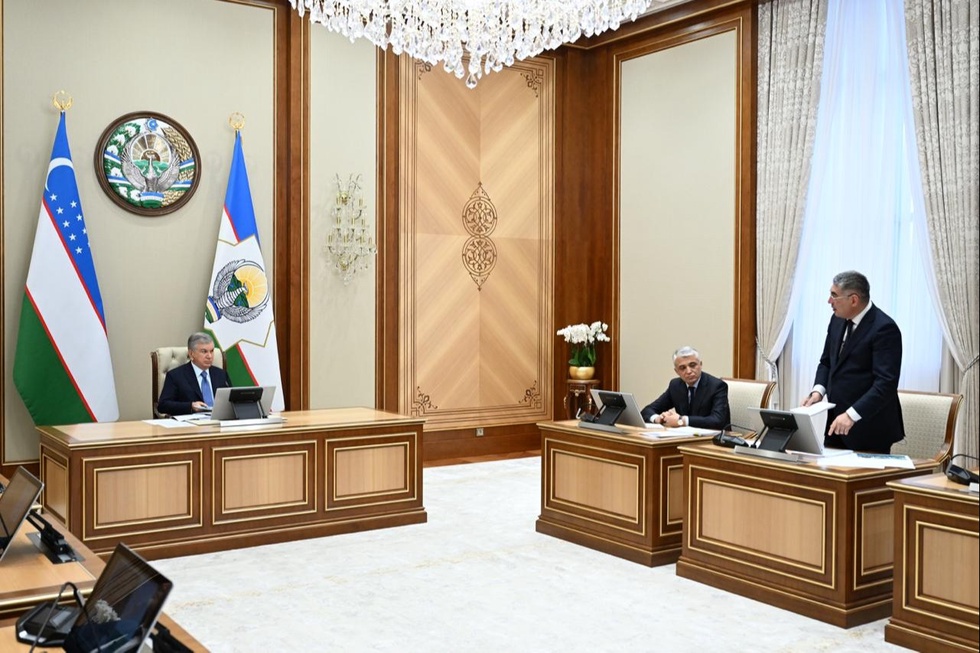
During the past period, initiators submitted 85 project proposals for construction covering a total area of 2,679 hectares. The presentation provided information on the results of their comprehensive review.
During the review, special attention was given to evaluating each project based on a unified urban planning approach, ensuring the possibility of creating green zones on at least 30 percent of the territory, comprehensive renewal of outdated areas through renovation, and abandoning the practice of spot development on land plots of up to one hectare.
Following the review, it was proposed to approve the implementation of 18 projects and to optimize 12 projects through adjustments to land area, building height, and concept, while 54 projects were deemed to require a complete conceptual revision.
Plans for expanding the “Yangi Avlod” special industrial zone in Yangihayot district were also considered separately. The importance of the phased relocation of large industrial enterprises from the central part of Tashkent was emphasized, along with the placement of high-value-added production facilities that meet environmental requirements.
As a result of implementing the approved projects, an additional $1.5 billion in gross regional product is expected annually, along with 3.5 trillion UZS in budget revenues and the creation of 260,000 jobs.
Special attention during the presentation was devoted to expanding green areas.
It was noted that at least 30 percent of the project territory, approximately 400 hectares, should be allocated to green zones. In addition, new public parks totaling 134 hectares are planned for nine locations across the city of Tashkent. These proposals were approved.
It was stated that funds received from infrastructure payments under implemented projects should primarily be directed toward the creation of new green areas, with the remaining portion used for the construction of urban infrastructure facilities.
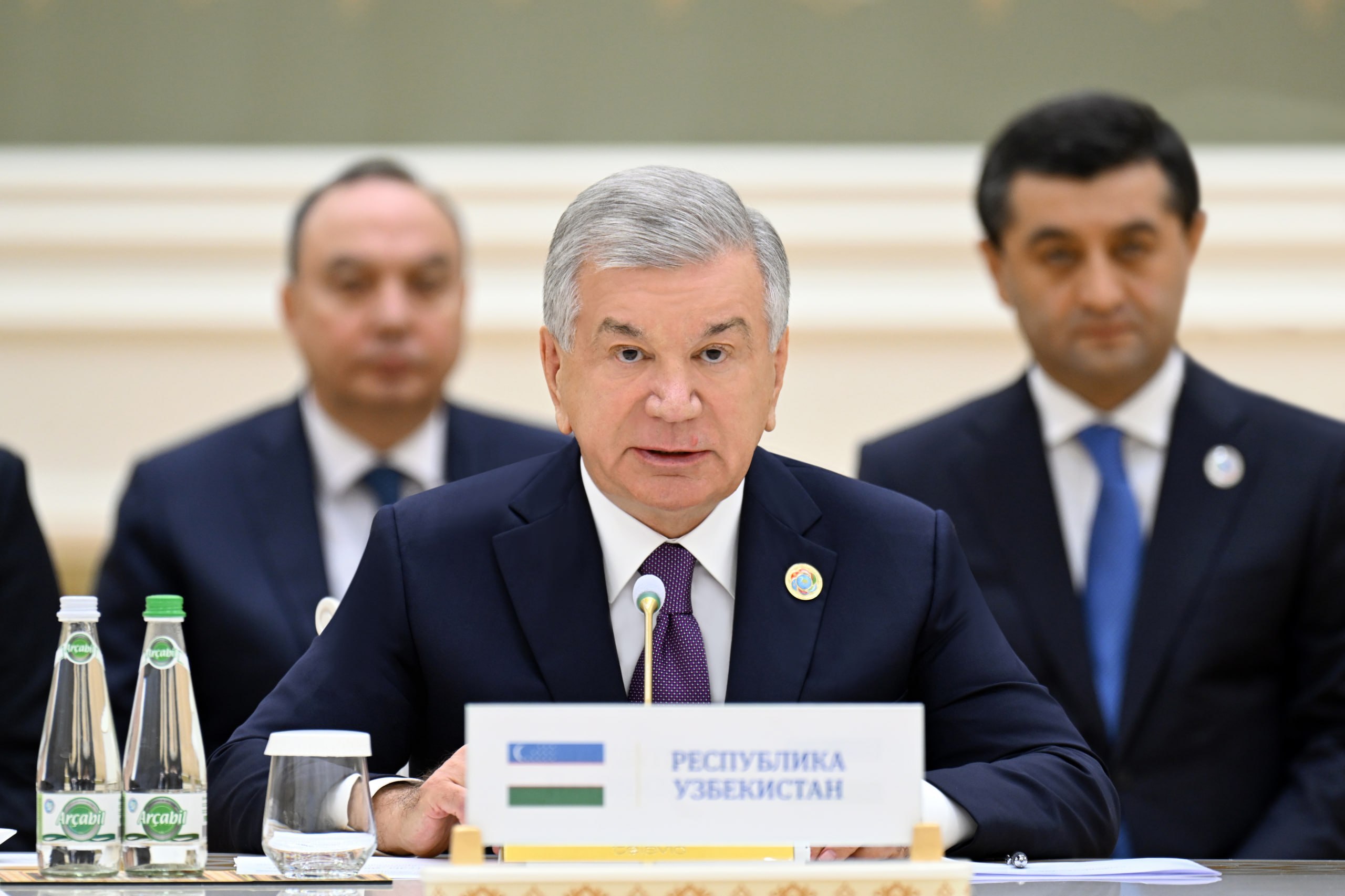
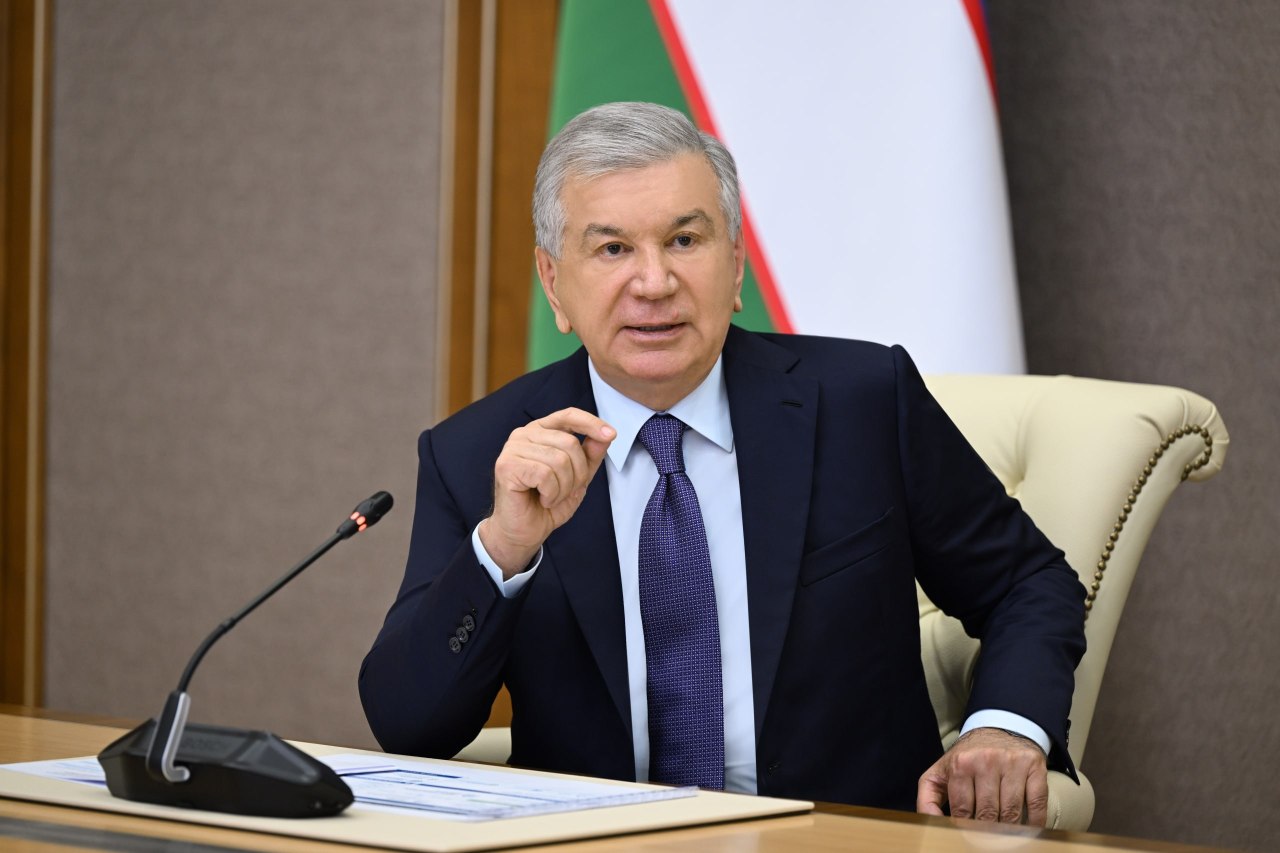
The President issued instructions on developing urbanization processes in the capital in alignment with public interests, the requirements of a healthy urban environment, and environmental standards.