
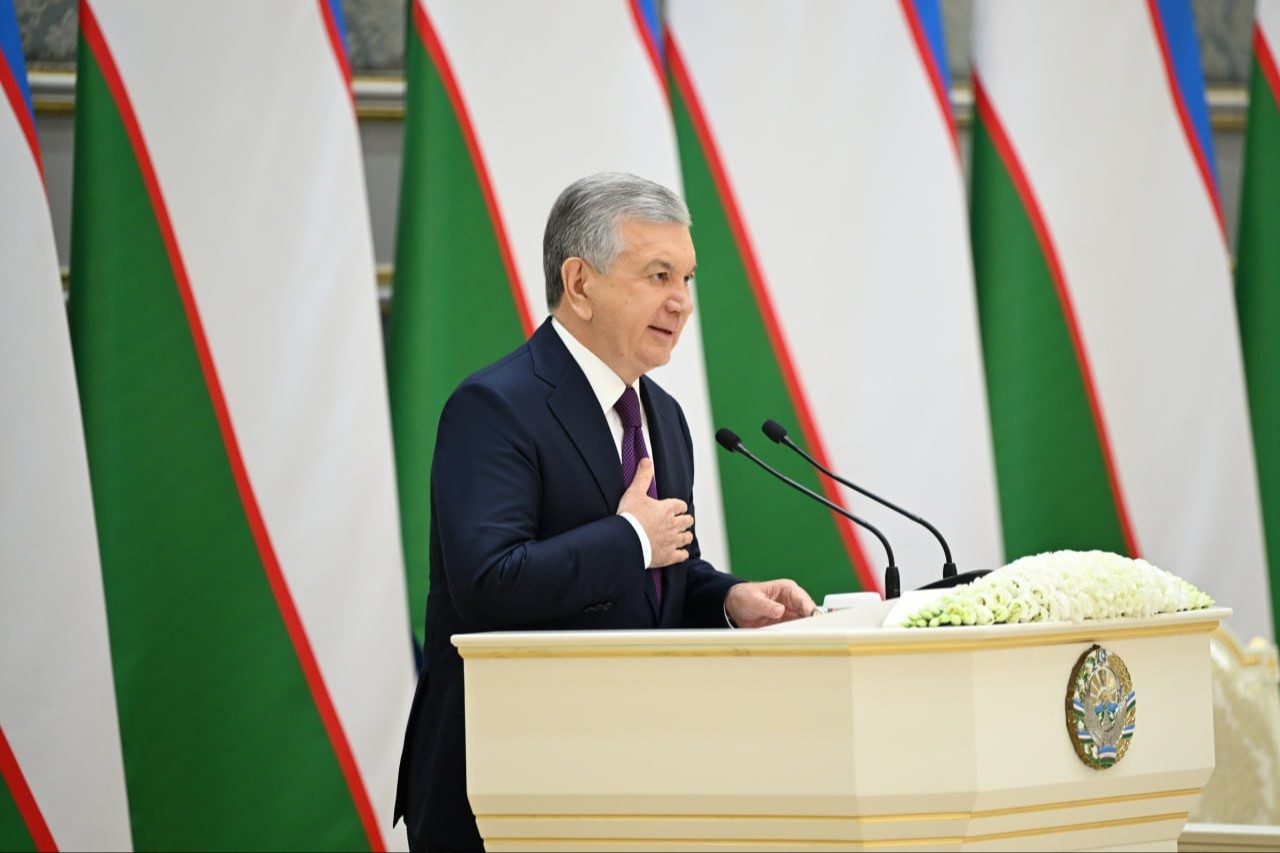
At the beginning of his speech, the Head of State expressed his deep respect for all farmers, gardeners, livestock breeders, water managers, agronomists, and machine operators, whose selfless and persistent work ensures abundance and prosperity in our compatriots’ homes.
“Your invaluable work in increasing not only agricultural but also economic indicators, raising the standard of living of the population, and ensuring food security deserves every praise”, the President said.
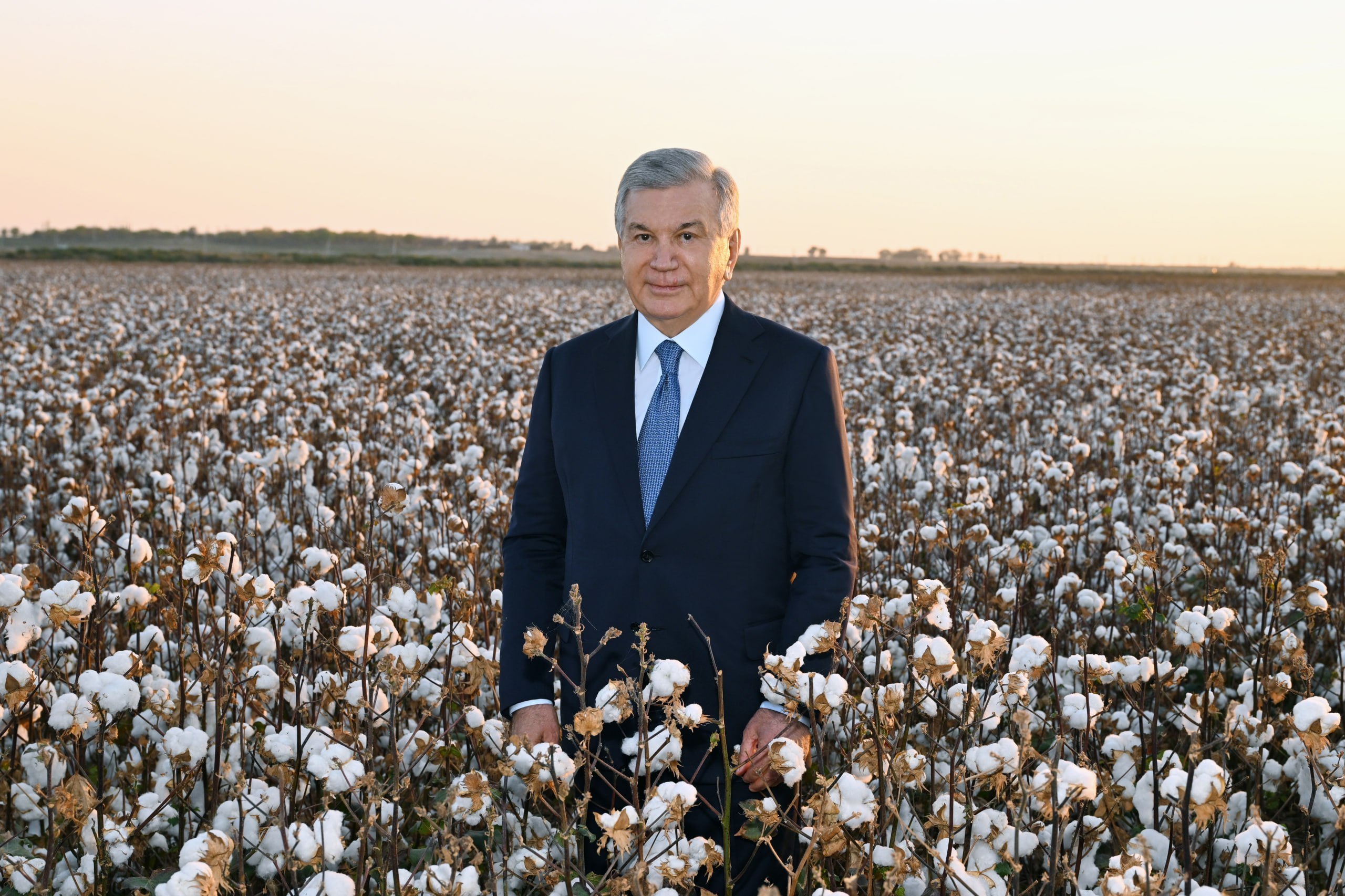
The agricultural sector, which employs 3,5 million of our compatriots, has shown impressive results this year. Our skilled farmers and growers harvested approximately 4 million tons of cotton from 875,000 hectares of land. For the first time, the average yield of this crop reached 46 centners.
Grain producers harvested 8,4 million tons, with an average yield of 85 centners. Having sown 268 thousand hectares, rice growers harvested 1,34 million tons of agricultural products with an average yield of 50 centners.
Over three years, 155 thousand hectares of orchards and vineyards have been created, and the area of intensive orchards has increased to 150 thousand hectares. This year, 3,4 million tons of fruit, 2 million tons of grapes, 19,5 million tons of vegetables, potatoes, and wheat crops, and 1 million tons of legumes and oilseeds were grown.
Since the beginning of the year, food exports have grown by 37 percent to $3 billion, and by the end of 2025, this figure will exceed $3.2 billion for the first time. The number of countries to which our fruits and vegetables are exported has increased by 18, reaching 83.
“Of course, it would be fair to say that such outstanding results are due to the hard work, determination, and dedication of our farmers, clusters, and everyone working in agriculture and water management. Their diligence, perseverance, and noble qualities deserve the highest recognition and attention”, the President said.
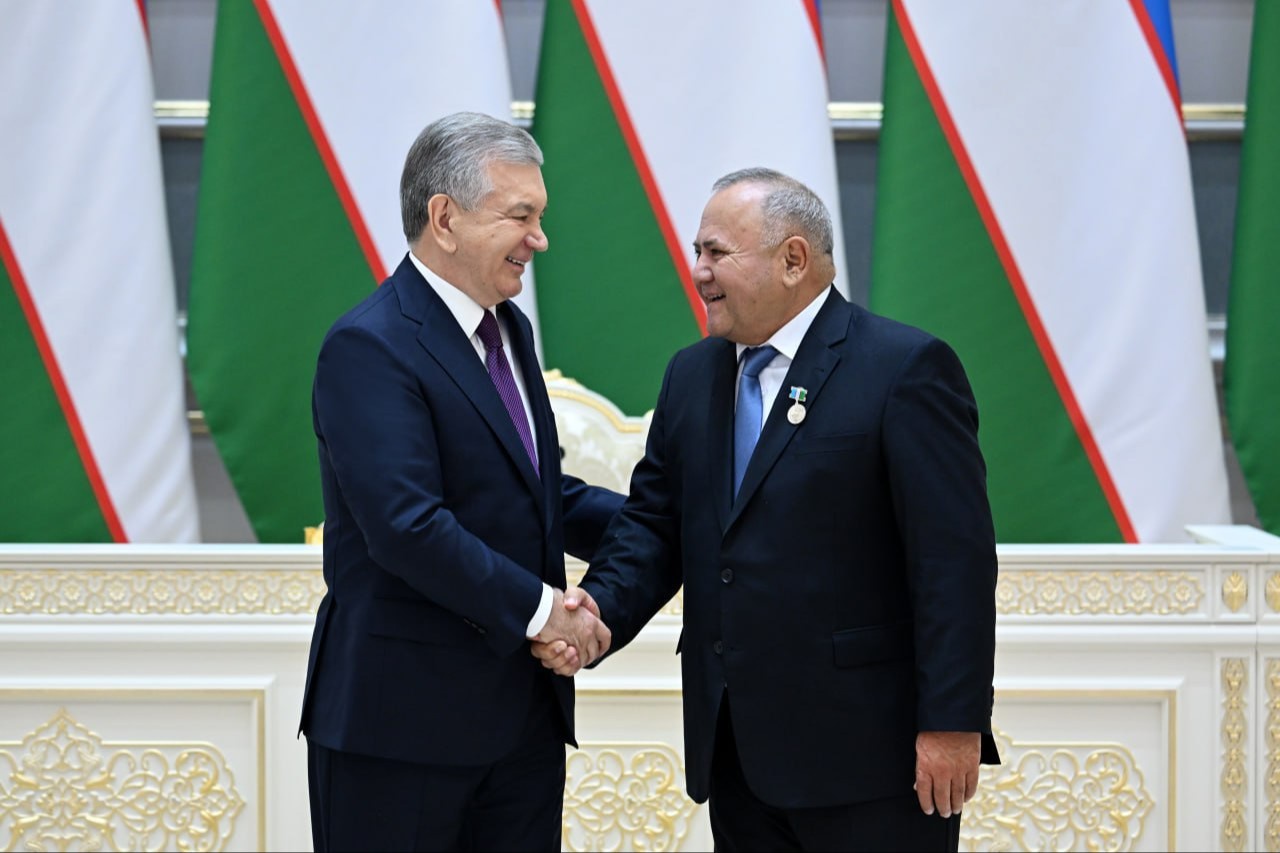
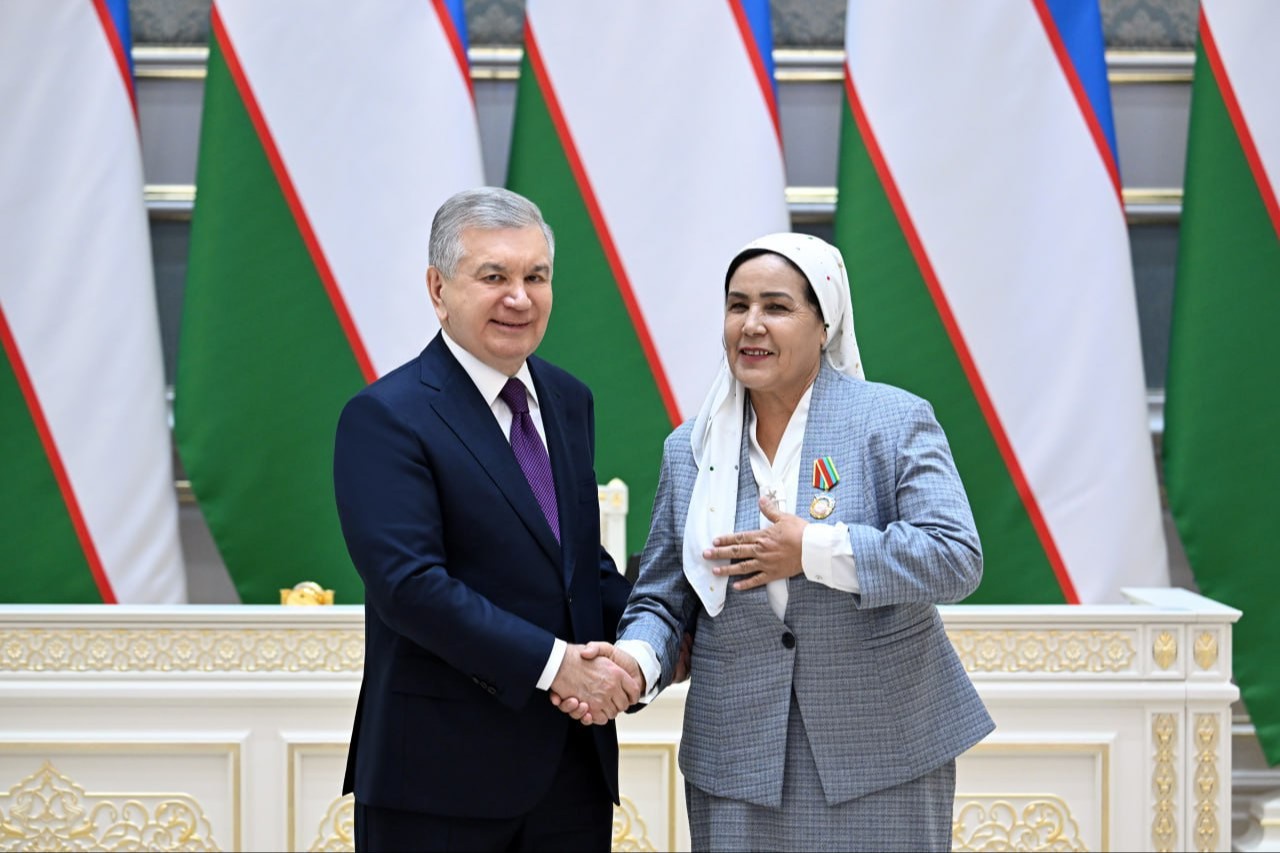
In accordance with the Decree of the President of the Republic of Uzbekistan of December 9 this year, a group of particularly distinguished workers in the sector were awarded honorary titles, orders, and medals.
The awards were presented at a ceremony.
Continuing his speech, the President outlined the most important tasks facing the industry in the coming year.
Next year, cotton cultivation will be expanded under the 76th scheme using new agricultural technologies, with 891 thousand hectares of cotton to be grown exclusively under this scheme. The area planted with foreign varieties resistant to pests, herbicides, salinization, and drought will be doubled to 500 thousand hectares.
300 thousand hectares will be sown with seeds based on the “Xinjiang Experience”. 2 trillion 600 billion UZS in preferential loans will be allocated to introduce drip irrigation technology as part of this program. 250 billion UZS will be allocated to subsidize farmers who grow cotton at their own expense, with aid up to 10 percent of the harvest.
At the same time, farmers who have used half of their credit limit for cotton cultivation will also receive a subsidy of up to 5 percent of the harvest.
Special attention will also be paid to developing new local cotton varieties.
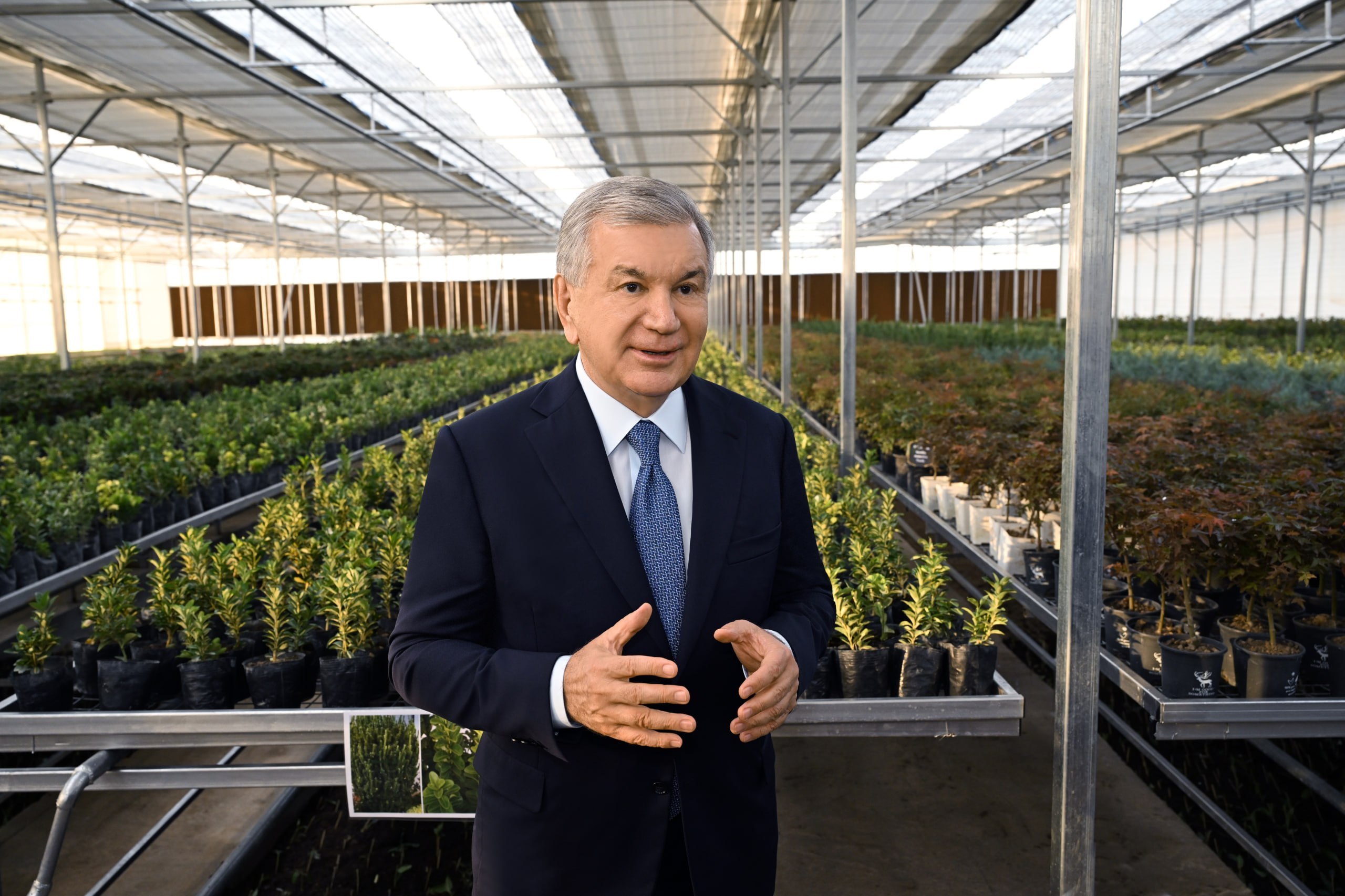
In particular, research centers will develop cottonseed production by selecting 56 domestic varieties alongside foreign varieties. A phytotron and a greenhouse will be built for genomics and cotton-growing institutes.
The practice of supplying mineral fertilizers and fuel for cotton cultivation through the exchange at a 10-15 percent discount will continue next year.
There will now be a separate rating for farmers who harvest cotton and grain.
At the same time, for farmers who have worked for at least 10 years and have no overdue debts on loans, leases, or taxes, interest rates on preferential loans provided by the Fund for Agriculture will be further reduced based on their rating. That is, for farmers at the top of the rating, the interest rate on loans will be 8 percent for cotton growers and 10 percent for grain producers.
An innovative agriculture school is being established in Mirzachul. One thousand farmers from across the country will be trained at this school in the skills of growing cotton in steppe conditions. Farmers who complete the training and receive a certificate will receive an additional 10 points in the ranking.
It was emphasized that increasing the number of qualified agronomists is essential.
In this regard, 180 students at the Agricultural University will undertake practical training at advanced clusters and farms in a dual-education format. For training in agronomic skills, each farmer and cluster will be paid 5 million UZS per student, and the student will receive a scholarship of 1,5 million UZS.
Young agronomists who introduce innovations into farming practices, help increase yields and reduce costs through high-quality seeds and varieties, as well as modern agricultural technologies, will be paid $2,000 per month.
To increase mechanization in cotton production to 85 percent next year, we plan to introduce an additional 800 cotton harvesters, 450 multifunctional seeders, and 3,000 film collection machines.
In total, 35 trillion UZS will be allocated in 2026 to support dehkans and farmers and further intensify cotton production.
It was noted that research on developing new varieties resistant to salinization, drought, and heat will also be intensified in the grain production sector. Farmers who grow grain using their own funds will receive a subsidy equal to 10 percent of their harvest, similar to the current procedure for cotton farming.
A three-year program will also be adopted to create new orchards and vineyards and renovate existing ones.
From now on, a seven-year loan at 14 percent, with a three-year grace period, will be available for establishing intensive orchards. For the construction of cold storage facilities, up to 8 percent of the interest rate above the base rate will be compensated. Vegetable exporters and gardeners will be reimbursed 50 percent of their packaging costs.
It was emphasized that increasing the production of fruit and vegetable products requires the effective use of pastures, hilly, and foothill areas.
In this regard, such land will be put up for auction to establish industrial orchards and vineyards, and to cultivate vegetable and fodder crops, at a price equal to 1 percent of their cadastral value. Auction winners may sublease the land, and the sublease rights will be registered free of charge.
It was noted that, in the current rapidly changing conditions, ensuring market price stability and food security should remain a constant focus.
Reserves of basic food are currently being built up for the autumn-winter period. From now on, this process will be carried out throughout the year, and a mechanism of constant state intervention will be introduced to stabilize prices.
Another important area is increasing meat and milk production.
Next year, plans are to import 100,000 head of cattle and 200,000 head of sheep and goats. Farmers who grow cotton and grain will be allowed to put up light structures on an area of up to 20 acres for the development of livestock farming on their own land. The subsidy program for the import of breeding cattle and day-old chicks will be extended for another five years.
Next year, $157 million will be allocated to livestock projects from resources provided by the World Bank and the International Fund for Agricultural Development. These funds will be provided to livestock farmers for 10 years at 17 percent with a three-year grace period.
Several innovations are also being introduced in fish farming to renew breeds, increase productivity, and ensure transparency.
In collaboration with partners from Hungary and Norway, two breeding centers for carp and cold-water fish are being established in Yangiyul and Bostanlyk districts. Half of the cost of importing breeding fish will be reimbursed. Fish farms are exempt from customs duties on imports of incubation equipment, laboratory equipment, and closed-water circulation systems. Farms that adopt intensive fish-farming technologies will have their land and property taxes halved.
Until now, agricultural subsidies were distributed by six ministries. An Agricultural Payments Agency has been established to provide all financial services in one place. Next year, the agency will allocate 2 trillion 20 billion UZS in subsidies to dehkans and farmers. The number of stages will be reduced from four to two, and the time to receive them will be reduced from one month to 15 days.
Starting next year, voluntary insurance for cotton, grain, and greenhouse products will begin. The budget will cover half of the insurance premiums.
This year alone, more than 100 drones have been used to monitor land and crops, and advanced agricultural techniques have been introduced. Next year, it is planned to purchase more than 50 modern agricultural drones from China. At least two mobile drone complexes will be created in each region to provide agricultural services.
Another issue is the condition of 70,000 kilometers of open drainage and collector channels nationwide. If they are gradually converted to a closed system, additional land can be freed for crops, and channel cleaning costs can be significantly reduced.
In this regard, a separate program will be implemented to convert open drainage and collectors to a closed system, with $100 million allocated.
“I will keep repeating: where there is no science and research, there is no development, growth, or progress”, said the President.
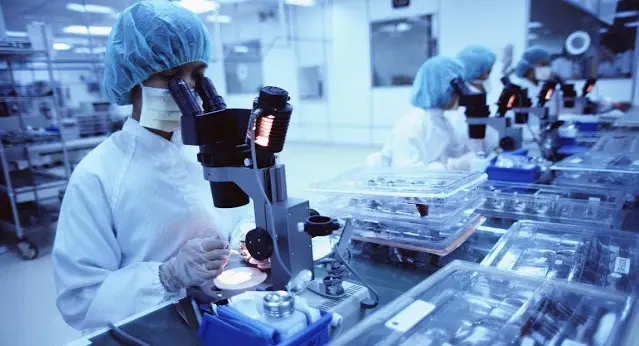
Today, 22 research centers and 260 laboratories operate in the agricultural sector, employing hundreds of highly talented scientists and researchers. To make full use of this resource, an Academy of Agricultural Sciences will be established to ensure the integration of “science, education, and production”. The Academy will be responsible for developing fundamental and applied research in agriculture.
In addition, 500 leading farmers, horticulturists, and exporters will be sent to China, Türkiye, the Netherlands, and France for training.
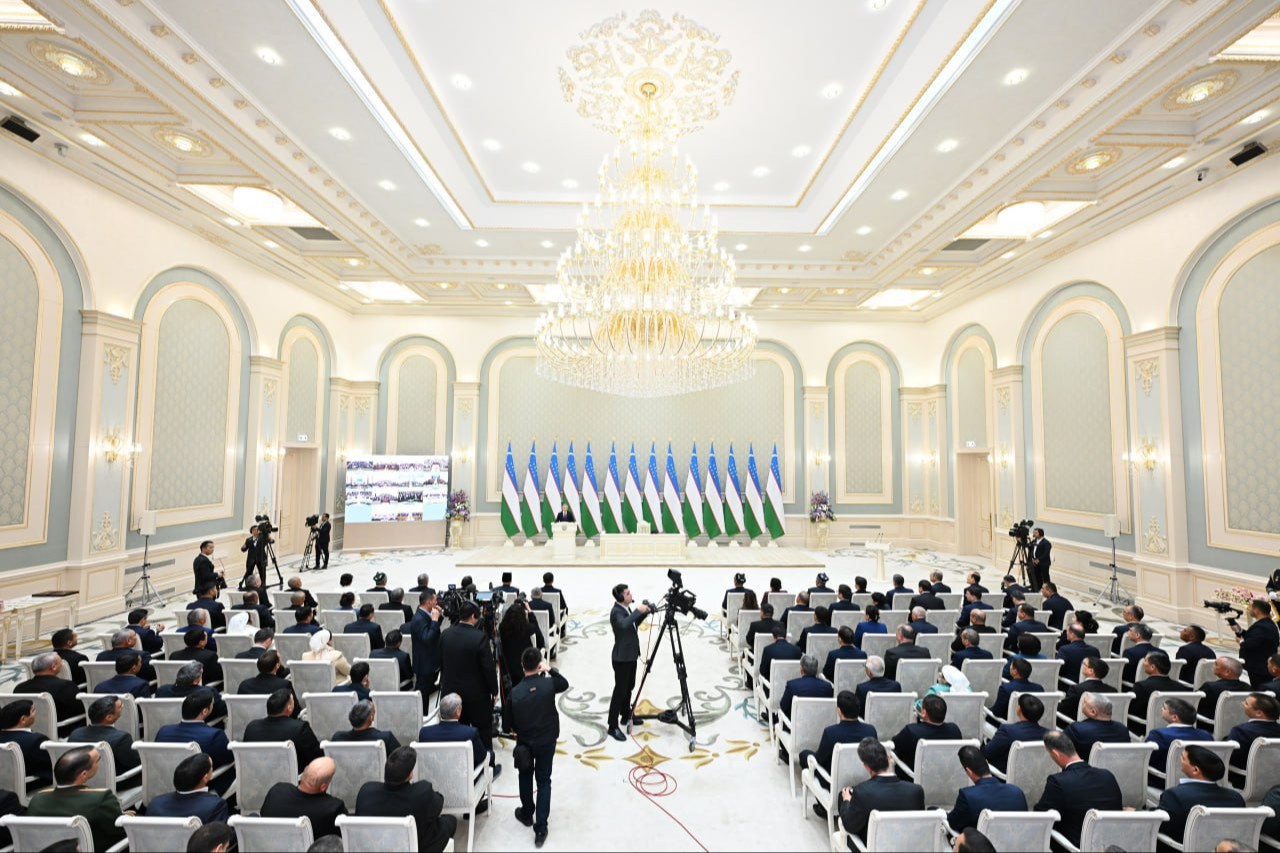
At the meeting, an open dialogue was held with representatives of the agricultural sector. The President listened to their suggestions and opinions.